


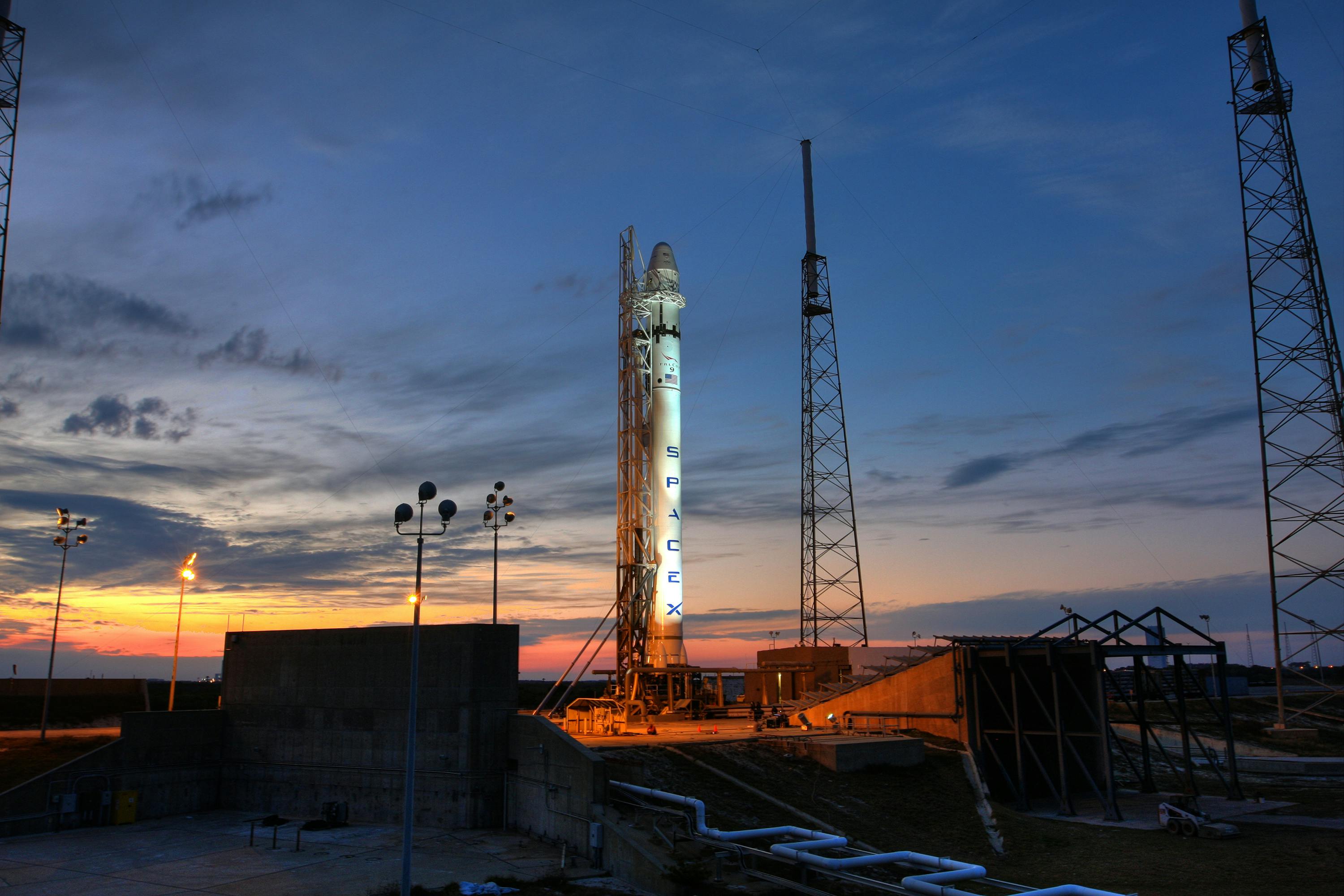
B1067 Flies Record 36th Mission on Starlink 10-42 | KeepTrack X Report
Booster B1067 sets a new Falcon 9 reuse record on its 36th flight, lifting Starlink 10-42 from Cape Canaveral at 5:25 a.m. EDT.


Launch Date
April 28, 2014
Launch Site
Launch Pad
LC81/24
Launch Vehicle
Proton-M/Briz-M
NORAD ID
39727
International Designator
2014-023A
Epoch
Sat, 04 Jul 2026 02:56:38 GMT
Apogee
Calculating...
Perigee
Calculating...
Inclination
5.17°
Right Ascension
69.58°
Eccentricity
Calculating...
Argument of Perigee
59.23°
Period
1436.13 min
Mean Motion
1.00 rev/day
Latitude
Calculating...
Longitude
Calculating...
Altitude
Calculating...
Velocity
Calculating...
Name
LUCH-5V
Alternative Name
Luch-5V
Type
Status
Owner
RESH
Country
Russia
Constellation
N/A
Related Satellites
Major Events
N/A
1 39727U 14023A 26185.12266756 -.00000258 00000-0 00000-0 0 9991
2 39727 5.1723 69.5771 0002666 59.2281 292.2227 1.00269372 44521
Source: Celestrak
Length
4
Diameter
2
Span
15
Dry Mass
900
Launch Mass
1171
Shape
Box + 2 Pan
Radar Cross Section
22.5893
Visual Magnitude
Unknown
Color
Unknown
Material Composition
Unknown
Payload
Luch-5V No. P001
Purpose
Communication, data relay
Mission
Communication, data relay
Manufacturer
RESH
Life Expectancy
10 years
Bus
Ekspress-2000
Configuration
Ekspress-1000A (3-Axis stabilized, 2 solar arrays)
Motor
AOCS
Equipment
?
Power System
2 deployable solar arrays, batteries
ADCS
Unknown
Transmitter Frequency
Unknown
Learn more about satellites and other related topics.
Booster B1067 sets a new Falcon 9 reuse record on its 36th flight, lifting Starlink 10-42 from Cape Canaveral at 5:25 a.m. EDT.

Explore today's key space events including a SpaceX Starlink launch, Neuraspace's new telescope for space traffic monitoring, and Globalstar's defense-focused satellite service debut.

SpaceX made significant strides with the successful launch of Starlink satellites and the approval for the redevelopment of SLC-6, reinforcing its foothold in commercial spaceflight.
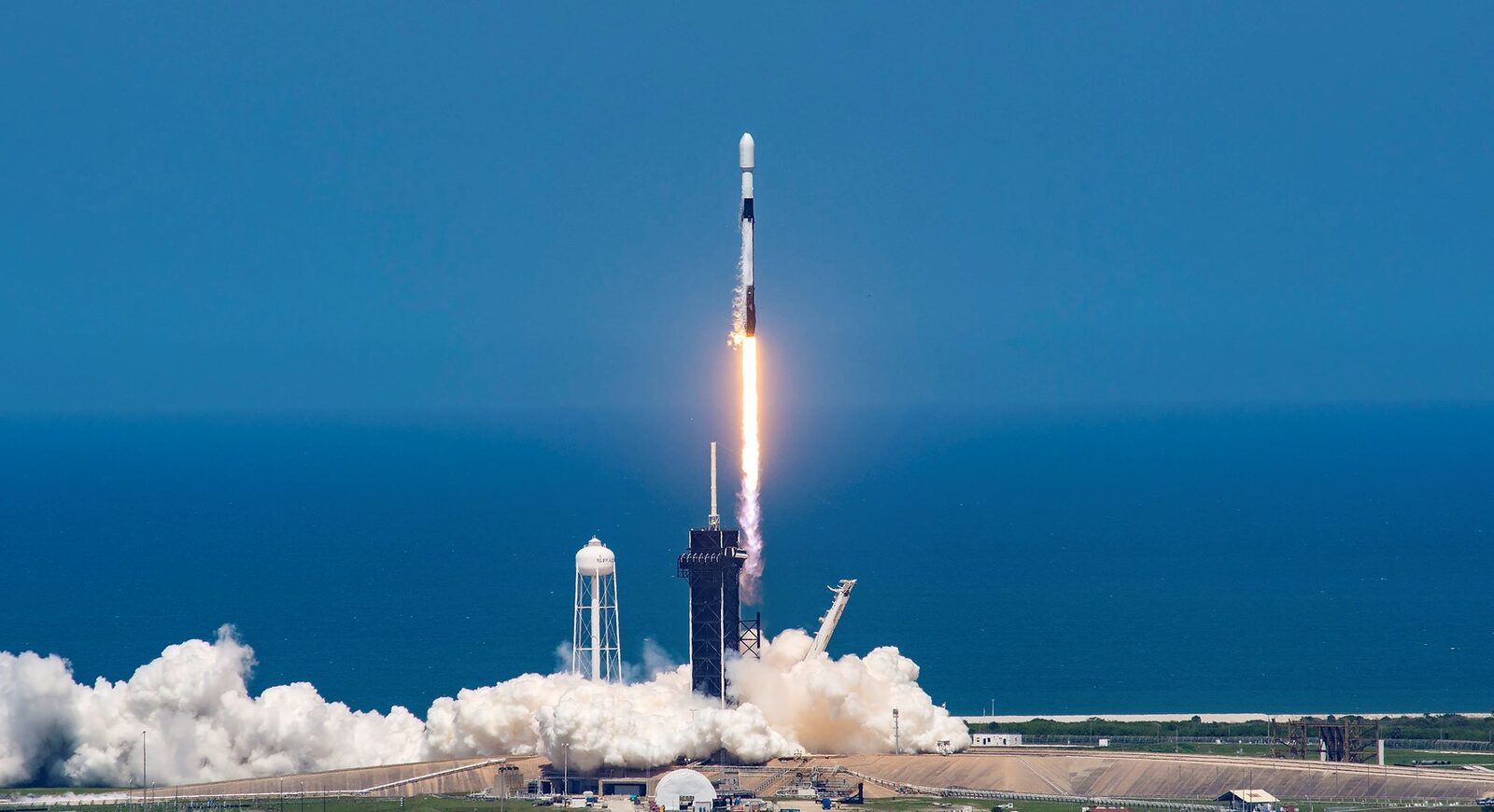
SpaceX completed a full 33-engine static fire on Booster 20, the longest duration test to date. The milestone clears a major hurdle before the next Starship flight attempt.
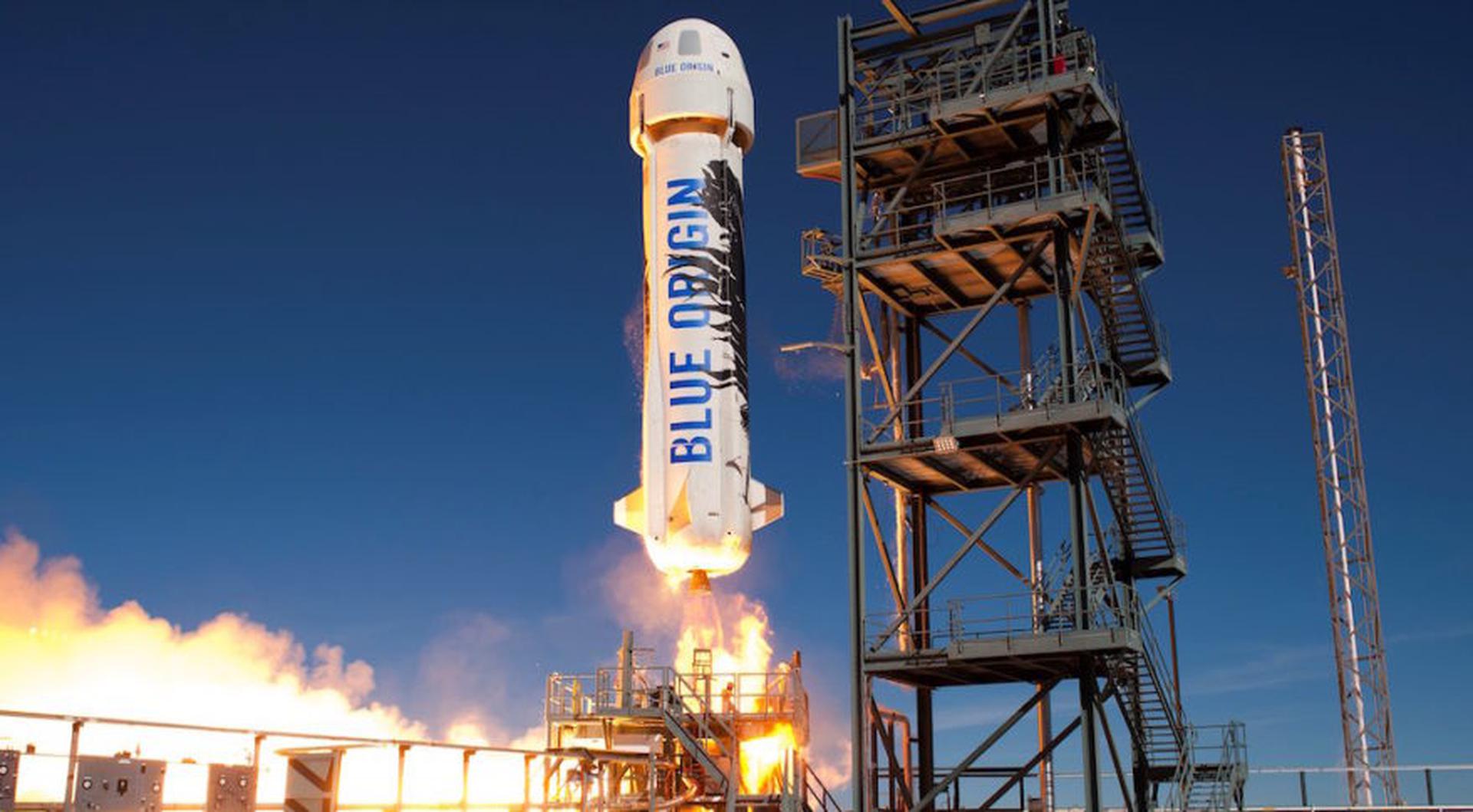
China launches Yaogan spacecraft into unusual orbit and Guowang constellation satellites to start 2026. NASA and DOE plan lunar nuclear reactor by 2030. Space Force switches GPS launch rocket.
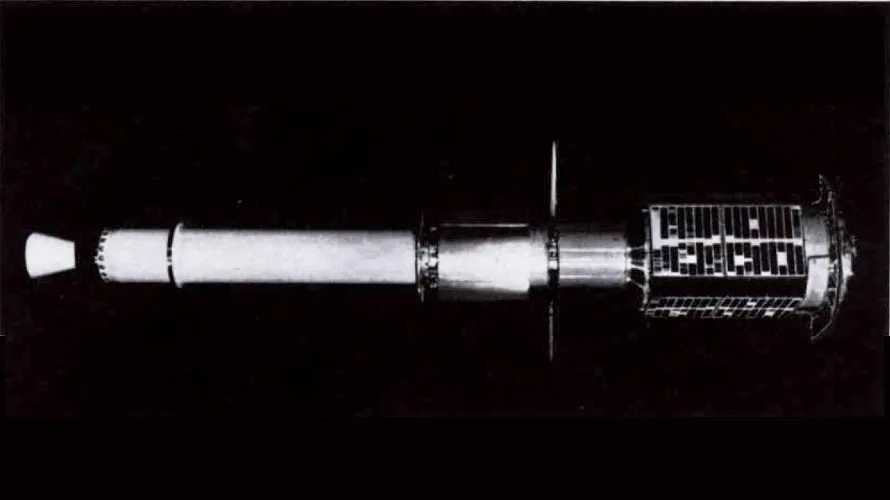
On April 27, 1961, a Scout rocket lifted a 37-kilogram NASA satellite into orbit from Wallops Island carrying the first serious instrument for detecting cosmic gamma rays. Explorer 11 operated for seven months before its tape recorder failed. In that time it registered 22 gamma-ray photons - a pitiful number by modern standards, but enough to launch an entire branch of astronomy.
Explore today's space news including Space Force's five-year reflection, Rocket Lab's military hypersonic test, SpaceX's festive launch, and a glimpse at China's strategic space maneuvers.

Today's space news features major US Space Force satellite launches, regulatory changes supporting private space initiatives, and updates on SpaceX's Starship advances.