


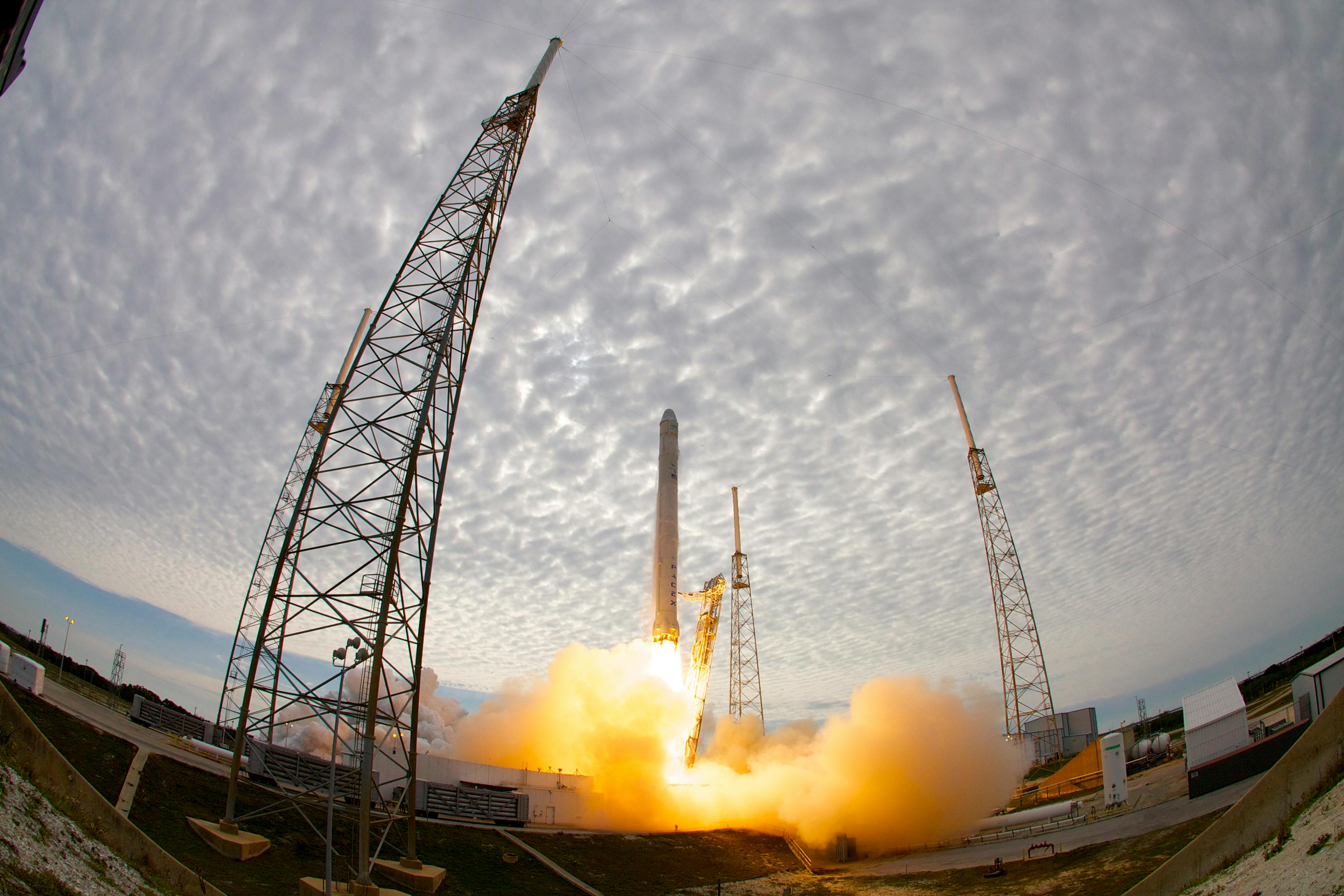
X Report 21 Nov 2025
SpaceX celebrates significant milestones with its 100th launch of the year, enhancing Starlink's coverage while preparing for an escalating Starship production cadence.


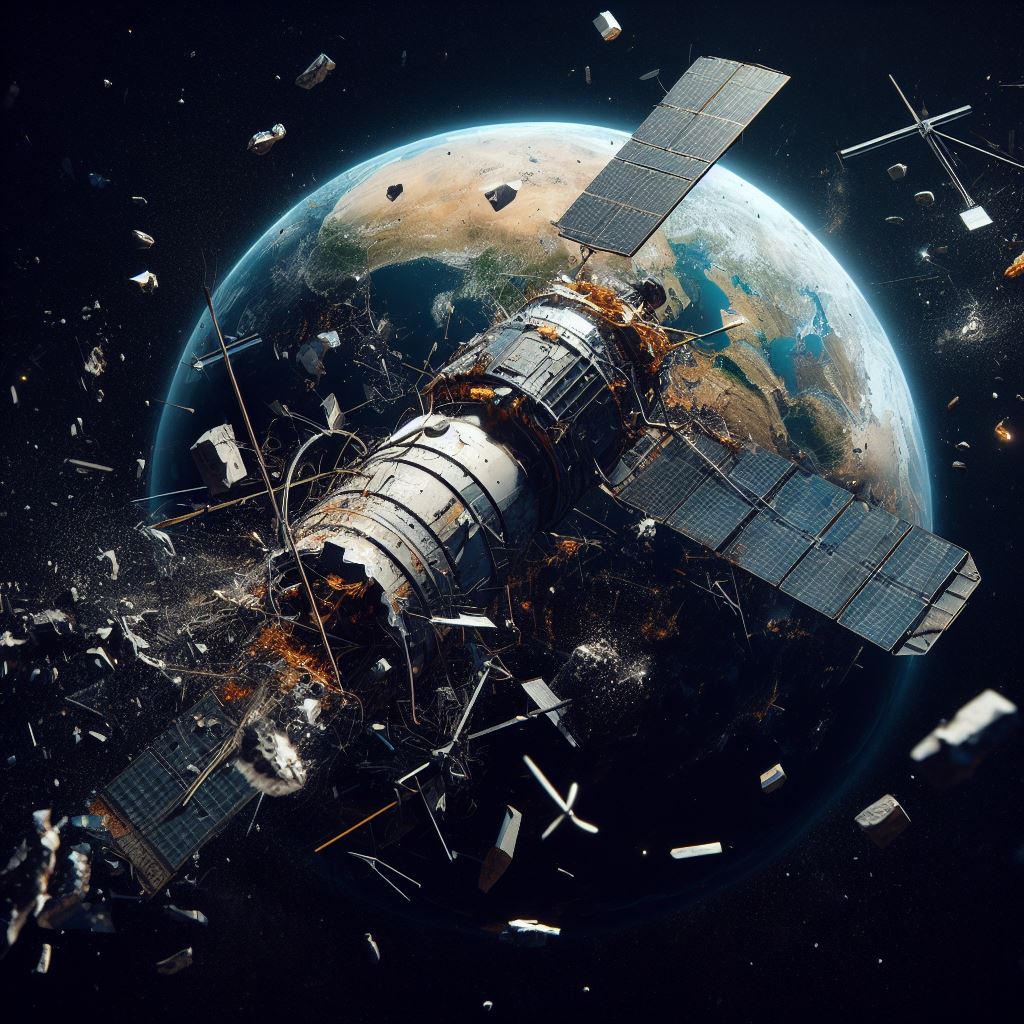
Launch Date
July 10, 1987
Launch Site
Launch Pad
LC90
Launch Vehicle
Tsiklon-2
NORAD ID
39674
International Designator
1987-060AM
Epoch
Sat, 04 Jul 2026 02:33:05 GMT
Apogee
Calculating...
Perigee
Calculating...
Inclination
65.01°
Right Ascension
321.55°
Eccentricity
Calculating...
Argument of Perigee
283.14°
Period
100.36 min
Mean Motion
14.35 rev/day
Latitude
Calculating...
Longitude
Calculating...
Altitude
Calculating...
Velocity
Calculating...
Name
COSMOS 1867 COOLANT
Alternative Name
Kosmos-1867 coolant
Type
Status
Owner
VMFR
Country
Russia
Constellation
N/A
Related Satellites
Major Events
N/A
1 39674U 87060AM 26185.10631849 .00000452 00000-0 19430-3 0 9995
2 39674 65.0111 321.5527 0018256 283.1436 76.7613 14.34818223639126
Source: Celestrak
Length
0
Diameter
0
Span
0
Dry Mass
0
Launch Mass
0
Shape
N/A
Radar Cross Section
0.0019
Visual Magnitude
Unknown
Color
Unknown
Material Composition
Unknown
Payload
Unknown
Purpose
Unknown
Mission
Unknown
Manufacturer
ARSLO
Life Expectancy
Unknown
Bus
Unknown
Configuration
Unknown
Motor
Unknown
Equipment
Unknown
Power System
Unknown
ADCS
Unknown
Transmitter Frequency
Unknown
Learn more about satellites and other related topics.
SpaceX celebrates significant milestones with its 100th launch of the year, enhancing Starlink's coverage while preparing for an escalating Starship production cadence.
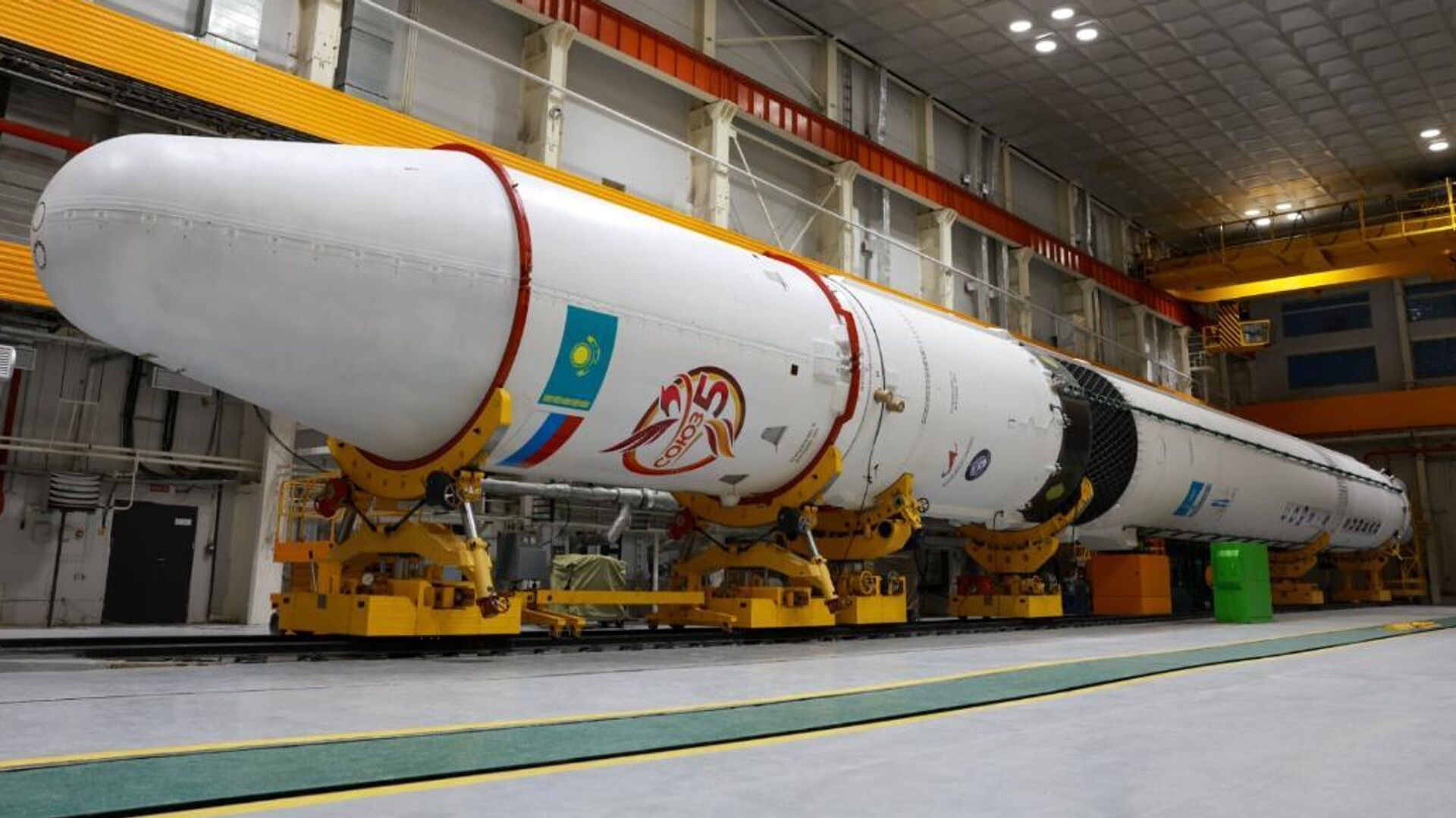
NASA's Artemis 2 launches April 1 with Commander Reid Wiseman and 3 crew members for first crewed lunar flyby since Apollo 17 in 1972.

Thirty years ago, a Chinese rocket veered off course two seconds after liftoff, destroyed a village, and triggered a political scandal that reshaped how the United States controls space technology to this day

Today's brief covers the latest in satellite launches, military implications in space funding, and notable reentry delays.
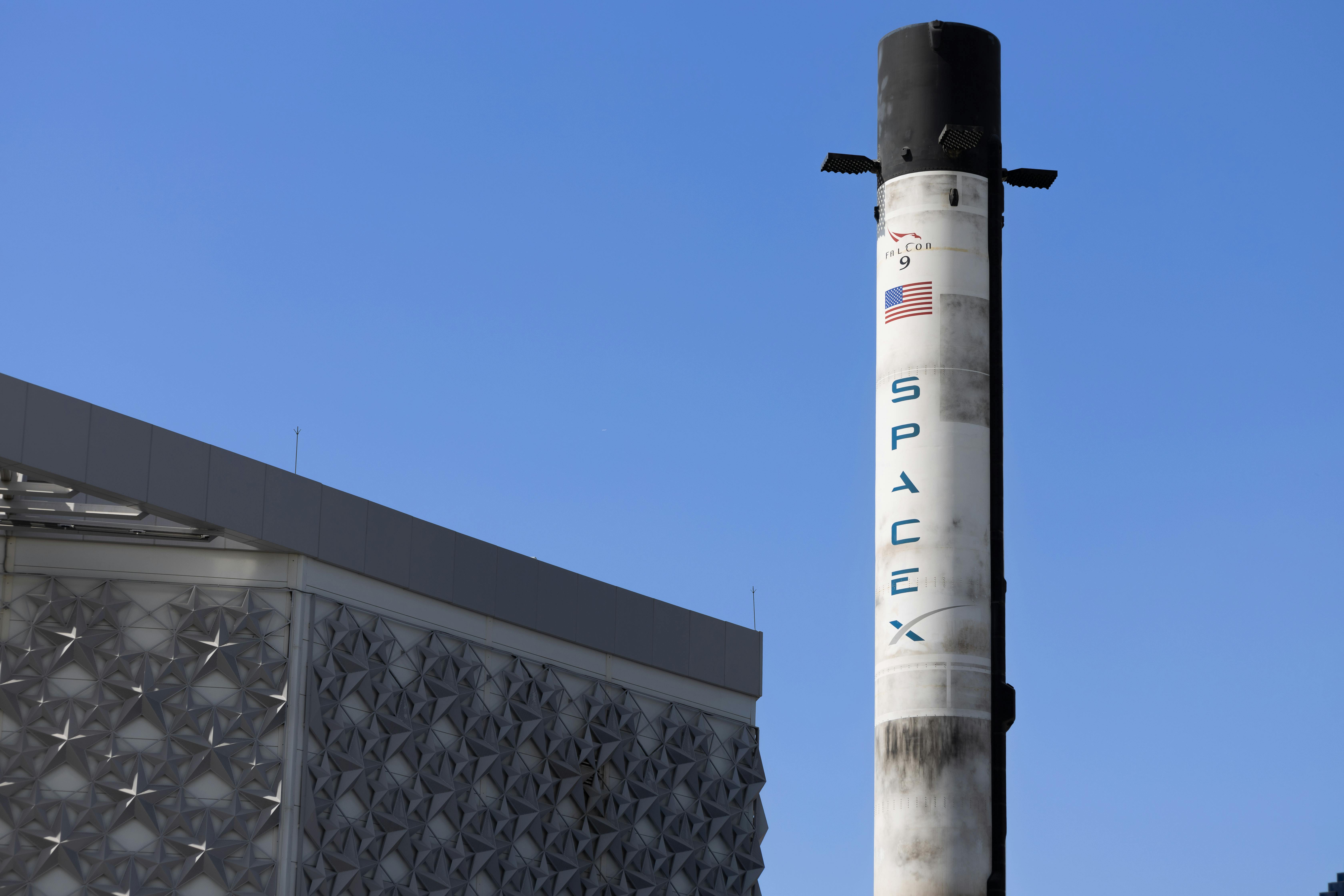
SpaceX faces regulatory review for Bahamian rocket landings, positions itself for a major government contract, and a new Star Wars Lego set adds to the fun!

Experts warn falling space debris risk to aircraft is increasing. North Korea tests advanced hypersonic missiles. Space Force seeks launch providers for Cape Canaveral and Vandenberg pads.

Space Force projects 25 additional high-energy missions in 2027–2029 window, straining capacity at Vulcan and Falcon Heavy. Capacity constraints will drive military-NASA prioritization debates.
SpaceX gears up for distinctive Starship tests and milestone Starlink deployments as the new year takes off.