


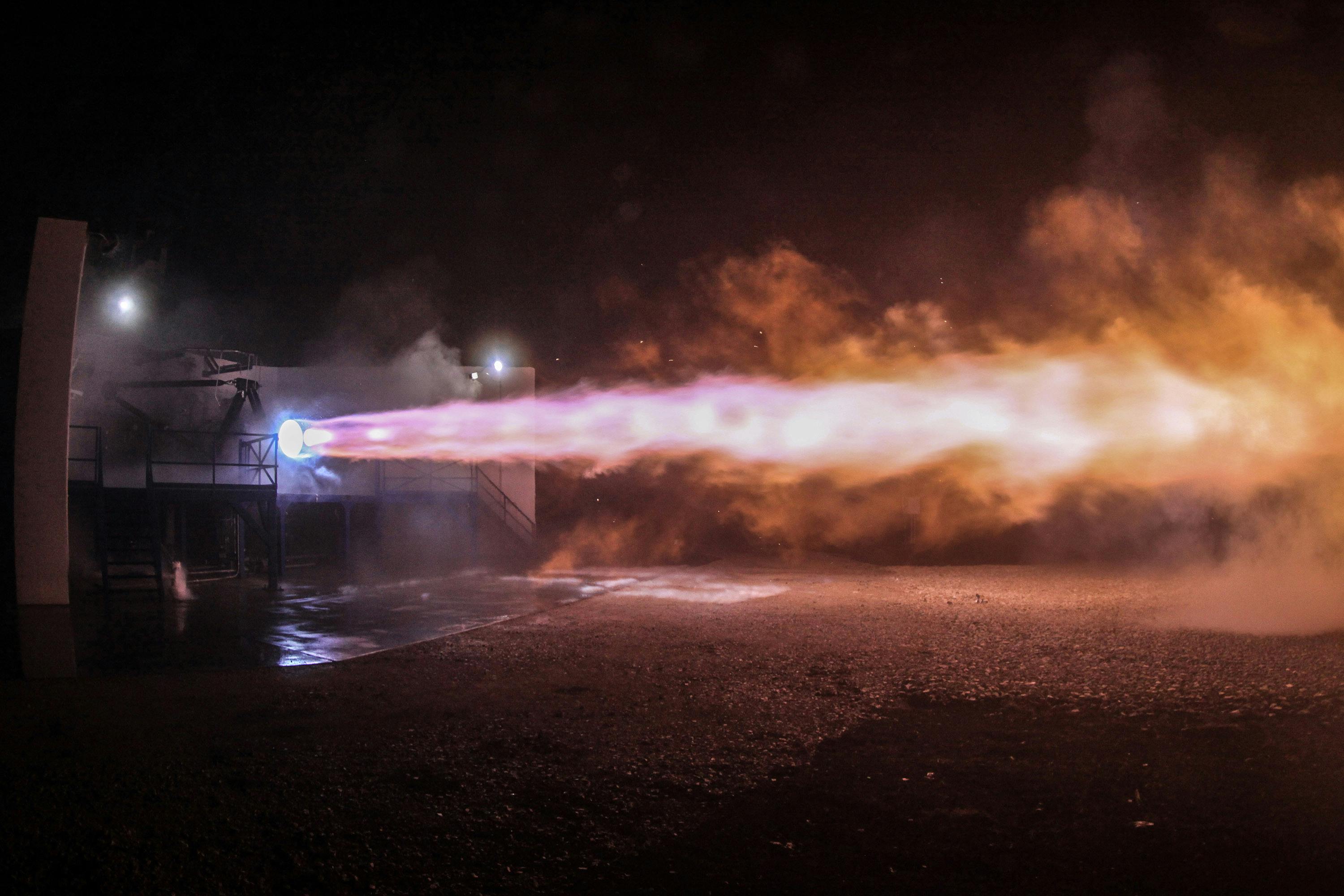
X Report 7 Apr 2025
SpaceX prepares for another Starlink launch today, following a successful deployment over the weekend from Florida's Space Coast.


Launch Date
July 10, 1987
Launch Site
Launch Pad
LC90
Launch Vehicle
Tsiklon-2
NORAD ID
39667
International Designator
1987-060AE
Epoch
Sat, 04 Jul 2026 02:42:47 GMT
Apogee
Calculating...
Perigee
Calculating...
Inclination
65.01°
Right Ascension
322.06°
Eccentricity
Calculating...
Argument of Perigee
284.46°
Period
100.41 min
Mean Motion
14.34 rev/day
Latitude
Calculating...
Longitude
Calculating...
Altitude
Calculating...
Velocity
Calculating...
Name
COSMOS 1867 COOLANT
Alternative Name
Kosmos-1867 coolant
Type
Status
Owner
VMFR
Country
Russia
Constellation
N/A
Related Satellites
Major Events
N/A
1 39667U 87060AE 26185.11305019 .00000261 00000-0 12908-3 0 9996
2 39667 65.0141 322.0554 0017008 284.4641 75.4557 14.34049984639148
Source: Celestrak
Length
0
Diameter
0
Span
0
Dry Mass
0
Launch Mass
0
Shape
N/A
Radar Cross Section
0.0019
Visual Magnitude
Unknown
Color
Unknown
Material Composition
Unknown
Payload
Unknown
Purpose
Unknown
Mission
Unknown
Manufacturer
ARSLO
Life Expectancy
Unknown
Bus
Unknown
Configuration
Unknown
Motor
Unknown
Equipment
Unknown
Power System
Unknown
ADCS
Unknown
Transmitter Frequency
Unknown
Learn more about satellites and other related topics.
SpaceX prepares for another Starlink launch today, following a successful deployment over the weekend from Florida's Space Coast.
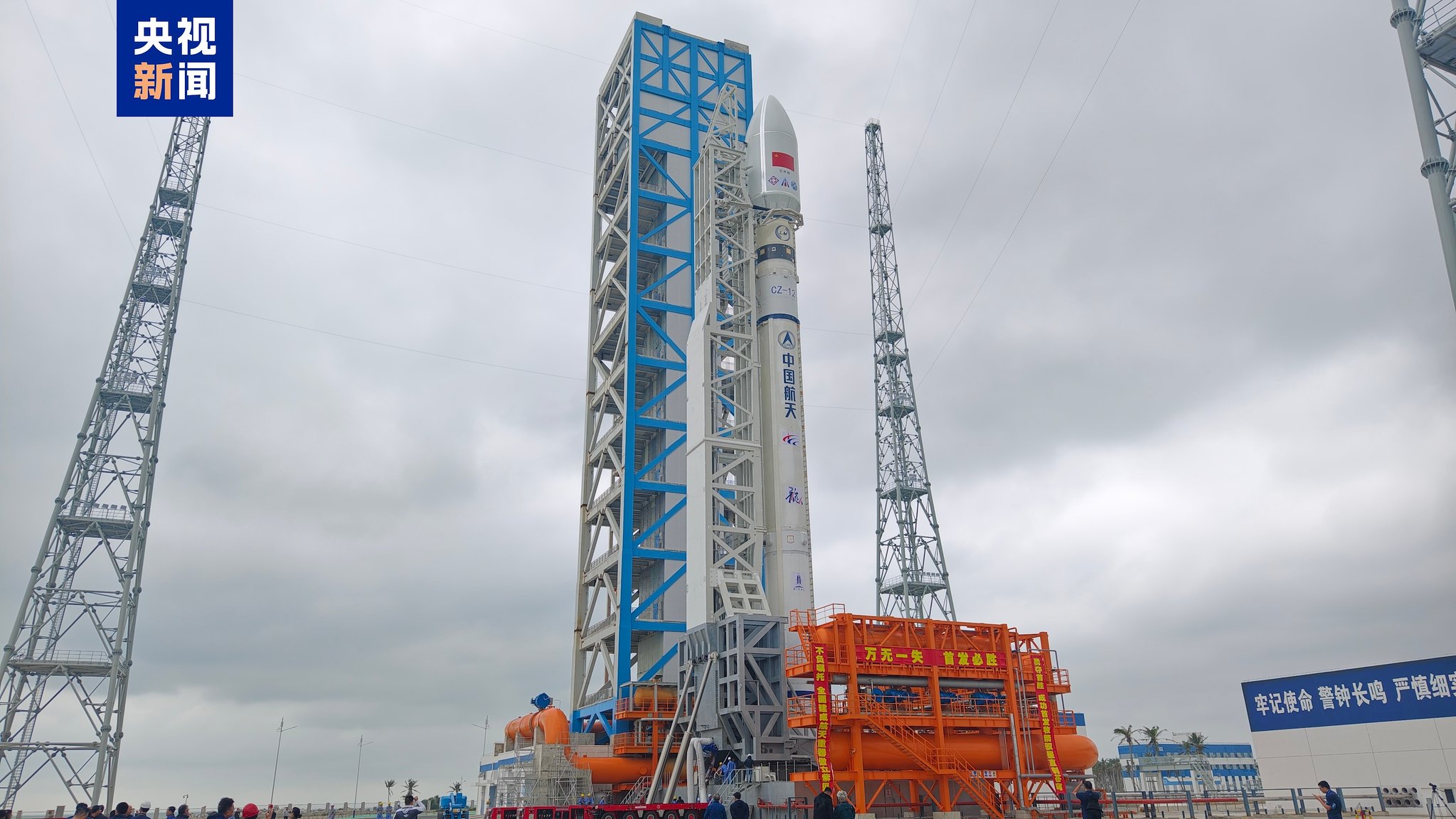
Today's edition covers significant military space developments, including DIU tech consolidation discussions, NDAA budget expansions, and new military commands.

Today's highlights include China's launch of the Shijian-25 for on-orbit refueling tests, major Pentagon contracts for solid rocket motors and hypersonic testing, and the US Space Force's record-setting year of launches.
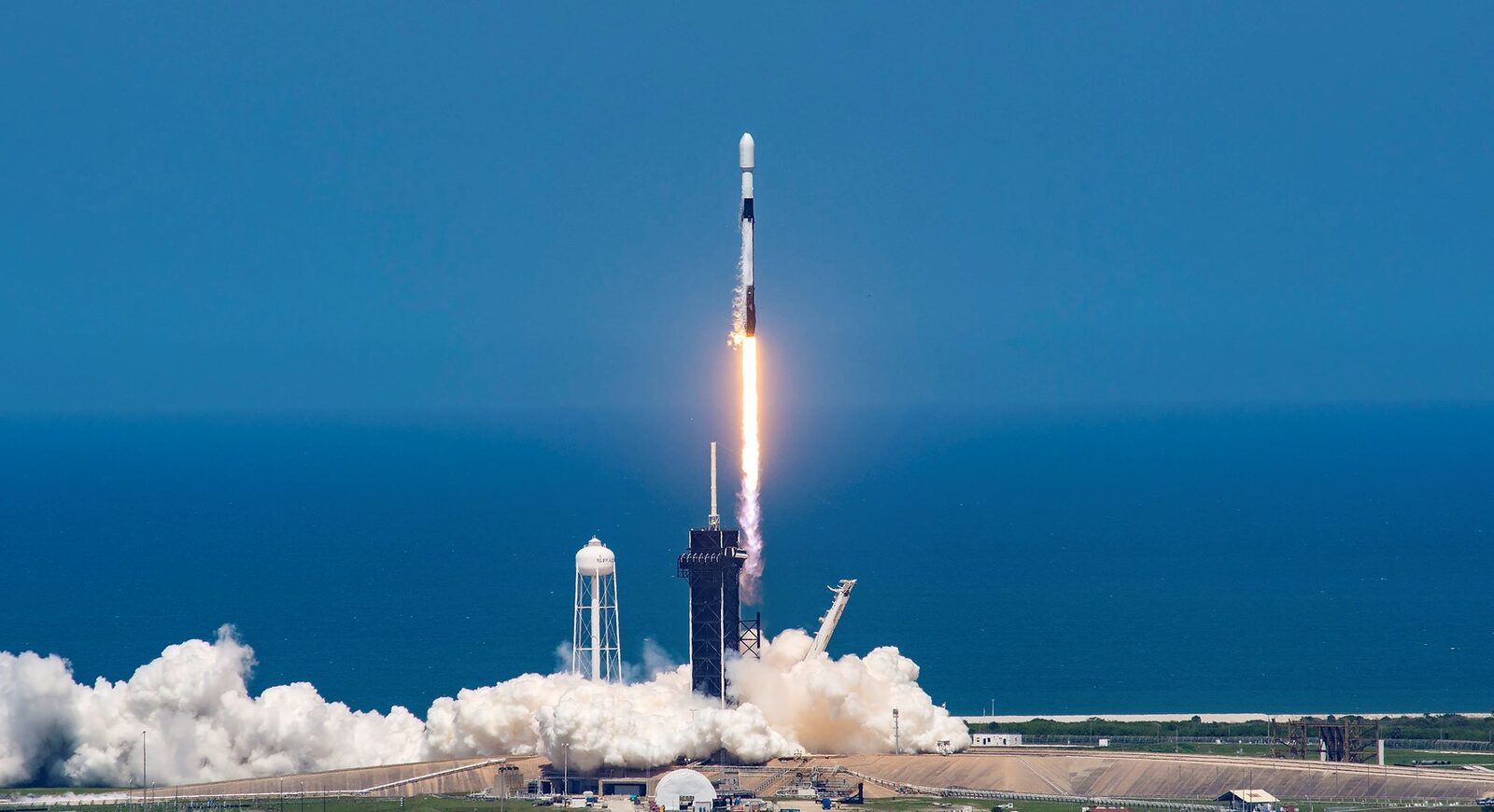
This week: China's Long March 10B debuted successfully, SpaceX merged with xAI, and Starlink topped 10,775 satellites in orbit.

Today's highlights include Rocket Lab joining the US Space Force's national security launch program, SpaceX's upcoming Starlink deployment, China's successful EVA, and intriguing science aboard SpaceX's Fram2 mission.
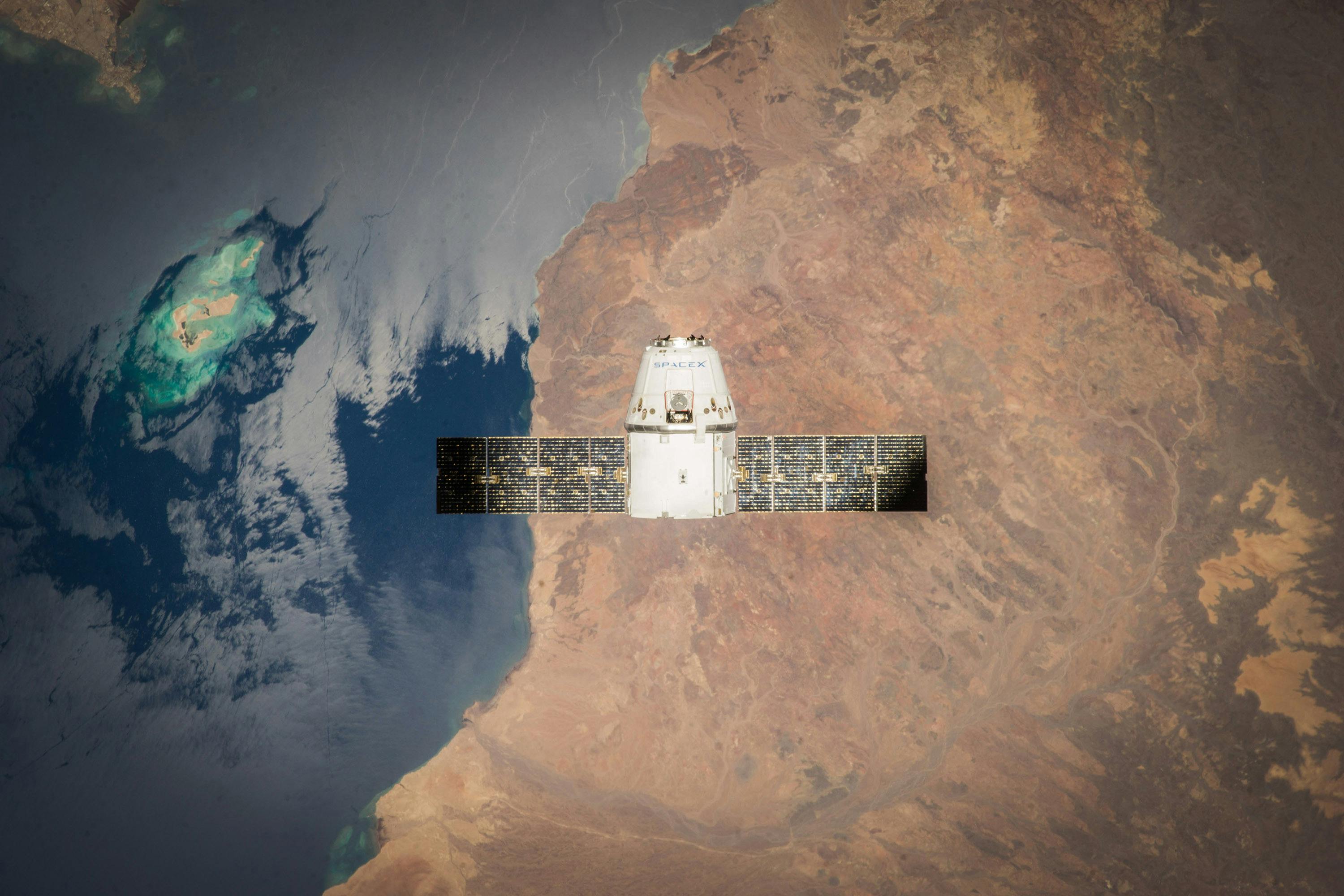
SpaceX continues to push boundaries with the successful launch of 28 Starlink satellites and significant testing preparations for upcoming Crew-11 and Starship missions.
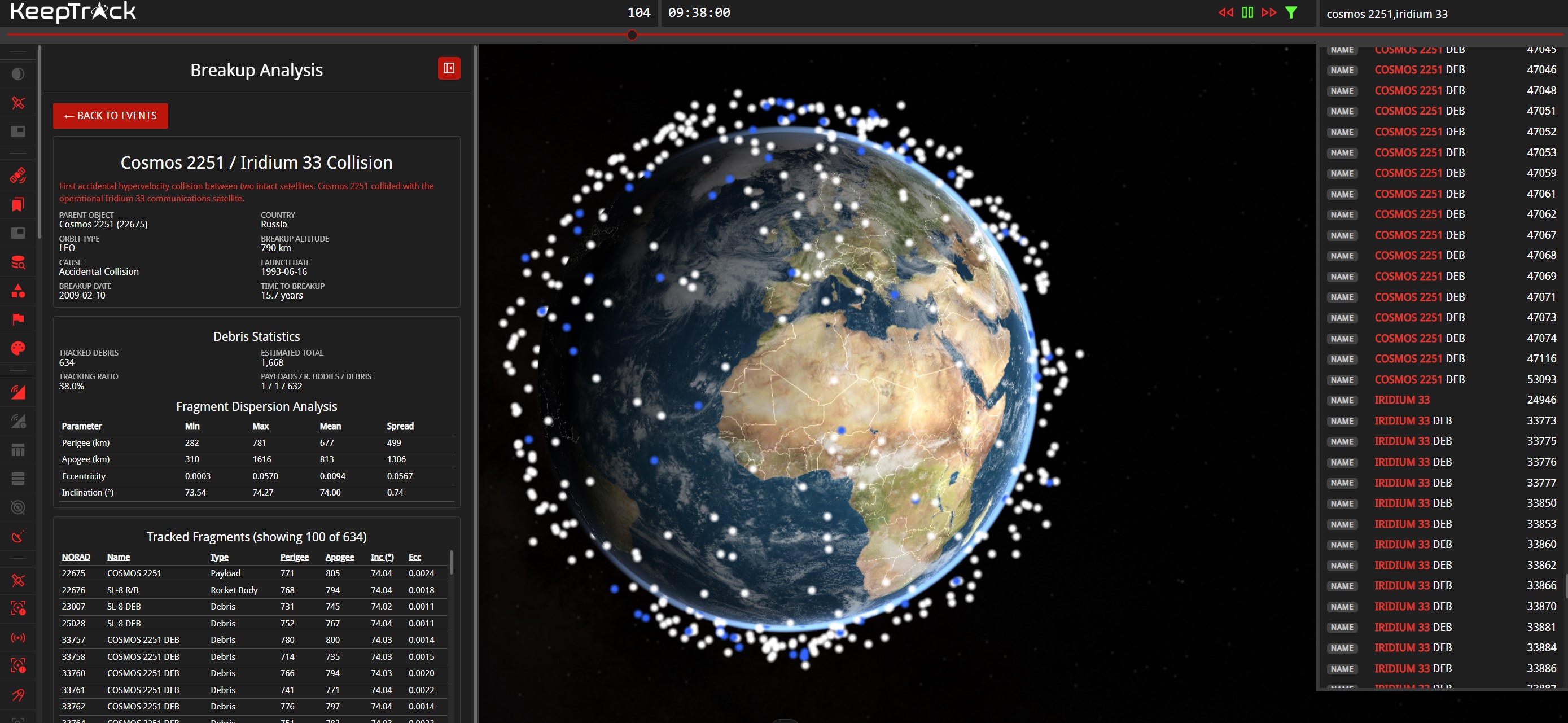
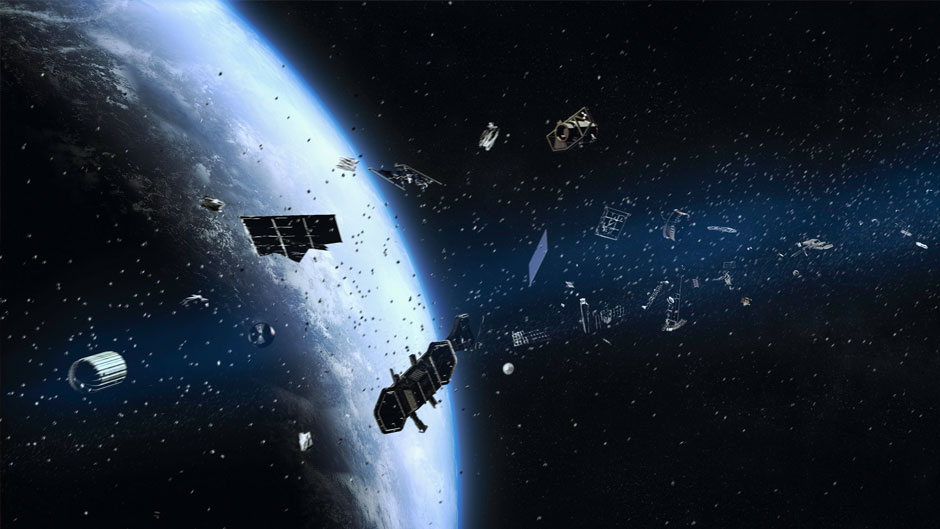
On February 10, 2009, an active Iridium communications satellite and a derelict Soviet military spacecraft slammed into each other 789 kilometers above Siberia. The collision produced more than 2,300 pieces of trackable debris that are still up there. Seventeen years later, the Iridium-Cosmos collision remains the event that made space debris a policy problem the world could no longer ignore.
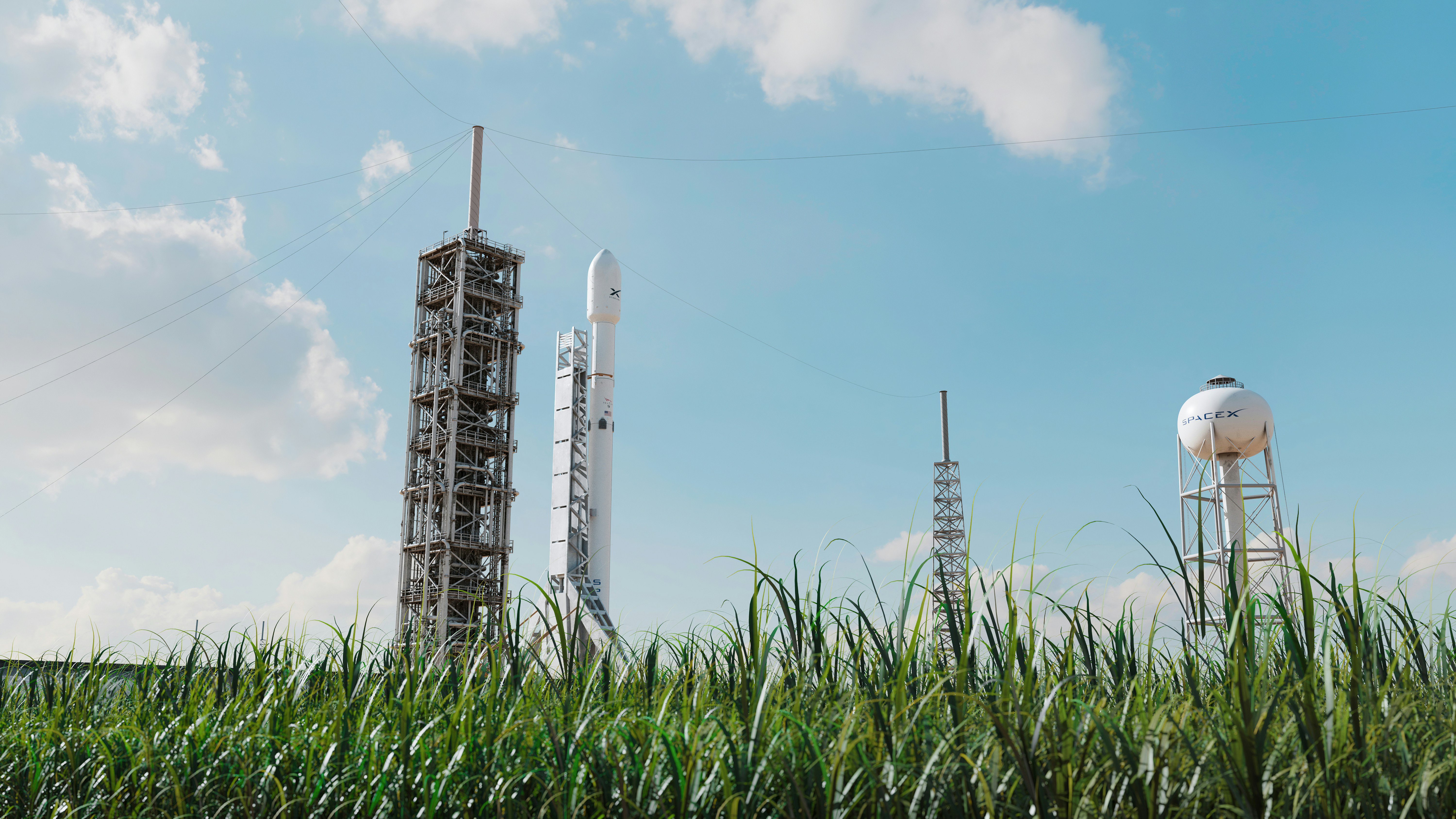
SpaceX wraps up 2024 with successful Starlink and Astranis launches, while reflecting on a monumental year for the Starship program.