


X Report 8 Nov 2024
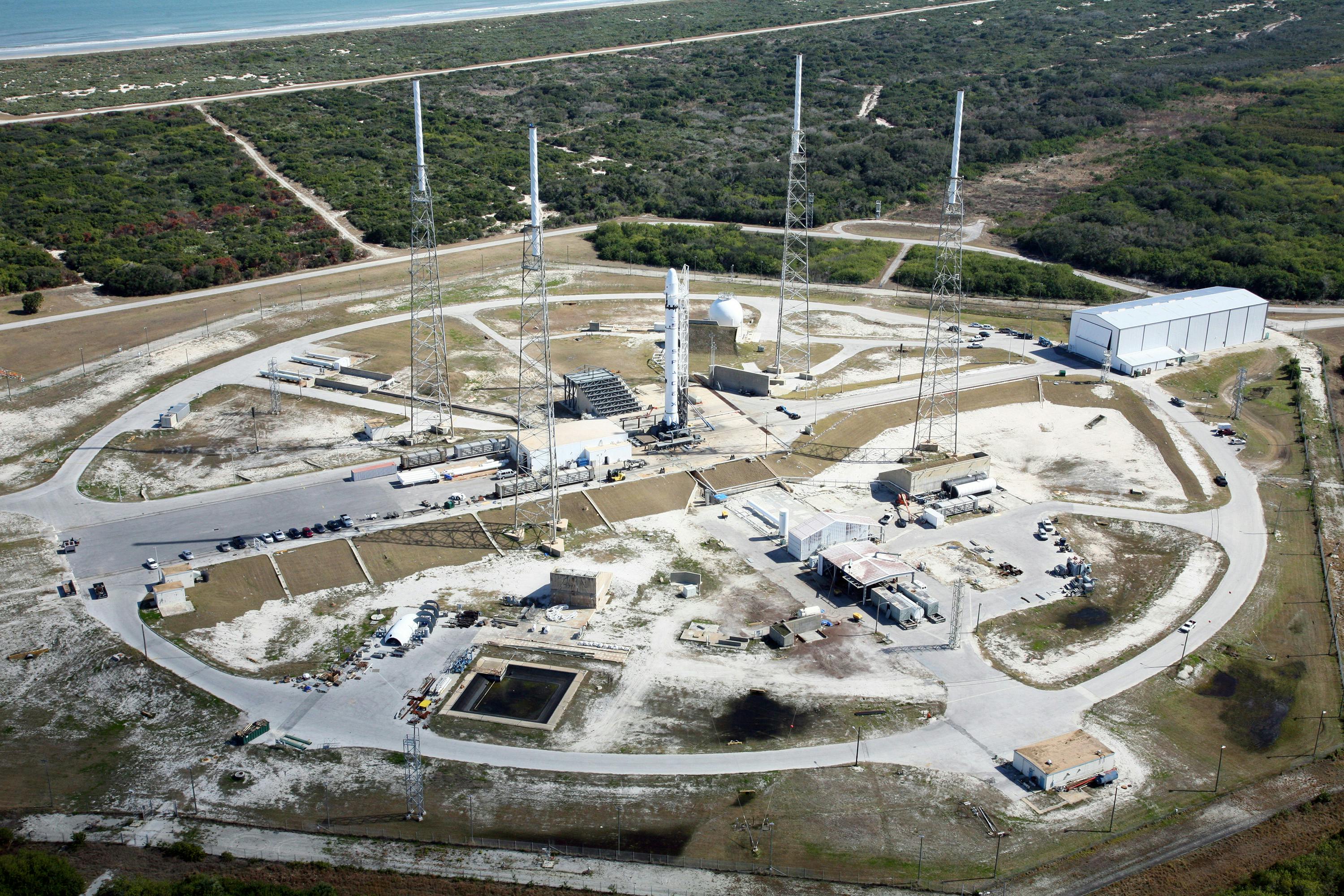
SpaceX makes strides with Starship testing while Starlink faces mounting competition as Viasat eyes Telesat's LEO capacity.


Launch Date
April 3, 2014
Launch Site
AFWTR
Launch Pad
SLC3E
Launch Vehicle
Atlas V 401
NORAD ID
39630
International Designator
2014-015A
Epoch
Sat, 04 Jul 2026 06:29:09 GMT
Apogee
Calculating...
Perigee
Calculating...
Inclination
98.78°
Right Ascension
184.91°
Eccentricity
Calculating...
Argument of Perigee
154.41°
Period
101.77 min
Mean Motion
14.15 rev/day
Latitude
Calculating...
Longitude
Calculating...
Altitude
Calculating...
Velocity
Calculating...
Name
DMSP 5D-3 F19 (USA 249)
Alternative Name
DMSP F-19
Type
Status
Owner
AFSMC
Country
United States
Constellation
N/A
Related Satellites
Major Events
N/A
1 39630U 14015A 26185.27024407 .00000180 00000-0 11560-3 0 9995
2 39630 98.7820 184.9103 0010790 154.4090 205.7619 14.14985520632418
Source: Celestrak
Length
4.4
Diameter
1.2
Span
6.6
Dry Mass
1217
Launch Mass
1217
Shape
Box+panel
Radar Cross Section
4.2652
Visual Magnitude
Unknown
Color
Unknown
Material Composition
Unknown
Payload
DMSP Block 5D-3 S-19
Purpose
Meteorology
Mission
Meteorology
Manufacturer
LMEW/LMSS
Life Expectancy
5 years (design)
Bus
Block 5D
Configuration
TIROS-N Bus
Motor
Star-37XFP / ISS (#15, 16); ISS (17 - 20)
Equipment
see above
Power System
Deployable solar array, batteries
ADCS
Unknown
Transmitter Frequency
Unknown
Learn more about satellites and other related topics.
SpaceX makes strides with Starship testing while Starlink faces mounting competition as Viasat eyes Telesat's LEO capacity.

Today's highlights include Rocket Lab's successful 2025 kick-off launch, SpaceX's upcoming Starlink deployment, and a significant military satellite contract competition.
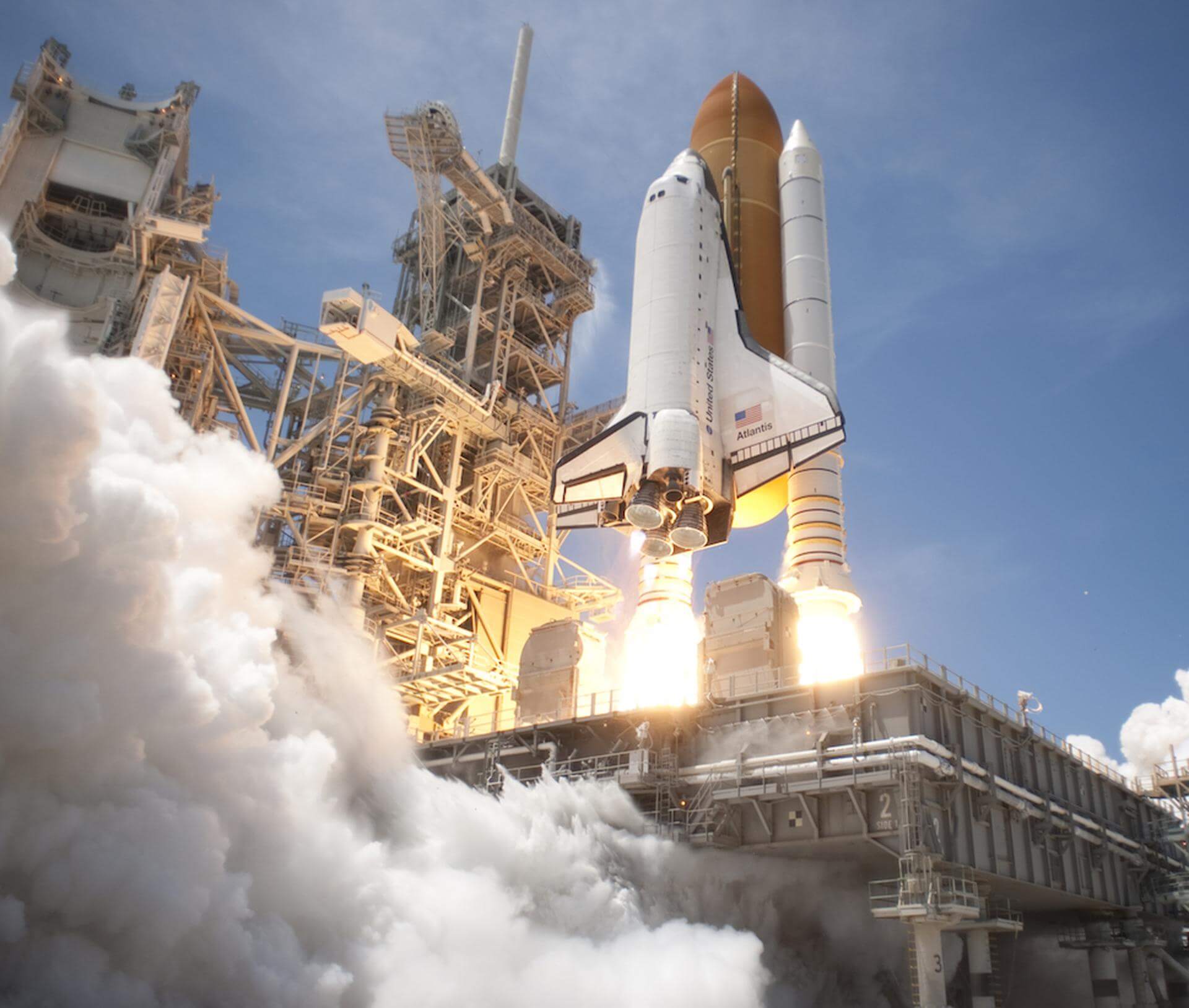
ESA's Proba-3 spacecraft lost contact last month following on-orbit anomaly. Mission requires both satellites in precise formation for solar corona science. Recovery status uncertain.

Artemis II grabbed the headlines, but six other missions are quietly approaching milestones that could reshape what we know about Mercury, Mars, asteroids, exoplanets, and the Moon's south pole. Here is what is actually happening with each of them.
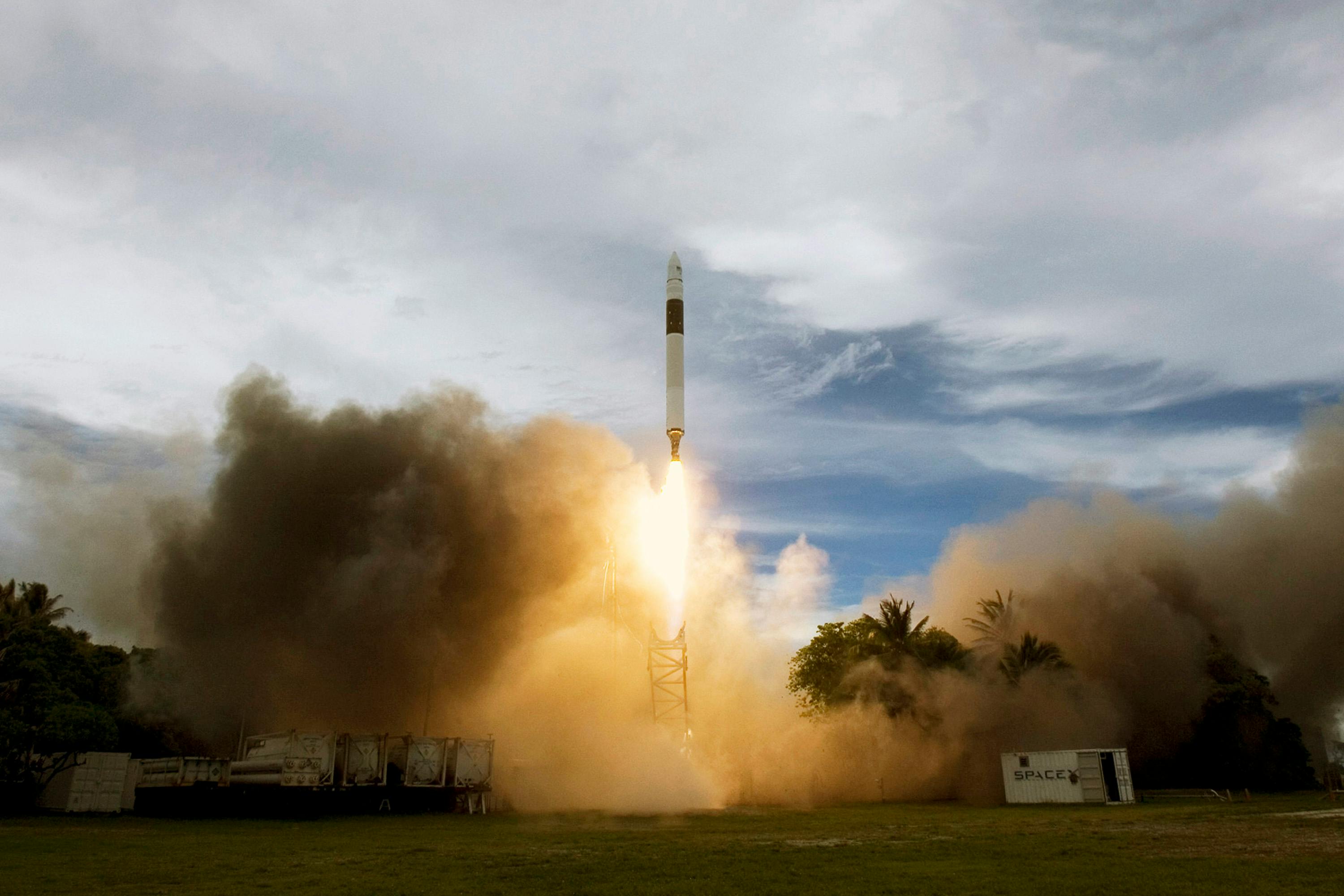
SpaceX wraps up a record-breaking year with an impressive launch count, while the Starship program looks to make significant advancements in 2025.
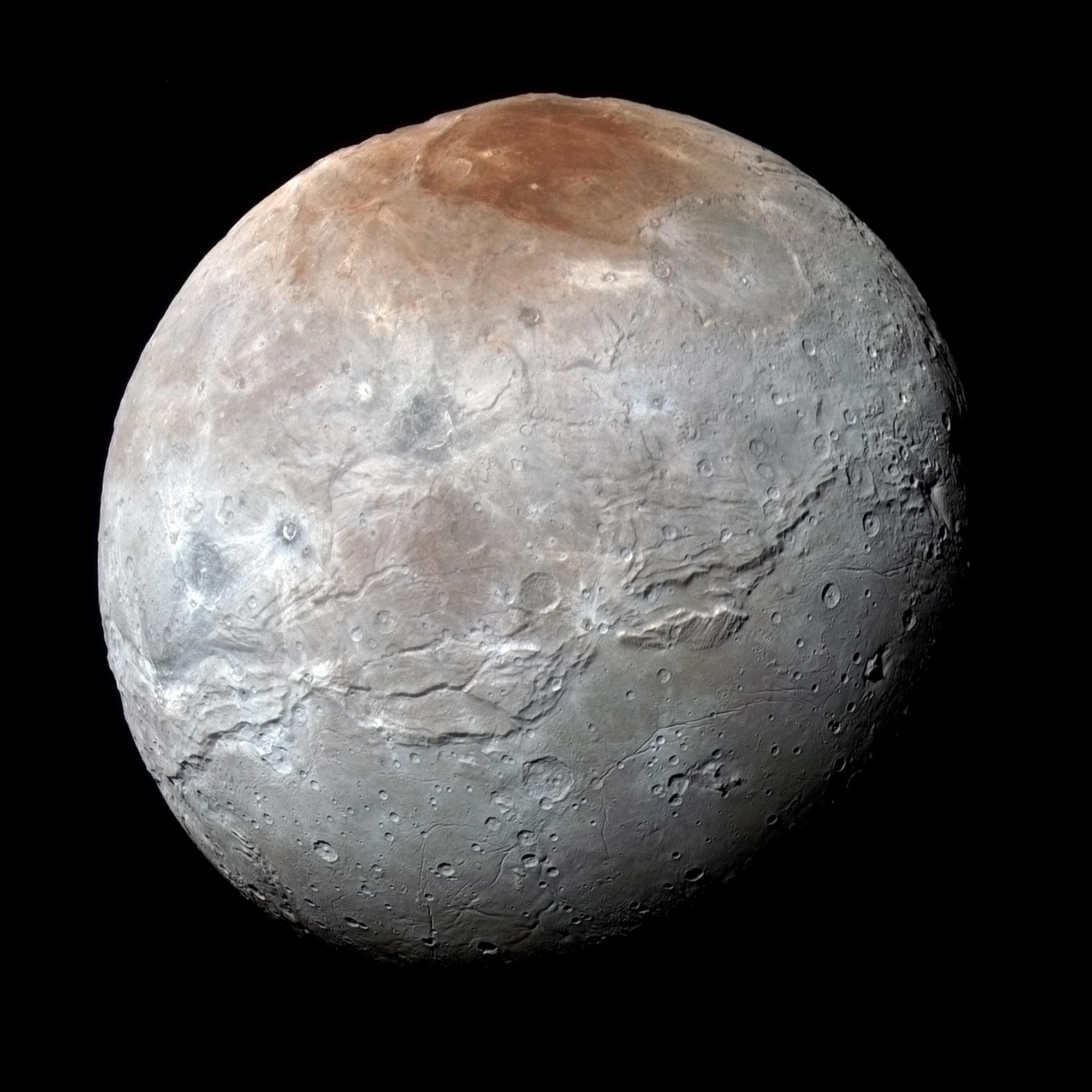
On 22 June 1978, an astronomer at the U.S. Naval Observatory looked at photographic plates that had been stamped 'image defective' and noticed a small bump on the side of Pluto. The bump was a moon, and finding it finally let astronomers weigh a planet that had fooled them for half a century.
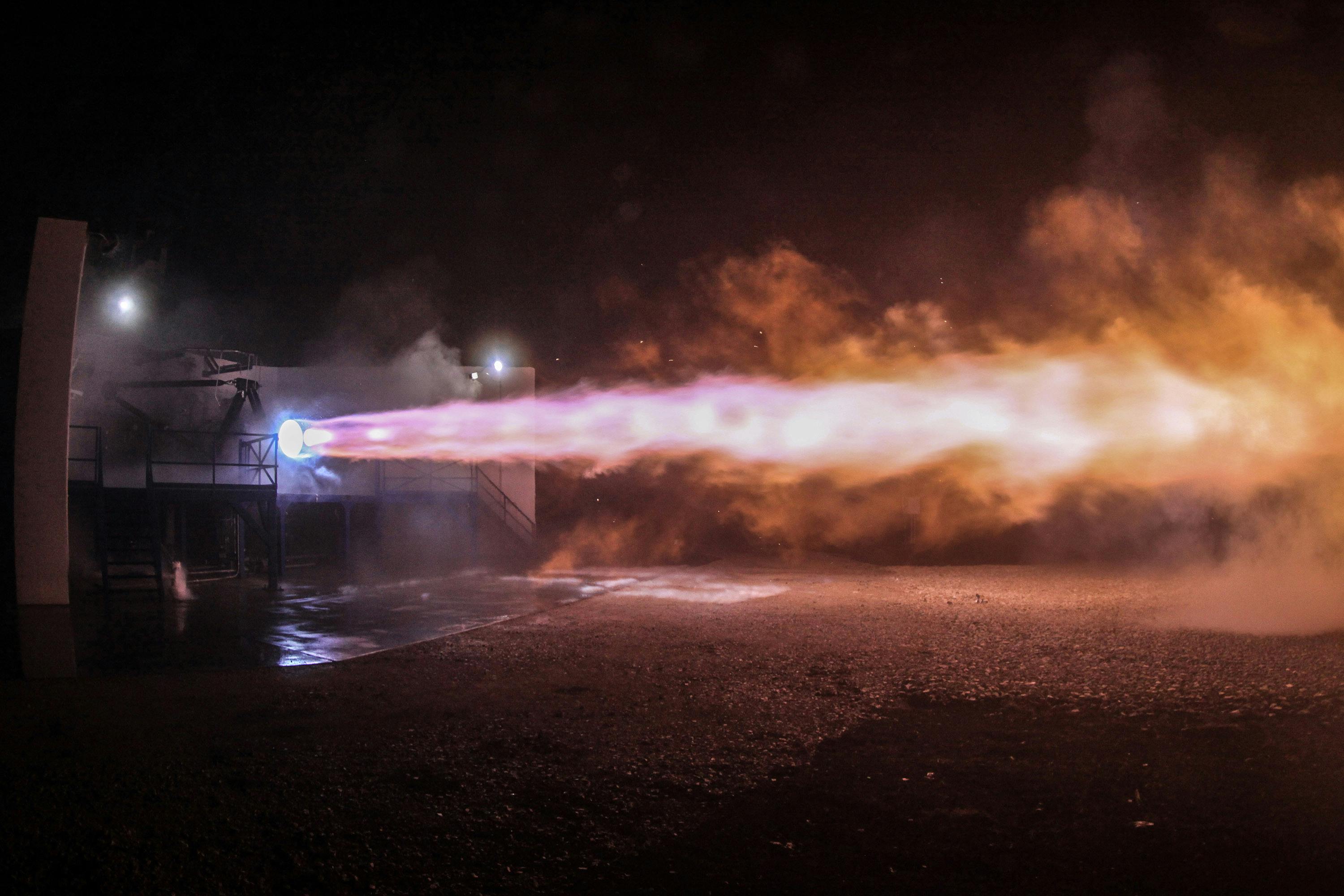
A Falcon 9 booster sets a reusability record on its 35th flight during the Starlink 10-35 mission, the constellation's 53rd dedicated launch.

Space Force issues call for launch providers at Cape Canaveral and Vandenberg. Vandenberg opens Space Launch Complex 14 bidding with Feb 12 deadline. Electra pitches hybrid aircraft to Pentagon.