


X Report 30 Oct 2025
SpaceX continues to ramp up its operations with the launch of 29 more Starlink satellites, while significant upgrades at its Starbase facility signify ambitious future plans.


![COSMOS 2492 [GLONASS-M] Satellite Image](/images/sat/39620.jpg)
Launch Date
March 23, 2014
Launch Site
PLMSC
Launch Pad
LC43/4
Launch Vehicle
Soyuz-2-1B
NORAD ID
39620
International Designator
2014-012A
Epoch
Thu, 02 Jul 2026 08:30:22 GMT
Apogee
Calculating...
Perigee
Calculating...
Inclination
65.29°
Right Ascension
313.42°
Eccentricity
Calculating...
Argument of Perigee
321.15°
Period
675.73 min
Mean Motion
2.13 rev/day
Latitude
Calculating...
Longitude
Calculating...
Altitude
Calculating...
Velocity
Calculating...
Name
COSMOS 2492 [GLONASS-M]
Alternative Name
Kosmos-2492
Type
Status
Owner
VVKO/IACG
Country
Russia
Constellation
N/A
Related Satellites
Major Events
N/A
1 39620U 14012A 26183.35442912 -.00000049 00000-0 00000-0 0 9992
2 39620 65.2879 313.4204 0010246 321.1510 38.7779 2.13103547 95564
Source: Celestrak
Length
4
Diameter
1.5
Span
7.8
Dry Mass
1200
Launch Mass
1450
Shape
Cyl + Ant + 2 Pan
Radar Cross Section
6.4006
Visual Magnitude
Unknown
Color
Unknown
Material Composition
Unknown
Payload
Uragan-M No. 54L
Purpose
Navigation
Mission
Navigation
Manufacturer
RESH
Life Expectancy
7 years
Bus
Uragan
Configuration
3-Axis stabilized Uragan-M bus
Motor
?
Equipment
?
Power System
2 deployable solar arrays, batteries
ADCS
Unknown
Transmitter Frequency
Unknown
Learn more about satellites and other related topics.
SpaceX continues to ramp up its operations with the launch of 29 more Starlink satellites, while significant upgrades at its Starbase facility signify ambitious future plans.
Today's brief covers challenges in Space Force procurement, promising developments in tracking technologies, and significant budget cuts affecting military aerospace projects.

Space Force suspends all Vulcan launches pending solid rocket booster investigation. Rocket Lab scrubs HASTE hypersonic vehicle launch. Military space funding hits record highs.

SpaceX faces setbacks with Starship Flight 7 as FAA launches an investigation, while future transportation policies might impact SpaceX operations. Meanwhile, the Starlink constellation continues strong.
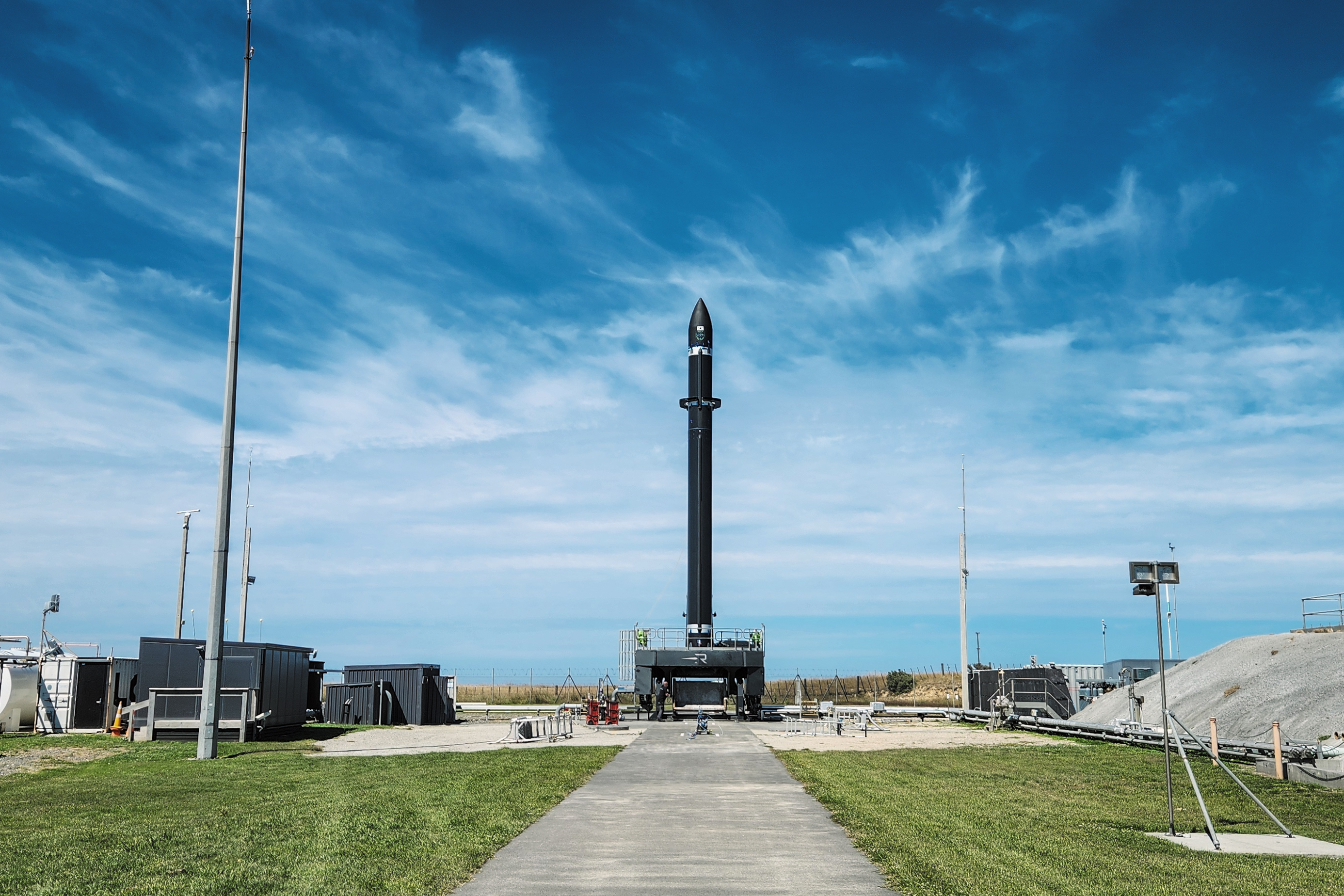
SDA awards $3.5B in contracts for 72 Tracking Layer satellites to Lockheed Martin and Rocket Lab. Terran Orbital selected for satellite bus production. Israel eyes 2026 defense growth.
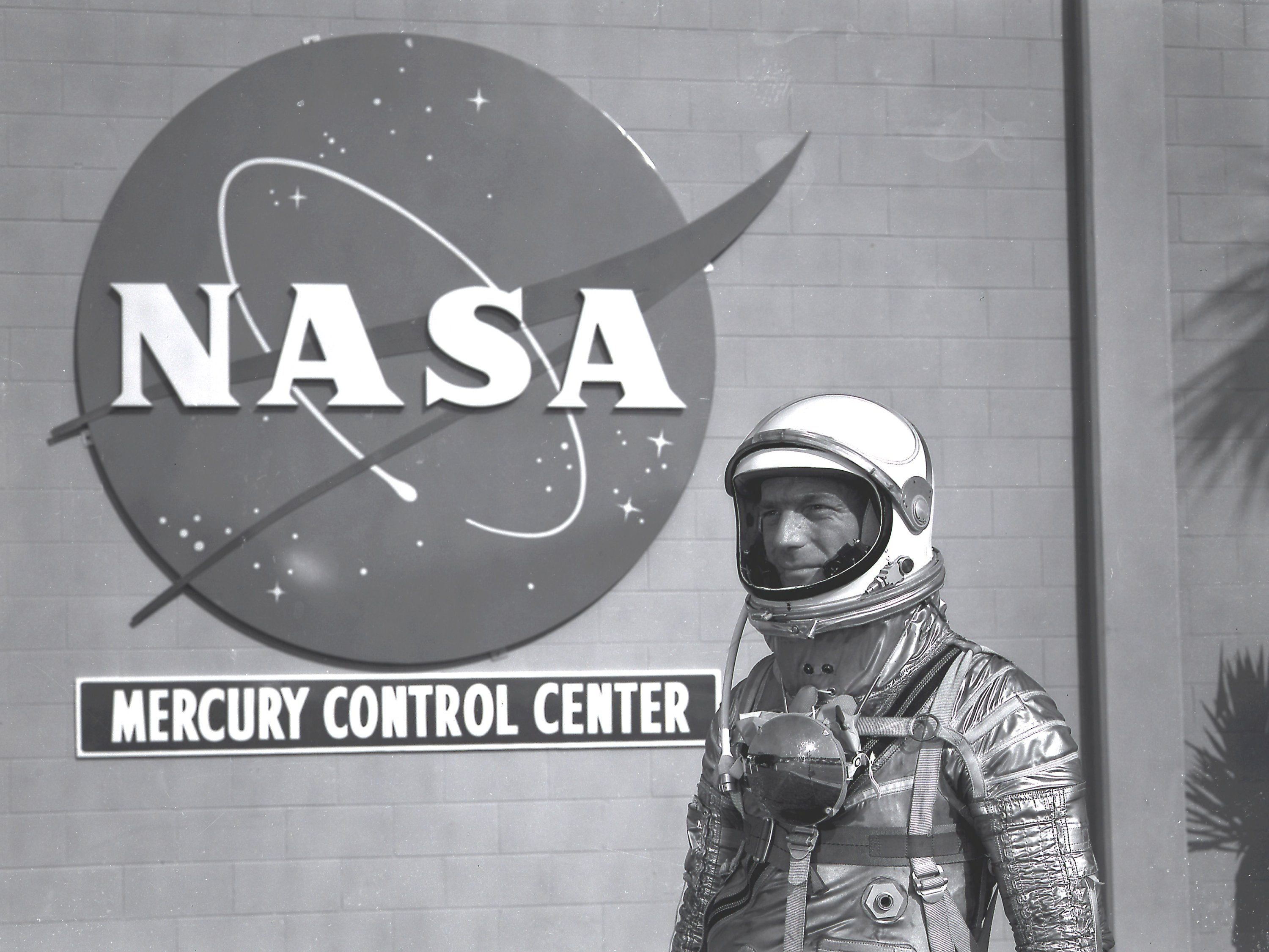
Exactly 64 years ago today, Scott Carpenter became the fourth American to orbit the Earth aboard Aurora 7. His five-hour flight produced new science, a tense reentry, and 39 minutes of silence in which the country wondered if it had just lost its astronaut.
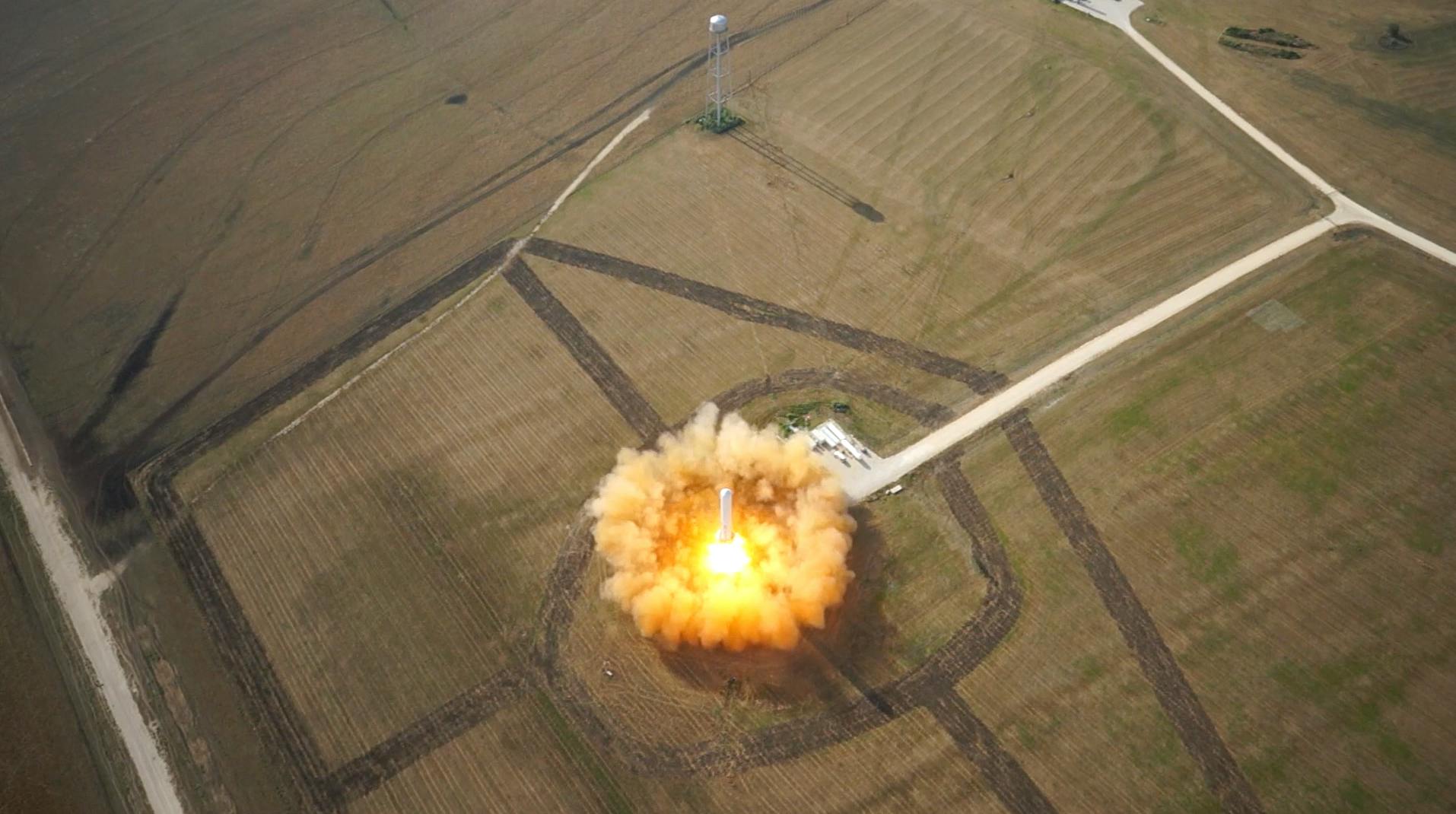
US labor board drops oversight case against SpaceX. Booster 19 completes cryogenic testing at upgraded Massey's. SpaceX IPO expected to reshape space investment landscape.
Artemis 2 splashdown marks first crewed lunar flyby since Apollo 17 in 1972. Four astronauts completed historic mission, validating systems for Artemis 3 landing attempt.