


Space Brief 10 Jul 2025
Today's highlights include strategic shifts in the defense sector, innovations in solar technology for space, and developments in satellite-related military projects.


Launch Date
February 27, 2014
Launch Site
TANSC
Launch Pad
Y
Launch Vehicle
H-IIA 202
NORAD ID
39577
International Designator
2014-009F
Decay Date
9/2/2014
Name
INVADER (CO-77)
Alternative Name
Cubesat-OSCAR-77
Type
Status
Owner
TAMA
Country
Japan
Constellation
N/A
Related Satellites
Major Events
N/A
Length
0.1
Diameter
0.1
Span
0.2
Dry Mass
1
Launch Mass
1
Shape
Box
Radar Cross Section
0.054
Visual Magnitude
Unknown
Color
Unknown
Material Composition
Unknown
Payload
Invader
Purpose
Art, amateur communications
Mission
Art, amateur communications
Manufacturer
TAMA
Life Expectancy
Unknown
Bus
Cubesat 1U
Configuration
CubeSat (1U)
Motor
None
Equipment
Unknown
Power System
Solar cells, batteries
ADCS
Unknown
Transmitter Frequency
Unknown
Learn more about satellites and other related topics.
Today's highlights include strategic shifts in the defense sector, innovations in solar technology for space, and developments in satellite-related military projects.
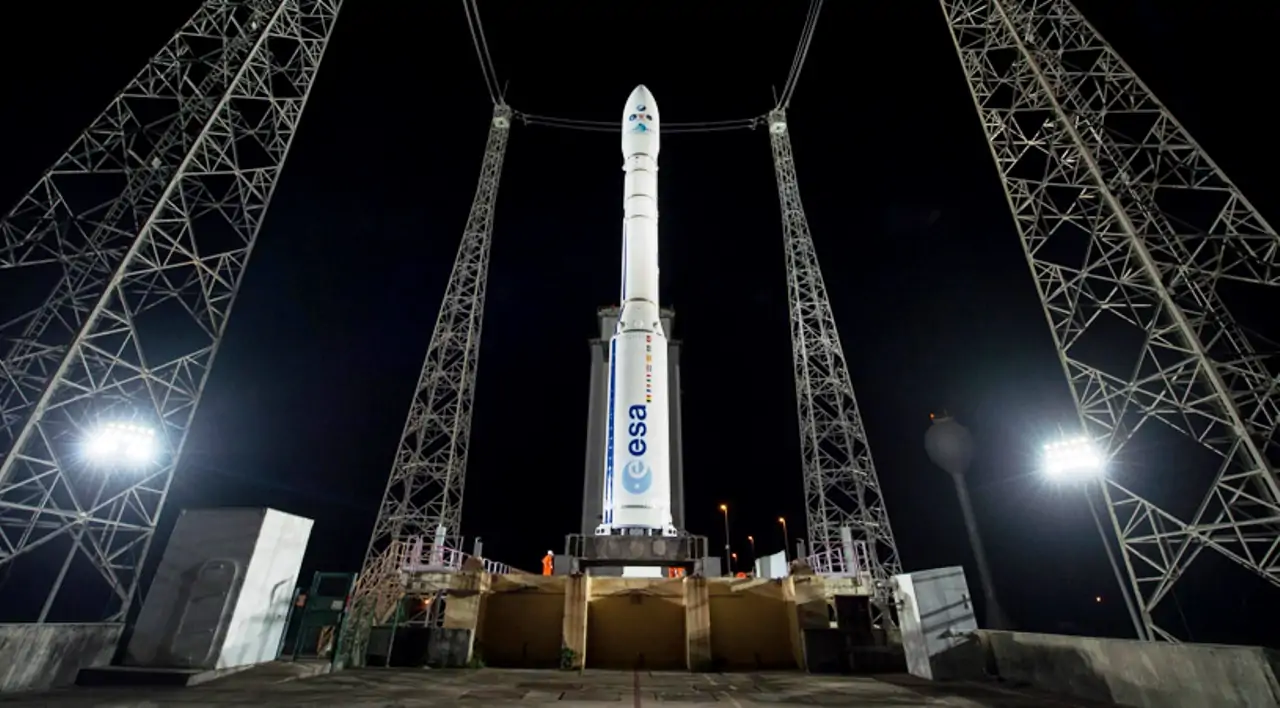
Thirteen years ago, a new rocket lifted off from the edge of the Amazon rainforest, marking Europe's entry into the small satellite launch market and carrying the dreams of university students across a continent
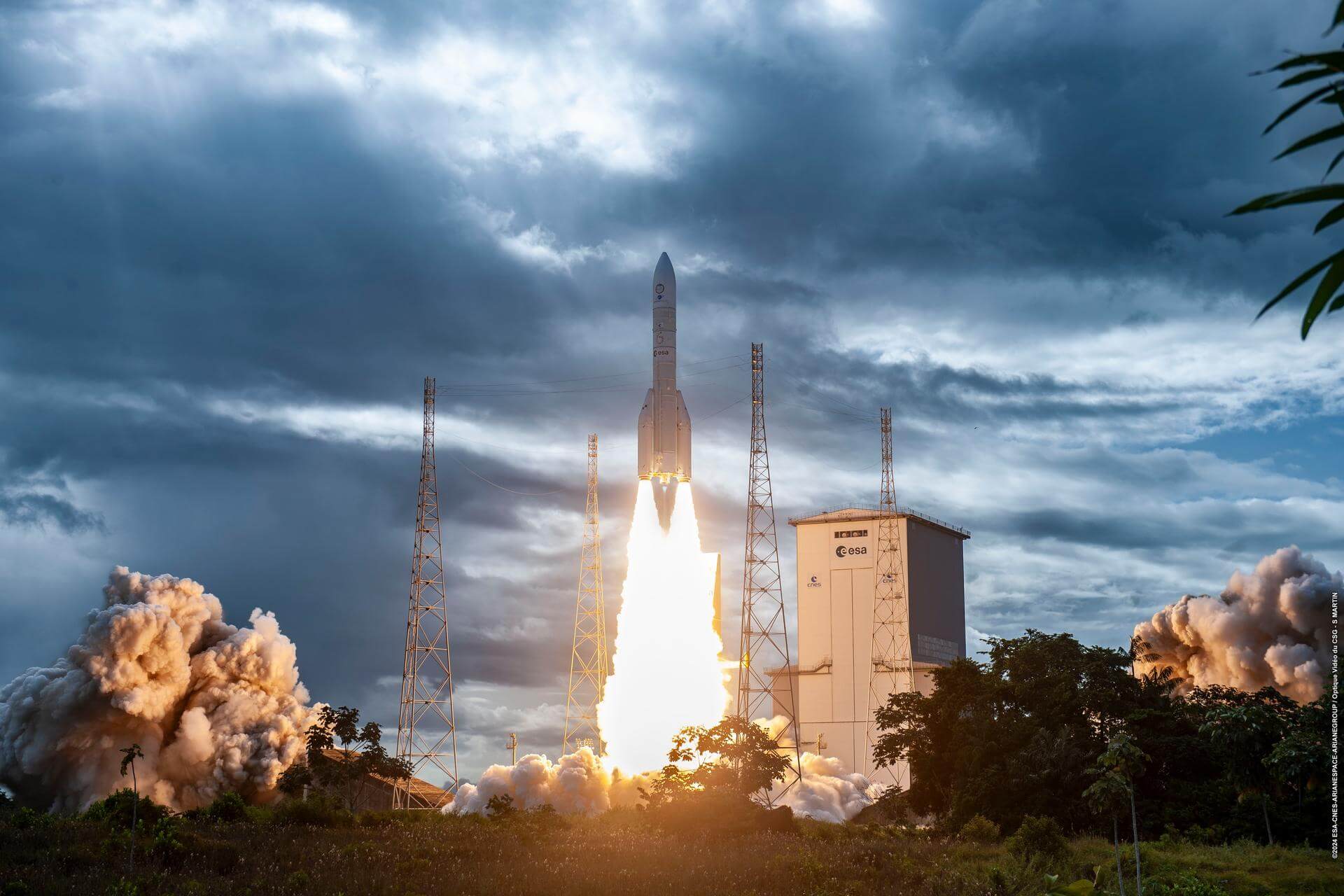
Today's highlights include new satellite launches by SpaceX, technical hiccups for an Indian navigation satellite, and insights into the future of satellite servicing.
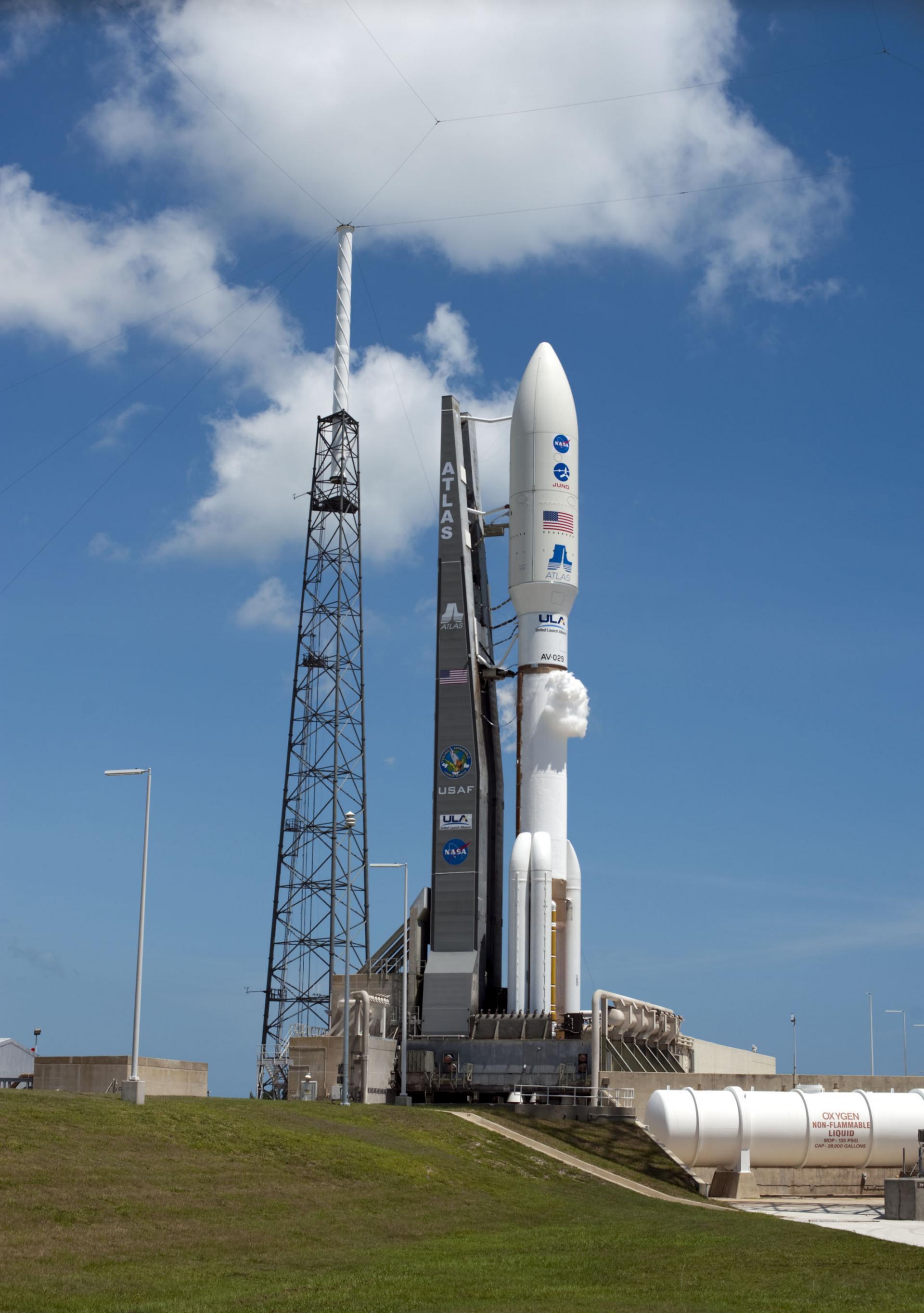
Today's Space Brief covers major developments in Pentagon procurement methods, strategic satellite intelligence advancements, and increasing interest in drone technology within the defense sector.
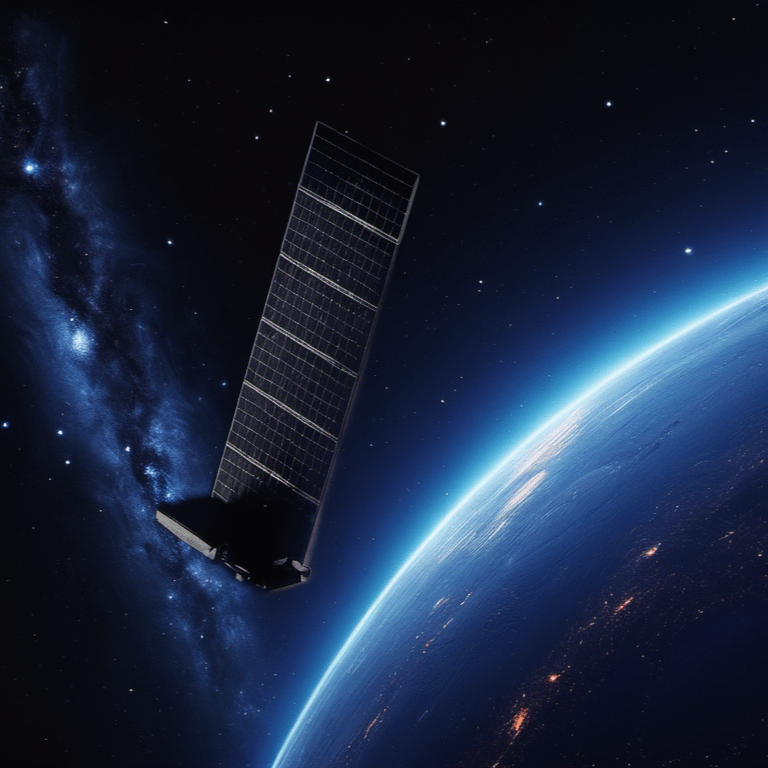
This article delves into SpaceX's incredible journey from its inception to becoming a space industry leader, and its Starlink project's mission to provide global internet access.
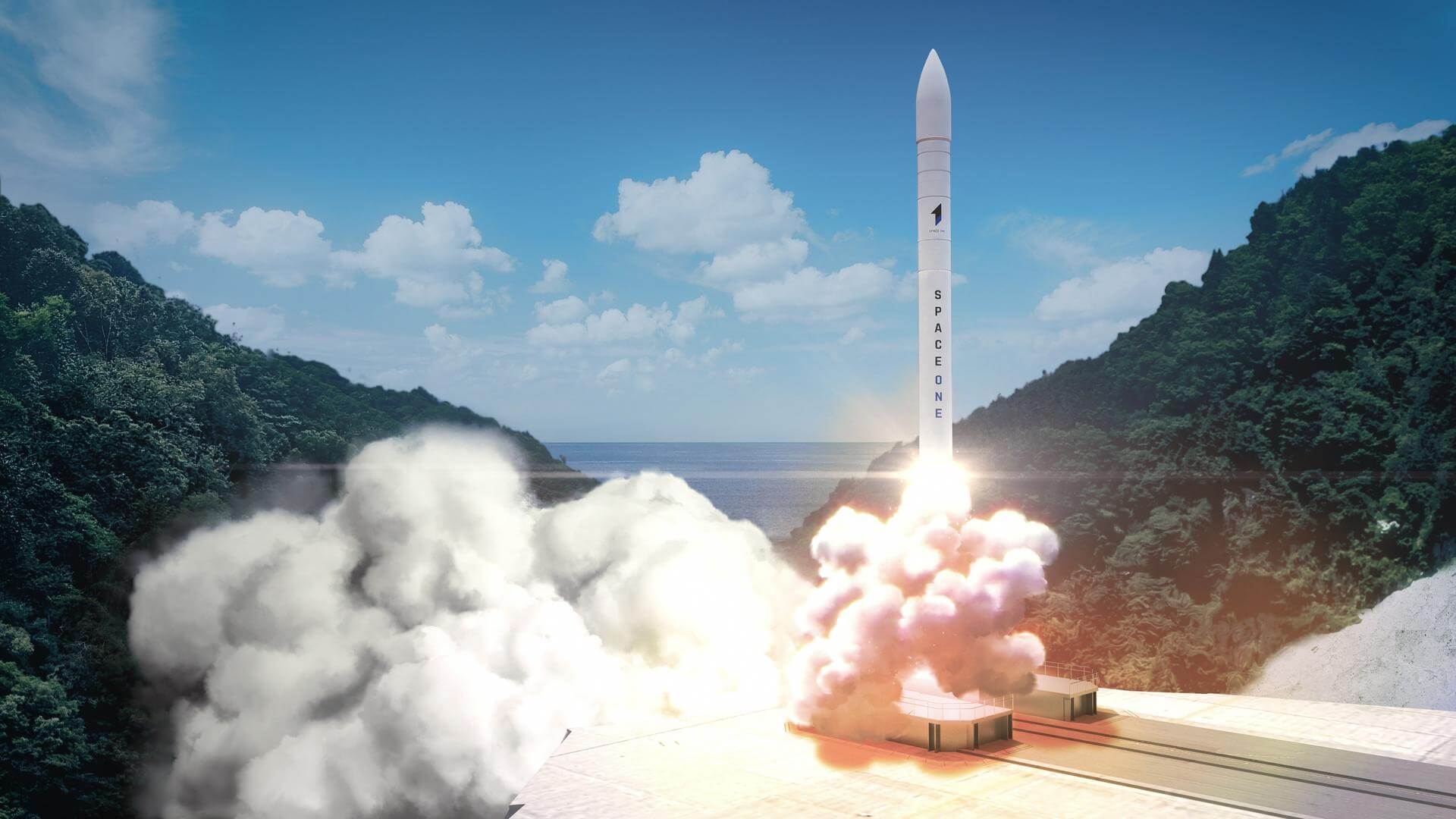
Today's brief covers significant advancements in materials technology for space applications, a U.S. Navy contract for rocket production facilities, and NATO's upcoming classified cloud system.
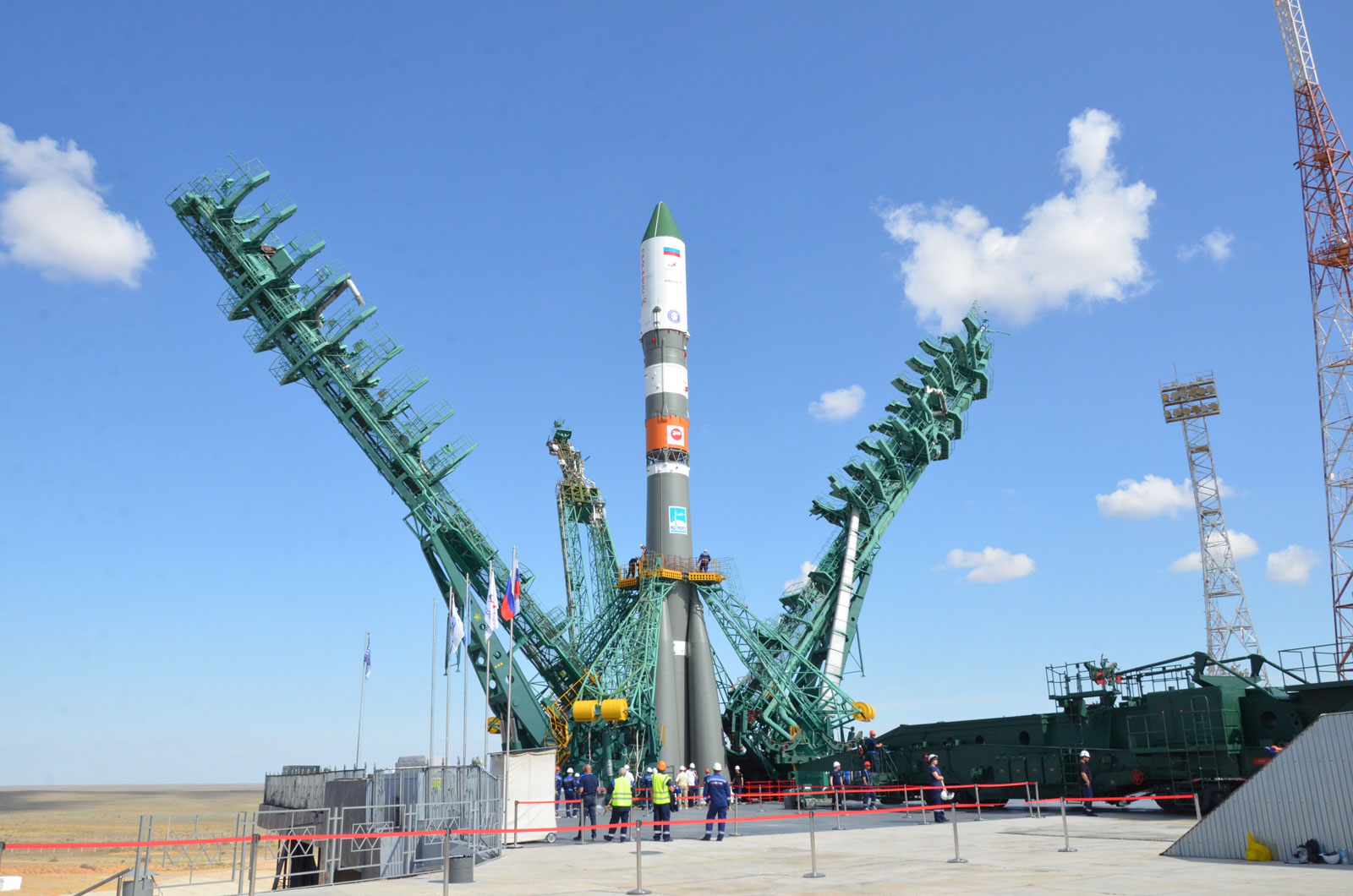
Northrop Grumman takes $71M charge over Vulcan solid rocket booster anomaly, grounding ULA's vehicle. Vulcan manifest timelines now in holding pattern pending resolution.
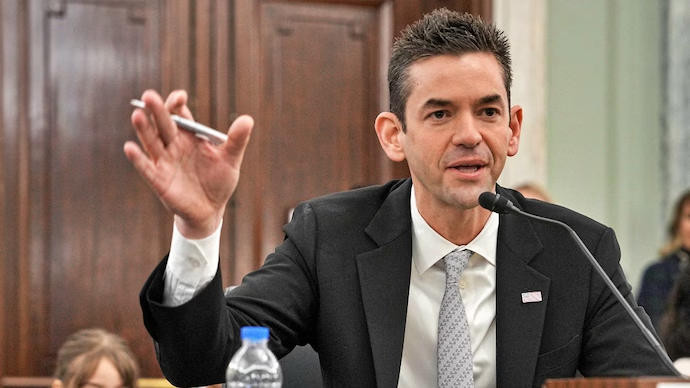
The White House wants to cut NASA's science budget nearly in half for the second year running. Administrator Jared Isaacman says it's enough. Congress already rejected this exact idea once.