FLOCK 1-18 (39556)

COSPAR: 1998-067DZ | Alt Name: Flock 1-18
DECAYED

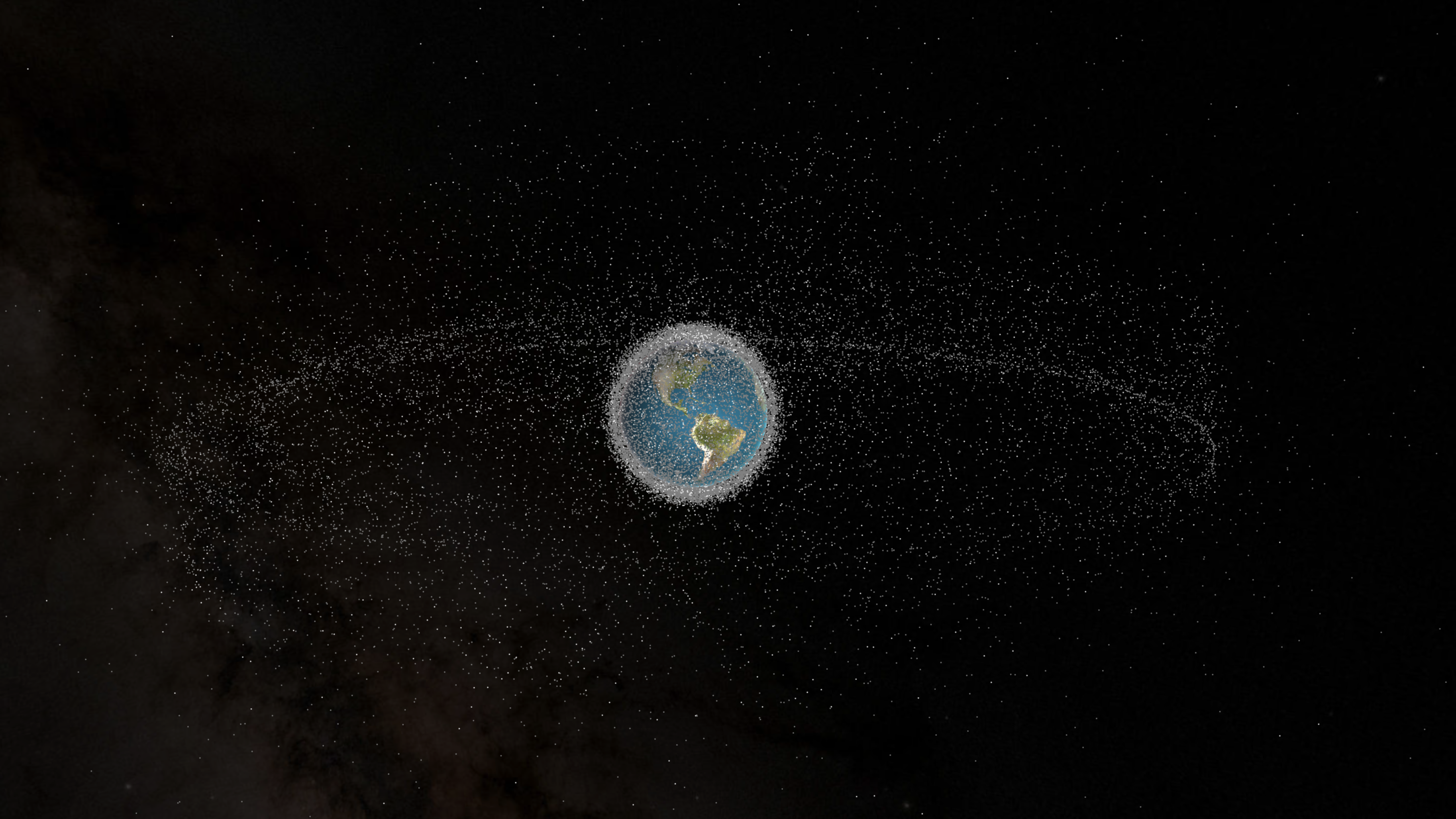
Image
FLOCK 1-18 Satellite Image
Additional Sources
Launch Details

Launch Date

November 20, 1998

Launch Pad

Pad 0A

Launch Vehicle

Antares 120

Orbital Elements

NORAD ID

39556

International Designator

1998-067DZ

Decay Date

10/29/2014

Basic Satellite Info

Name

FLOCK 1-18

Alternative Name

Flock 1-18

Type

Payload

Status

Decayed

Owner

PLABS

Country

United States

Constellation

N/A

Related Satellites

Major Events

N/A

Summary
FLOCK 1-18 is a CubeSat (3U) satellite owned and operated by Planet Labs (PLABS), originating from the United States. It was launched on November 20, 1998, from the Mid-Atlantic Regional Spaceport (TYMSC) using an Antares 120 launch vehicle from Pad 0A. The satellite measures 0.3 meters in length and has a diameter of 0.1 meters with a span of 0.3 meters. It has a dry mass of 4.25 kilograms, which is the same as its launch mass. Equipped with solar cells and batteries for power, FLOCK 1-18 carries an imaging payload designated as PS0, PS1, or PS2. Its purpose is technology demonstration, and it was designed to operate in orbit for approximately one year when placed in a low Earth orbit (LEO), and potentially up to three years when in Sun-Synchronous Orbit (SSO). The satellite has no propulsion system except for certain variants that may incorporate Field Effect Electric Propulsion (FEEP) technology.
Physical Characteristics

Length

0.3

Diameter

0.1

Span

0.3

Dry Mass

4.25

Launch Mass

4.25

Shape

Box+2 pan

Radar Cross Section

0.06

Visual Magnitude

Unknown

Color

Unknown

Material Composition

Unknown

Technical Details

Payload

Dove 0734

Purpose

Technology

Mission

Technology

Manufacturer

PLABS

Life Expectancy

~ 1 year (ISS orbit); 2-3 years (SSO)

Bus

Cubesat 3U

Configuration

CubeSat (3U)

Motor

None (most); FEEP (#Flock-3p')

Equipment

PS0, PS1 or PS2 imaging payload

Power System

Solar cells, batteries

ADCS

Unknown

Transmitter Frequency

Unknown

Satellite Articles

View All Posts »

Learn more about satellites and other related topics.

SDA Awards $3.5B Tracking Layer Contracts to Lockheed, Rocket Lab | KeepTrack Space Brief

SDA Awards $3.5B Tracking Layer Contracts to Lockheed, Rocket Lab | KeepTrack Space Brief

SDA awards $3.5B in contracts for 72 Tracking Layer satellites to Lockheed Martin and Rocket Lab. Terran Orbital selected for satellite bus production. Israel eyes 2026 defense growth.

X Report 1 Apr 2025

X Report 1 Apr 2025

SpaceX launches its first crewed mission over Earth's poles and FAA concludes investigation into the Starship Flight 7 incident.

Vulcan GEM 63XL Passes Static Fire; February Anomaly Still Under Investigation | KeepTrack Space Brief

Vulcan GEM 63XL Passes Static Fire; February Anomaly Still Under Investigation | KeepTrack Space Brief

Northrop Grumman's GEM 63XL solid rocket booster passed static fire testing, but ULA's investigation into a February 2026 Vulcan in-flight anomaly remains open. No RTF date set.

Second Starlink Debris Anomaly in 3 Months | KeepTrack X Report

Second Starlink Debris Anomaly in 3 Months | KeepTrack X Report

A second Starlink satellite malfunction in just over three months has generated on-orbit debris, raising fresh questions about SpaceX's 10,151-strong working constellation.

X Report 24 Jun 2025

X Report 24 Jun 2025

SpaceX successfully launched the Transporter-14 mission, adding multiple payloads, including Canadian satellites and a memorial capsule, while Starlink expands its services in Vietnam and enhances T-Mobile's reach.

SpaceX Resumes Starlink Deployments After Satellite Issues | KeepTrack X Report

SpaceX Resumes Starlink Deployments After Satellite Issues | KeepTrack X Report

SpaceX launches 29 Starlink satellites in first deployment since recent satellite issues. Falcon 9 also delivers Italy's COSMO-SkyMed CSG-FM3 from Vandenberg. Starship plans solidified for 2026.

X Report 31 Jan 2025

X Report 31 Jan 2025

SpaceX's Starlink sparks market shifts and celestial awe as iPhones gain new connectivity and a satellite ignites the night sky.

Understanding Space Debris

Understanding Space Debris

From shattered satellites to exploded rocket stages, space debris poses a growing risk to satellites, space stations, and astronauts. Here's a deep dive into what causes space debris, notable generating events, and what we're doing about it.