

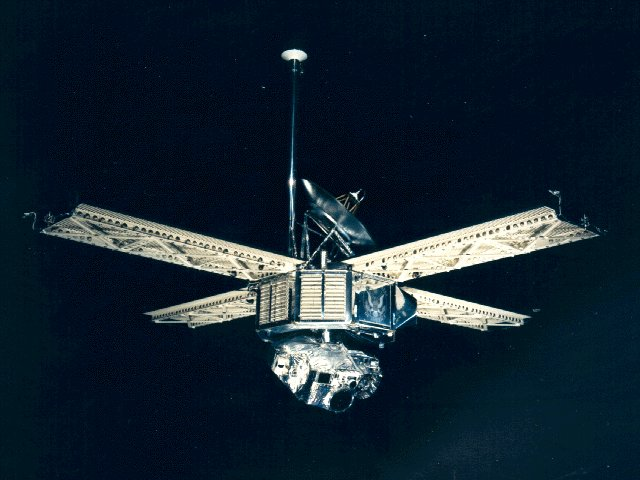
The Day America Gained New Eyes on Mars
Fifty-six years ago, a revolutionary spacecraft launched toward the Red Planet after being saved from disaster by two quick-thinking technicians who risked their lives to prevent a rocket collapse


Launch Date
November 20, 1998
Launch Site
Launch Pad
Pad 0A
Launch Vehicle
Antares 120
NORAD ID
39525
International Designator
1998-067DQ
Decay Date
7/6/2014
Name
FLOCK 1-9
Alternative Name
Flock 1-13
Type
Status
Owner
PLABS
Country
United States
Constellation
N/A
Related Satellites
Major Events
N/A
Length
0.3
Diameter
0.1
Span
0.3
Dry Mass
4.25
Launch Mass
4.25
Shape
Box+2 pan
Radar Cross Section
0.0701
Visual Magnitude
Unknown
Color
Unknown
Material Composition
Unknown
Payload
Dove 0737
Purpose
Technology
Mission
Technology
Manufacturer
PLABS
Life Expectancy
~ 1 year (ISS orbit); 2-3 years (SSO)
Bus
Cubesat 3U
Configuration
CubeSat (3U)
Motor
None (most); FEEP (#Flock-3p')
Equipment
PS0, PS1 or PS2 imaging payload
Power System
Solar cells, batteries
ADCS
Unknown
Transmitter Frequency
Unknown
Learn more about satellites and other related topics.
Fifty-six years ago, a revolutionary spacecraft launched toward the Red Planet after being saved from disaster by two quick-thinking technicians who risked their lives to prevent a rocket collapse

Today's brief covers the U.S. Space Force's new international strategy, Northrop Grumman's Golden Dome project, and ULA's Vulcan launches, alongside military budget priorities.
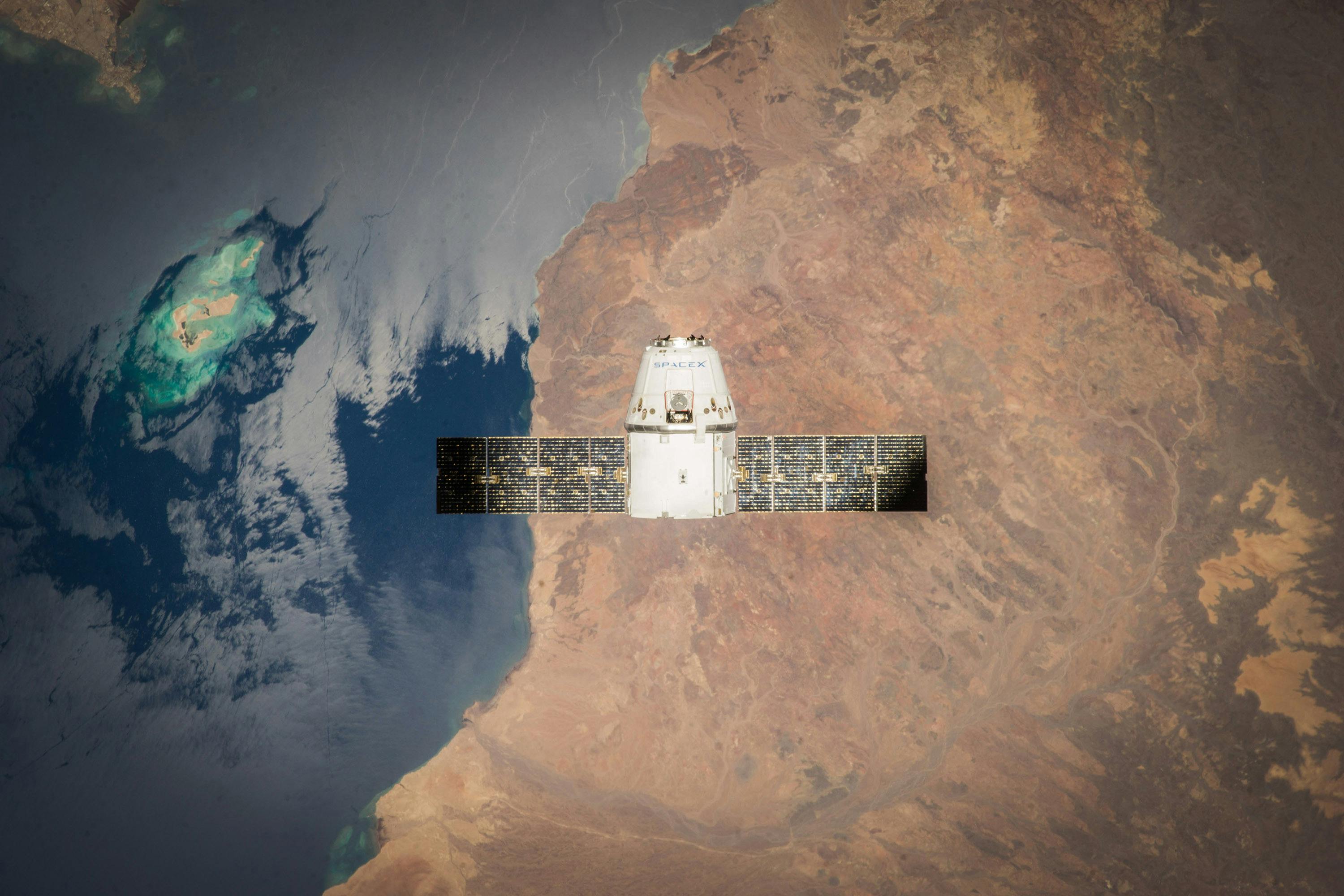
SpaceX sees another successful Starlink launch and faces strategic contract discussions as NASA pivots to reliable Dragon missions.
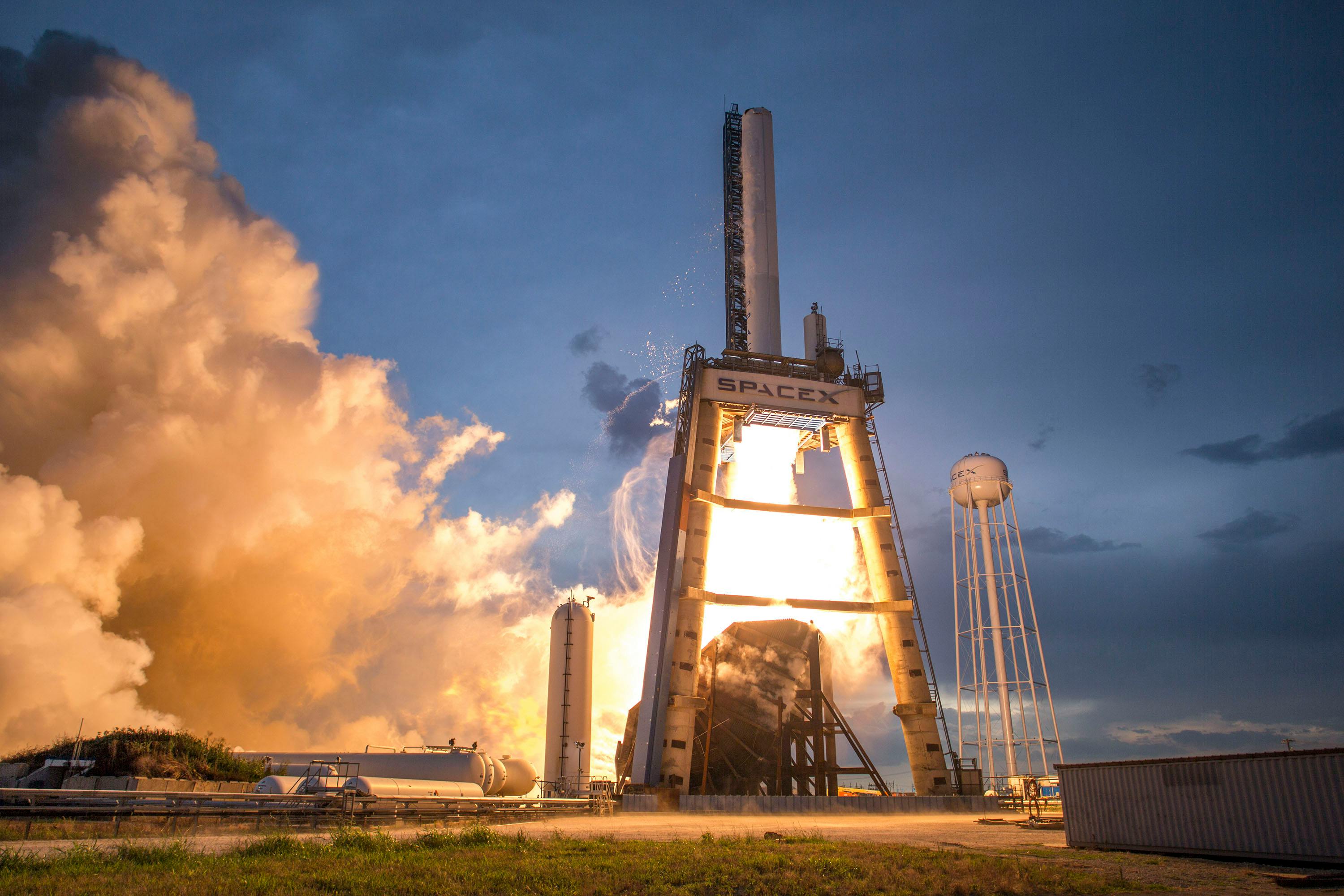
SpaceX wins a $4.16B Pentagon contract for missile-tracking satellites, while hitting its 50th Starlink launch of 2026 in a landmark May.
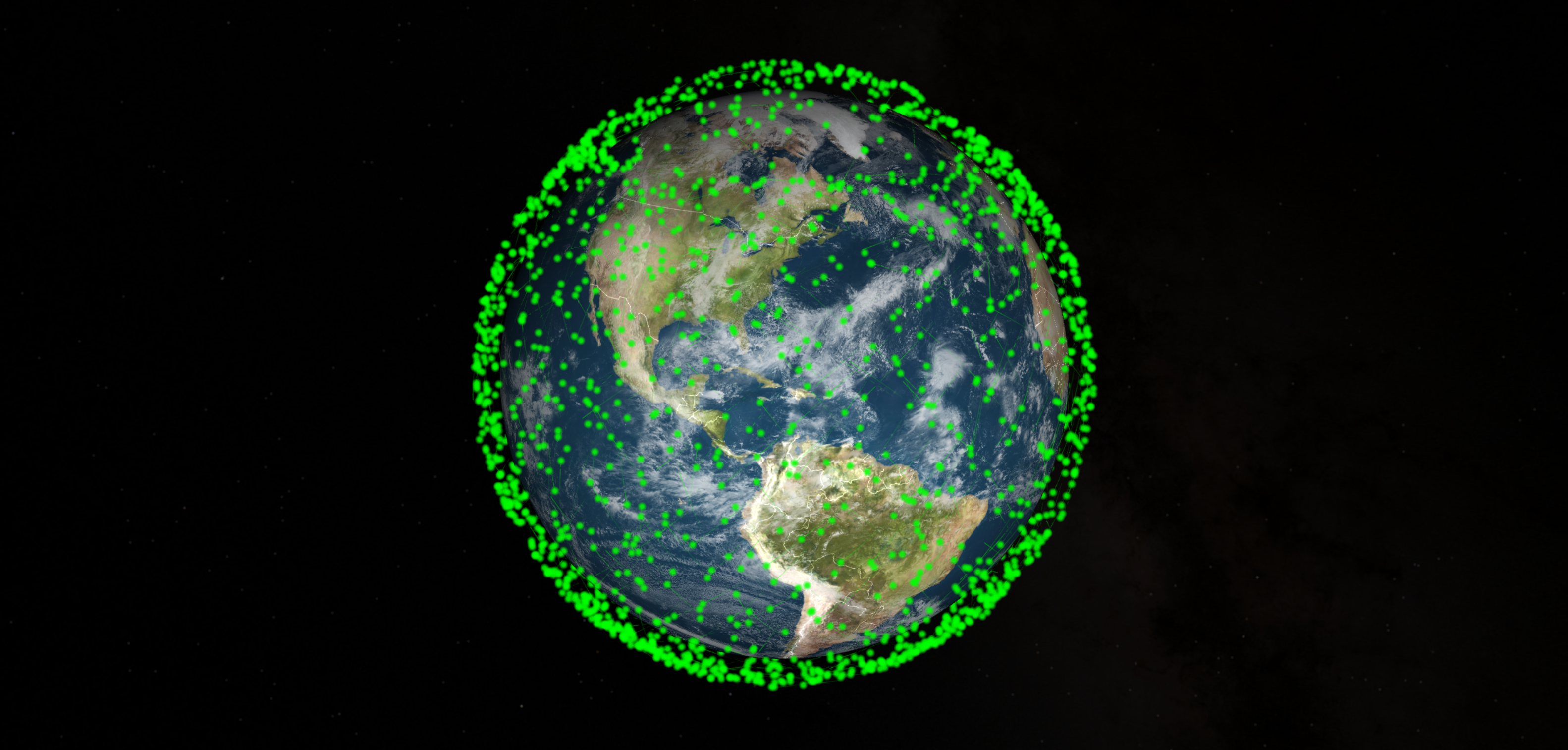
SpaceX quietly built the world's largest 4G network without a single cell tower. Over 650 satellites now connect standard smartphones directly from orbit, and most people carrying compatible phones don't know the service exists.

SpaceX successfully launched the Sentinel-6B satellite, marking a significant milestone as its 500th mission with a reused rocket, furthering global sea level monitoring efforts.

Key highlights on China's reusable rocket developments, U.S. military's Tranche 1 satellite launch, Space Force's weapons acquisition strategies, and more.

Forty-one years ago, astronaut Bruce McCandless II became the first human to float completely free in space, pushing the boundaries of both technology and human courage