

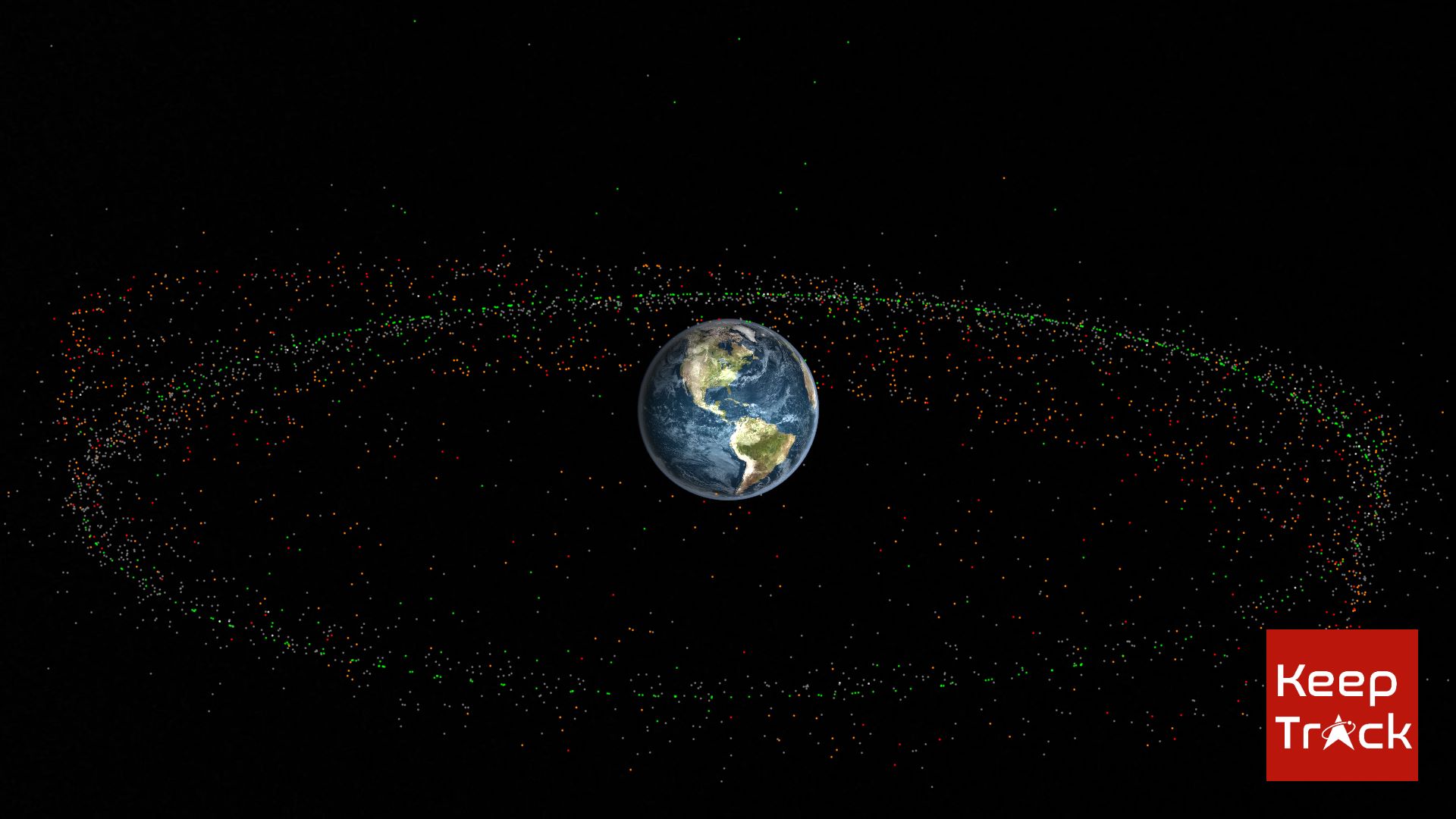
Geosynchronous Orbit (GEO)
Understanding the unique orbital sweet spot that keeps satellites perfectly positioned above Earth


Launch Date
December 19, 2013
Launch Site
FRGUI
Launch Pad
ELS
Launch Vehicle
Soyuz-ST-B
NORAD ID
39479
International Designator
2013-074A
Decay Date
Unknown
Name
GAIA
Alternative Name
Gaia
Type
Status
Owner
ESA
Country
European Space Agency
Constellation
N/A
Related Satellites
Major Events
N/A
Length
4
Diameter
3
Span
9.5
Dry Mass
1392
Launch Mass
1934
Shape
Hex cyl + disk
Radar Cross Section
Unknown
Visual Magnitude
Unknown
Color
Unknown
Material Composition
Unknown
Payload
Gaia
Purpose
Astrometry
Mission
Astrometry
Manufacturer
ASTT
Life Expectancy
5 years (design); still active
Bus
Gaia
Configuration
Unknown
Motor
AOCS
Equipment
2 Astro telescopes, 1 Spectro telescope
Power System
Solar cells, batteries
ADCS
Unknown
Transmitter Frequency
Unknown
Learn more about satellites and other related topics.
Understanding the unique orbital sweet spot that keeps satellites perfectly positioned above Earth
DARPA's accidental SpaceX detection highlights Earth as a natural sensor, while SpaceX's Fram2 launches into a polar orbit. Helsinki's defense budget rise hints at increased military satellite activity.

Discover the history and significance of Two-Line Element Sets (TLEs) in satellite tracking. Dive into their components, applications, and how they are evolving to meet future space challenges.
Today's updates cover Rocket Lab's launch for the U.S. Space Force, Digantara's major funding round, and discussions on national security in space.
Today's Space Brief covers key topics including new defense mandates for space, Firefly Aerospace's public filing, major funding for Varda Space Industries, and updates on SpaceX's Crew-11 mission and a mystery satellite launch.

Today's briefing covers SpaceX's ambitious launch and temporary setback with their Super Heavy booster, adjustments in South African telecommunications laws influenced by Starlink, and the U.S. Navy's strategic shifts amidst changes in unmanned combatant acquisitions.
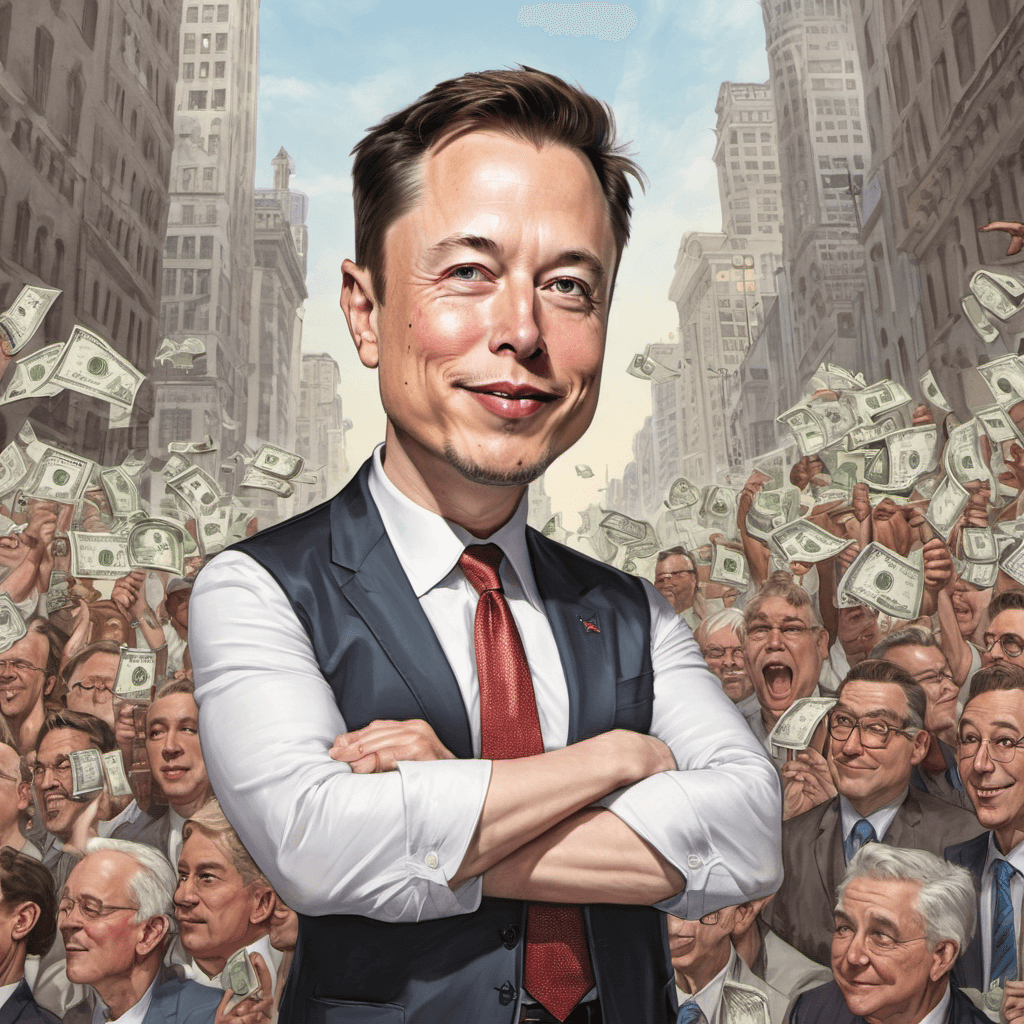
As SpaceX continues to make groundbreaking advancements in the space industry, investors are eagerly anticipating the company's potential IPO. Learn about the factors influencing SpaceX's decision to go public and the estimated timeline for this highly anticipated event.

SpaceX faces weather challenges as it scrubs the launch of its 3,000th Starlink satellite. Meanwhile, Elon Musk discusses advancing to a Type II civilization in an engaging social media post.