


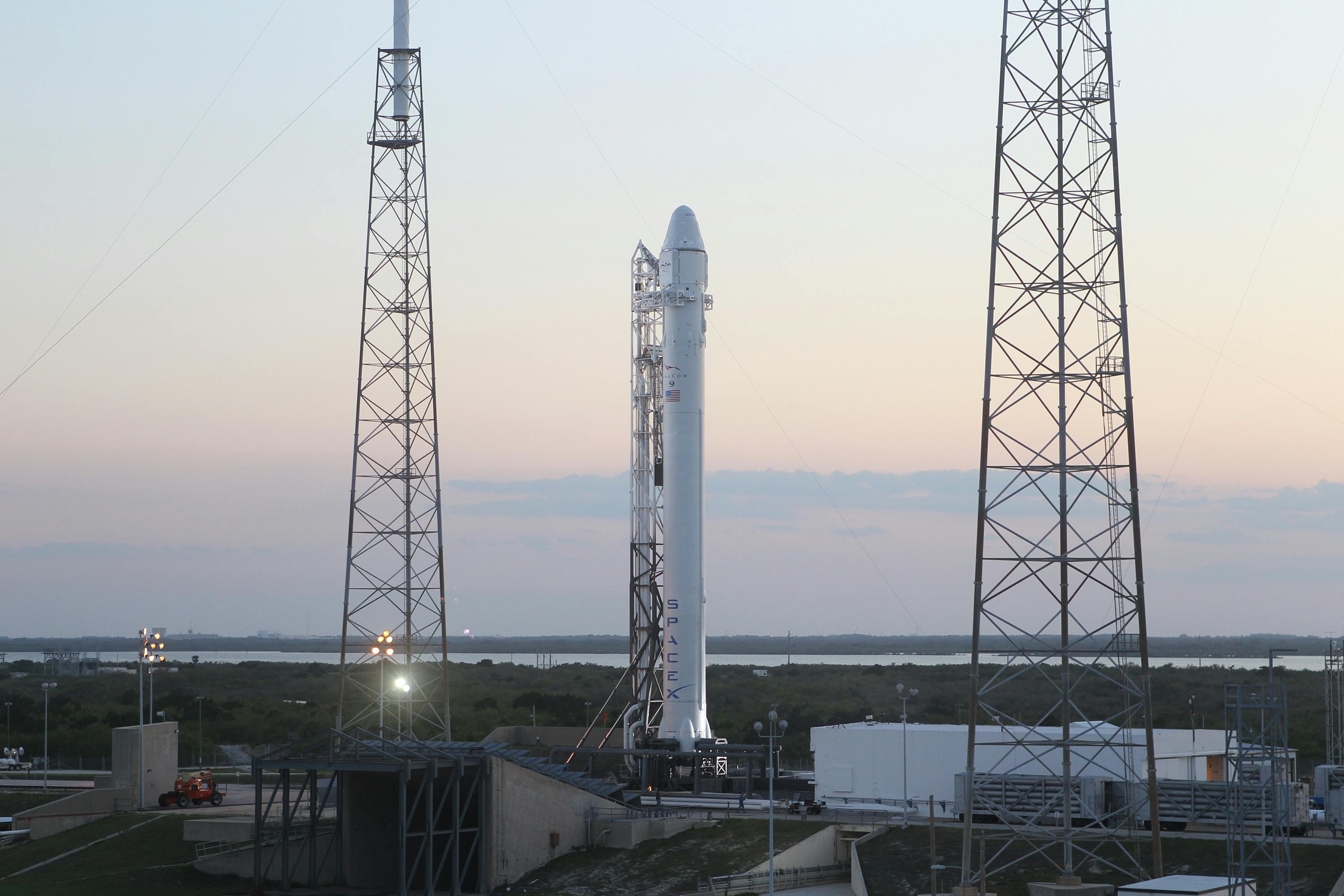
Starship V3 Targets May 19 Debut; FCC OKs $2.4B Spectrum Deal | KeepTrack X Report
SpaceX targets May 19 for Starship V3's first flight from Pad 2 as the FCC approves a $2.4B EchoStar spectrum deal for Starlink D2D.


Launch Date
November 21, 2013
Launch Site
DLS
Launch Pad
Sh370/13
Launch Vehicle
Dnepr
NORAD ID
39417
International Designator
2013-066B
Epoch
Fri, 03 Jul 2026 22:29:51 GMT
Apogee
Calculating...
Perigee
Calculating...
Inclination
97.80°
Right Ascension
147.36°
Eccentricity
Calculating...
Argument of Perigee
191.41°
Period
95.92 min
Mean Motion
15.01 rev/day
Latitude
Calculating...
Longitude
Calculating...
Altitude
Calculating...
Velocity
Calculating...
Name
ZACUBE-1 (TSHEPISOSAT)
Alternative Name
TshepisoSat
Type
Status
Owner
CPUT
Country
South Africa
Constellation
N/A
Related Satellites
Major Events
N/A
1 39417U 13066B 26184.93739966 .00003964 00000-0 30713-3 0 9992
2 39417 97.8036 147.3589 0043122 191.4127 168.6124 15.01282961683249
Source: Celestrak
Length
0.1
Diameter
0.1
Span
0.1
Dry Mass
1.2
Launch Mass
1.2
Shape
Box
Radar Cross Section
0.069
Visual Magnitude
Unknown
Color
Unknown
Material Composition
Unknown
Payload
ZACUBE-1
Purpose
Technology
Mission
Technology
Manufacturer
CPUT
Life Expectancy
Unknown
Bus
Cubesat 1U
Configuration
CubeSat (1U)
Motor
None
Equipment
Unknown
Power System
Solar cells, batteries
ADCS
Unknown
Transmitter Frequency
Unknown
Learn more about satellites and other related topics.
SpaceX targets May 19 for Starship V3's first flight from Pad 2 as the FCC approves a $2.4B EchoStar spectrum deal for Starlink D2D.

Today's brief covers defense industry dynamics, advancements in quantum sensor technology, and geopolitical challenges impacting military space operations.
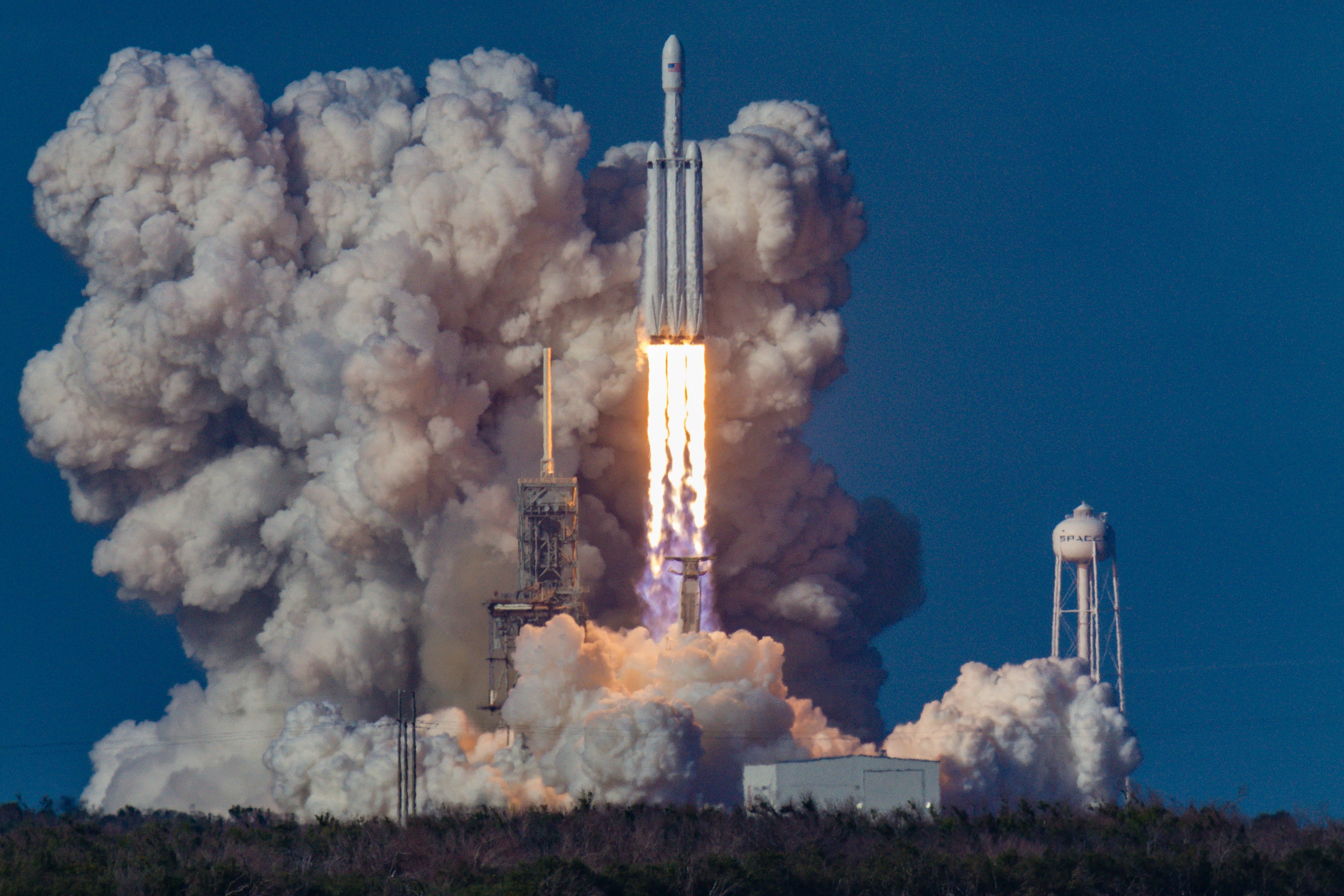
SpaceX's Falcon 9 rockets propel space exploration and connectivity forward with a moon landing mission, Starlink deployment, and readiness for another Starship launch trial.
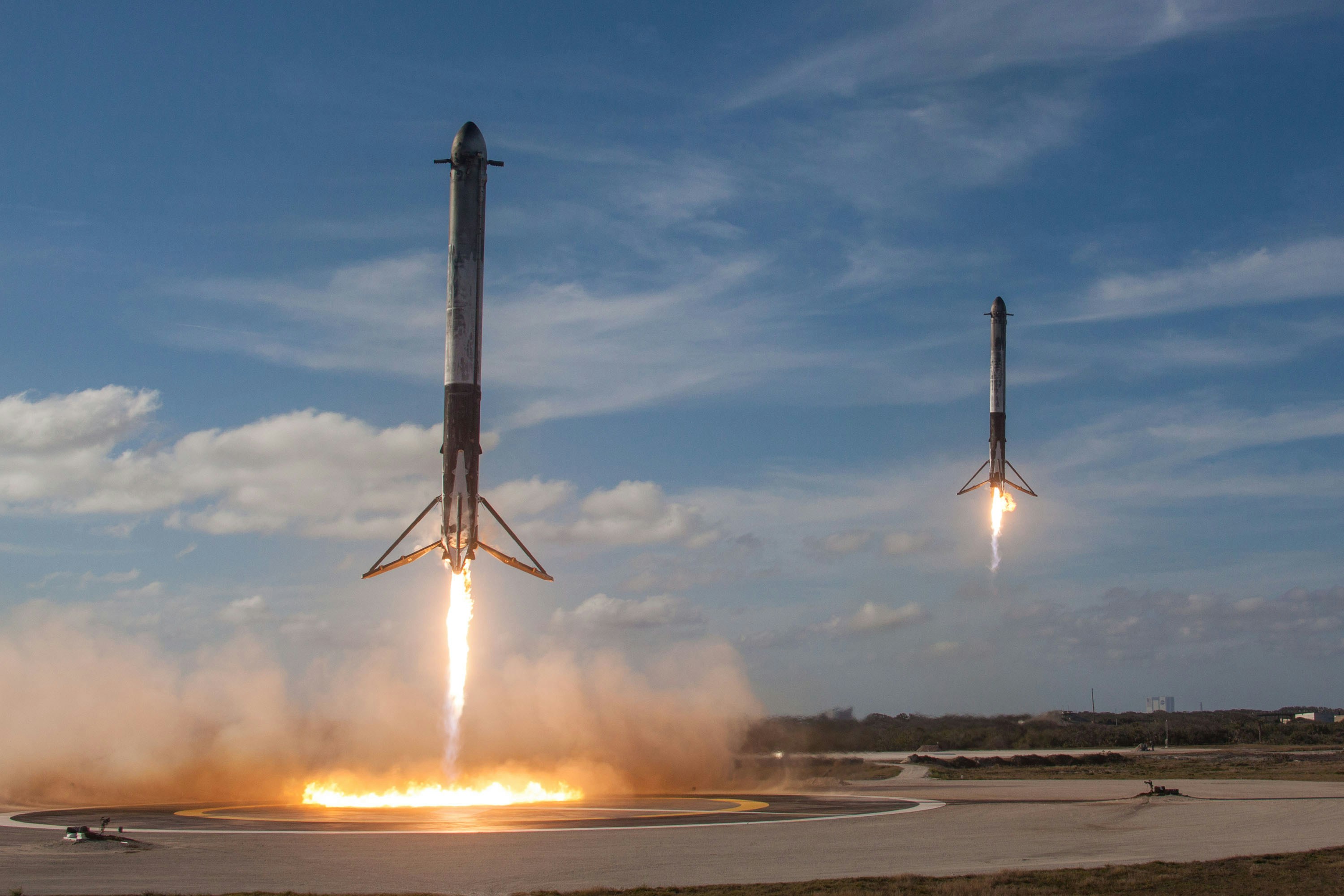
Rocket Lab will acquire Iridium for $8B to challenge SpaceX, whose Starlink constellation holds 10,706 working satellites of 12,390 launched.
Today's briefing covers Iceye's new aerospace service for defense clients, ESA's plan for dual-use satellites, and key defense agreements impacting satellite technology.
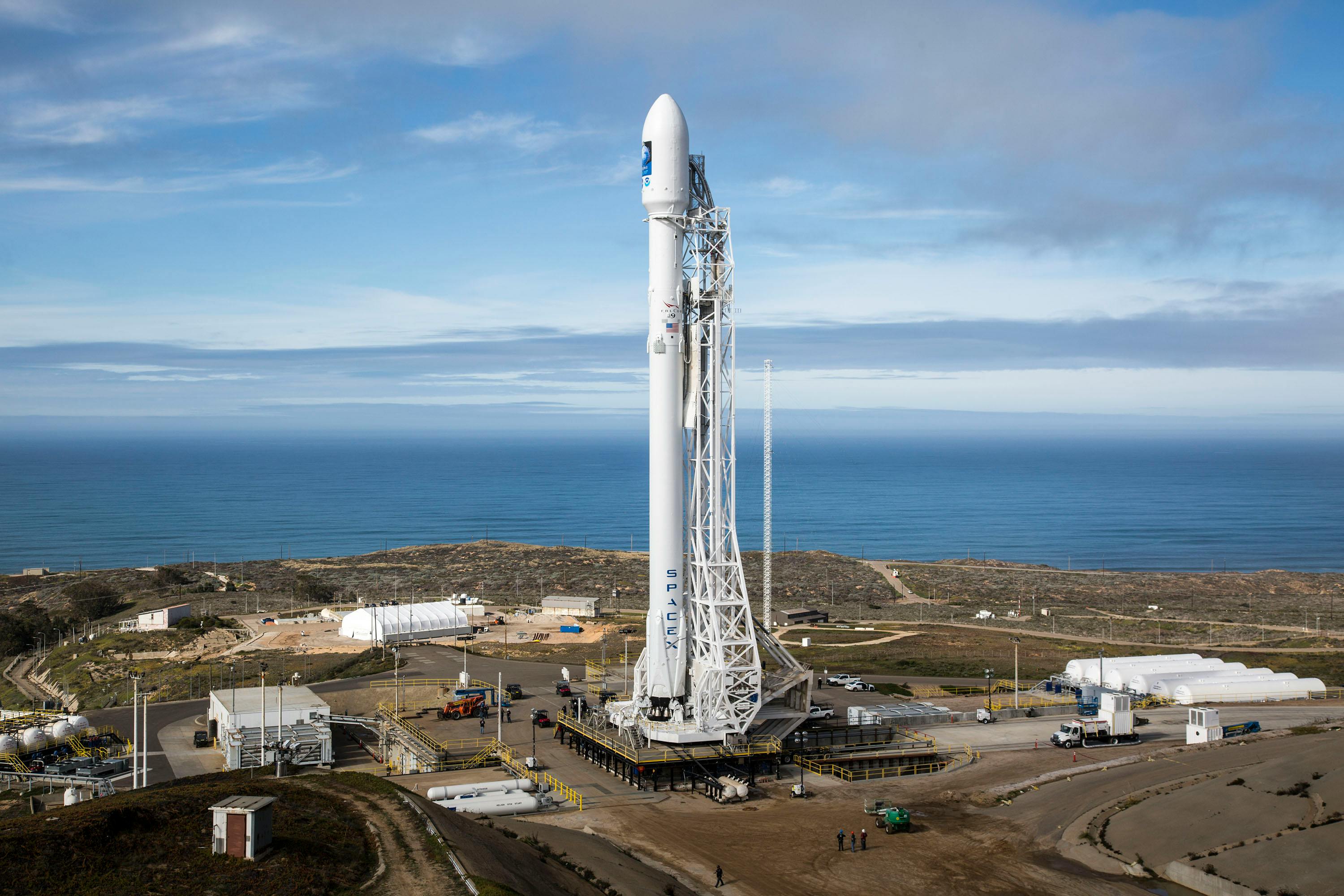
ISS astronauts evacuated to a SpaceX Dragon capsule on June 5 as cosmonauts worked to seal a persistent air leak on the Russian segment.

Blue Origin's New Glenn successfully reused its first stage booster for the first time on Mission 3, launching April 19. Booster reuse accelerates operational tempo.
Artemis 2's four-person crew splashed down April 10 after first crewed lunar flyby since Apollo 17. Orion performance data critical for Artemis 3 south pole landing planning.