


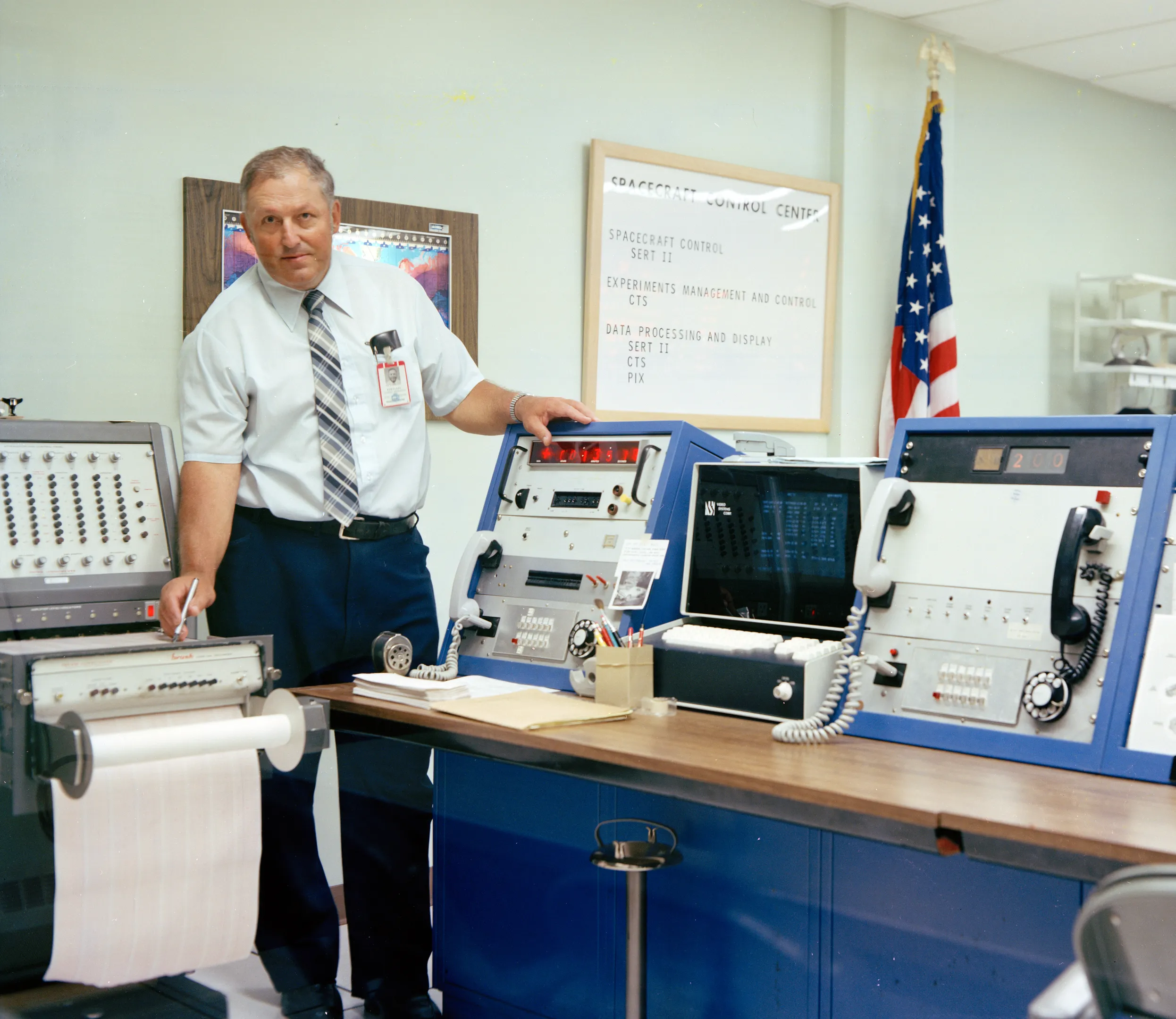
The Day Electric Propulsion Changed Spaceflight Forever
Fifty-five years ago, a revolutionary spacecraft launched from California carrying technology that would transform how we explore the solar system


Launch Date
November 21, 2013
Launch Site
DLS
Launch Pad
Sh370/13
Launch Vehicle
Dnepr
NORAD ID
39416
International Designator
2013-066A
Epoch
Sat, 04 Jul 2026 03:01:59 GMT
Apogee
Calculating...
Perigee
Calculating...
Inclination
97.77°
Right Ascension
138.10°
Eccentricity
Calculating...
Argument of Perigee
152.91°
Period
96.54 min
Mean Motion
14.92 rev/day
Latitude
Calculating...
Longitude
Calculating...
Altitude
Calculating...
Velocity
Calculating...
Name
APRIZESAT 7
Alternative Name
AprizeSat-7
Type
Status
Owner
SPQ
Country
United States
Constellation
N/A
Related Satellites
Major Events
N/A
1 39416U 13066A 26185.12638247 .00001198 00000-0 12361-3 0 9999
2 39416 97.7717 138.1036 0036488 152.9057 207.4076 14.91600562683752
Source: Celestrak
Length
0.2
Diameter
0.2
Span
0.2
Dry Mass
14
Launch Mass
14
Shape
Box + Ant
Radar Cross Section
0.11
Visual Magnitude
Unknown
Color
Unknown
Material Composition
Unknown
Payload
AprizeSat-7
Purpose
Communication M2M/IoT (all), traffic monitoring (#3-10)
Mission
Communication M2M/IoT (all), traffic monitoring (#3-10)
Manufacturer
SPQ
Life Expectancy
5 years
Bus
Aprize
Configuration
Unknown
Motor
None
Equipment
Store-dump payload (all), AIS-receiver (#3-10)
Power System
Solar cells, batteries
ADCS
Unknown
Transmitter Frequency
Unknown
Learn more about satellites and other related topics.
Fifty-five years ago, a revolutionary spacecraft launched from California carrying technology that would transform how we explore the solar system
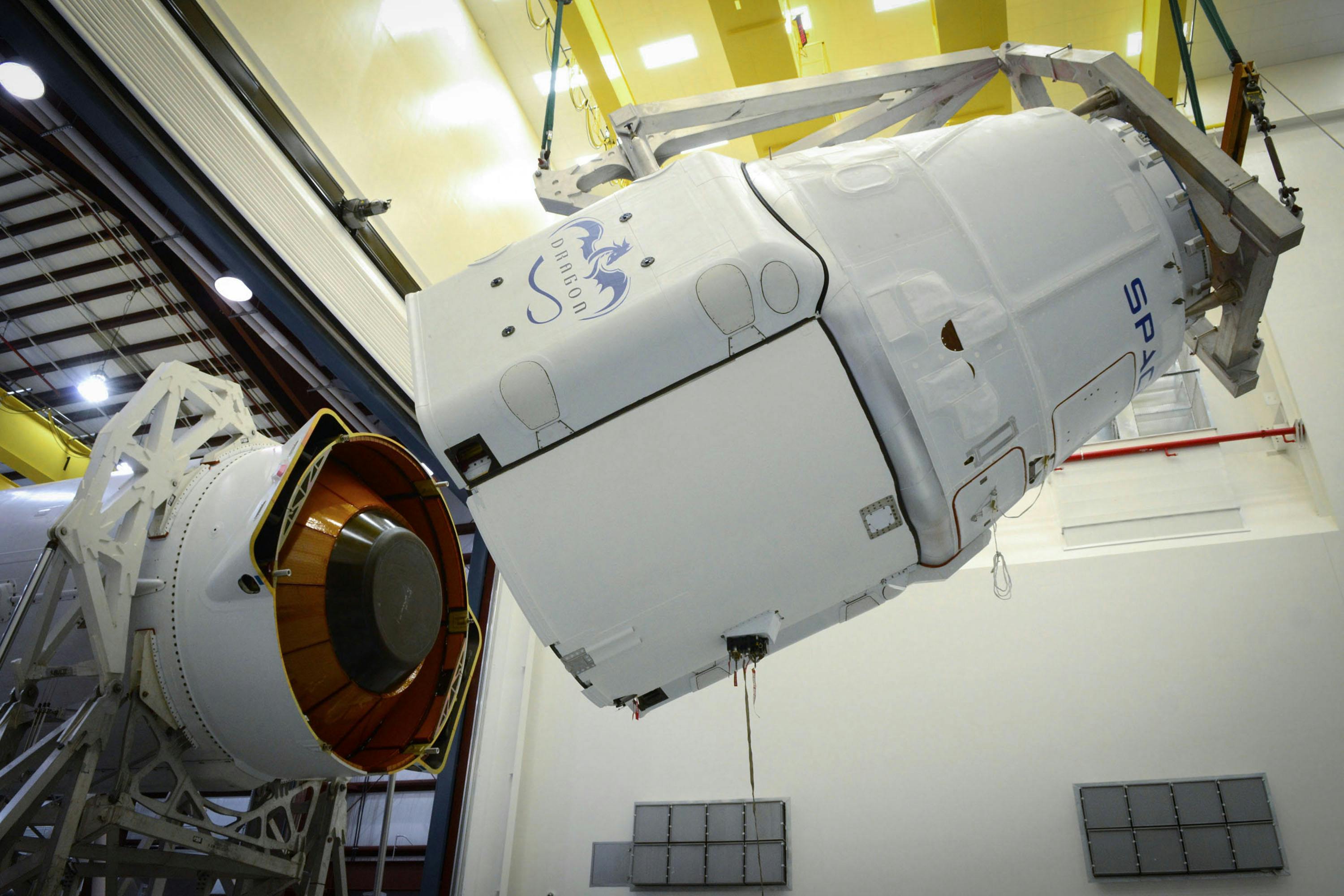
SpaceX advances with Starship, gains FCC approval for new services, and predicts a future shift in spacecraft dominance.

Blue Origin's New Glenn successfully reused its first stage booster for the first time on Mission 3, launching April 19. Booster reuse accelerates operational tempo.

Discover the history and significance of Two-Line Element Sets (TLEs) in satellite tracking. Dive into their components, applications, and how they are evolving to meet future space challenges.

Musk confirms Starmind, an AI satellite constellation targeting 1 million orbital compute nodes. Starfall's debut and Dragon's ISS departure follow.

GPS III SV10 launched April 21 on a SpaceX Falcon 9 with 3x better accuracy and 8x anti-jamming. Starlink stands at 10,263 working satellites.
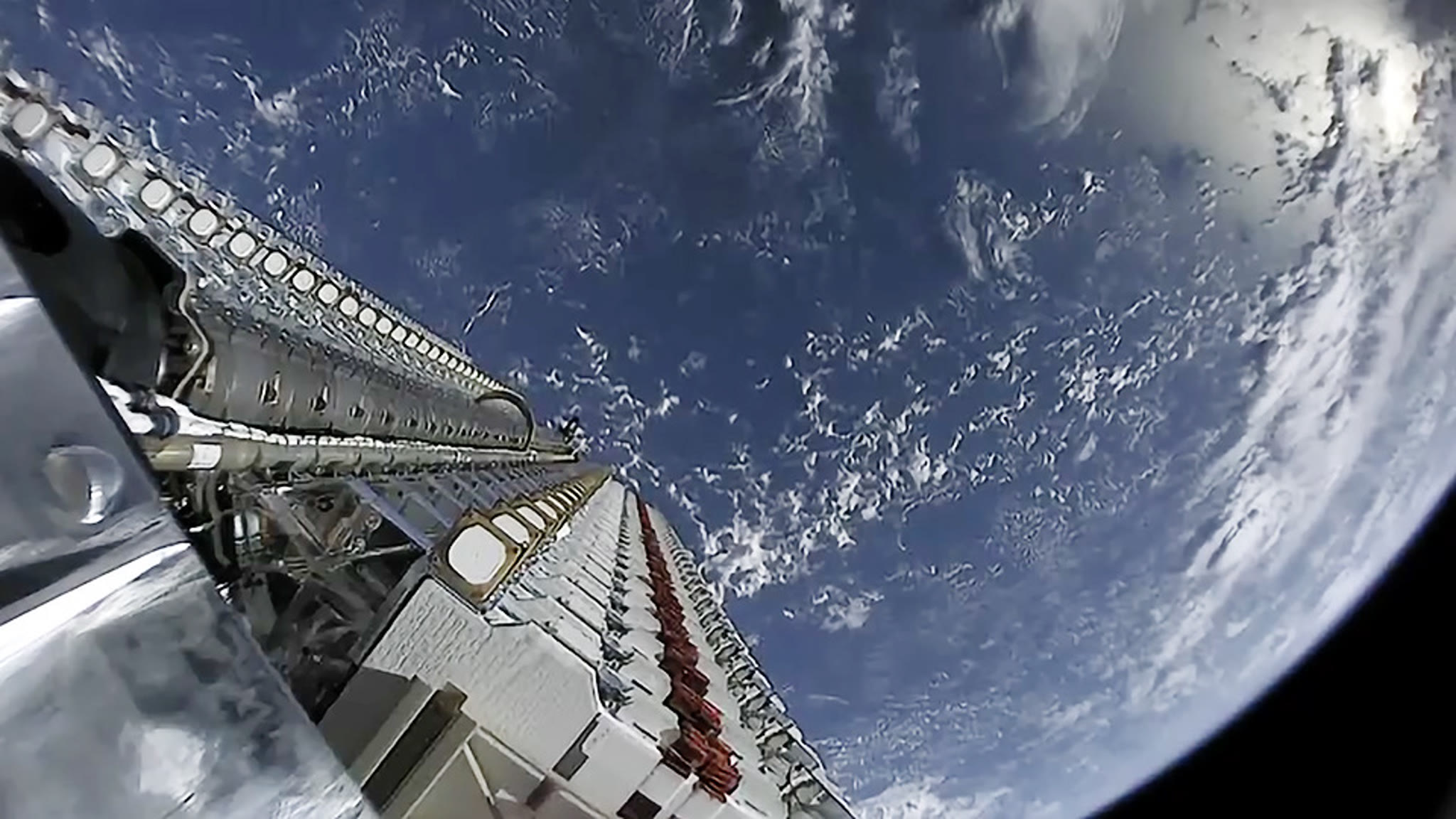
Starlink satellites fired their thrusters to dodge a collision roughly 300,000 times in 2025, about 822 times a day. Behind that number is a fragile, half-automated system of warnings, probabilities, and judgment calls that decides which close approaches are worth a maneuver and which are just noise.

ESA's Proba-3 spacecraft lost contact last month, grounding the dual-satellite solar eclipse mission. Formation flying between both craft is critical for coronagraph science.