ARDUSAT-X (39414)

COSPAR: 1998-067DC | Alt Name: Ardusat-X
DECAYED

Image
ARDUSAT-X Satellite Image
Additional Sources
Launch Details

Launch Date

November 20, 1998

Launch Pad

Y2

Launch Vehicle

H-IIB

Orbital Elements

NORAD ID

39414

International Designator

1998-067DC

Decay Date

4/15/2014

Basic Satellite Info

Name

ARDUSAT-X

Alternative Name

Ardusat-X

Type

Payload

Status

Decayed

Owner

NANSFI

Country

United States

Constellation

N/A

Related Satellites

Major Events

N/A

Summary
ARDUSAT-X (also known as Ardusat-X) is a CubeSat (1U) satellite owned and manufactured by NANSFI in the United States. It was launched on November 20, 1998, from TYMSC using the H-IIB launch vehicle. The satellite measures 0.1 meters in length, diameter, and span with a dry mass of 1 kg. Its primary mission is focused on technology and education purposes. Equipped with solar cells and batteries for power, ARDUSAT-X has an operational lifetime of approximately three months. It was stabilized by November 19, 2013.
Physical Characteristics

Length

0.1

Diameter

0.1

Span

0.1

Dry Mass

1

Launch Mass

1

Shape

Box

Radar Cross Section

0.0728

Visual Magnitude

Unknown

Color

Unknown

Material Composition

Unknown

Technical Details

Payload

Ardusat-X

Purpose

Technology, education

Mission

Technology, education

Manufacturer

NANSFI

Life Expectancy

3 months

Bus

Cubesat 1U

Configuration

CubeSat (1U)

Motor

None

Equipment

Unknown

Power System

Solar cells, batteries

ADCS

Unknown

Transmitter Frequency

Unknown

Satellite Articles

View All Posts »

Learn more about satellites and other related topics.

The Rocket That Refused to Sink

The Rocket That Refused to Sink

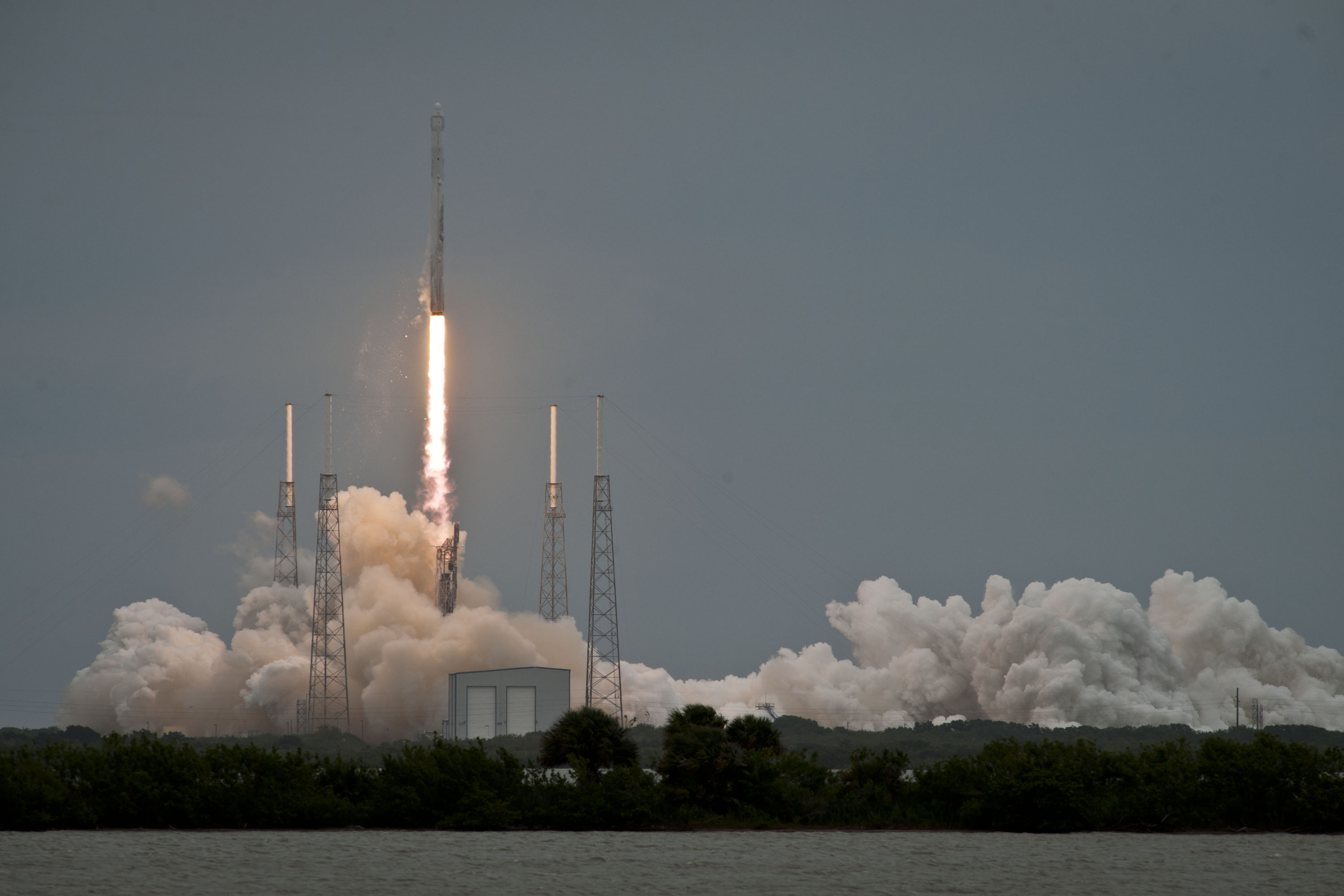
On April 18, 2014, a Falcon 9 first stage did something no orbital rocket had ever done before. It fired its engines on the way down, steered itself through the atmosphere using grid fins that did not yet exist, and touched the Atlantic Ocean softly enough to survive the impact. Nobody recovered it. The data was the whole point.
U.S. GSSAP Executes GEO Handoff to Track China's Shijian-29 | KeepTrack Space Brief

U.S. GSSAP Executes GEO Handoff to Track China's Shijian-29 | KeepTrack Space Brief

U.S. GSSAP satellites execute coordinated GEO maneuvers for continuous surveillance of Chinese Shijian-29 spacecraft. Handoff approach maintains coverage with zero gaps.

New Glenn Explodes After USSF Awards Blue Origin Security Contract | KeepTrack Space Brief

New Glenn Explodes After USSF Awards Blue Origin Security Contract | KeepTrack Space Brief

New Glenn rocket exploded hours after U.S. Space Force and NRO awarded Blue Origin a national security launch task order. Stand-down and mishap investigation expected.

X Report 23 Aug 2025

X Report 23 Aug 2025

This week's highlights include the successful launch of the X-37B spaceplane and the deployment of 24 new Starlink satellites, alongside preparations for the upcoming Starship Flight 10.

Vulcan GEM 63XL Passes Static Fire; February Anomaly Still Under Investigation | KeepTrack Space Brief

Vulcan GEM 63XL Passes Static Fire; February Anomaly Still Under Investigation | KeepTrack Space Brief

Northrop Grumman's GEM 63XL solid rocket booster passed static fire testing, but ULA's investigation into a February 2026 Vulcan in-flight anomaly remains open. No RTF date set.

Geosynchronous Orbit (GEO)

Geosynchronous Orbit (GEO)

Understanding the unique orbital sweet spot that keeps satellites perfectly positioned above Earth

Space Brief 2 Nov 2024

Space Brief 2 Nov 2024

Today's brief covers a historic milestone for China's space program, the decoding of a simulated alien signal, innovative solutions to address satellite air pollution, and industry shifts driven by major investments and contracts.

The Day South Korea Achieved Independent Space Launch Capability

The Day South Korea Achieved Independent Space Launch Capability

Twelve years ago, South Korea successfully launched a satellite using its own launch vehicle and facilities for the first time, marking a crucial milestone in its journey to space independence