

X Report 13 Feb 2025
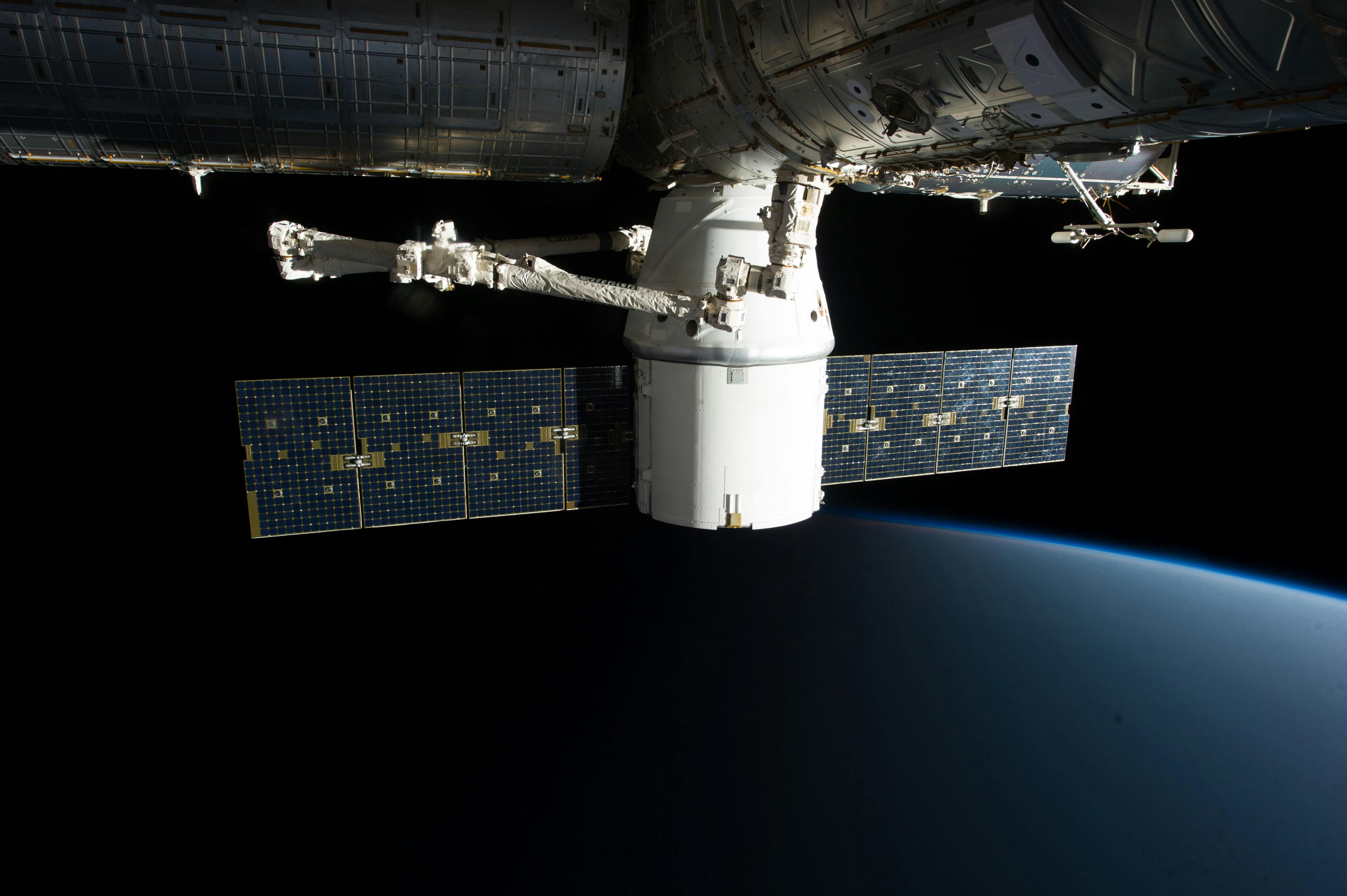
SpaceX and NASA swap Crew Dragon for Crew-10 mission; exciting 'space jellyfish' phenomena from recent launch.


Launch Date
November 20, 2013
Launch Site
WLPIS
Launch Pad
Pad 0B
Launch Vehicle
Minotaur I
NORAD ID
39404
International Designator
2013-064AA
Decay Date
11/1/2017
Name
FIREFLY
Alternative Name
Firefly
Type
Status
Owner
NSF/GSFC
Country
United States
Constellation
N/A
Related Satellites
Major Events
N/A
Length
0.3
Diameter
0.1
Span
1.6
Dry Mass
5
Launch Mass
5
Shape
Box+antennae
Radar Cross Section
0.072
Visual Magnitude
Unknown
Color
Unknown
Material Composition
Unknown
Payload
NSF Firefly
Purpose
Magnetospheric Research
Mission
Magnetospheric Research
Manufacturer
HAWK
Life Expectancy
Unknown
Bus
Cubesat 3U
Configuration
CubeSat (3U)
Motor
None
Equipment
Unknown
Power System
Solar cells, batteries
ADCS
Unknown
Transmitter Frequency
Unknown
Learn more about satellites and other related topics.
SpaceX and NASA swap Crew Dragon for Crew-10 mission; exciting 'space jellyfish' phenomena from recent launch.
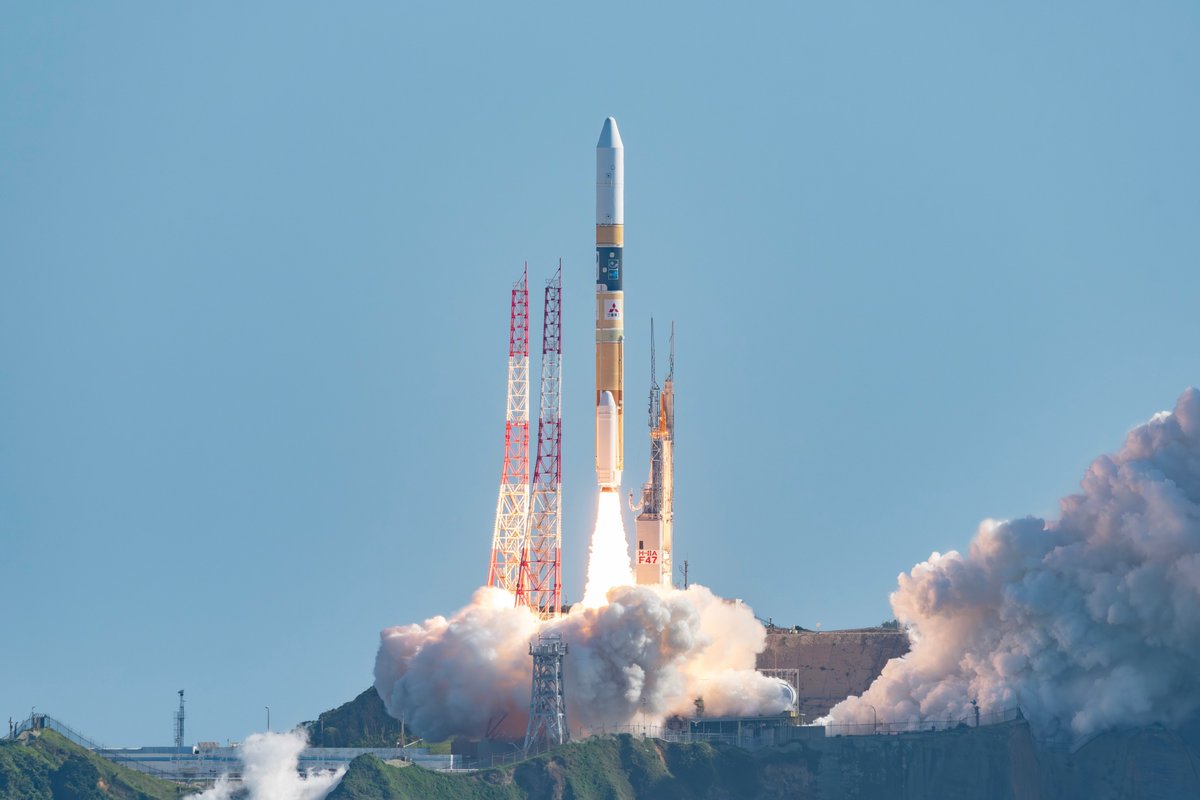
Today's update covers NASA's Ax-4 mission preparations, ESA's satellite imaging program, Ursa Major's military contract, and China's expanding nuclear arsenal.

On April 22, 2026, the FAA published a final rule implementing per-launch user fees for commercial space transportation — the first time the U.S. government has charged payload-based fees for rocket launches. Starting at 25 cents per pound with a $30,000 cap, the fees are modest today. By 2033, they won't be.
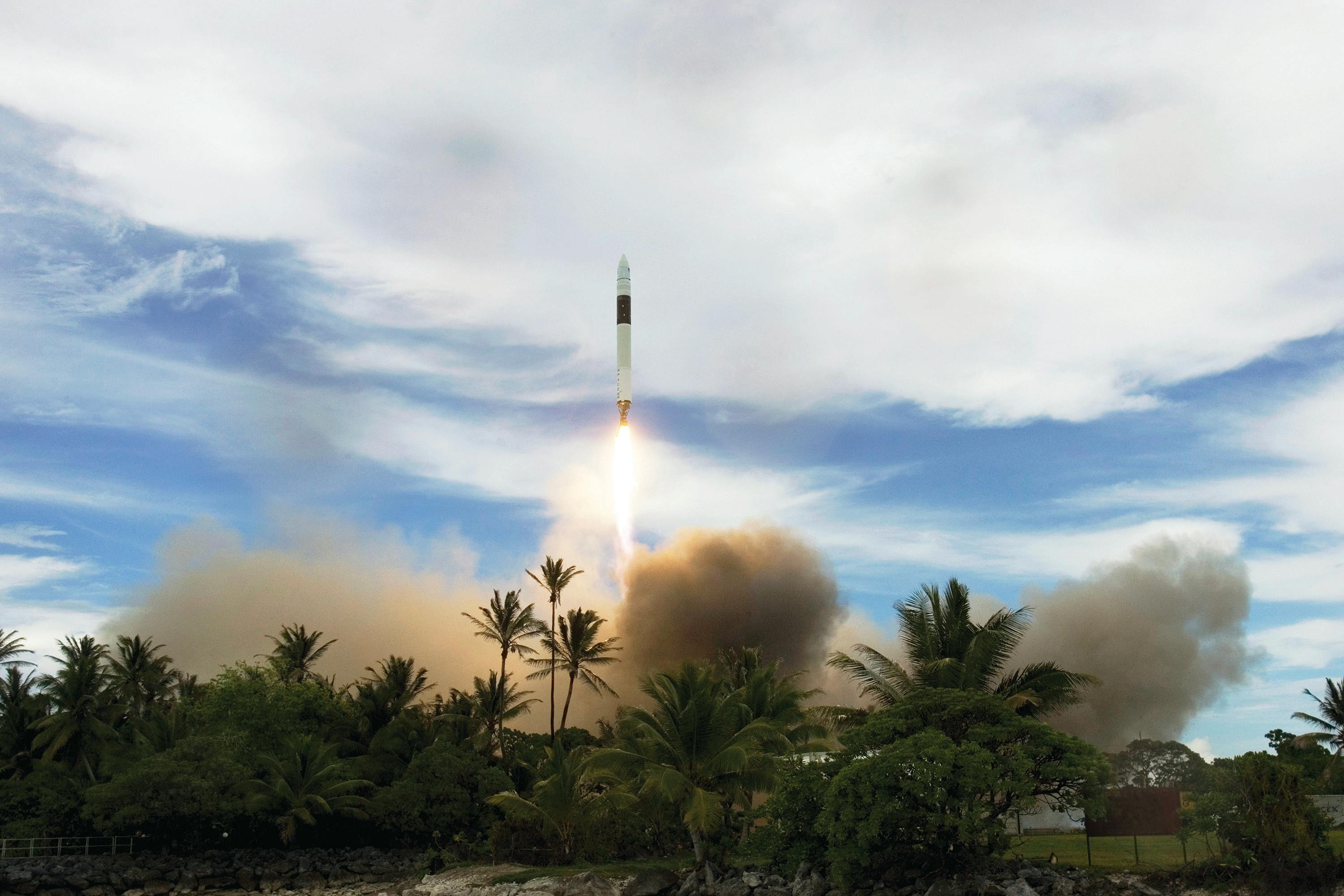
SpaceX prepares for its 250th mission from SLC-40, while Starlink experiences a surge during a crisis in Spain and Portugal. Additionally, SpaceX celebrates the official designation of Starbase City, aiming to boost launch capabilities.

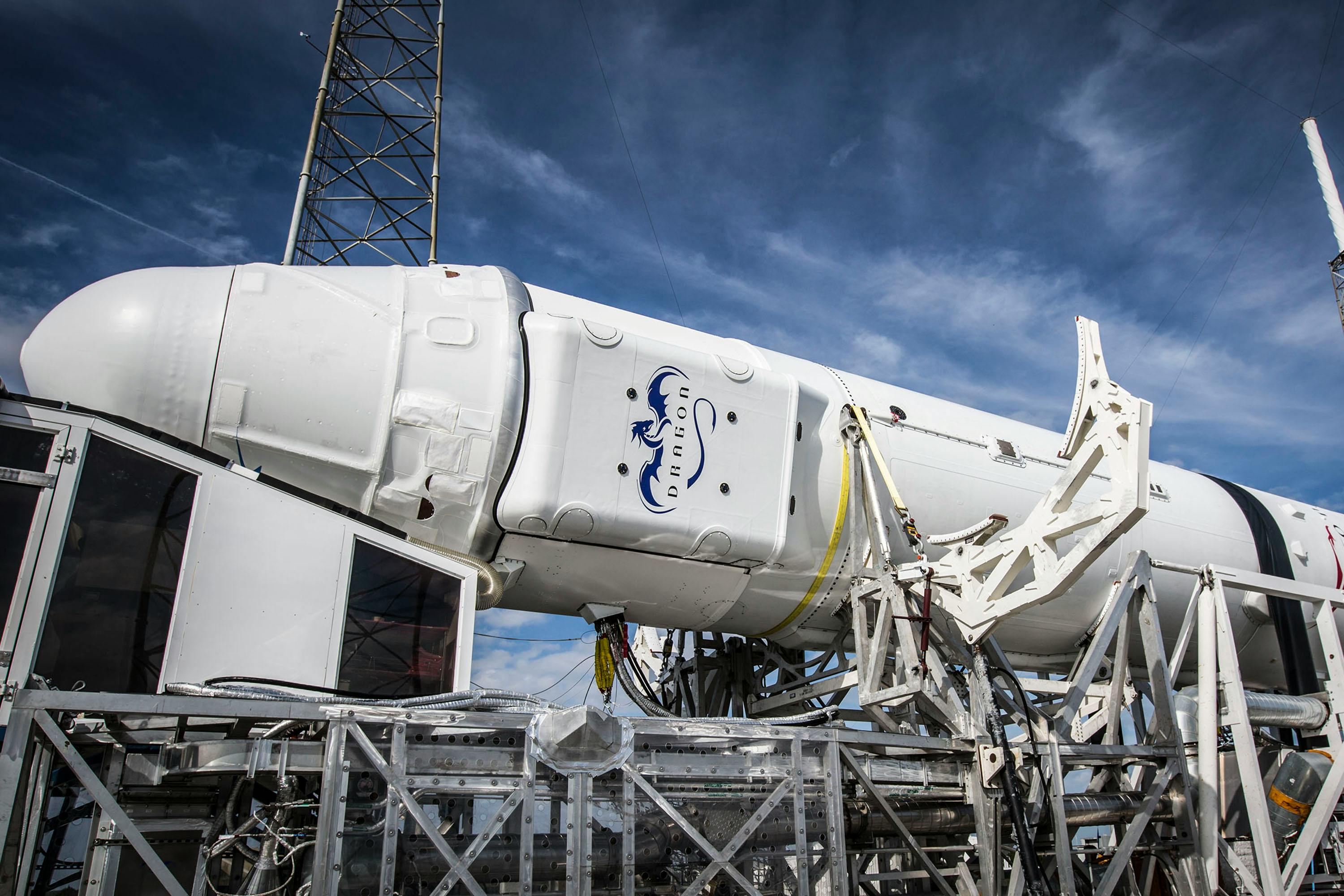
SpaceX continues to dominate with two Starlink launches in one day, the unveiling of its final Crew Dragon, and facing legal challenges from Mexico regarding a recent Starship incident.
New experiments in space agriculture begin with Fram2 mission, a historic polar orbit flight, and a Starlink launch postponement.
Today's brief shines a light on surging space debris due to a new satellite breakup, SpaceX's continuous Starlink expansions, and notable legal support for Elon Musk's launch endeavors.

Today's Space Brief delves into NASA's lunar nuclear power initiative, a strategic Army data integration project, and a rare SpaceX Falcon booster launch. Also covered are significant advancements in military satellite technology and Navy unmanned surface vehicles.