HO'OPONOPONO 2 (39403)

COSPAR: 2013-064Z | Alt Name: Ho'oponopono 2
DECAYED

Image
HO'OPONOPONO 2 Satellite Image
Additional Sources
Launch Details

Launch Date

November 20, 2013

Launch Site

WLPIS

Launch Pad

Pad 0B

Launch Vehicle

Minotaur I

Orbital Elements

NORAD ID

39403

International Designator

2013-064Z

Decay Date

8/26/2021

Basic Satellite Info

Name

HO'OPONOPONO 2

Alternative Name

Ho'oponopono 2

Type

Payload

Status

Decayed

Owner

UHI

Country

United States

Constellation

N/A

Related Satellites

Major Events

N/A

Summary
HO'OPONOPONO 2 is a CubeSat (3U) satellite launched on November 20, 2013, by UHI from Wallops Flight Facility Launch Pad 0B using the Minotaur I launch vehicle. It measures 0.3 meters in length and has a dry mass of 3 kg. The satellite's purpose is for radar calibration, powered by solar cells and batteries. Launched with a mass of 3 kg, it was designed to operate for approximately one year. Its shape is box-like with a radar cross-section (RCS) of 0.067 square meters.
Physical Characteristics

Length

0.3

Diameter

0.1

Span

0.3

Dry Mass

3

Launch Mass

3

Shape

Box

Radar Cross Section

0.067

Visual Magnitude

Unknown

Color

Unknown

Material Composition

Unknown

Technical Details

Payload

Ho'oponopono 2

Purpose

Radar calibration

Mission

Radar calibration

Manufacturer

UHI

Life Expectancy

1 year (#2)

Bus

Cubesat 3U

Configuration

CubeSat (3U)

Motor

None

Equipment

Unknown

Power System

Solar cells, batteries

ADCS

Unknown

Transmitter Frequency

Unknown

Satellite Articles

View All Posts »

Learn more about satellites and other related topics.

Pentagon Orders 30,000 One-Way Drones; Sierra Space Raises $550M | KeepTrack Space Brief

Pentagon Orders 30,000 One-Way Drones; Sierra Space Raises $550M | KeepTrack Space Brief

Pentagon to order 30,000 attritable drones within days via Gauntlet competition. Meanwhile, Sierra Space closes $550M Series C funding round for national security spaceplane applications.
SpaceX Resumes Falcon 9 Launches After Investigating Upper Stage Anomaly

SpaceX Resumes Falcon 9 Launches After Investigating Upper Stage Anomaly

SpaceX successfully returns to flight with a Starlink mission, detailing the cause of the July 11 anomaly and implementing fixes to prevent future incidents.

Mike Melvill, 124 Meters, and the Morning Space Went Private

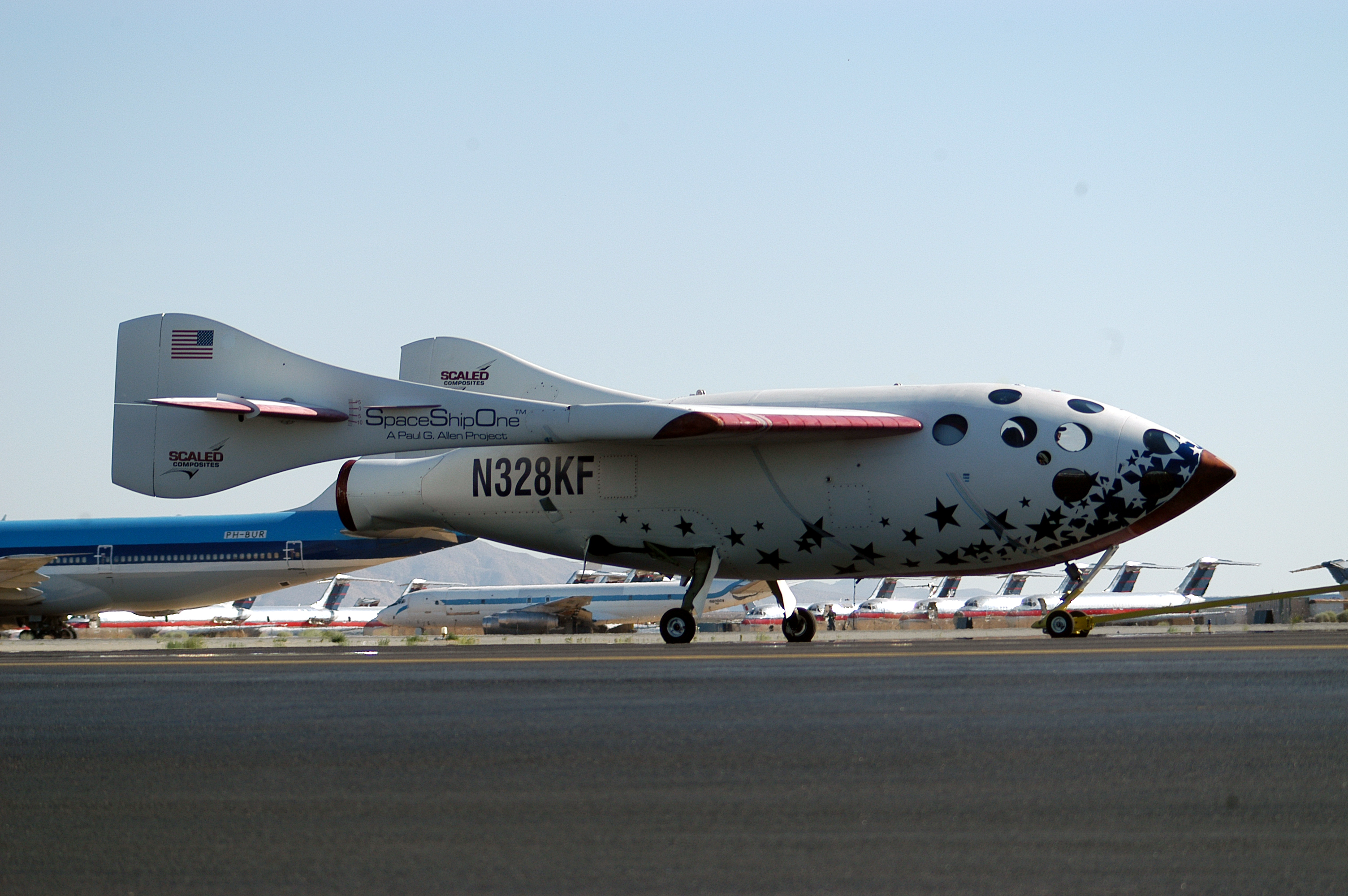
Mike Melvill, 124 Meters, and the Morning Space Went Private

On 21 June 2004, a 63-year-old test pilot rode a homebuilt rocket plane to 100,124 meters above the Mojave Desert, clearing the edge of space by about the length of a city block. He came down the first private astronaut in history, holding a sign that read 'SpaceShipOne, GovernmentZero.'

X Report 9 Nov 2024

X Report 9 Nov 2024

SpaceX successfully launches a new batch of Starlink satellites, while Viasat seeks LEO capacity amid rising competition.

X Report 9 Nov 2025

X Report 9 Nov 2025

SpaceX successfully launched 29 new Starlink satellites today, further expanding its satellite internet constellation amidst growing competition in the space broadband market.

Golden Dome Missile Shield Costs Up to $1.2T Over 20 Years | KeepTrack Space Brief

Golden Dome Missile Shield Costs Up to $1.2T Over 20 Years | KeepTrack Space Brief

CBO estimates Golden Dome national missile shield at $1.2 trillion over 20 years. Space-based intercept layer could add thousands of satellites to tracked orbital regimes.

Space Brief 5 Sep 2024

Space Brief 5 Sep 2024

Today we cover the final launch of Vega's original version, a significant milestone for SpaceX with the U.S. military, preparations for NASA's Starliner return, and more.

X Report 1 Nov 2025

X Report 1 Nov 2025

SpaceX marks a significant milestone with its 100th Starlink mission launch and makes impressive progress on lunar lander development for Artemis III.