

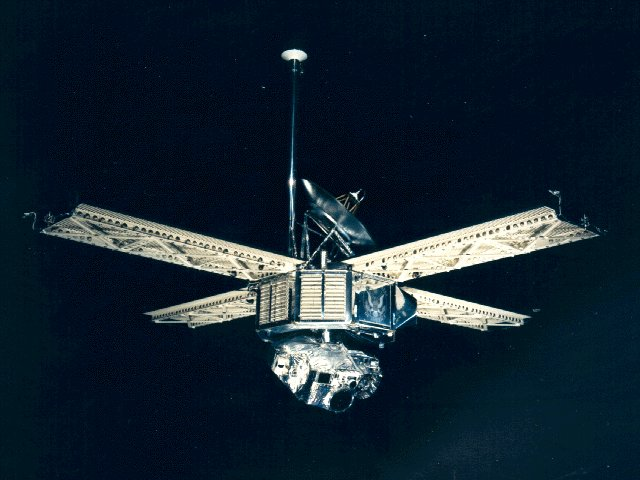
The Day America Gained New Eyes on Mars
Fifty-six years ago, a revolutionary spacecraft launched toward the Red Planet after being saved from disaster by two quick-thinking technicians who risked their lives to prevent a rocket collapse


Launch Date
November 20, 2013
Launch Site
WLPIS
Launch Pad
Pad 0B
Launch Vehicle
Minotaur I
NORAD ID
39389
International Designator
2013-064K
Decay Date
10/28/2015
Name
NPS-SCAT
Alternative Name
NPS-SCAT
Type
Status
Owner
USNPS
Country
United States
Constellation
N/A
Related Satellites
Major Events
N/A
Length
0.1
Diameter
0.1
Span
0.1
Dry Mass
1
Launch Mass
1
Shape
Box
Radar Cross Section
0.06
Visual Magnitude
Unknown
Color
Unknown
Material Composition
Unknown
Payload
NPS-SCAT
Purpose
Technology
Mission
Technology
Manufacturer
USNPS
Life Expectancy
Unknown
Bus
Cubesat 1U
Configuration
CubeSat (1U)
Motor
None
Equipment
Unknown
Power System
Solar cells, batteries
ADCS
Unknown
Transmitter Frequency
Unknown
Learn more about satellites and other related topics.
Fifty-six years ago, a revolutionary spacecraft launched toward the Red Planet after being saved from disaster by two quick-thinking technicians who risked their lives to prevent a rocket collapse

A busy day in space as delays hit Boeing's Starliner launch, SpaceX continues its rapid launch cadence, new concerns arise with the discovery of bacteria on the Tiangong space station, and the European Space Agency supports a pivotal Moon mission.
Today's briefing covers a DARPA award for Redwire's innovative satellite project, Ursa Major's expansion in defense engines, a Rocket Lab military test flight, and more.

SpaceX successfully launched its CRS-33 Dragon cargo mission to the ISS, while preparations for the upcoming Starship Flight 10 continue, highlighting significant advancements in both cargo operations and test flight reliability.
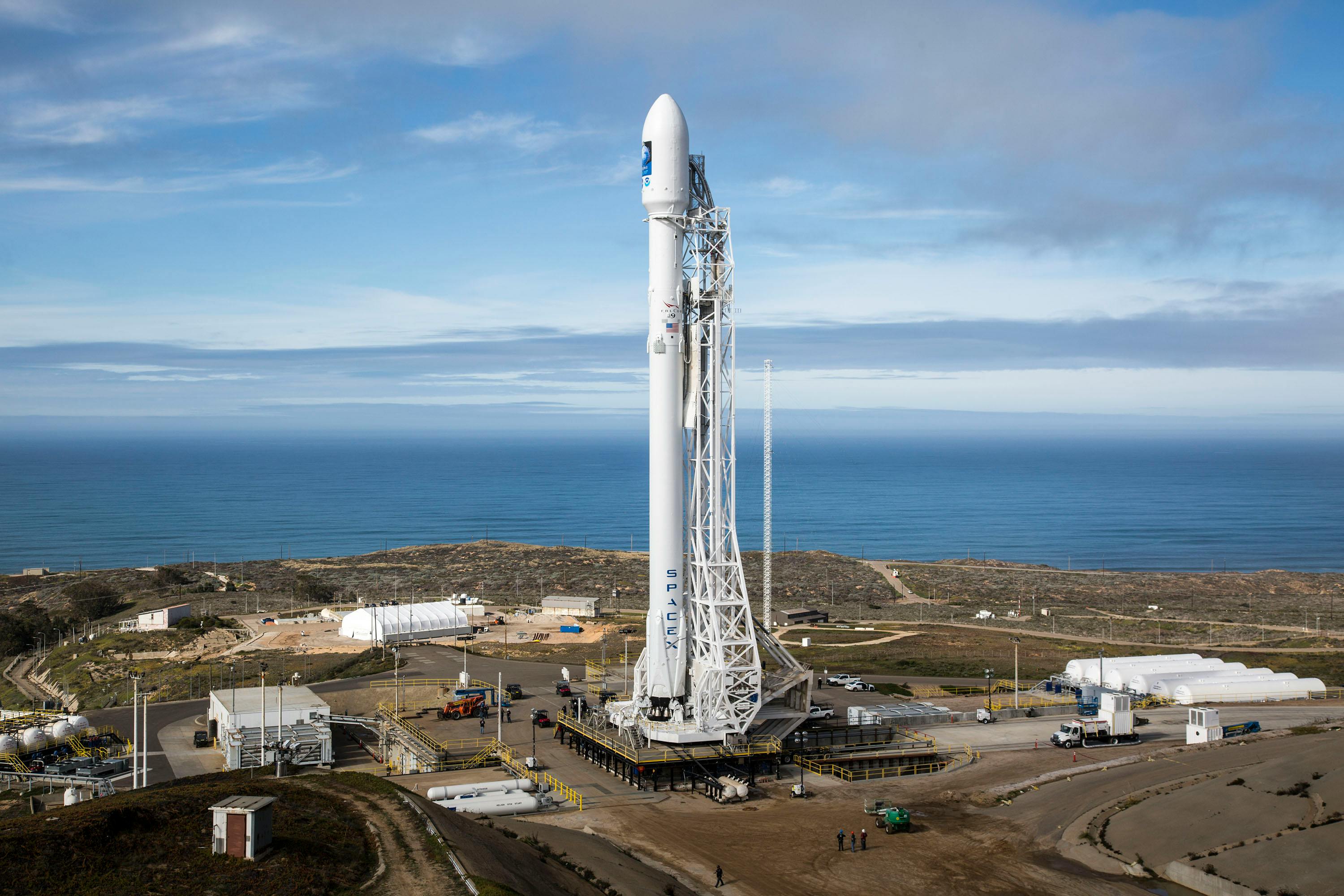
Starlink satellite count for April 2026: 10,177 in orbit, 10,168 working from 11,724 launched. No new anomalies, four reentries expected Apr 5-7.
Today's highlights include China's launch of a mystery spysat, Maxar's terrain data for U.S. Army systems, and multiple U.S. defense firms enhancing satellite capabilities.
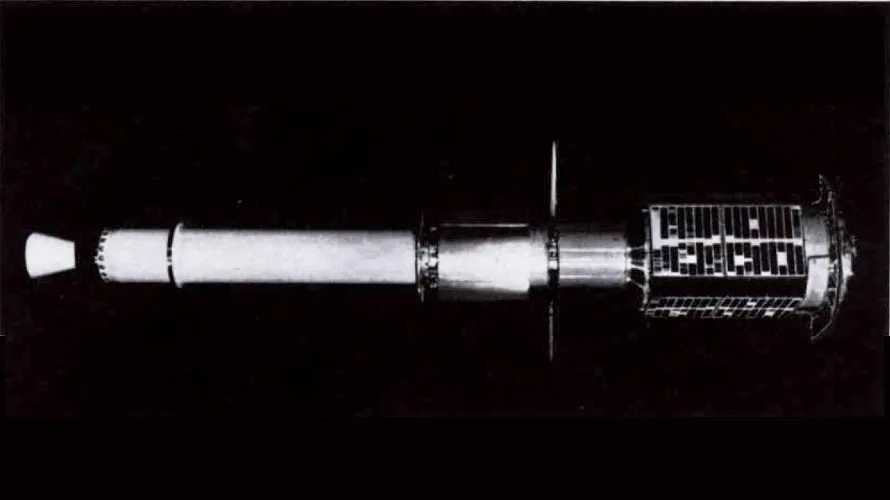
On April 27, 1961, a Scout rocket lifted a 37-kilogram NASA satellite into orbit from Wallops Island carrying the first serious instrument for detecting cosmic gamma rays. Explorer 11 operated for seven months before its tape recorder failed. In that time it registered 22 gamma-ray photons - a pitiful number by modern standards, but enough to launch an entire branch of astronomy.
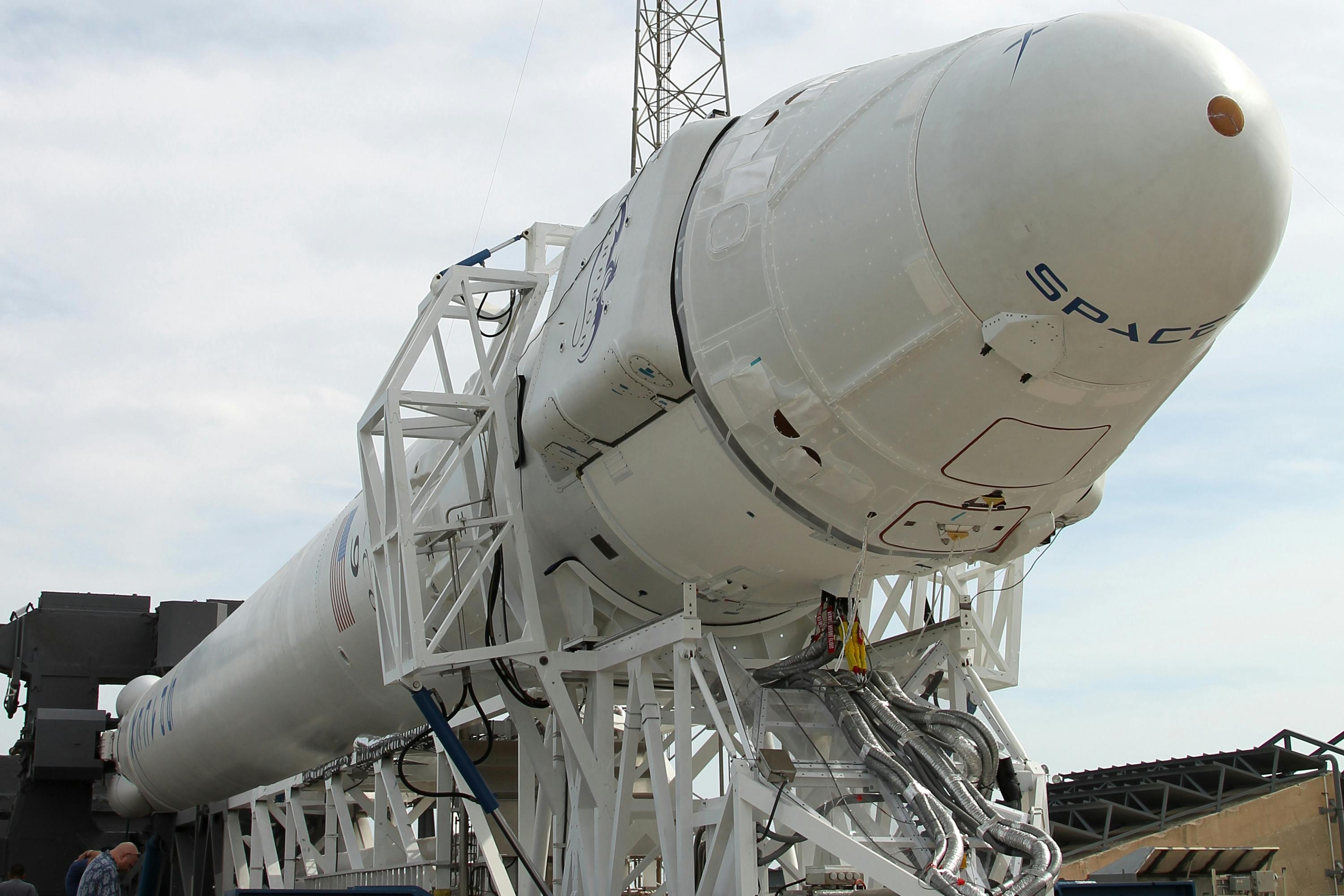
Starship V3 timeline: Musk puts Flight 12 about 4 weeks out, early to mid April 2026. SpaceX also hit 30 missions of 2026 with the 15,000-lb EchoStar 25.