



Space Brief 16 Aug 2025
Today's brief covers ULA's new mission for the US Space Force, China's moon rocket test, delays in the DARC radar system, and SpaceX's Starlink launches.


![BREEZE-M DEB [TANK] Satellite Image](/images/sat/deb3.jpg)
Launch Date
October 25, 2013
Launch Site
Launch Pad
LC200/39
Launch Vehicle
Proton-M/Briz-M
NORAD ID
39362
International Designator
2013-058C
Epoch
Sat, 04 Jul 2026 01:02:42 GMT
Apogee
Calculating...
Perigee
Calculating...
Inclination
49.53°
Right Ascension
275.53°
Eccentricity
Calculating...
Argument of Perigee
210.07°
Period
266.80 min
Mean Motion
5.40 rev/day
Latitude
Calculating...
Longitude
Calculating...
Altitude
Calculating...
Velocity
Calculating...
Name
BREEZE-M DEB [TANK]
Alternative Name
Briz-M DTB
Type
Status
Owner
KHRR
Country
Russia
Constellation
N/A
Related Satellites
Major Events
N/A
1 39362U 13058C 26185.04354897 .00004403 00000-0 90258-3 0 9990
2 39362 49.5345 275.5261 5126120 210.0737 106.7716 5.39723371244435
Source: Celestrak
Length
2.1
Diameter
4
Span
4
Dry Mass
1000
Launch Mass
11900
Shape
Torus
Radar Cross Section
6.7596
Visual Magnitude
Unknown
Color
Unknown
Material Composition
Unknown
Payload
Briz-M torus tank
Purpose
Unknown
Mission
Unknown
Manufacturer
KHRR
Life Expectancy
Unknown
Bus
Briz tank
Configuration
Unknown
Motor
Unknown
Equipment
Unknown
Power System
Unknown
ADCS
Unknown
Transmitter Frequency
Unknown
Learn more about satellites and other related topics.
Today's brief covers ULA's new mission for the US Space Force, China's moon rocket test, delays in the DARC radar system, and SpaceX's Starlink launches.
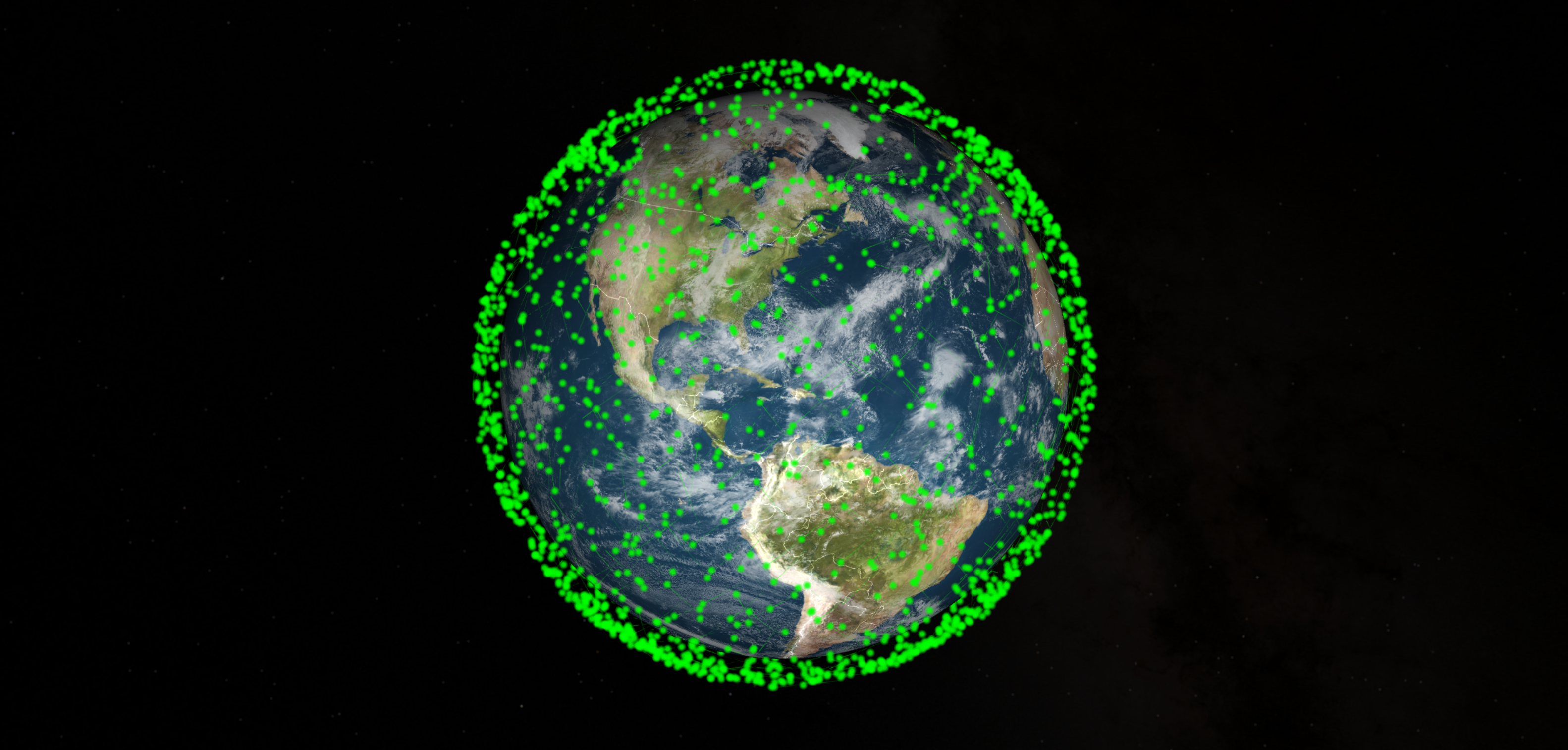
SpaceX quietly built the world's largest 4G network without a single cell tower. Over 650 satellites now connect standard smartphones directly from orbit, and most people carrying compatible phones don't know the service exists.

SpaceX achieves significant milestones with the launch of 28 Starlink satellites and the final landing of the LZ-1 pad, marking key moments in their ongoing mission to expand satellite connectivity.
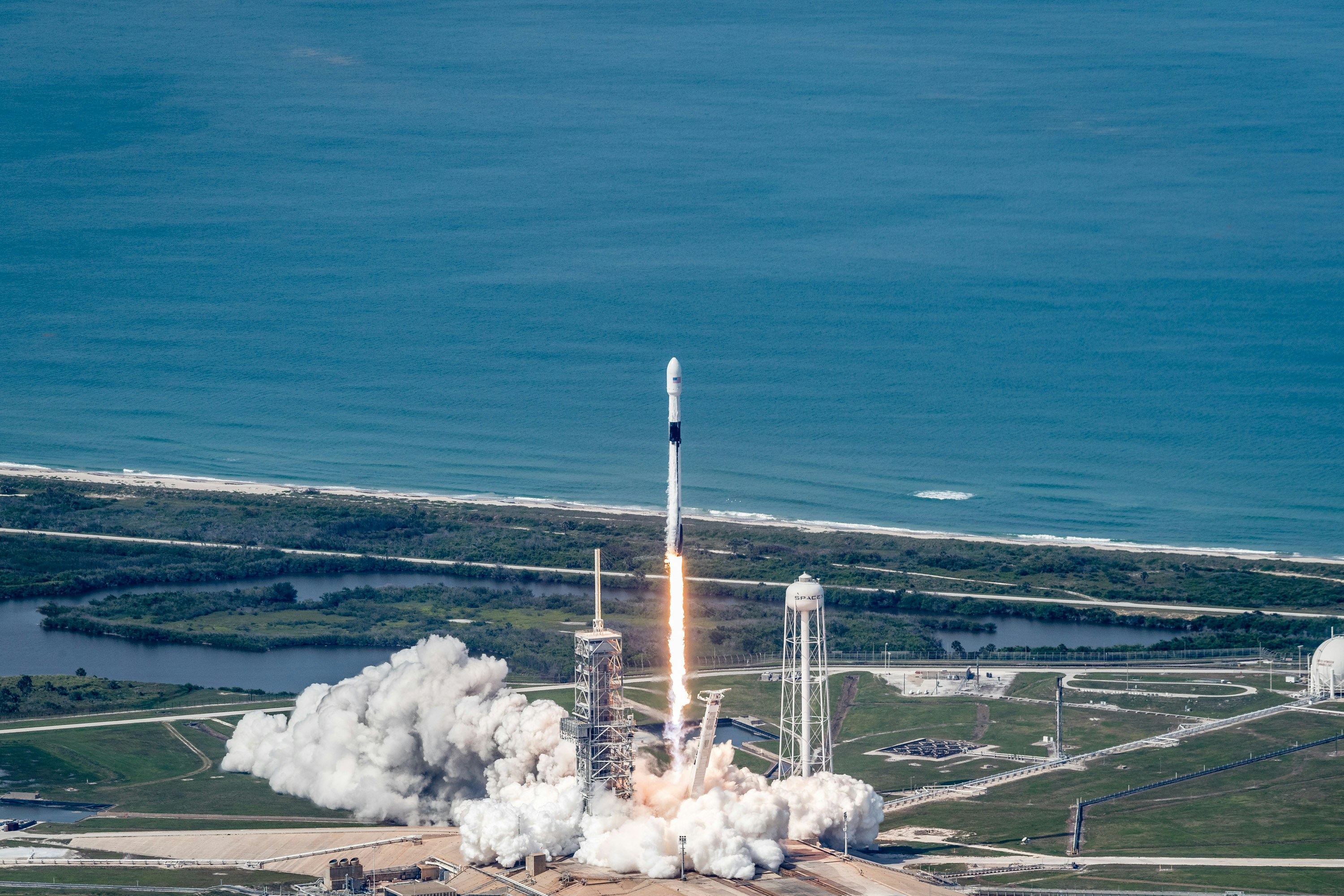
SpaceX reportedly eyes a confidential March IPO filing that could value the company at $1.75 trillion. Dual Falcon 9 launches deploy 54 Starlink satellites, pushing total on-orbit past 9,900.

Today's highlights include SpaceX's record-breaking Falcon launches, urgent warnings about orbital collisions, and a doubleheader launch featuring spy and Starlink satellites.

Today's highlights include ExoMars' successful parachute test, developments in military satellite systems, and leadership changes at NASA Goddard.
Today's brief highlights a landmark cooperation between NASA and China to prevent satellite collision, strategic steps in American space leadership through nuclear energy, a U.S. military missile test, and more.
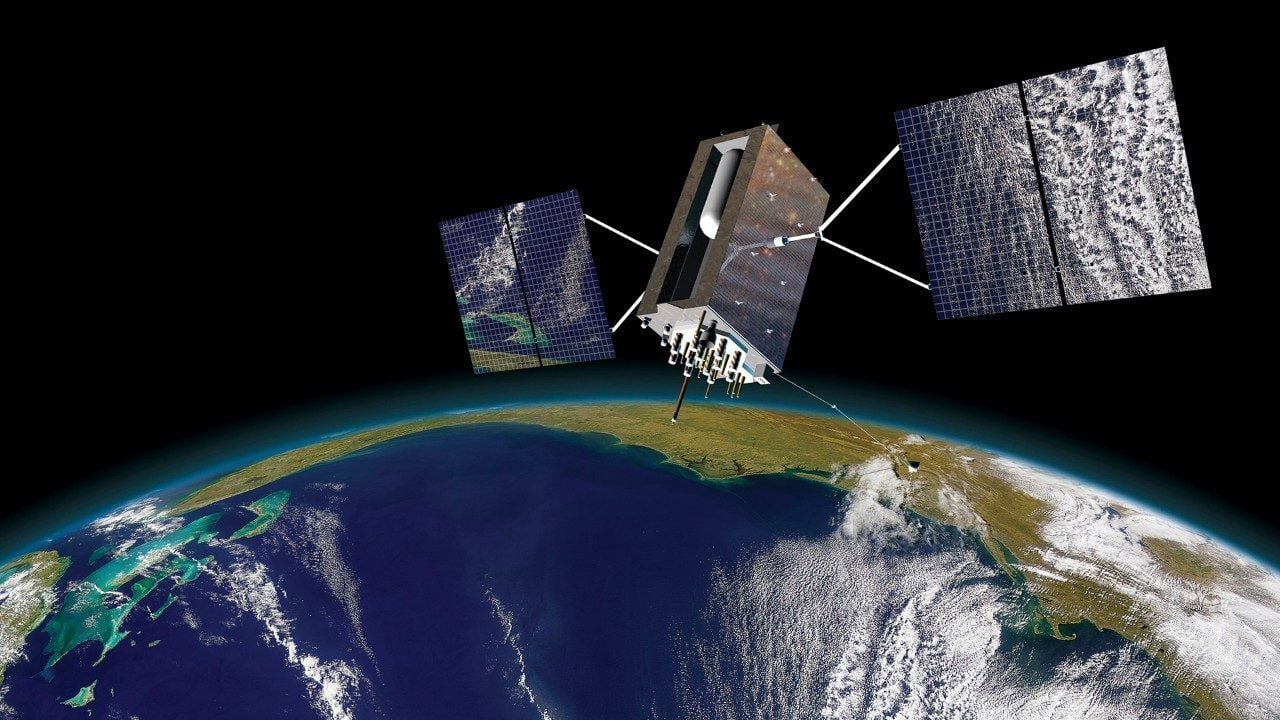
On April 17, 2026, the U.S. Space Force officially cancelled the Next Generation Operational Control System after sixteen years of development, cost overruns, and testing failures. The $8 billion program was supposed to unlock the military's encrypted GPS signal. Instead, the satellites are flying with capabilities the ground can't command.