


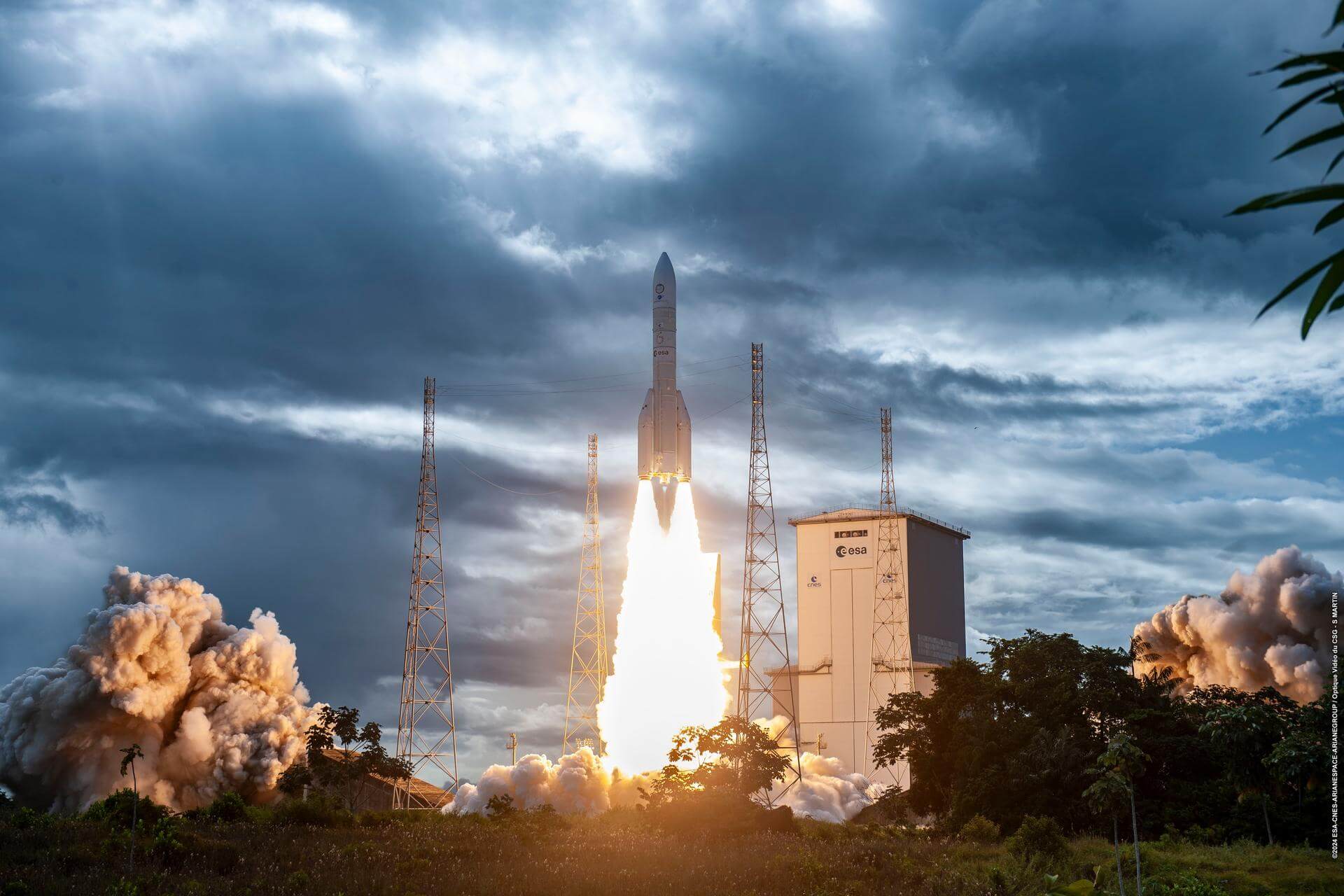
Space Brief 26 Jan 2025
Spacewalks have resumed on the ISS, while Blue Origin prepares for a unique New Shepard mission. In other news, astronomers push for a ban on space ads and potential budget cuts threaten the JWST.



Launch Date
May 19, 1994
Launch Site
AFWTR
Launch Pad
RW04/22
Launch Vehicle
Pegasus/HAPS
NORAD ID
39308
International Designator
1994-029AET
Epoch
Sat, 04 Jul 2026 05:06:03 GMT
Apogee
Calculating...
Perigee
Calculating...
Inclination
81.97°
Right Ascension
6.02°
Eccentricity
Calculating...
Argument of Perigee
334.05°
Period
100.36 min
Mean Motion
14.35 rev/day
Latitude
Calculating...
Longitude
Calculating...
Altitude
Calculating...
Velocity
Calculating...
Name
PEGASUS DEB
Alternative Name
deb HAPS
Type
Status
Owner
OSCC
Country
United States
Constellation
N/A
Related Satellites
Major Events
N/A
1 39308U 94029AET 26185.21253482 .00003435 00000-0 62712-3 0 9992
2 39308 81.9659 6.0240 0338641 334.0533 24.4001 14.34771008683161
Source: Celestrak
Length
0
Diameter
0
Span
0
Dry Mass
0
Launch Mass
0
Shape
N/A
Radar Cross Section
0.0189
Visual Magnitude
Unknown
Color
Unknown
Material Composition
Unknown
Payload
Unknown
Purpose
Unknown
Mission
Unknown
Manufacturer
Unknown
Life Expectancy
Unknown
Bus
Unknown
Configuration
Unknown
Motor
Unknown
Equipment
Unknown
Power System
Unknown
ADCS
Unknown
Transmitter Frequency
Unknown
Learn more about satellites and other related topics.
Spacewalks have resumed on the ISS, while Blue Origin prepares for a unique New Shepard mission. In other news, astronomers push for a ban on space ads and potential budget cuts threaten the JWST.
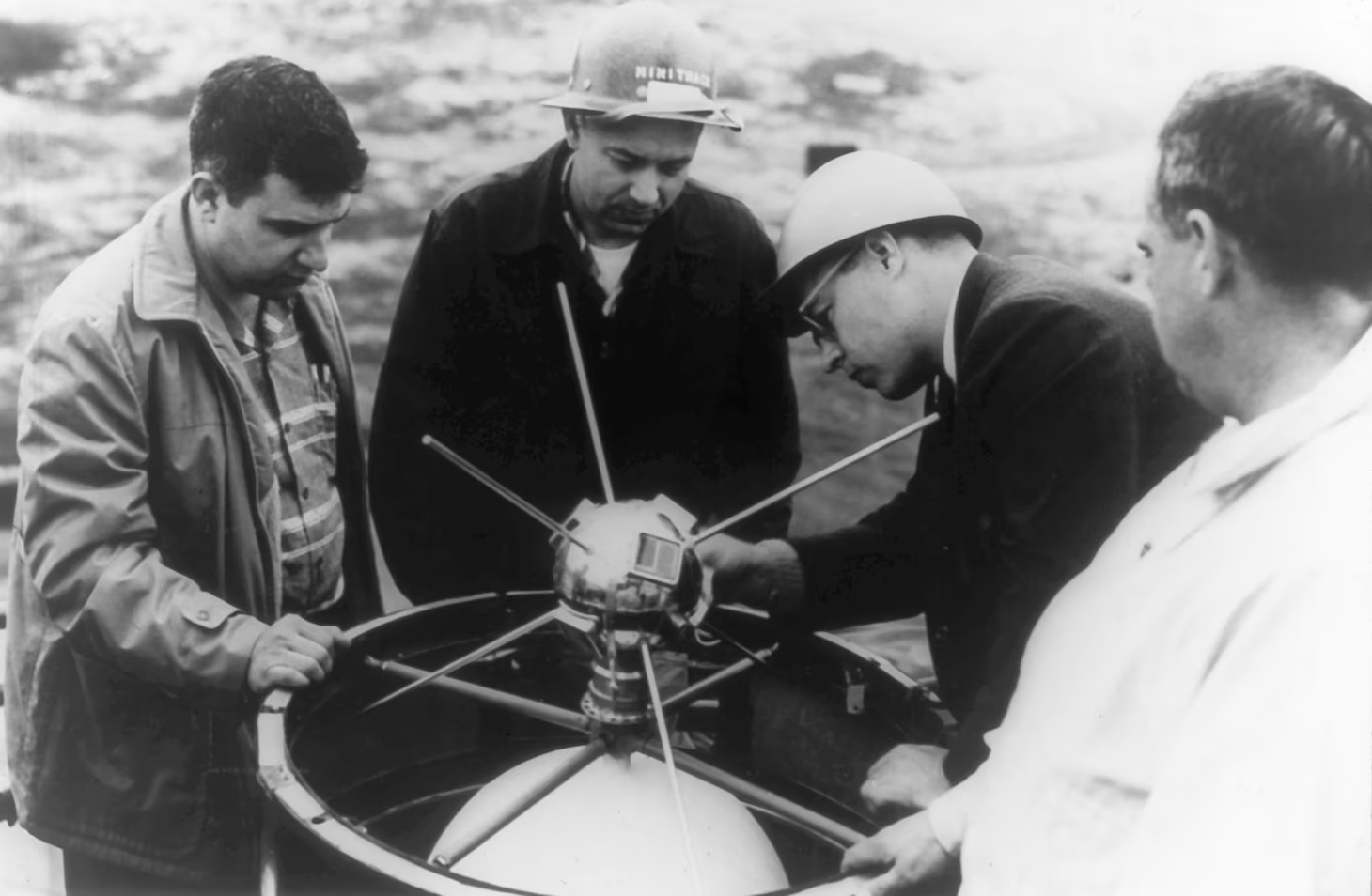
How the U.S. Navy's Vanguard rocket became a Cold War icon, launched the world's oldest satellite still in orbit, and laid the groundwork for NASA's space exploration efforts.
Today's brief covers next-generation missile defense strategies, NASA's Dream Chaser contract updates, and technological advances in Air Force cyber defense.

MDA Space acquires Blue Canyon Technologies for $620 million, and NASA's 2028 Aeolus Mars orbiter goes to a California startup instead of SpaceX.

Today's Space Brief delves into NASA's lunar nuclear power initiative, a strategic Army data integration project, and a rare SpaceX Falcon booster launch. Also covered are significant advancements in military satellite technology and Navy unmanned surface vehicles.
Today's brief covers the recent surge in SpaceX launches, Eutelsat's resolution of a OneWeb software issue, and various strategic previews for U.S. military branches in 2025.
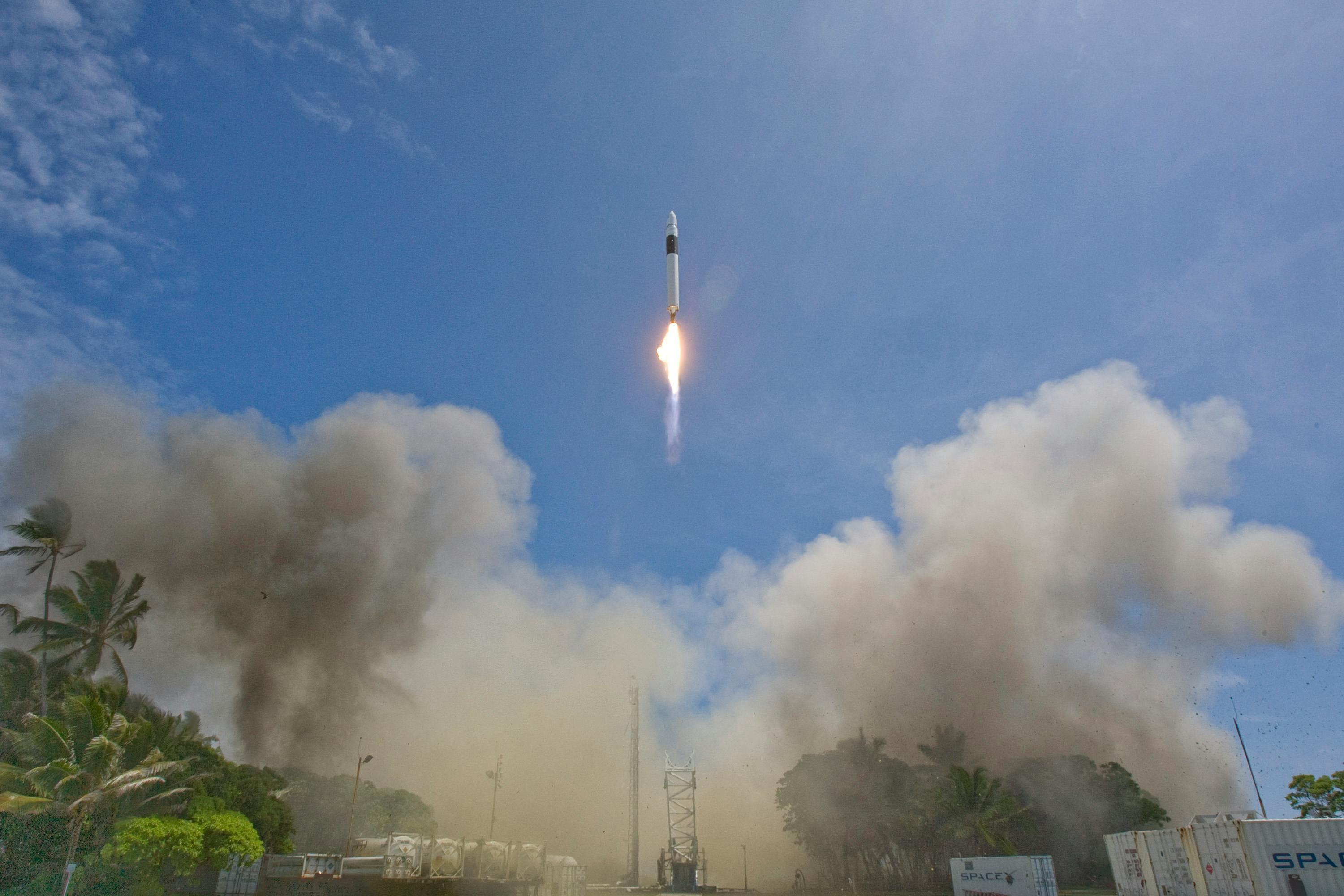
SpaceX celebrates significant milestones with its Starship preparations, approaches a landmark Falcon booster landing, and enhances the ISS orbit with Dragon technology.
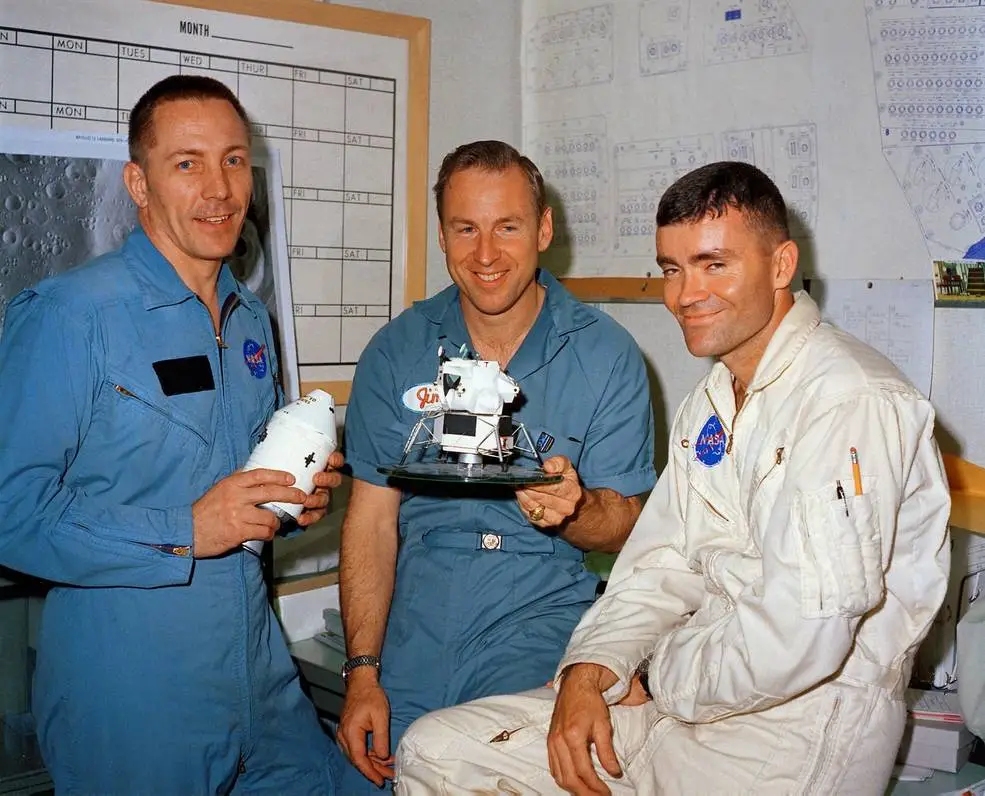
An overlooked thermostat, eight hours of overheating on a Florida launch pad, and 200,000 miles of coasting through deep space. Then Oxygen Tank No. 2 tore itself apart, and three men had to figure out how to come home alive in a spacecraft designed to land on the Moon.