



Space Brief 8 Dec 2025
Today's edition covers SpaceX scrubbing and successfully launching Starlink satellites, AI innovations in spacecraft propulsion, and the impact of SPHERE's debris disk survey in discovering hidden asteroid belts.


Launch Date
September 14, 2013
Launch Site
KSCUT
Launch Pad
EP
Launch Vehicle
Epsilon
NORAD ID
39253
International Designator
2013-049A
Epoch
Sat, 04 Jul 2026 05:10:06 GMT
Apogee
Calculating...
Perigee
Calculating...
Inclination
29.72°
Right Ascension
133.43°
Eccentricity
Calculating...
Argument of Perigee
154.91°
Period
106.23 min
Mean Motion
13.56 rev/day
Latitude
Calculating...
Longitude
Calculating...
Altitude
Calculating...
Velocity
Calculating...
Name
HISAKI (SPRINT-A)
Alternative Name
Hisaki
Type
Status
Owner
ISASJ
Country
Japan
Constellation
N/A
Related Satellites
Major Events
N/A
1 39253U 13049A 26185.21535509 .00000098 00000-0 43446-4 0 9993
2 39253 29.7181 133.4349 0136894 154.9067 205.8232 13.55545990633732
Source: Celestrak
Length
4
Diameter
1
Span
6
Dry Mass
340
Launch Mass
340
Shape
Box+2 pan
Radar Cross Section
1.9392
Visual Magnitude
Unknown
Color
Unknown
Material Composition
Unknown
Payload
SPRINT-A
Purpose
Astronomy
Mission
Astronomy
Manufacturer
ISASJ
Life Expectancy
Unknown
Bus
SPRINT-A
Configuration
NEXTAR NX-300L
Motor
Unknown
Equipment
EUV spectrometer, guiding camera
Power System
2 deployable solar arrays, batteries
ADCS
Unknown
Transmitter Frequency
Unknown
Learn more about satellites and other related topics.
Today's edition covers SpaceX scrubbing and successfully launching Starlink satellites, AI innovations in spacecraft propulsion, and the impact of SPHERE's debris disk survey in discovering hidden asteroid belts.
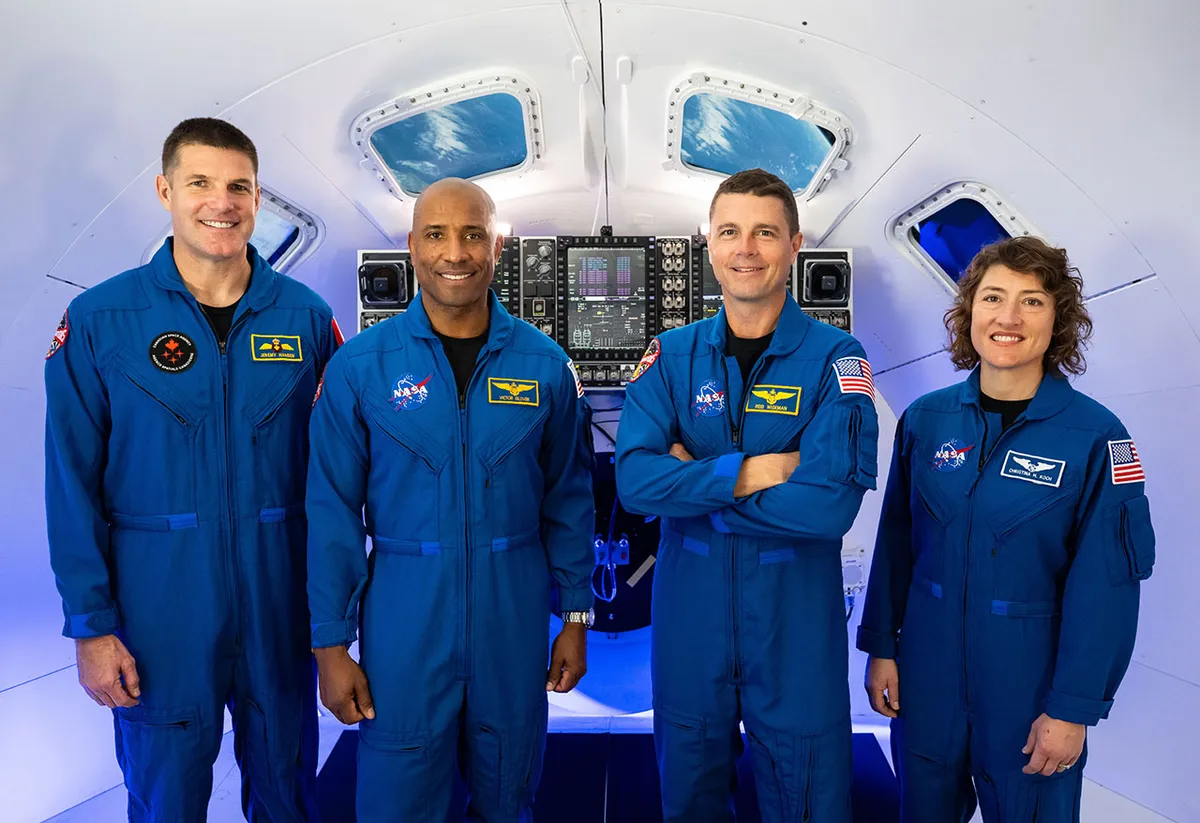
Four astronauts, a patched-together heat shield, and a $50 billion question: whether NASA can still send humans beyond low Earth orbit. Tomorrow, we find out.

Fourteen years ago, Space Shuttle Discovery thundered into orbit one last time, carrying a robot astronaut and capping a remarkable 27-year career that revolutionized space exploration

Today's highlights include the cancellation of Starship landing plans, Planet Labs' defense expansion, and cutting-edge radiation-hardened tech for space and defense.

Blue Origin launch pad rebuild begins at Cape Canaveral after the New Glenn explosion, targeting return to flight by end of 2026. SpaceX flies NROL-179.

Today's briefing covers the latest developments in satellite intelligence funding, new mandates affecting space launch and missile defense, and the early conclusion of a private astronaut mission. We also discuss Firefly Aerospace's plans to go public and stunning imagery from NASA's Parker Solar Probe.
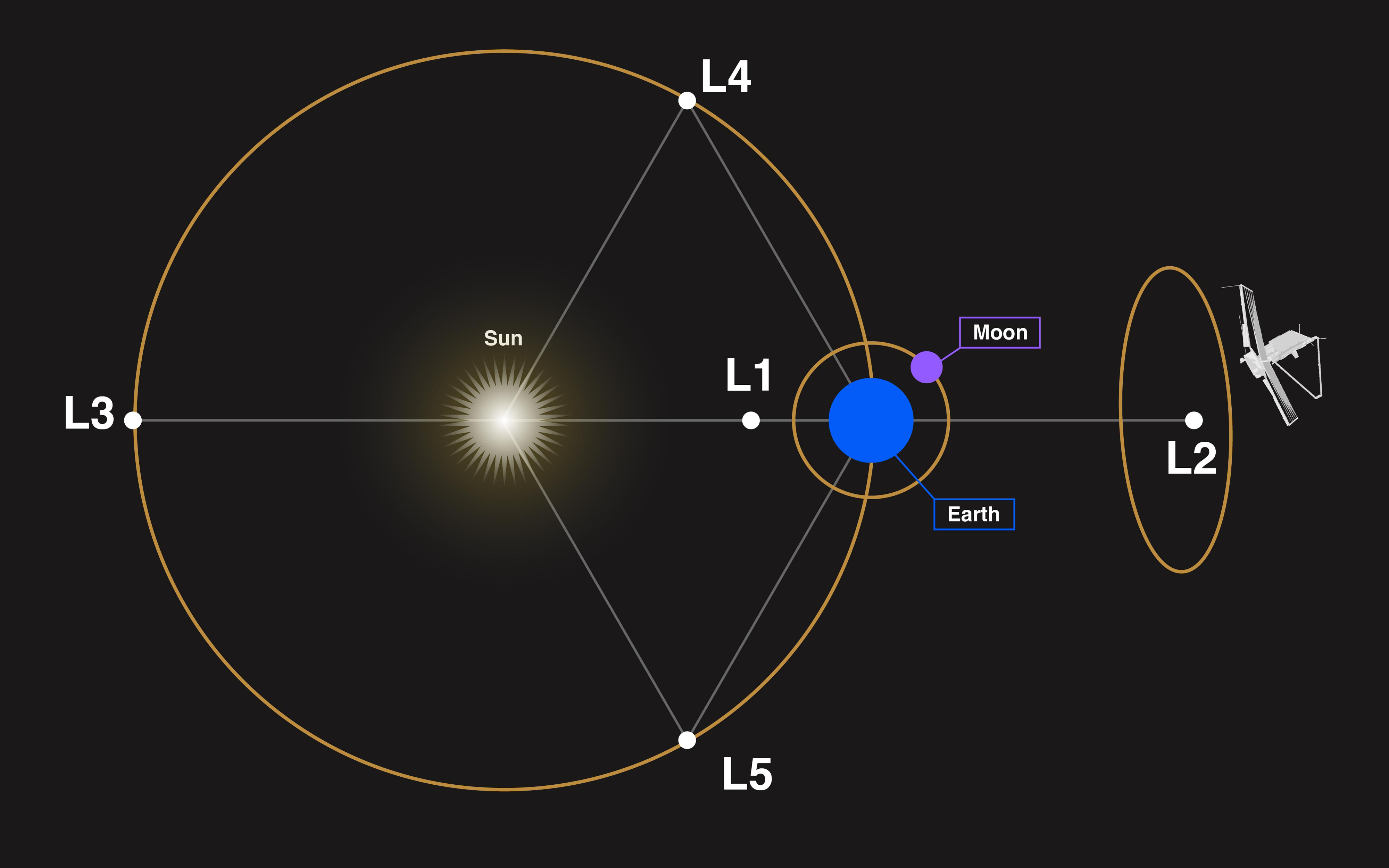
Five spots in the Earth-Sun system where the gravitational tug of two massive bodies and the pull of circular motion all cancel out, creating gravitational parking spaces where spacecraft can sit for decades with almost no fuel.
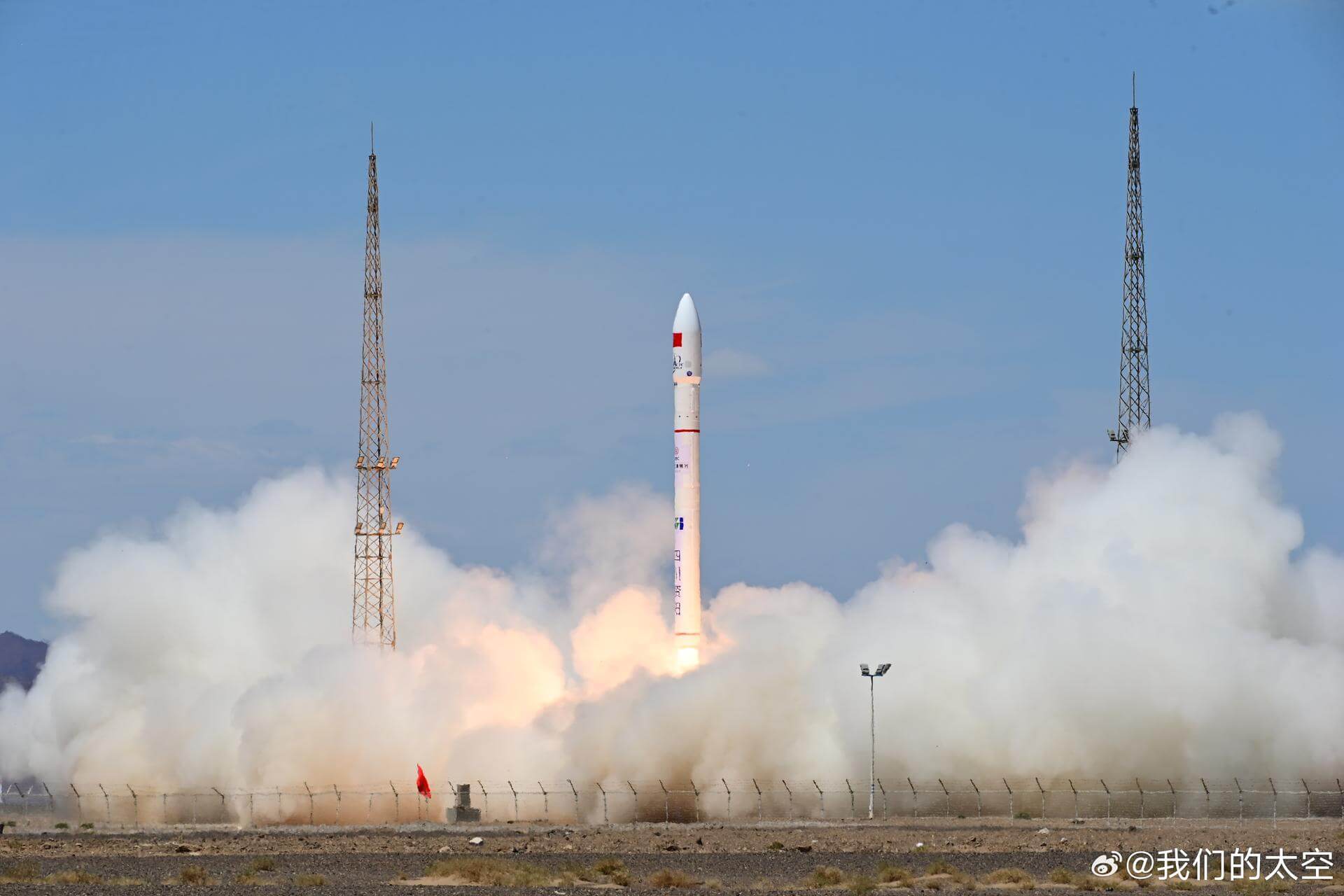
Today's brief covers developments in US military space initiatives, advancements in missile technology, and notable military contractor activities.