


X Report 31 Dec 2025
Vandenberg Space Force Base opens a new launch site that may accommodate SpaceX's Starship. Meanwhile, Starlink continues to expand its service capabilities.


Launch Date
March 19, 2013
Launch Site
Launch Pad
SLC41
Launch Vehicle
Atlas V 401
NORAD ID
39120
International Designator
2013-011A
Epoch
Fri, 03 Jul 2026 11:59:14 GMT
Apogee
Calculating...
Perigee
Calculating...
Inclination
4.52°
Right Ascension
52.51°
Eccentricity
Calculating...
Argument of Perigee
41.06°
Period
1436.10 min
Mean Motion
1.00 rev/day
Latitude
Calculating...
Longitude
Calculating...
Altitude
Calculating...
Velocity
Calculating...
Name
SBIRS GEO-2 (USA 241)
Alternative Name
SBIRS GEO-2
Type
Status
Owner
AFSPC
Country
United States
Constellation
N/A
Related Satellites
Major Events
N/A
1 39120U 13011A 26184.49947834 -.00000277 00000-0 00000-0 0 9997
2 39120 4.5243 52.5130 0001983 41.0607 317.9531 1.00271289 48696
Source: Celestrak
Length
6
Diameter
2.5
Span
25
Dry Mass
2500
Launch Mass
4500
Shape
Box + 2 Pan
Radar Cross Section
13.5893
Visual Magnitude
Unknown
Color
Unknown
Material Composition
Unknown
Payload
SBIRS GEO SV2
Purpose
Early Warning
Mission
Early Warning
Manufacturer
LMSS
Life Expectancy
12 years
Bus
A2100
Configuration
A2100M
Motor
Leros 1C
Equipment
2 SBIRS sensors (scanning and staring)
Power System
2 deployable solar arrays, batteries
ADCS
Unknown
Transmitter Frequency
Unknown
Learn more about satellites and other related topics.
Vandenberg Space Force Base opens a new launch site that may accommodate SpaceX's Starship. Meanwhile, Starlink continues to expand its service capabilities.

Delve into the latest on military AI leadership debates, Wedgetail funding increases, and the Army's Short Range Reconnaissance Program advancements. Explore how these developments influence satellite tracking and defense initiatives.
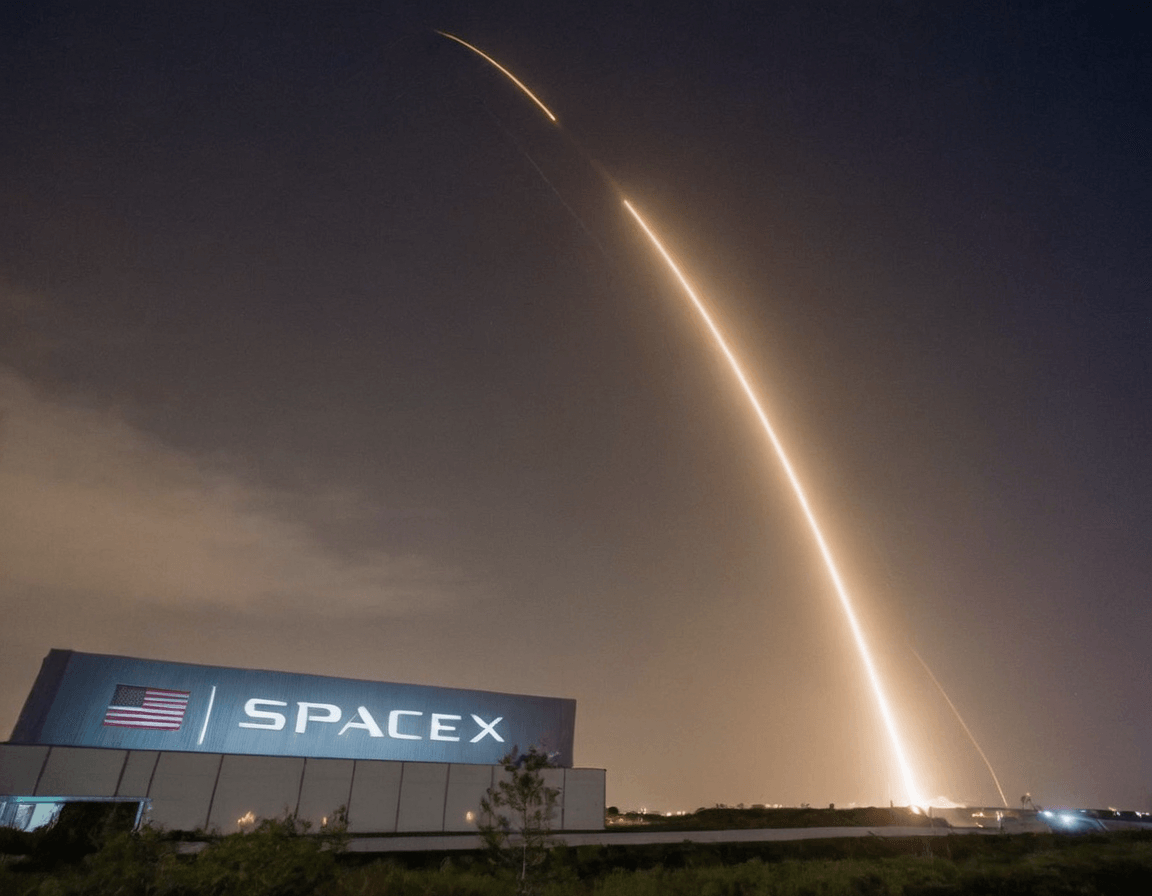
SpaceX successfully returns to flight with a Starlink mission, detailing the cause of the July 11 anomaly and implementing fixes to prevent future incidents.
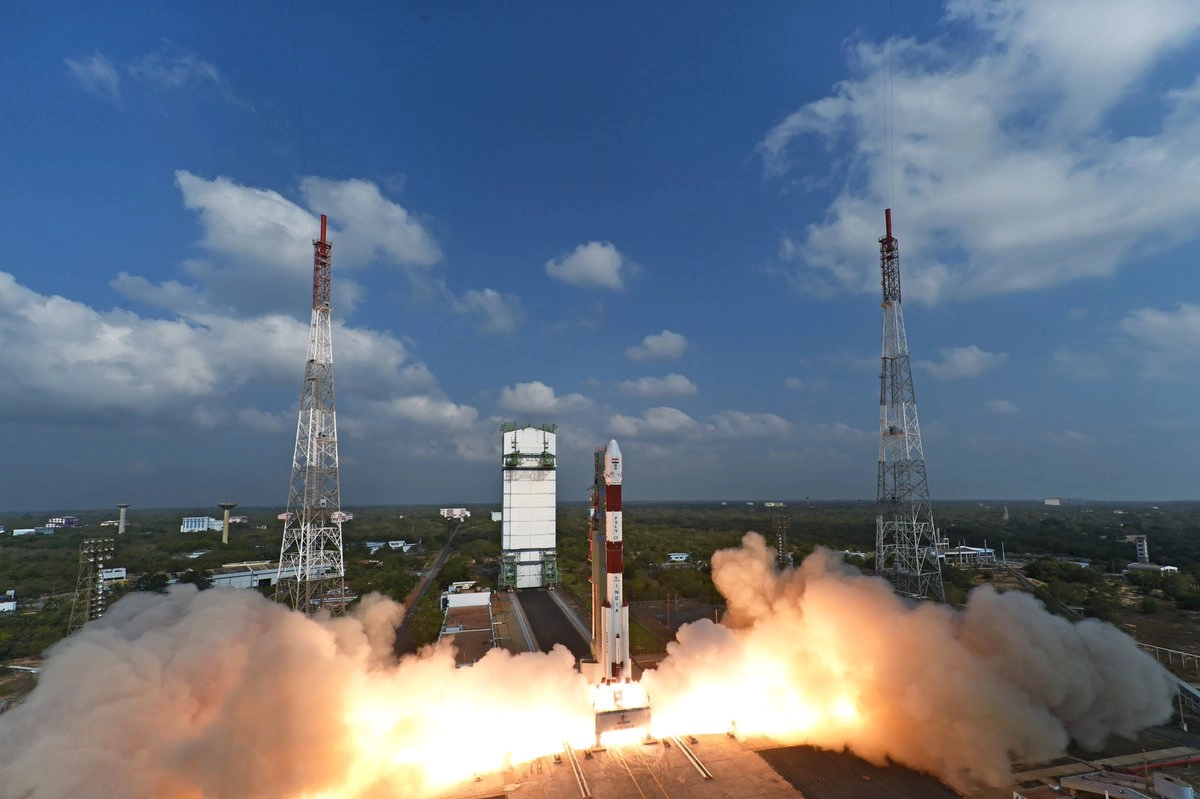
Eight years ago, a single Indian rocket launched 104 satellites into orbit, marking a pivotal moment when space tracking professionals realized the dawn of a new, congested era in orbital operations

Today's highlights include a new 5G demonstration launch on Firefly, potential supply chain interruptions in the defense sector, and updates on Artemis and ULA launches.
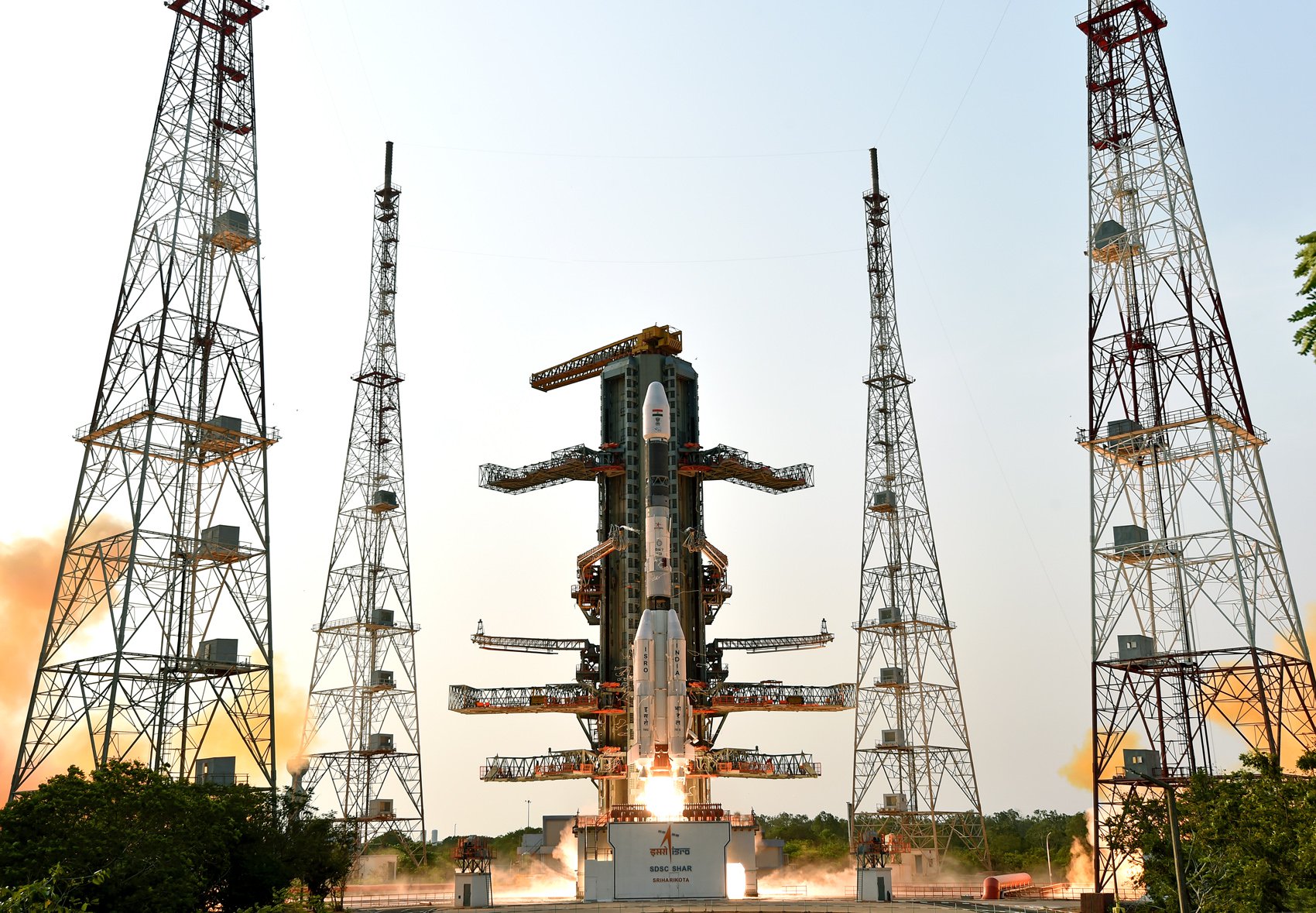
Today's highlights include a record-breaking high-altitude image of the sun, SpaceX's latest Starlink satellite launch, and various military developments. Stay informed with detailed updates on launches, reentries, and the latest advancements in drone technology.
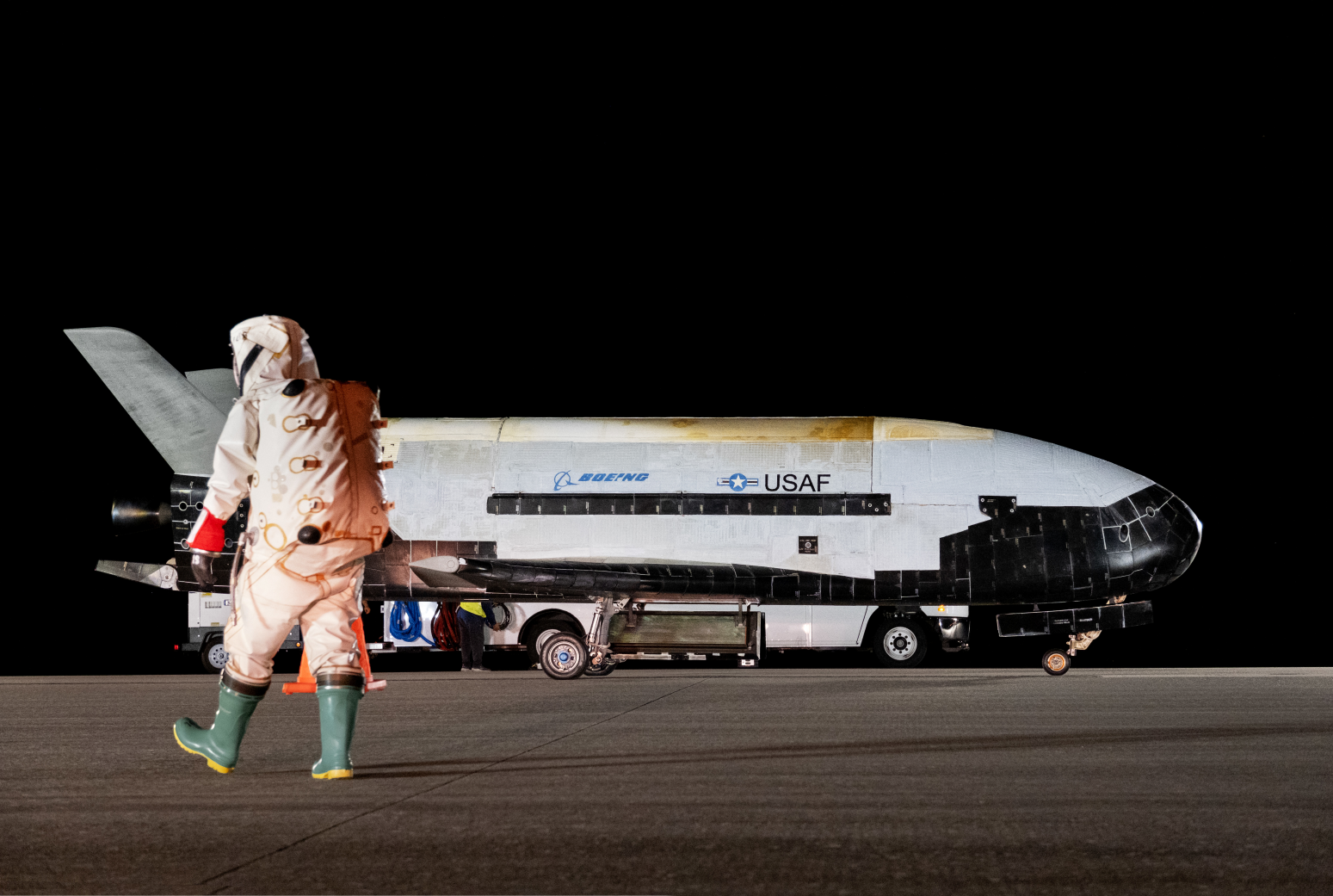
On April 22, 2010, an Atlas V lifted off from Cape Canaveral carrying a reusable robotic spaceplane so secret that the Air Force would not even confirm its mission duration. It came back 224 days later, lighter, quieter, and more operational than anyone outside Washington had expected. Fifteen years later, the X-37B is still flying, and the military still will not say what it does.
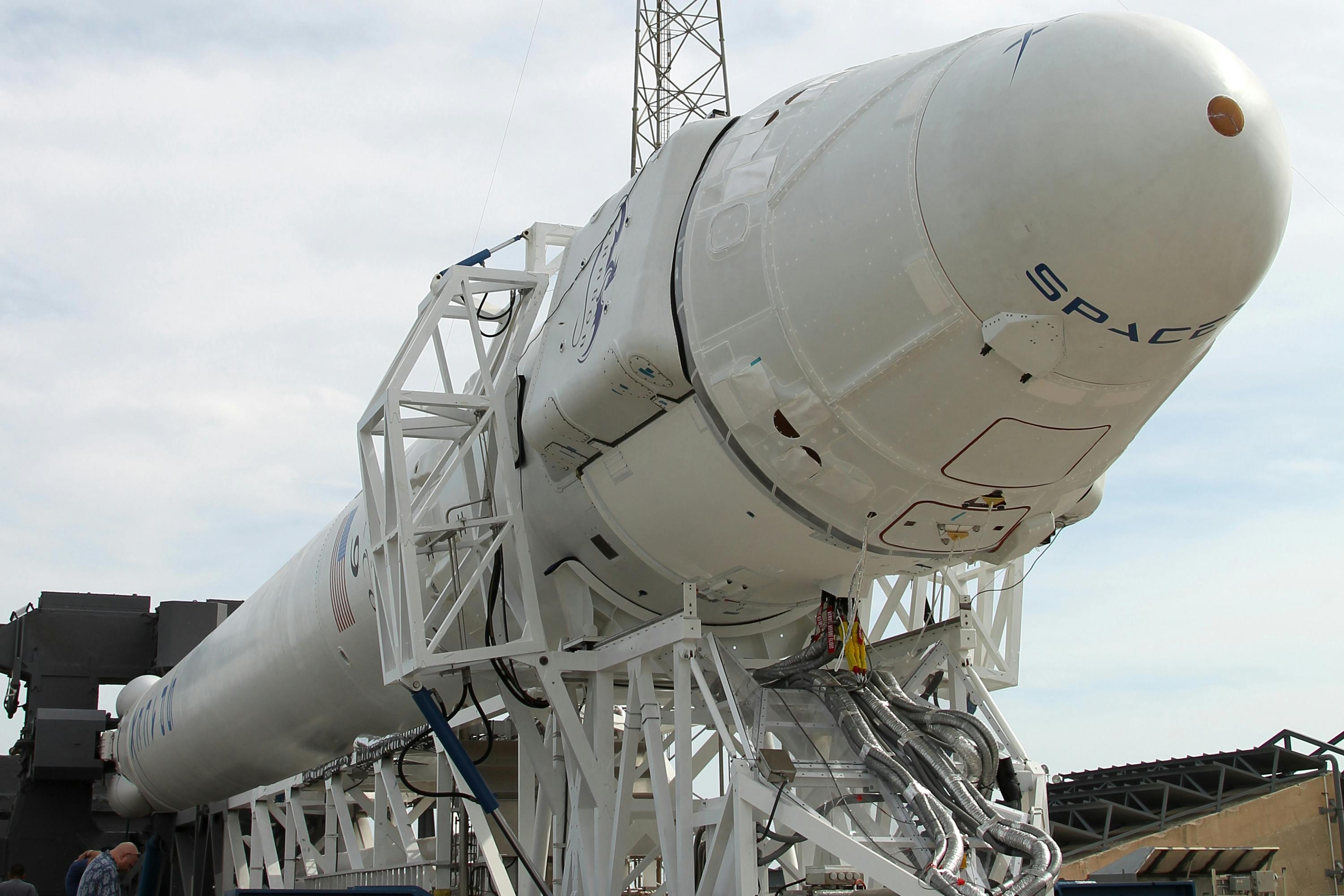
SpaceX sets sights on new frontiers with the imminent Starlink launch and upcoming Blue Ghost moon lander mission.