


Space Brief 1 Dec 2024
Today's highlights: China's Long March 12 boosts lunar ambitions, SpaceX supports NRO's satellite infrastructure, Firefly prepares lunar mission, and NASA partners with SpaceX for Titan exploration.


Launch Date
January 27, 2013
Launch Site
TANSC
Launch Pad
Y
Launch Vehicle
H-IIA 202
NORAD ID
39061
International Designator
2013-002A
Decay Date
Unknown
Name
IGS 8A
Alternative Name
JSE reda-4 gouki
Type
Status
Owner
CSICE
Country
Japan
Constellation
N/A
Related Satellites
Major Events
N/A
Length
3
Diameter
4
Span
16.5
Dry Mass
1000
Launch Mass
1500
Shape
Box + 2 Pan
Radar Cross Section
3.606
Visual Magnitude
Unknown
Color
Unknown
Material Composition
Unknown
Payload
IGS Radar-4
Purpose
Reconnaissance, radar
Mission
Reconnaissance, radar
Manufacturer
MELCO
Life Expectancy
Unknown
Bus
IGS-R
Configuration
?
Motor
?
Equipment
?
Power System
Unknown
ADCS
Unknown
Transmitter Frequency
Unknown
Learn more about satellites and other related topics.
Today's highlights: China's Long March 12 boosts lunar ambitions, SpaceX supports NRO's satellite infrastructure, Firefly prepares lunar mission, and NASA partners with SpaceX for Titan exploration.

SpaceX wins a $4.16B US Space Force contract for an airborne threat tracking satellite network. Starlink holds 10,413 satellites in orbit, 10,397 working.
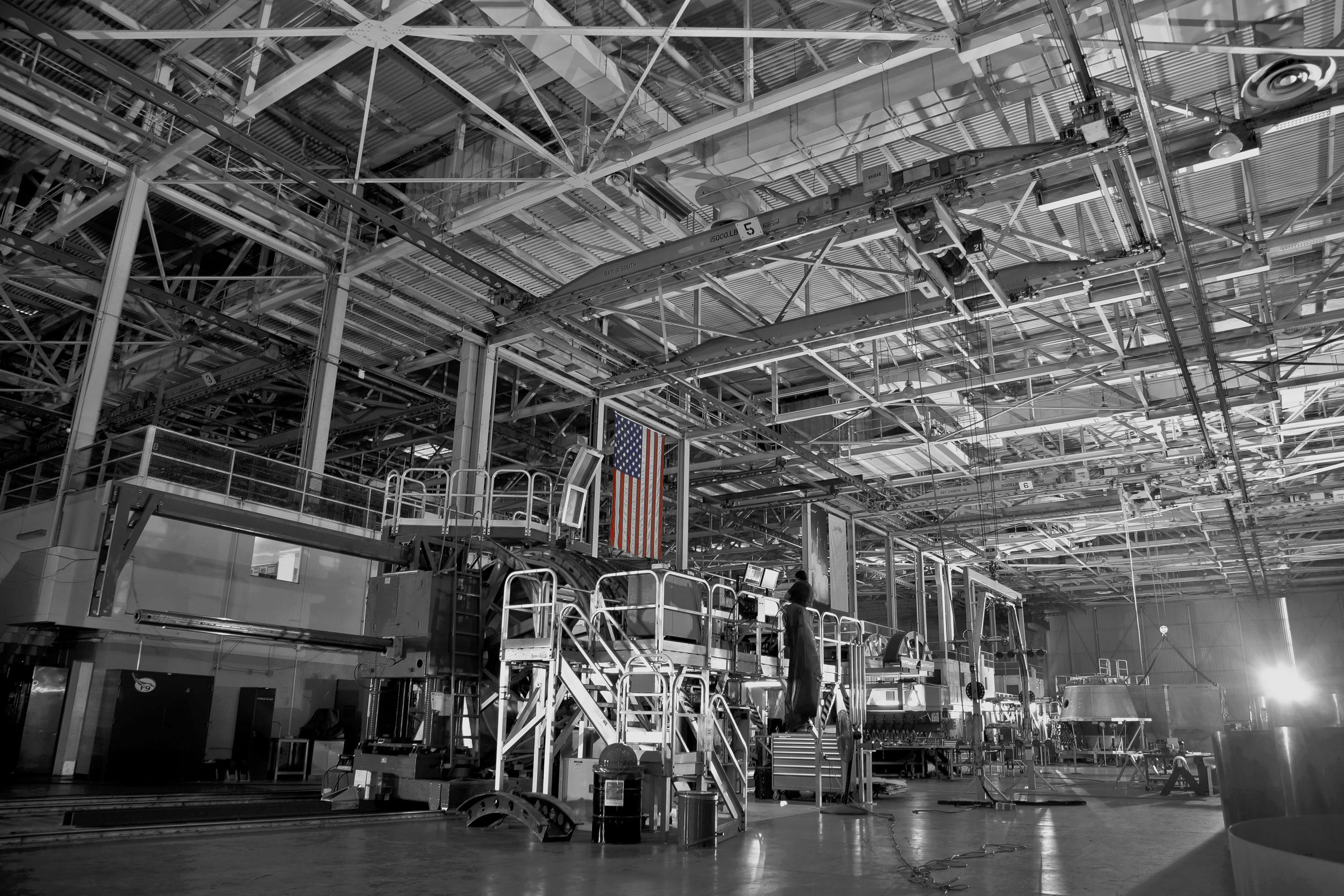
A HIGH-risk conjunction between STARLINK-4621 and the defunct SL-18 rocket body leads the July 11 safety picture, with eight Starlink satellites set to reenter through July 14.
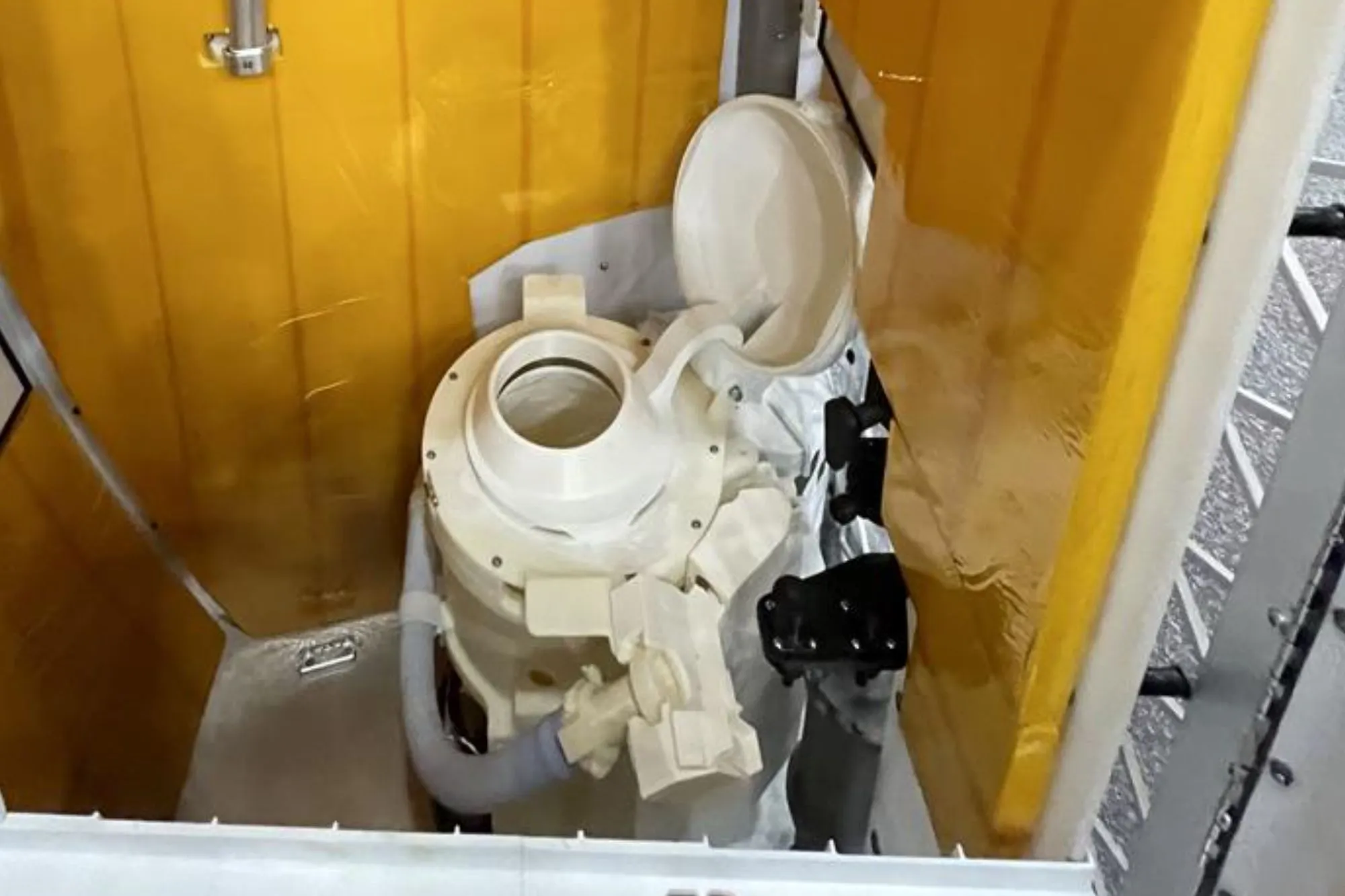
Sixty years of space toilet engineering, a decade of development, and a $30 million contract - and the Artemis II crew still had to pee in bags on Day 1.
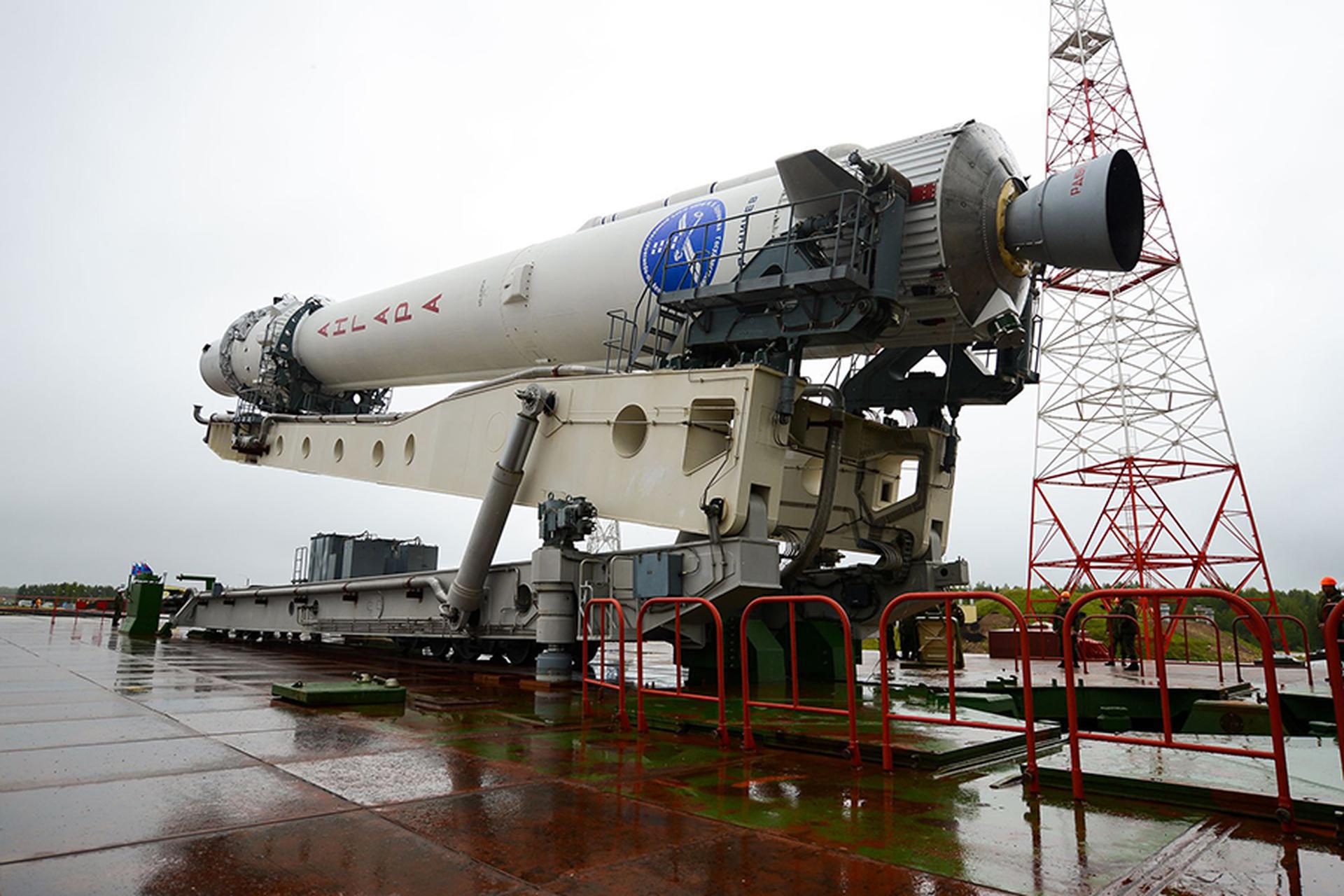
Today's highlights include SpaceX's record-breaking Falcon 9 launches, Dream Chaser's testing success, and Blue Origin's latest New Glenn achievements.
Space Force procures second Otter spacecraft for satellite repositioning. Momentus and NASA sign Space Act Agreement for orbital servicing tests. Pentagon delays contractor review.
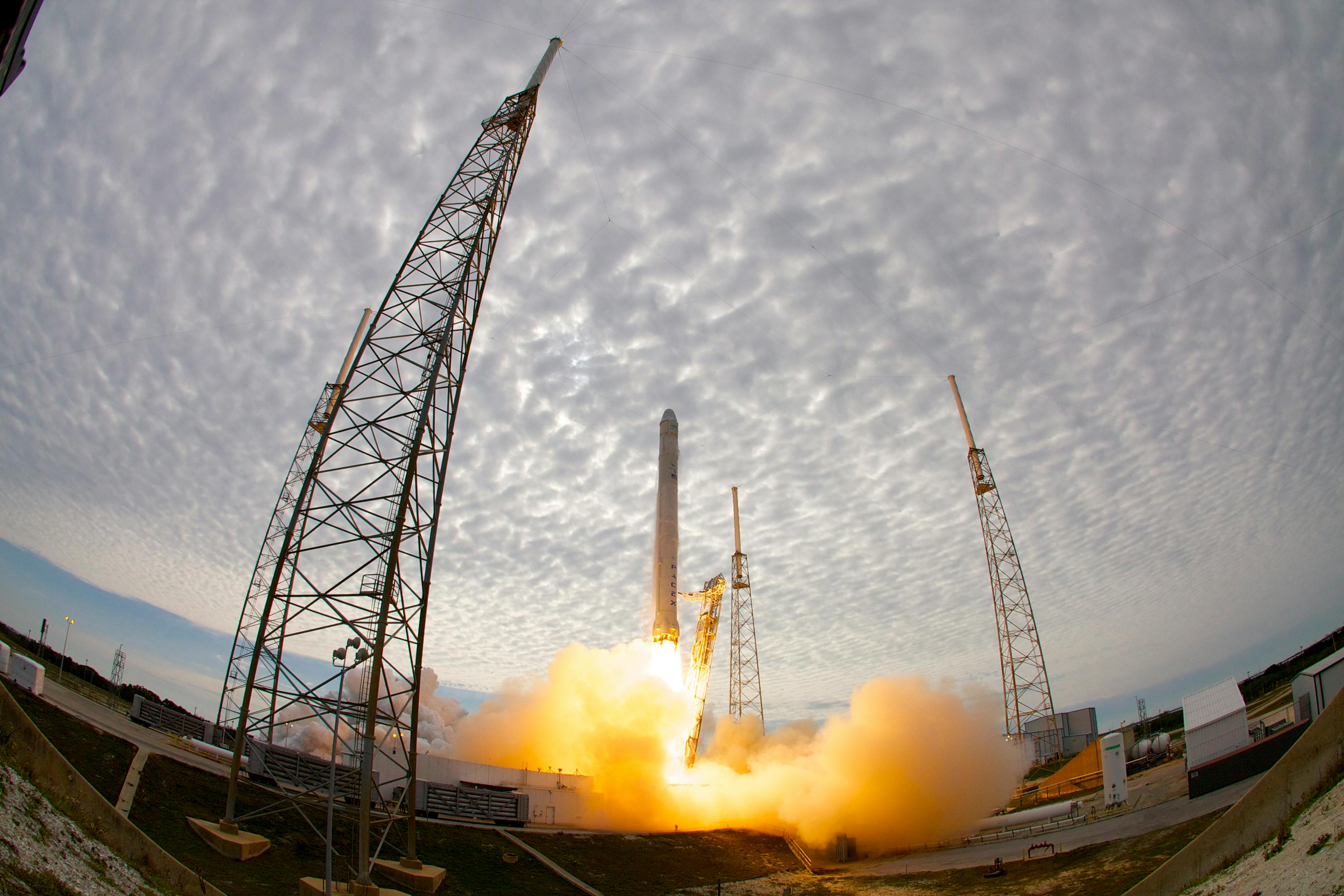
SpaceX celebrates significant milestones with its 100th launch of the year, enhancing Starlink's coverage while preparing for an escalating Starship production cadence.
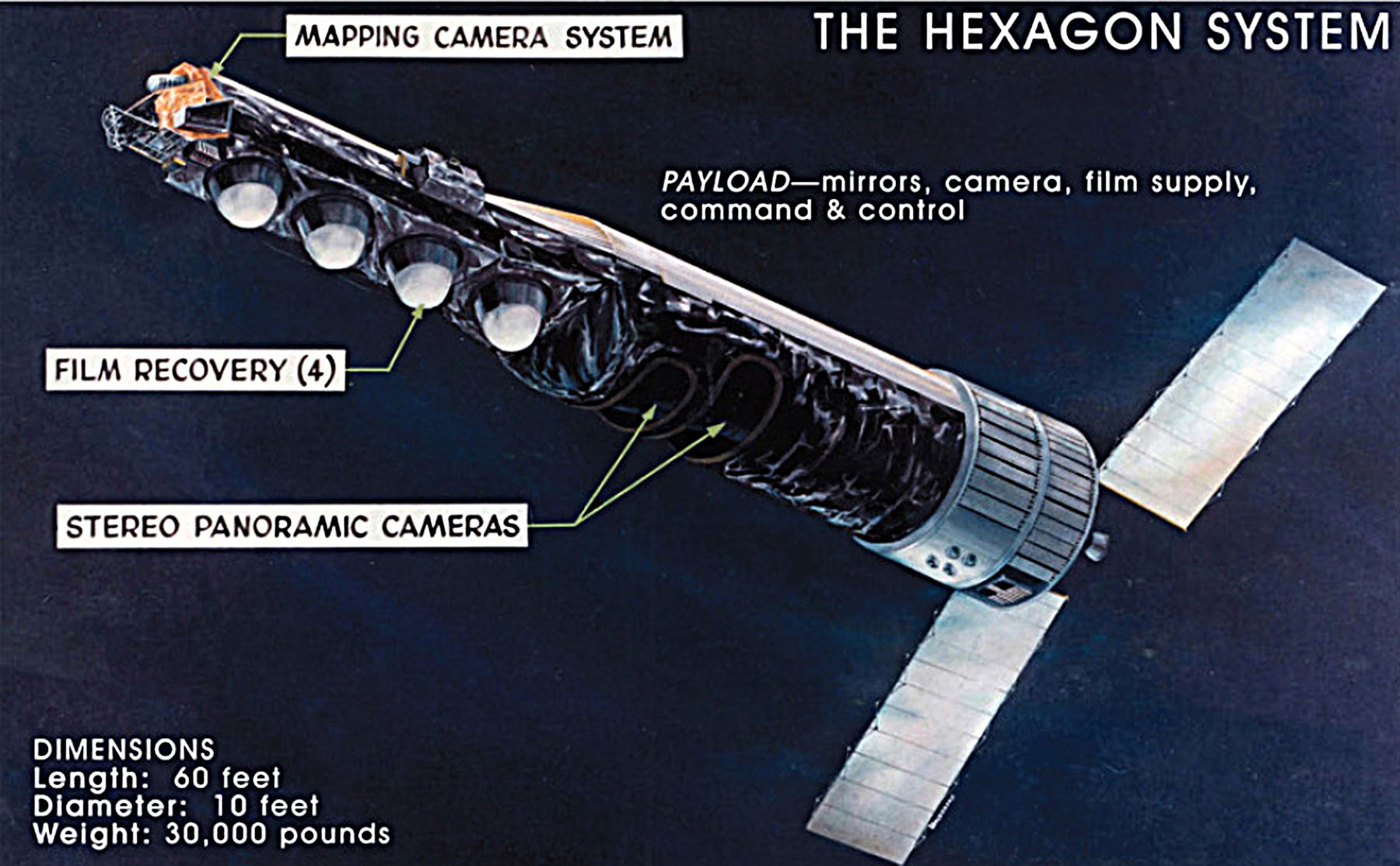
On January 20, 1972, the second KH-9 HEXAGON lifted off from Vandenberg - carrying the most sophisticated reconnaissance system ever built by engineers who weren't allowed to say 'film,' 'camera,' or even talk to each other about what they were doing.