

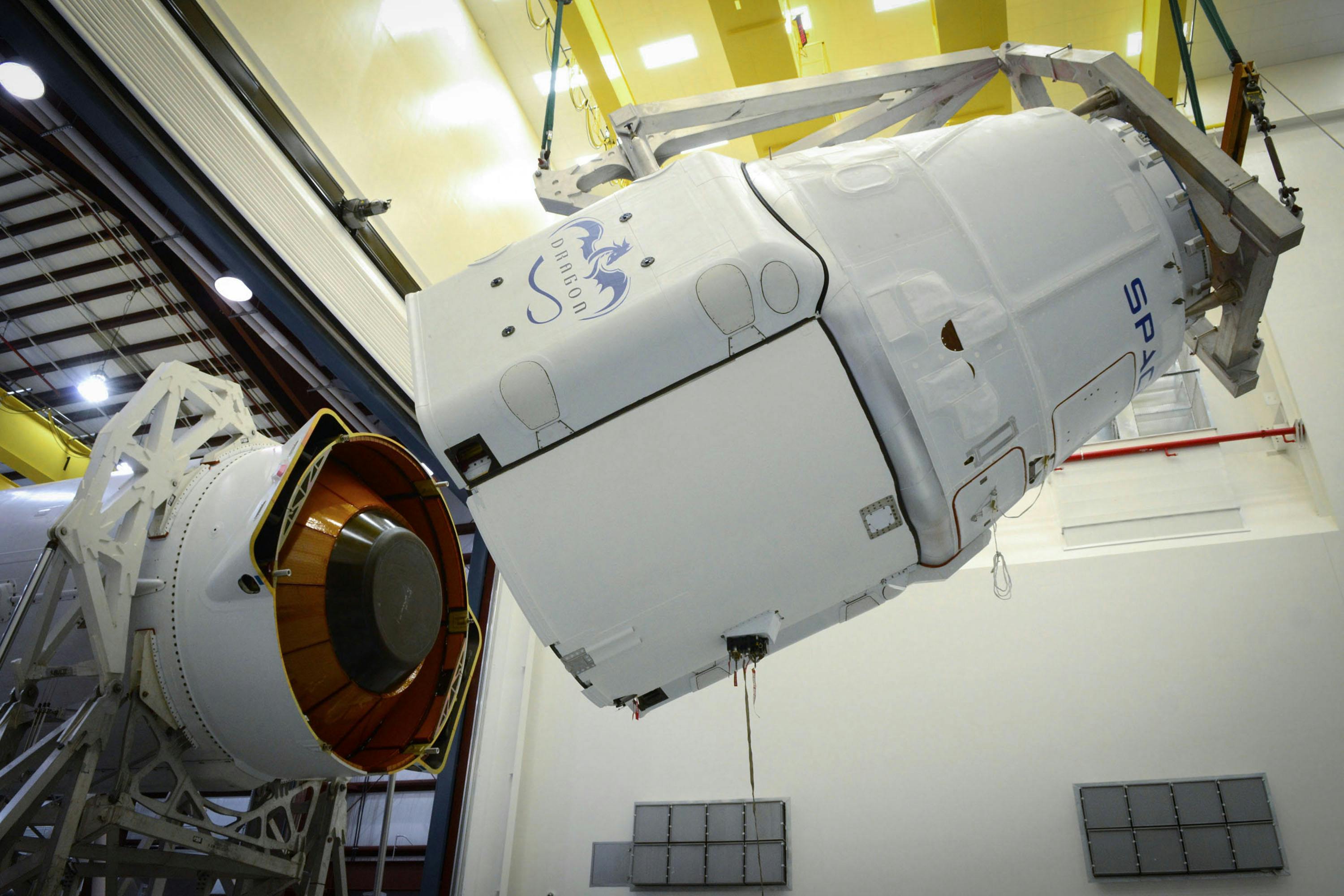
X Report 28 Nov 2024
SpaceX advances with Starship, gains FCC approval for new services, and predicts a future shift in spacecraft dominance.


Launch Date
December 11, 2012
Launch Site
Launch Pad
SLC41
Launch Vehicle
Atlas V 501
NORAD ID
39025
International Designator
2012-071A
Decay Date
10/17/2014
Name
OTV 3 (USA 240)
Alternative Name
X-37B OTV-3
Type
Status
Owner
AFRCO
Country
United States
Constellation
N/A
Related Satellites
Major Events
N/A
Length
8.8
Diameter
2.9
Span
8.8
Dry Mass
5000
Launch Mass
5000
Shape
Half Cyl + 2 Wing
Radar Cross Section
Unknown
Visual Magnitude
Unknown
Color
Unknown
Material Composition
Unknown
Payload
X-37B No. 1 F2
Purpose
Reusable satellite
Mission
Reusable satellite
Manufacturer
BOHB
Life Expectancy
270 days (nominal); 225 days (#1); 469 days (#2); 675 days (#3)
Bus
X-37
Configuration
reusable space plane
Motor
AOCS
Equipment
?
Power System
Deployable solar array, batteries
ADCS
Unknown
Transmitter Frequency
Unknown
Learn more about satellites and other related topics.
SpaceX advances with Starship, gains FCC approval for new services, and predicts a future shift in spacecraft dominance.

Today's brief covers the recent surge in SpaceX launches, Eutelsat's resolution of a OneWeb software issue, and various strategic previews for U.S. military branches in 2025.
MDA Space and Hanwha target South Korea's K-LEO defense satellite network. House passes $839B defense bill. Pentagon picks 25 vendors for $150M drone competition.
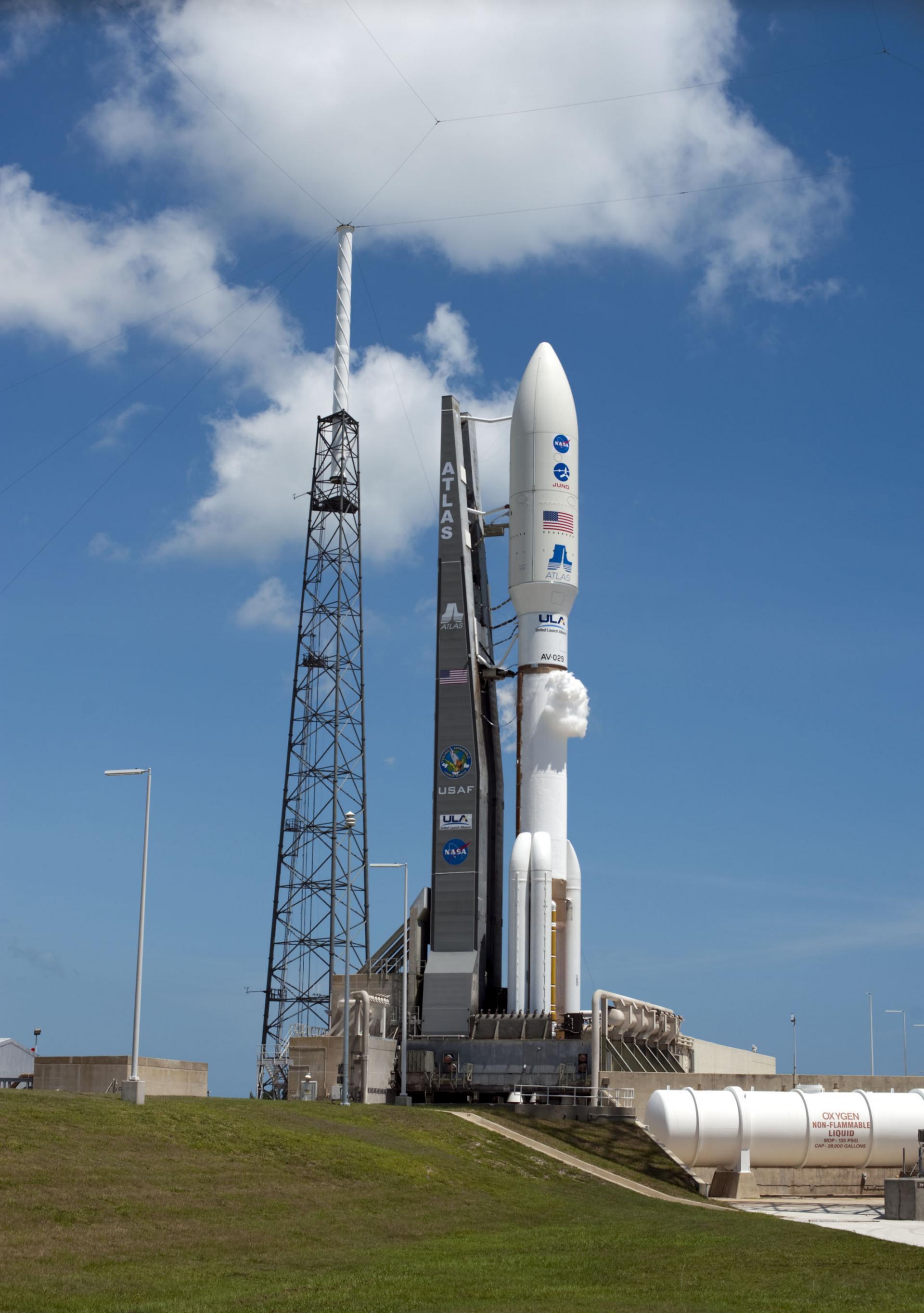
Falcon Heavy launched ViaSat-3 F3 on April 27, its 12th flight, with the first dual landing zone recovery. Plus Soyuz-5's demo flight nears at Baikonur.
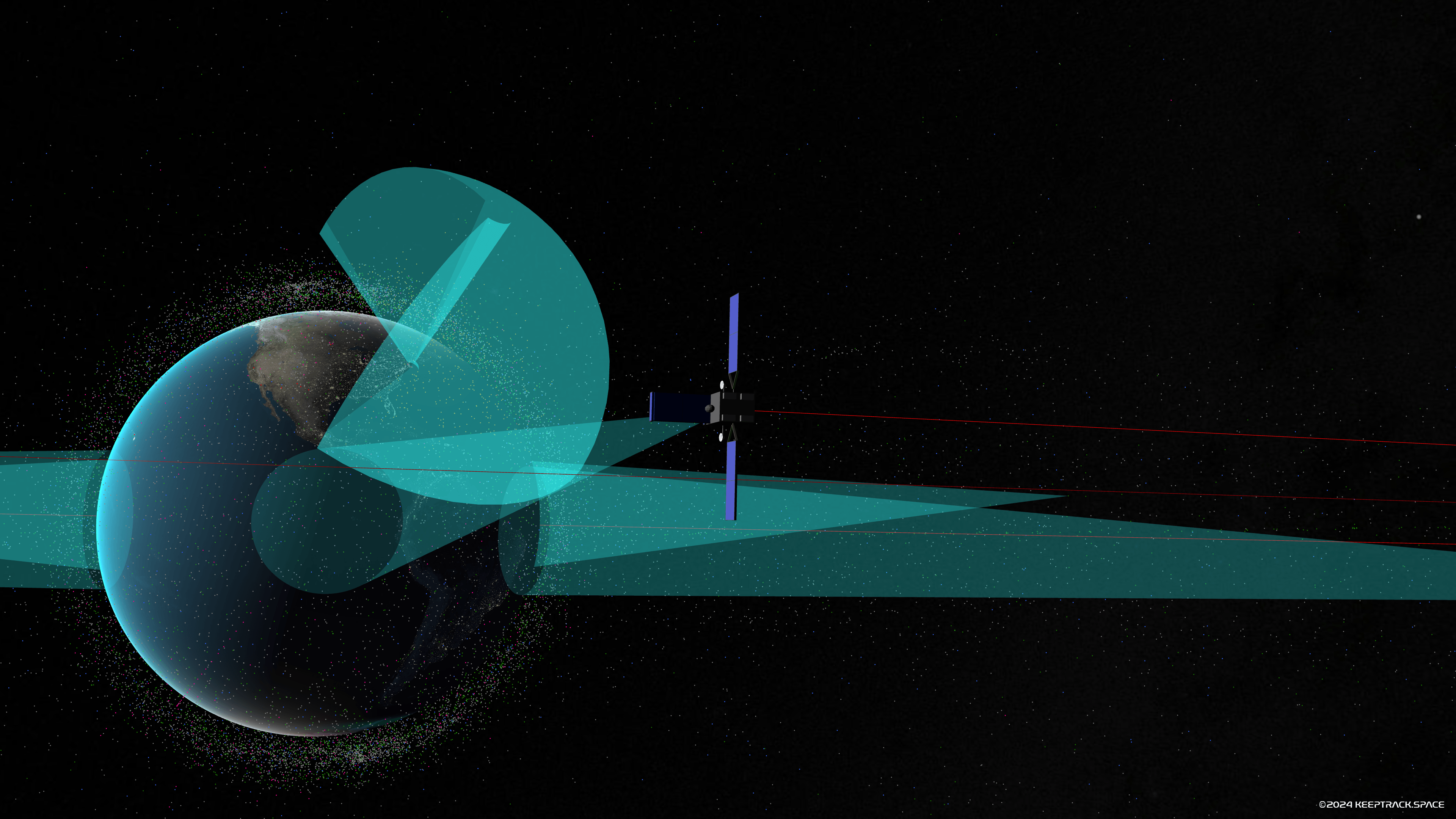
The latest update introduces 3D satellite FOV cones, advanced sensor capabilities, and enhanced timelines, improving the way users interact with satellite data.

SpaceX's Starship gains military attention, a feather-light achievement, and a busy week for Falcon 9.
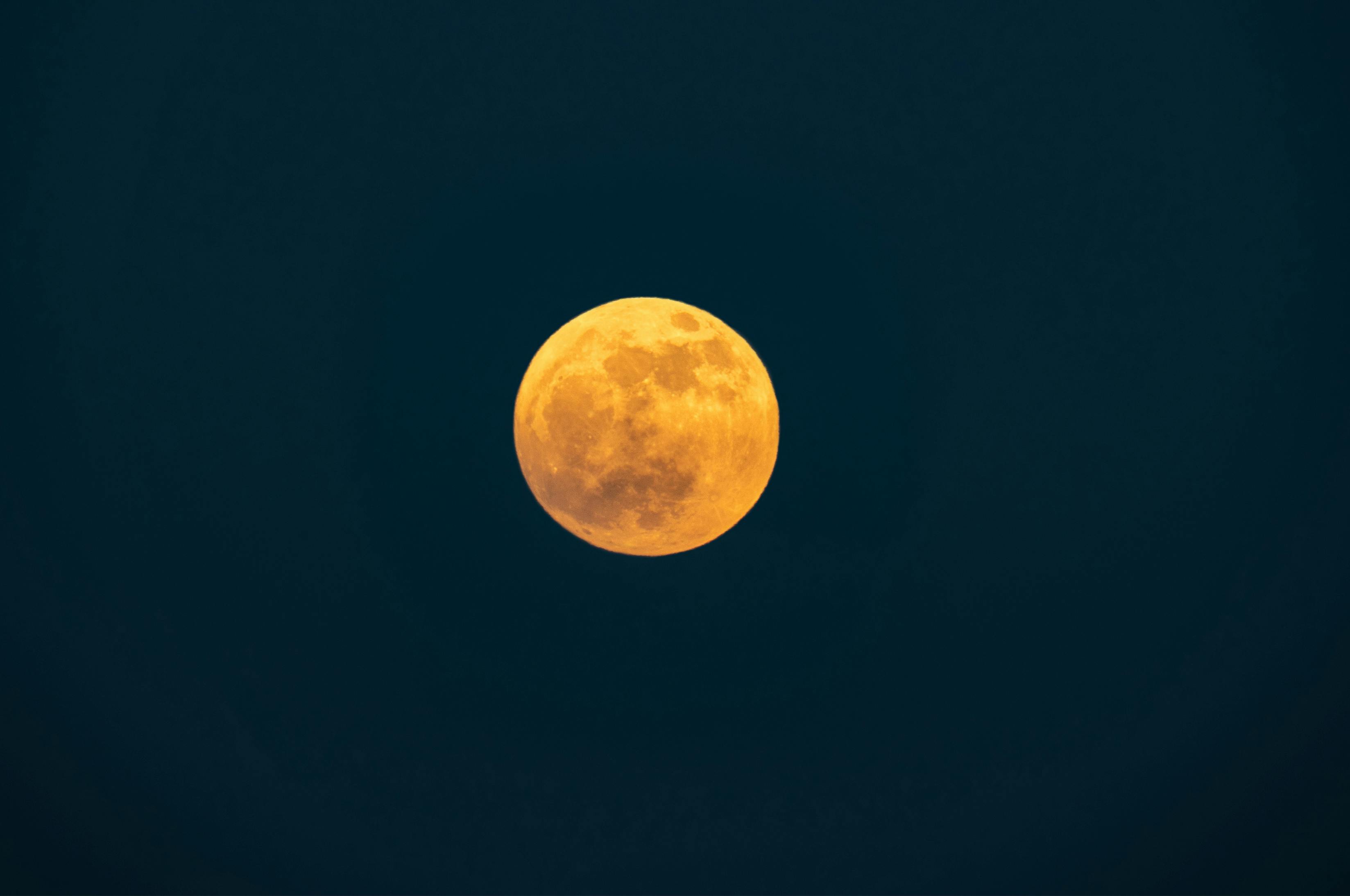
Today's Space Brief covers crucial satellite events including upcoming launches, military space developments, and exceptional celestial sightings.

Space debris poses a mounting threat to both satellites and space missions. As we send more objects into orbit, the likelihood of collisions and subsequent breakups producing dangerous space debris increases. Recognizing the major events that have generated this dangerous space junk is pivotal in ensuring the safety of future space missions.