


X Report 28 Jan 2025
SpaceX successfully launches 21 Starlink satellites, nearing milestone of 7,000 in orbit. Boeing and Airbus consider divesting from space, impacting industry dynamics.


Launch Date
November 25, 2012
Launch Site
JSC
Launch Pad
LC603
Launch Vehicle
Chang Zheng 4C
NORAD ID
39015
International Designator
2012-066E
Epoch
Sat, 04 Jul 2026 05:26:17 GMT
Apogee
Calculating...
Perigee
Calculating...
Inclination
63.35°
Right Ascension
267.49°
Eccentricity
Calculating...
Argument of Perigee
27.90°
Period
107.06 min
Mean Motion
13.45 rev/day
Latitude
Calculating...
Longitude
Calculating...
Altitude
Calculating...
Velocity
Calculating...
Name
CZ-4C DEB
Alternative Name
Subsatellite cover
Type
Status
Owner
CNSA
Country
China
Constellation
N/A
Related Satellites
Major Events
N/A
1 39015U 12066E 26185.22658745 -.00000023 00000-0 63404-4 0 9991
2 39015 63.3544 267.4921 0443191 27.9016 334.5029 13.45057490667916
Source: Celestrak
Length
0
Diameter
0
Span
0
Dry Mass
0
Launch Mass
0
Shape
N/A
Radar Cross Section
5.9615
Visual Magnitude
Unknown
Color
Unknown
Material Composition
Unknown
Payload
Unknown
Purpose
Unknown
Mission
Unknown
Manufacturer
CAST
Life Expectancy
Unknown
Bus
Unknown
Configuration
Unknown
Motor
Unknown
Equipment
Unknown
Power System
Unknown
ADCS
Unknown
Transmitter Frequency
Unknown
Learn more about satellites and other related topics.
SpaceX successfully launches 21 Starlink satellites, nearing milestone of 7,000 in orbit. Boeing and Airbus consider divesting from space, impacting industry dynamics.
Today's briefing covers Spire Global's new intelligence products, a significant military buildup in the Pacific, Space Force organizational changes, and more.
This week's highlights include the successful launch of the X-37B spaceplane and the deployment of 24 new Starlink satellites, alongside preparations for the upcoming Starship Flight 10.
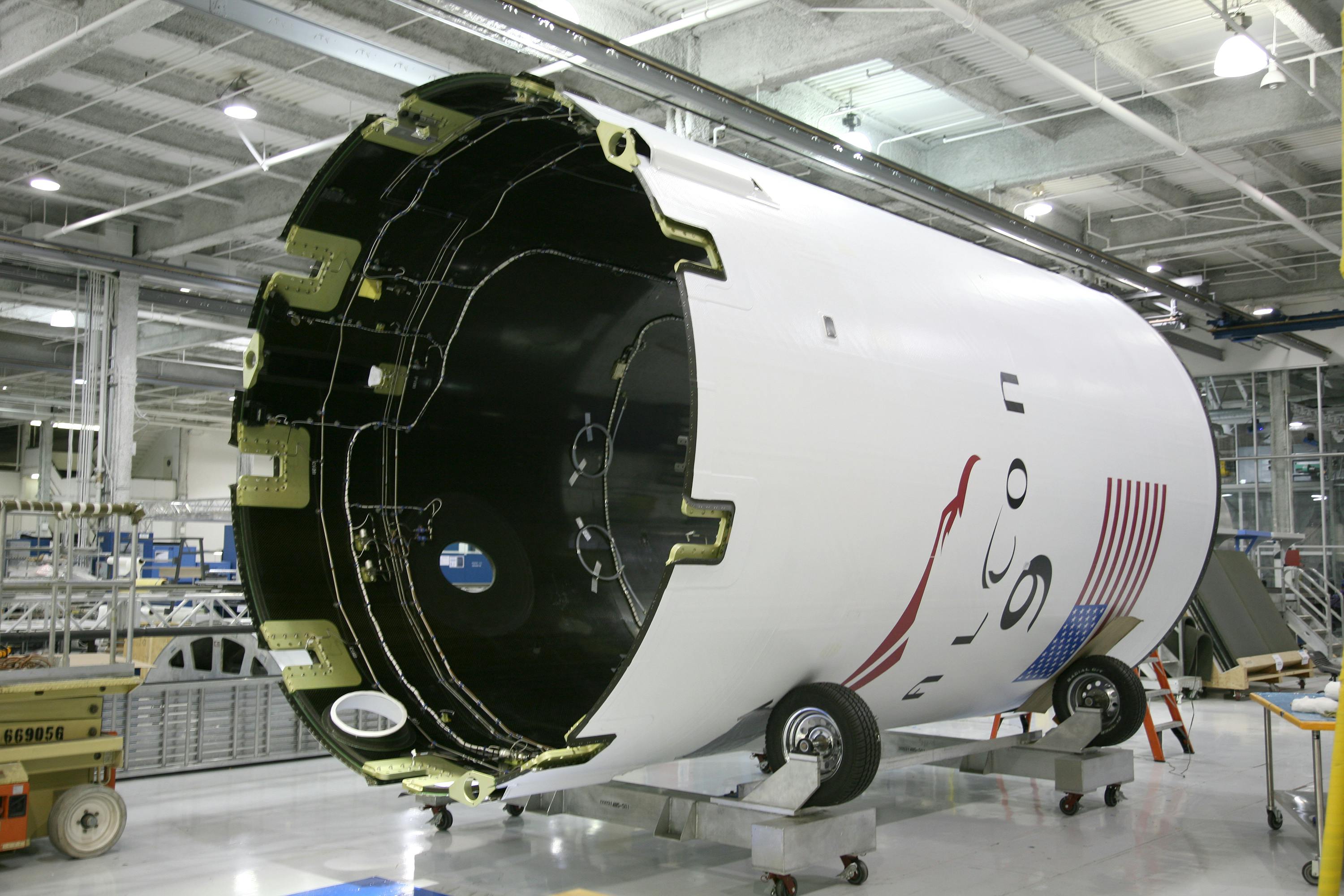
SpaceX gears up for distinctive Starship tests and milestone Starlink deployments as the new year takes off.

Starbase expansion progresses and Germany eyes its own satellite constellation.
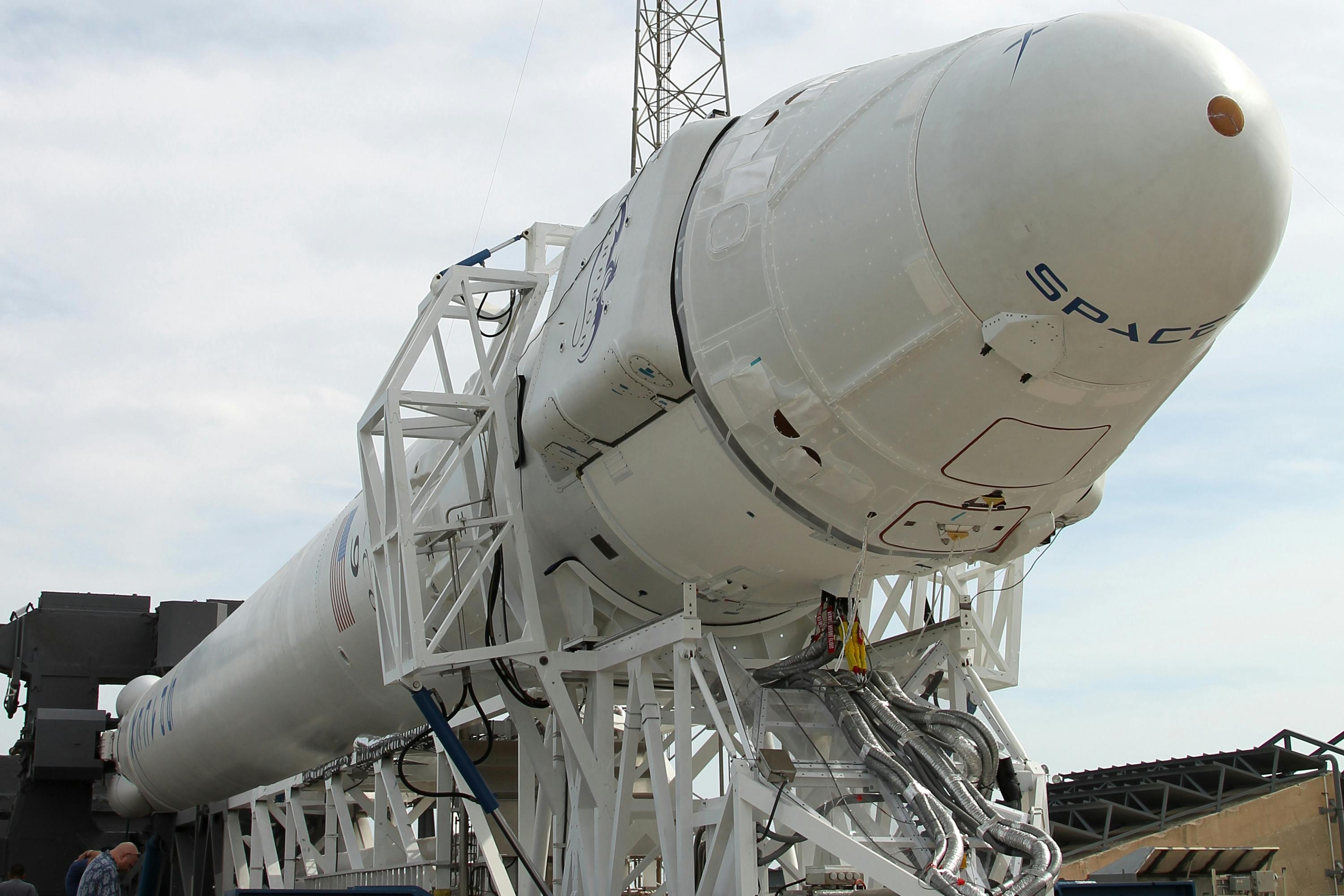
A week of highs and lows for SpaceX, including weather-related delays and a return to Falcon launches.
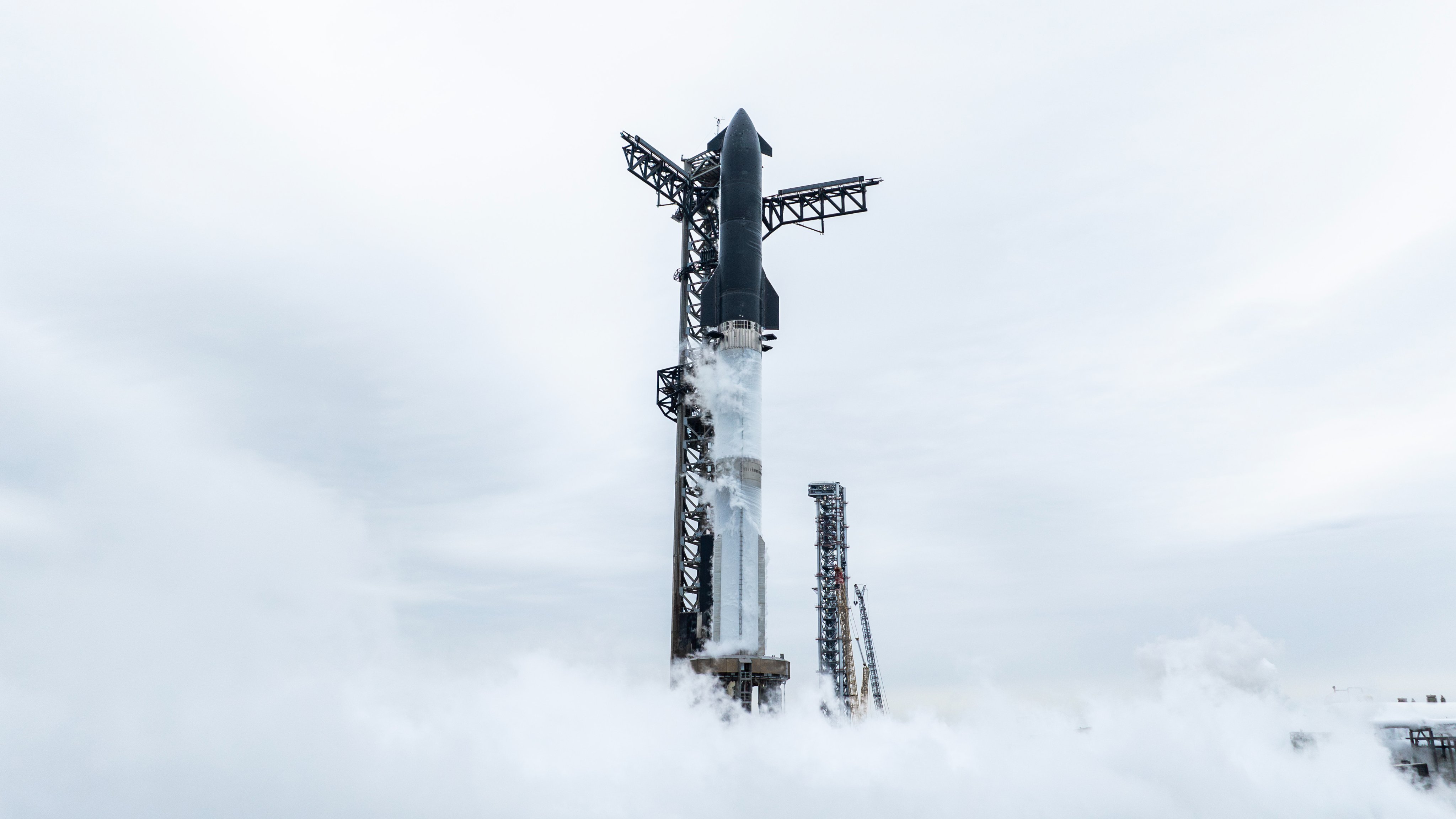
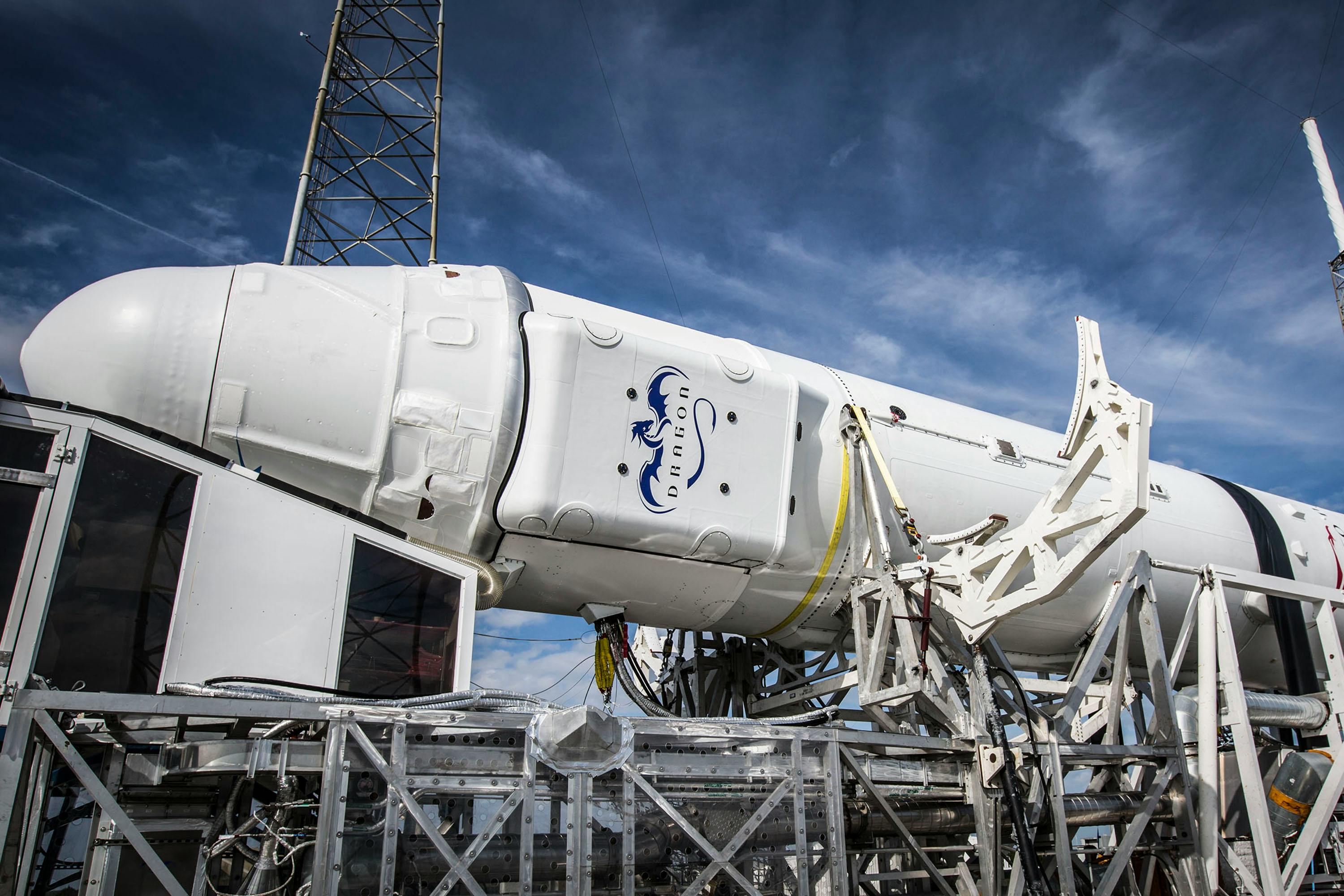
SpaceX Dragon berthed ISS with 6,500 pounds of cargo May 17. China's Zenk Space raised $26M, targeting June for Zhihang-1 rocket's orbital debut.
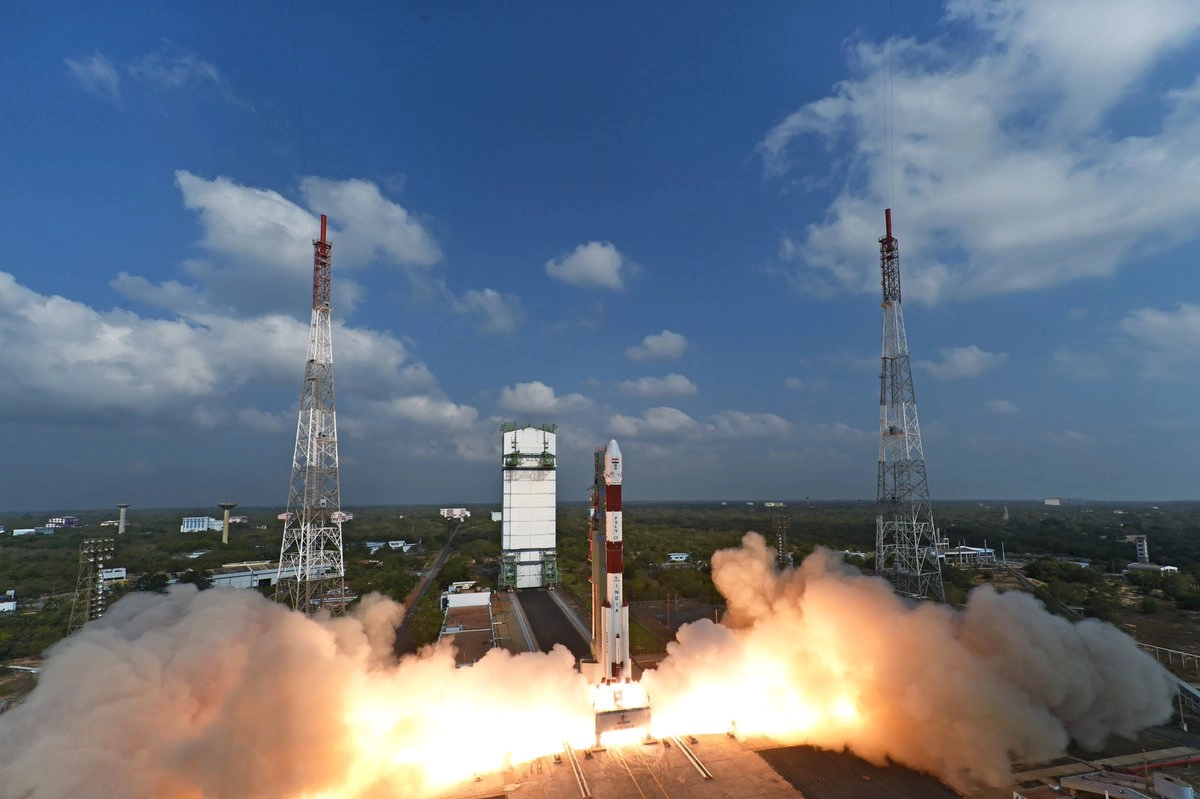
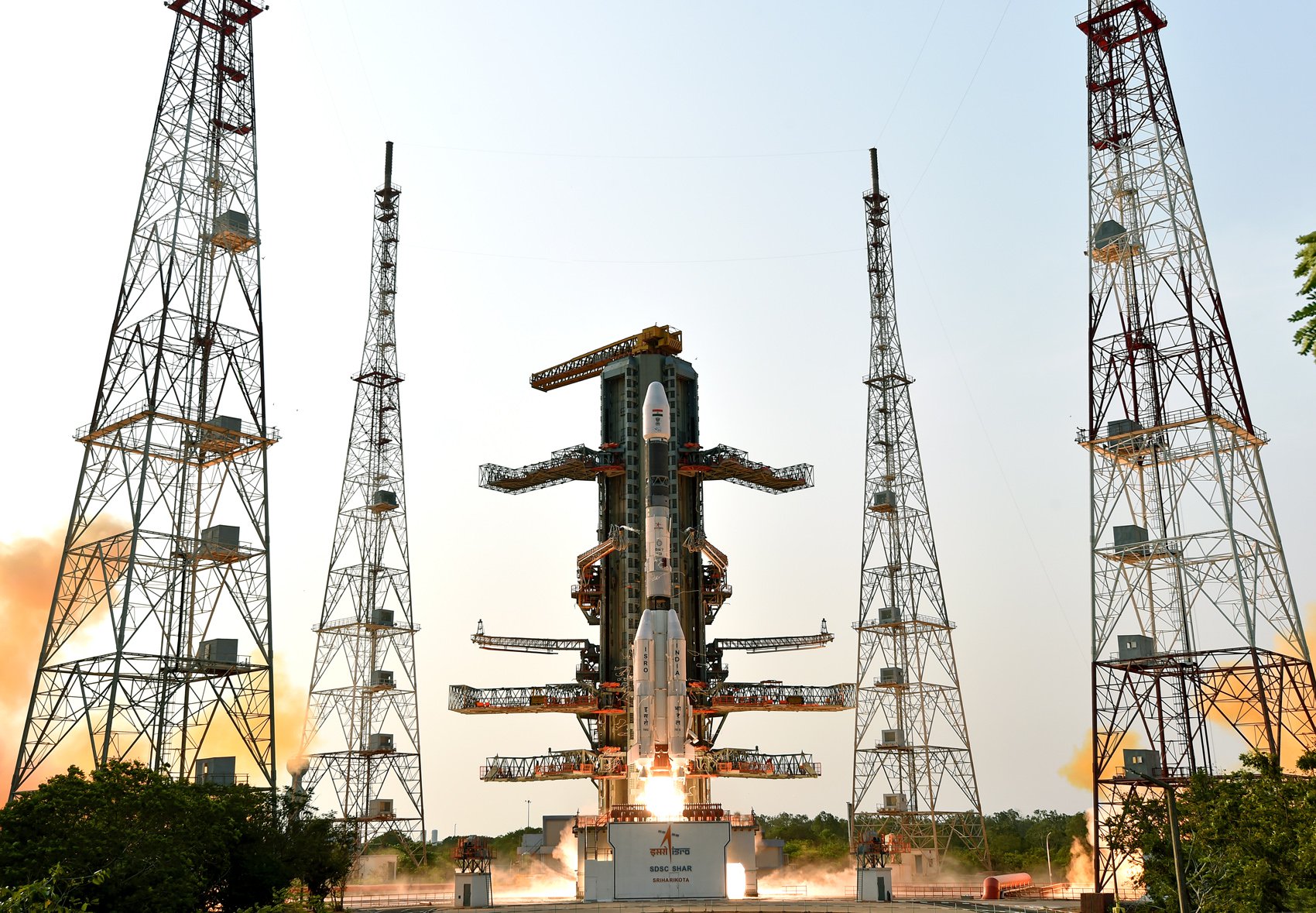
Eight years ago, a single Indian rocket launched 104 satellites into orbit, marking a pivotal moment when space tracking professionals realized the dawn of a new, congested era in orbital operations