


Starship Flight 13 to Deploy First Starlink V3 Sats | KeepTrack X Report
Starship Flight 13 launches first Starlink V3 satellites as SpaceX nears 10,839 working satellites in orbit across the Starlink fleet.



Launch Date
August 6, 2012
Launch Site
Launch Pad
LC81/24
Launch Vehicle
Proton-M/Briz-M
NORAD ID
38983
International Designator
2012-044DL
Decay Date
7/29/2013
Name
BREEZE-M DEB
Alternative Name
deb Briz-M No. 99532
Type
Status
Owner
KHRR
Country
Russia
Constellation
N/A
Related Satellites
Major Events
N/A
Length
0
Diameter
0
Span
0
Dry Mass
0
Launch Mass
0
Shape
N/A
Radar Cross Section
0.0377
Visual Magnitude
Unknown
Color
Unknown
Material Composition
Unknown
Payload
Unknown
Purpose
Unknown
Mission
Unknown
Manufacturer
KHRR
Life Expectancy
Unknown
Bus
Briz
Configuration
Unknown
Motor
Unknown
Equipment
Unknown
Power System
Unknown
ADCS
Unknown
Transmitter Frequency
Unknown
Learn more about satellites and other related topics.
Starship Flight 13 launches first Starlink V3 satellites as SpaceX nears 10,839 working satellites in orbit across the Starlink fleet.

The Kessler Syndrome threatens humanity's future in space as cascading satellite collisions create exponential debris growth. With 36,000+ tracked objects and recent incidents accelerating risks, we face a critical juncture: implement solutions now or potentially lose access to low Earth orbit forever.

Starship V3 targets an April 2026 debut, the ride for next-gen Starlink V3 satellites. Fleet stands at 10,062 working of 11,587 launched.

SpaceX successfully launched its CRS-33 Dragon cargo mission to the ISS, while preparations for the upcoming Starship Flight 10 continue, highlighting significant advancements in both cargo operations and test flight reliability.
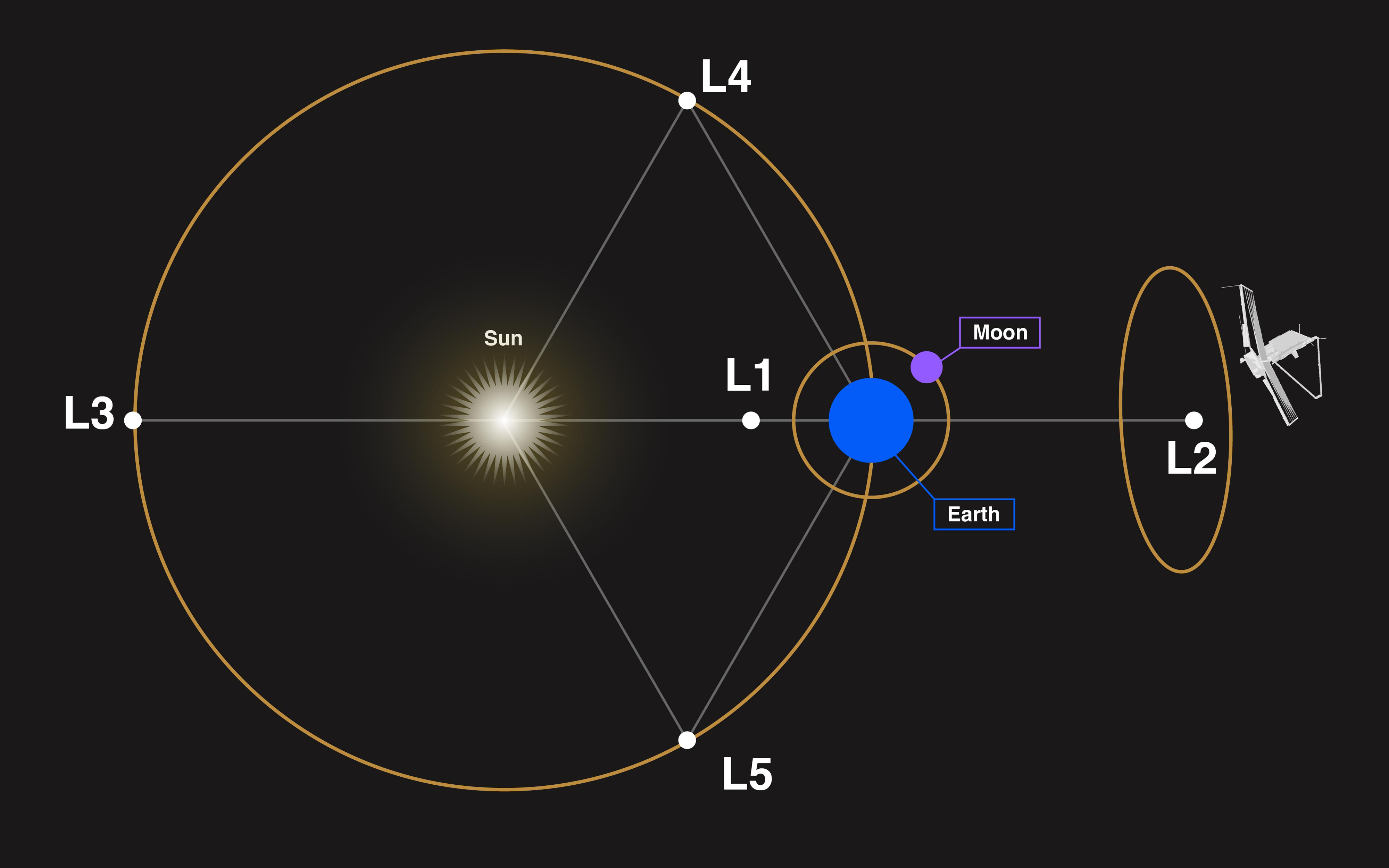
Five spots in the Earth-Sun system where the gravitational tug of two massive bodies and the pull of circular motion all cancel out, creating gravitational parking spaces where spacecraft can sit for decades with almost no fuel.

Discover the latest developments in hypersonic missile production, defense innovation strategies, and satellite infrastructure resilience impacting military operations.

Today's highlights include the cancellation of Starship landing plans, Planet Labs' defense expansion, and cutting-edge radiation-hardened tech for space and defense.

Space Force projects 30,000-satellite orbital architecture by 2040 amid combat integration revelations. Gen. Saltzman confirms space operations were critical in Iran conflict.