BREEZE-M DEB (38971)

COSPAR: 2012-044DE | Alt Name: deb Briz-M No. 99532
DECAYED

Image
BREEZE-M DEB Satellite Image
Additional Sources
Launch Details

Launch Date

August 6, 2012

Launch Pad

LC81/24

Launch Vehicle

Proton-M/Briz-M

Orbital Elements

NORAD ID

38971

International Designator

2012-044DE

Decay Date

10/11/2023

Basic Satellite Info

Name

BREEZE-M DEB

Alternative Name

deb Briz-M No. 99532

Type

Debris

Status

Space Junk

Owner

KHRR

Country

Russia

Constellation

N/A

Related Satellites

Major Events

N/A

Summary
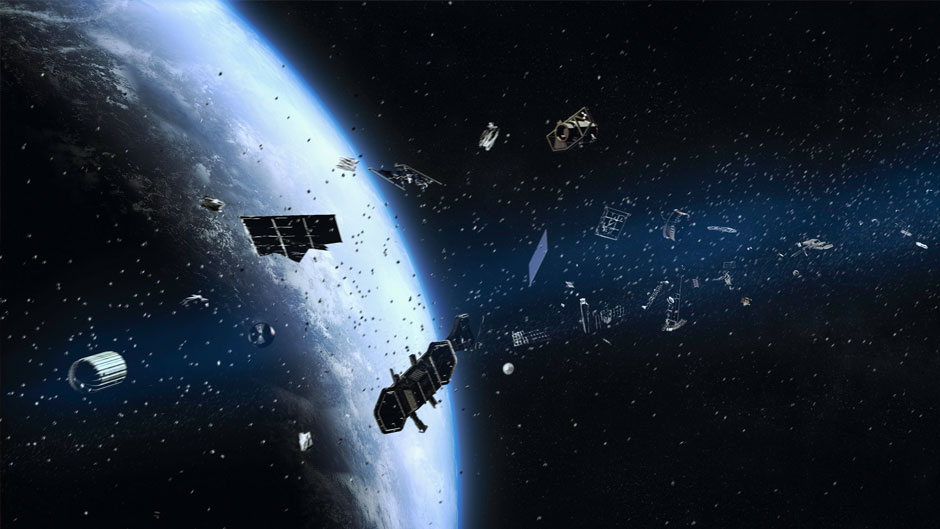
Space debris, also known as space junk, encompasses all non-functional objects orbiting Earth such as defunct satellites, spent rocket stages, and fragments from collisions or disintegrations. Over time, this debris can accumulate and create an increasingly hazardous environment in orbit. Even tiny fragments, traveling at extremely high velocities, can inflict significant damage on operational satellites and spacecraft. If left unmanaged, the density of debris raises the risk of catastrophic collisions and further fragmentation, compounding the problem and threatening the safety and sustainability of space activities.
Physical Characteristics

Length

0

Diameter

0

Span

0

Dry Mass

0

Launch Mass

0

Shape

N/A

Radar Cross Section

0.0169

Visual Magnitude

Unknown

Color

Unknown

Material Composition

Unknown

Technical Details

Payload

Unknown

Purpose

Unknown

Mission

Unknown

Manufacturer

KHRR

Life Expectancy

Unknown

Bus

Briz

Configuration

Unknown

Motor

Unknown

Equipment

Unknown

Power System

Unknown

ADCS

Unknown

Transmitter Frequency

Unknown

Satellite Articles

View All Posts »

Learn more about satellites and other related topics.

The Day Two Astronauts Proved We Could Reach the Moon

The Day Two Astronauts Proved We Could Reach the Moon

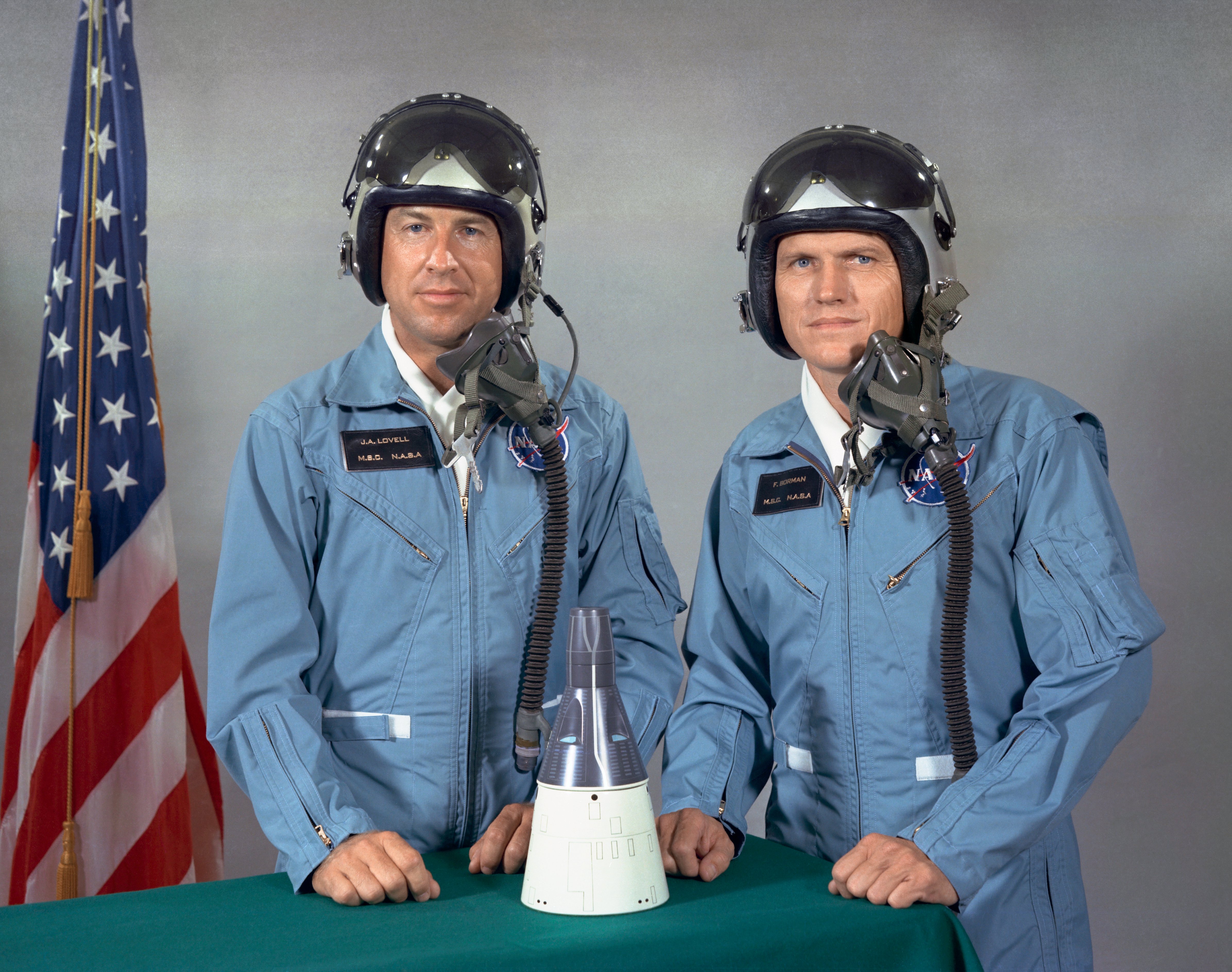
Sixty years ago, Frank Borman and James Lovell launched aboard Gemini 7 for a grueling 14-day mission that would prove humans could endure the journey to the moon and achieve the first true rendezvous in space

The Day Humanity First Used a Planet to Navigate the Solar System

The Day Humanity First Used a Planet to Navigate the Solar System

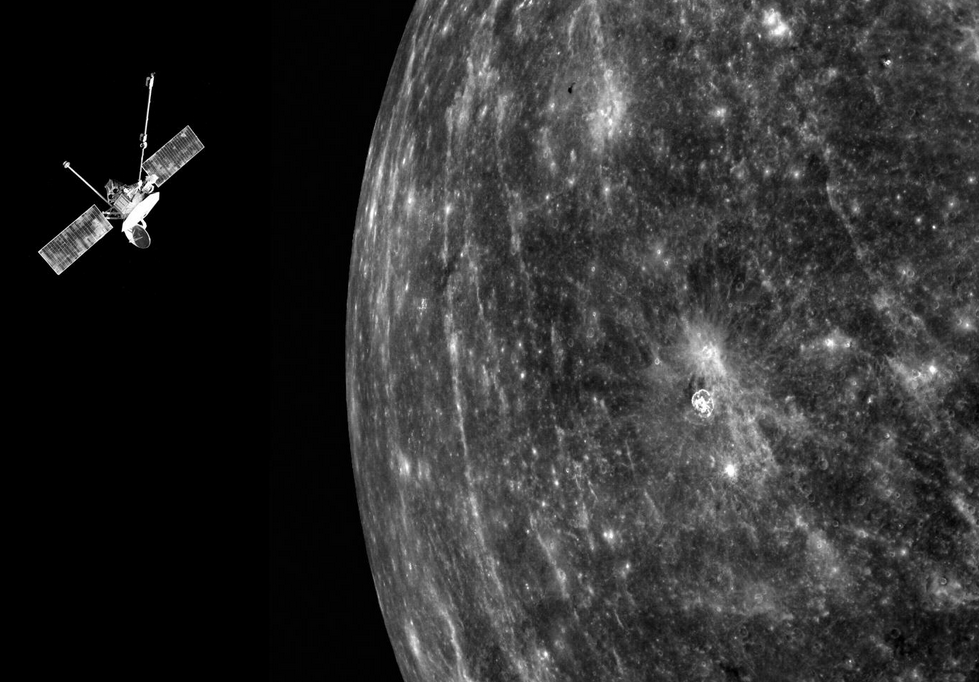
Fifty-one years ago, Mariner 10 revolutionized space exploration by executing the first-ever planetary gravity assist at Venus, pioneering a technique that would transform how we explore the solar system

Artemis 2 Crew Arrives for April 1 Lunar Flyby Launch | KeepTrack Space Brief

Artemis 2 Crew Arrives for April 1 Lunar Flyby Launch | KeepTrack Space Brief

Artemis 2 astronauts arrive at KSC for April 1 launch. Four-person crew will fly lunar free-return trajectory, first crewed lunar mission since Apollo 17 in 1972.

X Report 9 Dec 2024

X Report 9 Dec 2024

SpaceX's latest Starlink satellite launch boosts their constellation and Starship development progresses steadily.

X Report 3 Dec 2024

X Report 3 Dec 2024

Starship developments continue to capture attention alongside Starlink's latest deployment milestones.

SpaceX's Audacious Starship

SpaceX's Audacious Starship

As the largest and most powerful rocket ever built, it's designed for full reusability and rapid launch turnaround. SpaceX claims it could carry over 100 tons to low Earth orbit at a fraction of current costs.

Starlink Constellation Size Nears 10,000, X Report 16 Mar 2026

Starlink Constellation Size Nears 10,000, X Report 16 Mar 2026

Starlink constellation size in March 2026: 9,996 satellites in orbit and 9,986 working from 11,504 launched, as SpaceX deorbits legacy V1.0 hardware.

Space Brief 24 Aug 2025

Space Brief 24 Aug 2025

Today's brief covers SpaceX's secretive military launch, advancements in nuclear fusion, and groundbreaking observations of dying stars and supernovae.