


Space Brief 5 Aug 2025
Today's Space Brief covers Lockheed Martin's pursuits in missile interception, key military advancements in space integration, the UK launch license for Skyrora, and much more.



Launch Date
August 6, 2012
Launch Site
Launch Pad
LC81/24
Launch Vehicle
Proton-M/Briz-M
NORAD ID
38929
International Designator
2012-044BN
Decay Date
10/18/2013
Name
BREEZE-M DEB
Alternative Name
deb Briz-M No. 99532
Type
Status
Owner
KHRR
Country
Russia
Constellation
N/A
Related Satellites
Major Events
N/A
Length
0
Diameter
0
Span
0
Dry Mass
0
Launch Mass
0
Shape
N/A
Radar Cross Section
0.169
Visual Magnitude
Unknown
Color
Unknown
Material Composition
Unknown
Payload
Unknown
Purpose
Unknown
Mission
Unknown
Manufacturer
KHRR
Life Expectancy
Unknown
Bus
Briz
Configuration
Unknown
Motor
Unknown
Equipment
Unknown
Power System
Unknown
ADCS
Unknown
Transmitter Frequency
Unknown
Learn more about satellites and other related topics.
Today's Space Brief covers Lockheed Martin's pursuits in missile interception, key military advancements in space integration, the UK launch license for Skyrora, and much more.
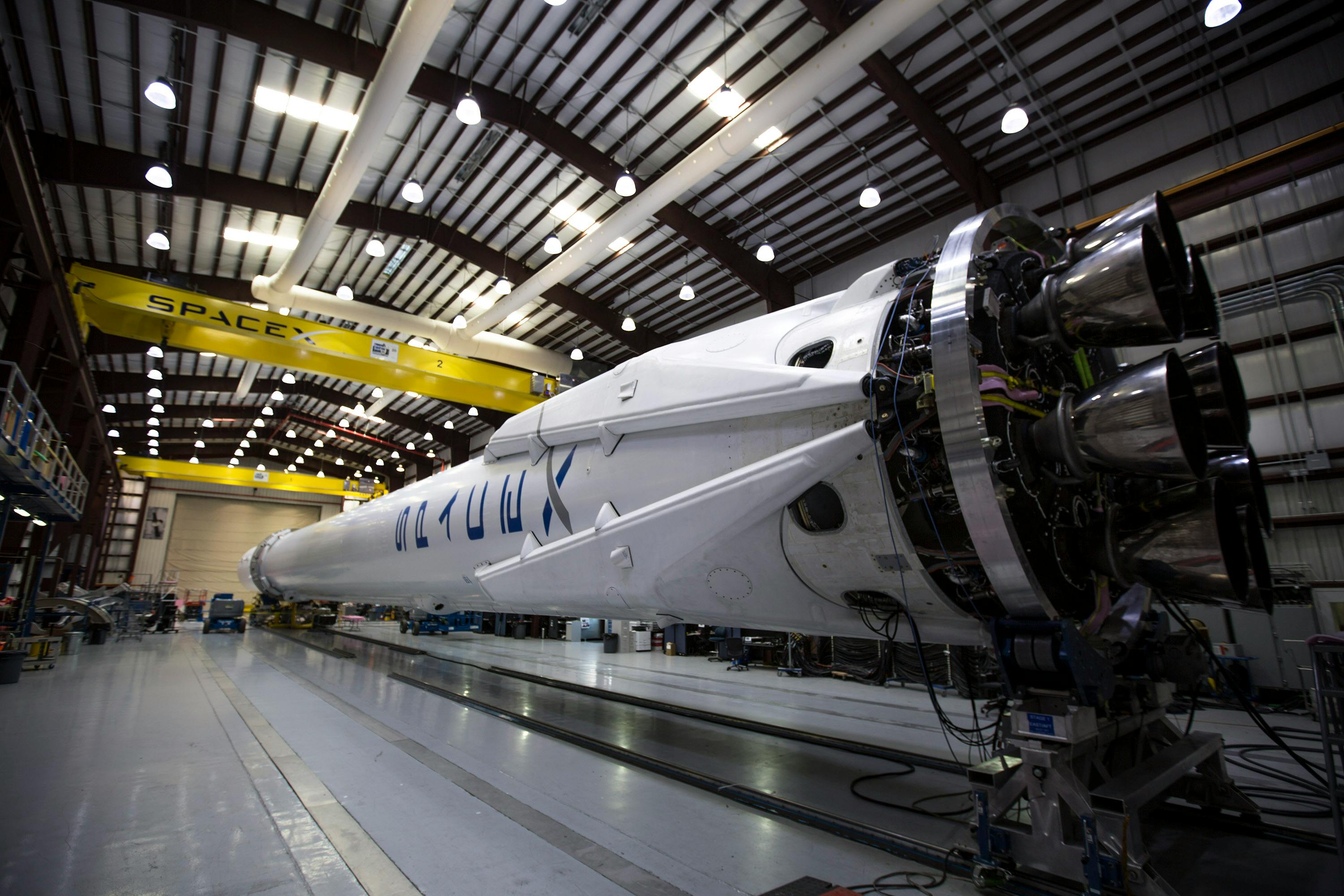
SpaceX makes strides on Starship launch pad, upcoming Starlink infusions from California and Florida, and regulatory challenges loom with FCC and C-band spectrum.
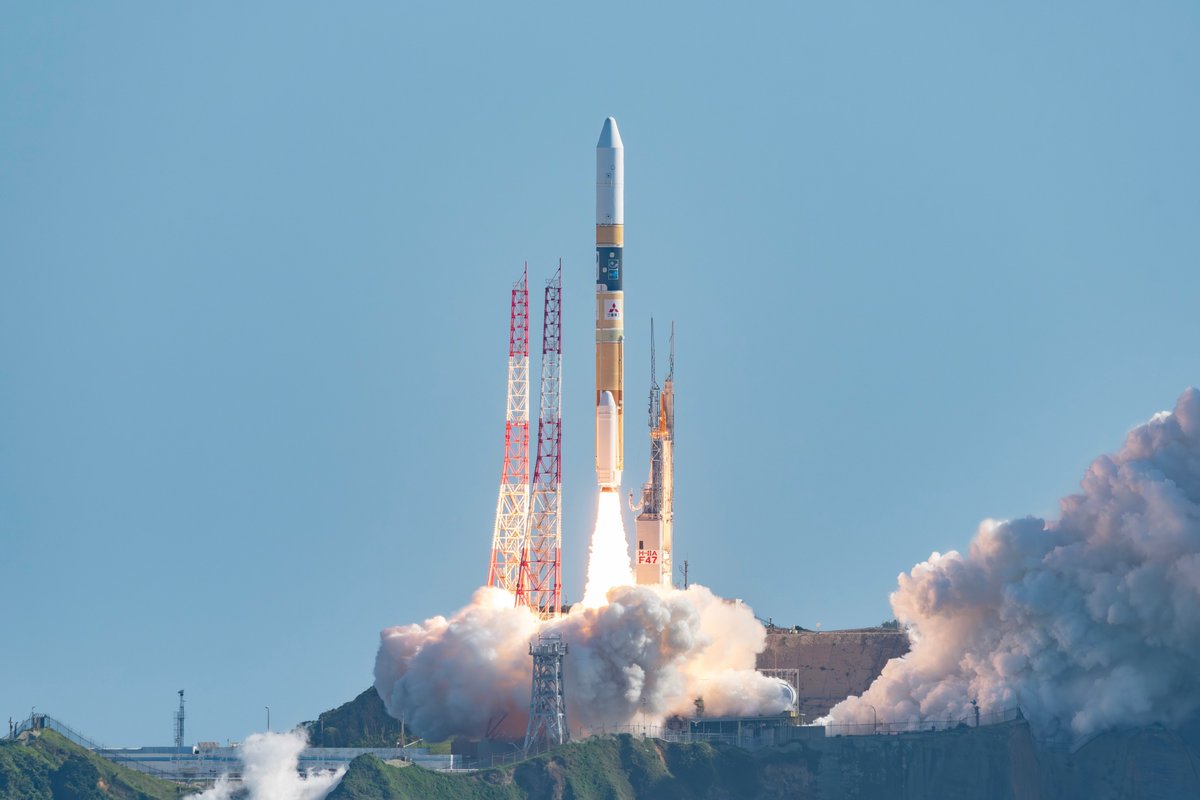
Significant advancements and launches in space: NASA's hypersonic sensor breakthrough, ChinaSat-9C's launch, and SpaceX's resilient Falcon 9 operations.

Today's brief highlights the maiden flight of Blue Origin's Blue Ring spacecraft with a new AI-driven space sensor, debates on asteroid defense responsibilities, and updates on the U.S. Space Force's missile shield leadership.
Johns Hopkins researchers use seismic networks to track space debris in near real-time. Pentagon faces Golden Dome production scale challenges. SpaceX launches 25 Starlink sats in seventh 2026 mission.

Discover the history and significance of Two-Line Element Sets (TLEs) in satellite tracking. Dive into their components, applications, and how they are evolving to meet future space challenges.
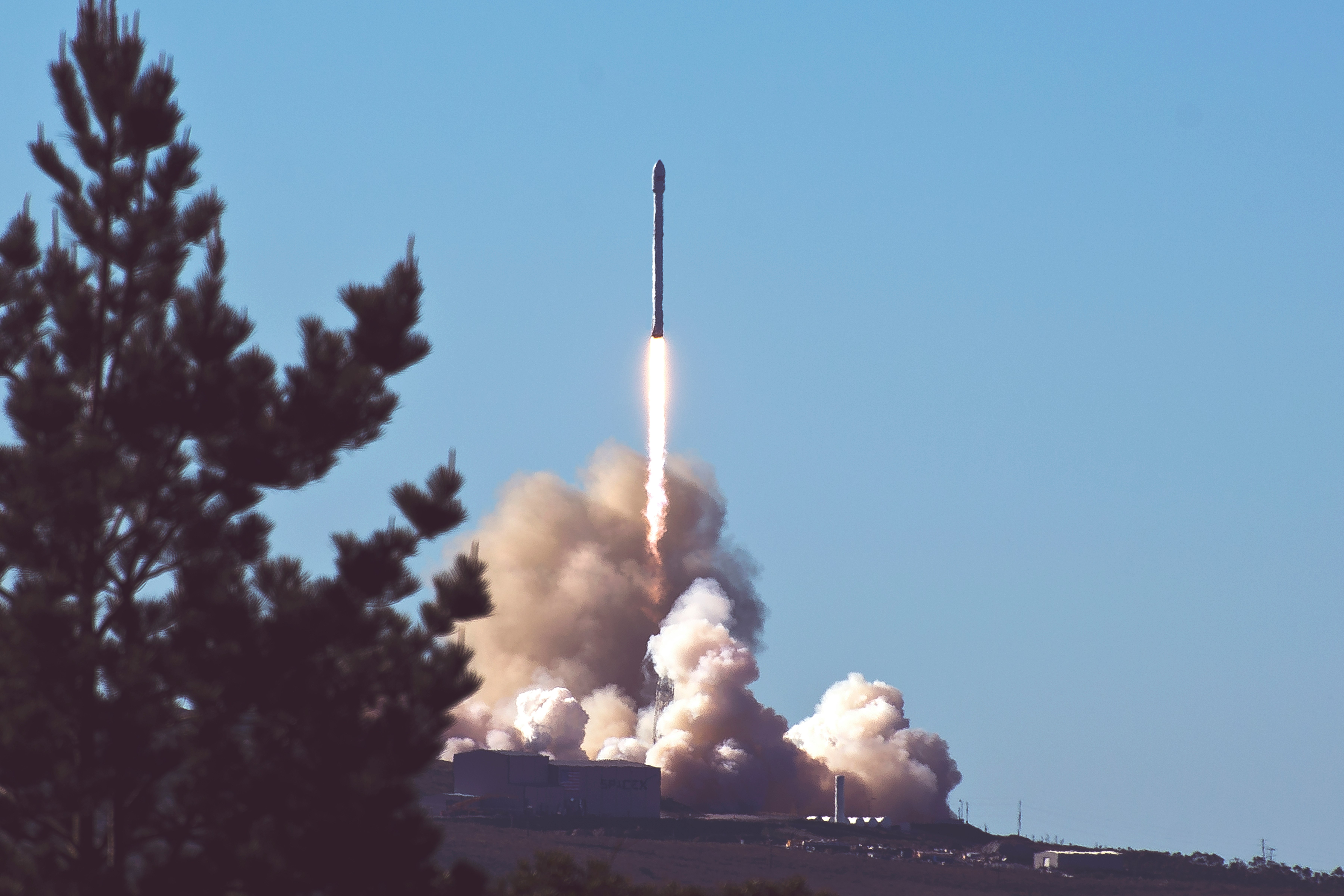
SpaceX successfully launched the Ax-4 private astronaut mission to the ISS while continuing its satellite deployment with 27 new Starlink satellites, amidst ongoing recovery efforts from the loss of Ship 36.

For nearly two decades, the U.S. Air Force and Space Force have been the world's unofficial civilian space traffic control system. The Department of Commerce's Traffic Coordination System for Space (TraCSS) is now taking over that job for commercial satellite operators - in stages, against persistent congressional pressure to kill the program, and with Department of Defense advocates pushing to make it happen before it is too late.