


Space Brief 12 Nov 2024
Latest updates include China's Lijian-1 launching 15 satellites, a fiery Starlink reentry, SpaceX's milestone Falcon 9 booster landing, and China's support for its commercial space sector.


Launch Date
April 11, 1969
Launch Site
Launch Pad
LC1
Launch Vehicle
Molniya 8K78M
NORAD ID
03886
International Designator
1969-035C
Decay Date
7/1/1974
Name
SL-6 R/B(2)
Alternative Name
Blok-L No. Ya716-88
Type
Status
Owner
RVSN
Country
USSR
Constellation
N/A
Related Satellites
Major Events
N/A
Length
3.3
Diameter
2.4
Span
3.3
Dry Mass
1000
Launch Mass
4500
Shape
Cyl
Radar Cross Section
Unknown
Visual Magnitude
Unknown
Color
Unknown
Material Composition
Unknown
Payload
Blok-L
Purpose
Unknown
Mission
Unknown
Manufacturer
NPOL
Life Expectancy
Unknown
Bus
Blok-L
Configuration
Unknown
Motor
Unknown
Equipment
Unknown
Power System
Unknown
ADCS
Unknown
Transmitter Frequency
Unknown
Learn more about satellites and other related topics.
Latest updates include China's Lijian-1 launching 15 satellites, a fiery Starlink reentry, SpaceX's milestone Falcon 9 booster landing, and China's support for its commercial space sector.

Today's briefing covers the U.S. Space Force's substantial investments in commercial satellite services, a strategic military shift, Chinese space station upgrades, and NASA's policy changes.

Today's headlines include new launch schedules, military industrial base challenges, and NASA's exploration of historic Cold War sites. Discover significant space events and satellite insights.

ESA-China SMILE spacecraft successfully launched from Kourou to image Earth's magnetosphere. First continuous global views of solar wind interaction now in orbit.
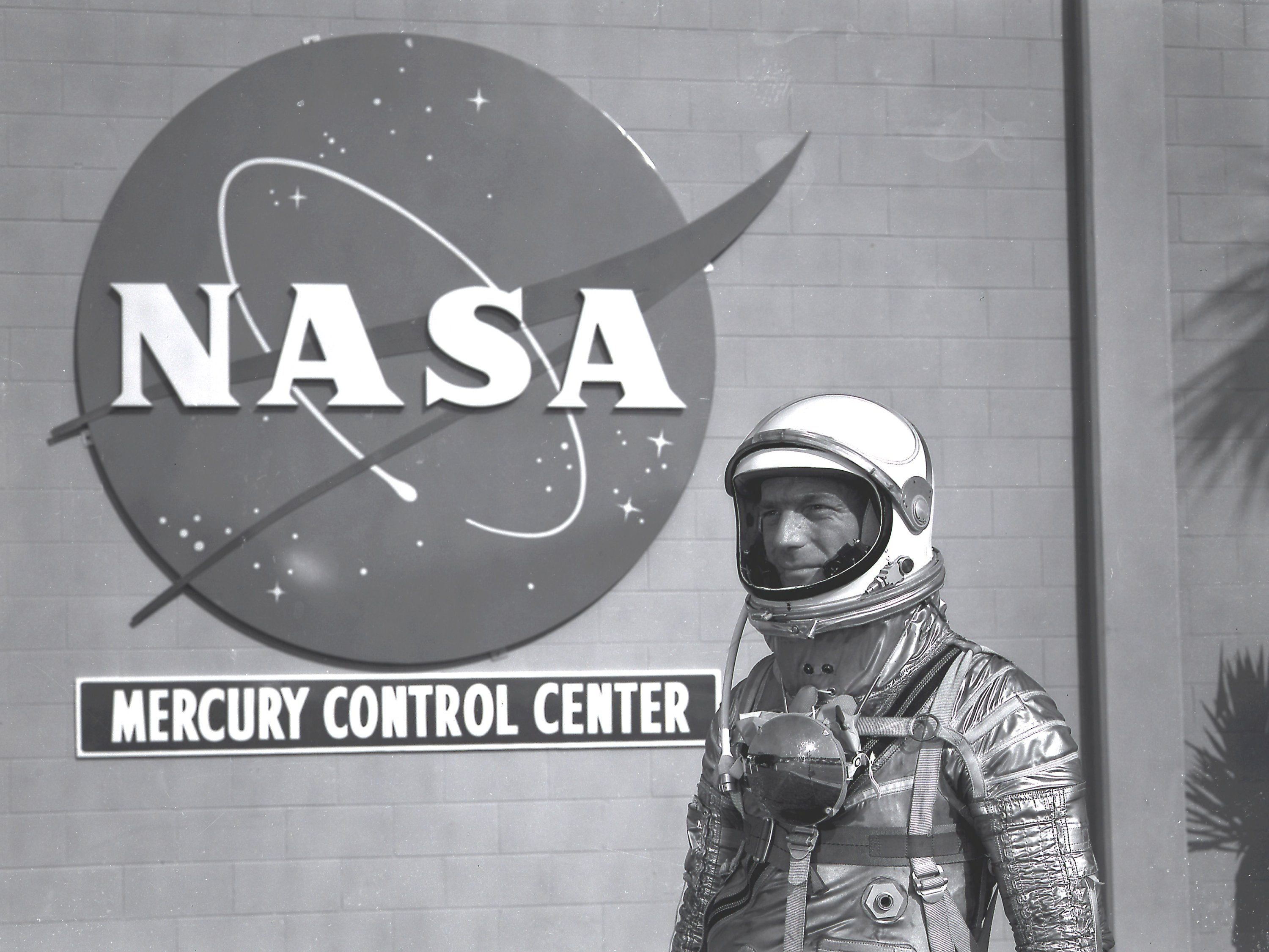
Exactly 64 years ago today, Scott Carpenter became the fourth American to orbit the Earth aboard Aurora 7. His five-hour flight produced new science, a tense reentry, and 39 minutes of silence in which the country wondered if it had just lost its astronaut.
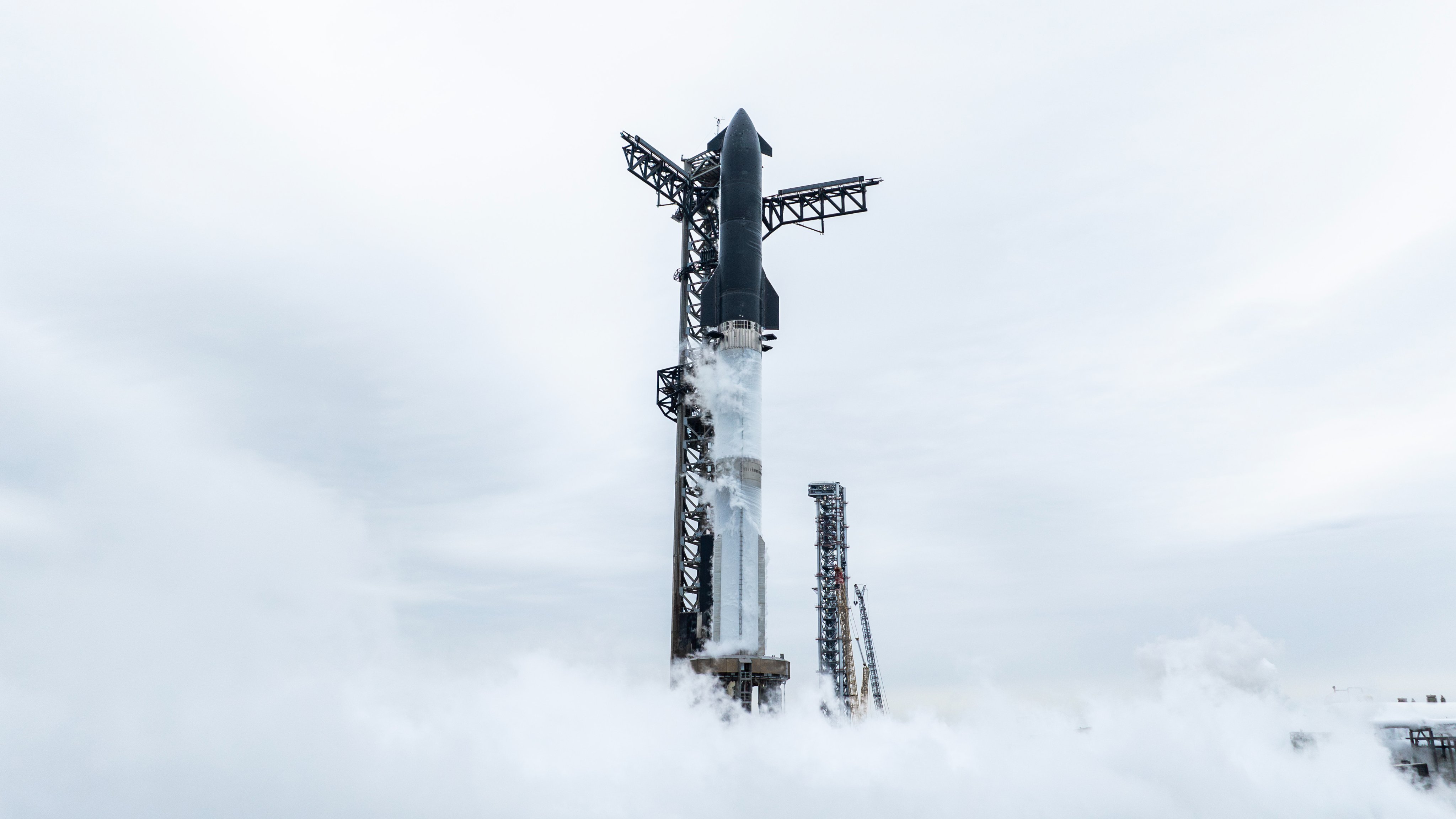
SpaceX Dragon berthed ISS with 6,500 pounds of cargo May 17. China's Zenk Space raised $26M, targeting June for Zhihang-1 rocket's orbital debut.
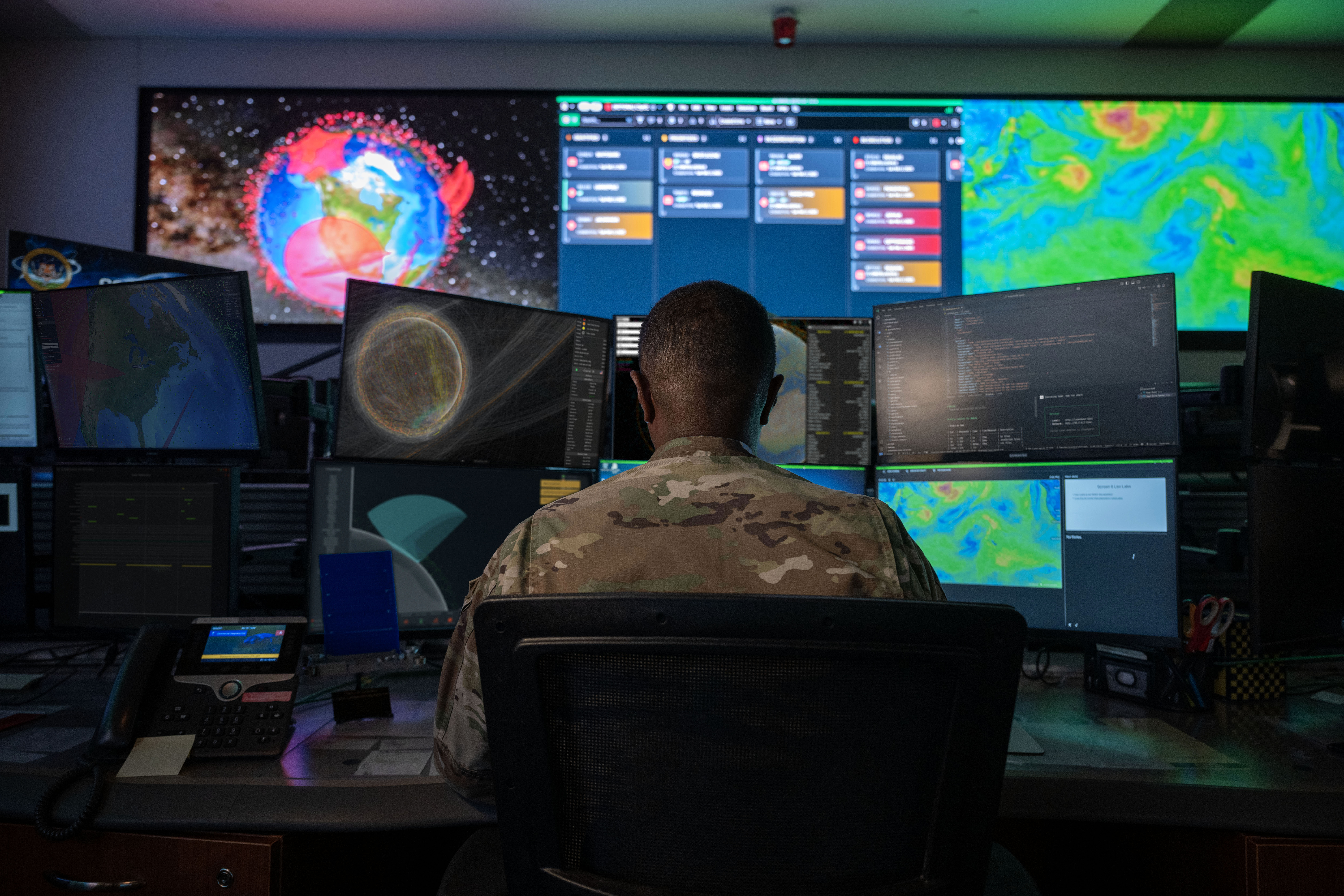
Pentagon gives Anthropic Friday deadline to loosen military AI policy. Space Force keeps Vulcan grounded over booster issue. Funding boost speeds missile-tracking satellites.
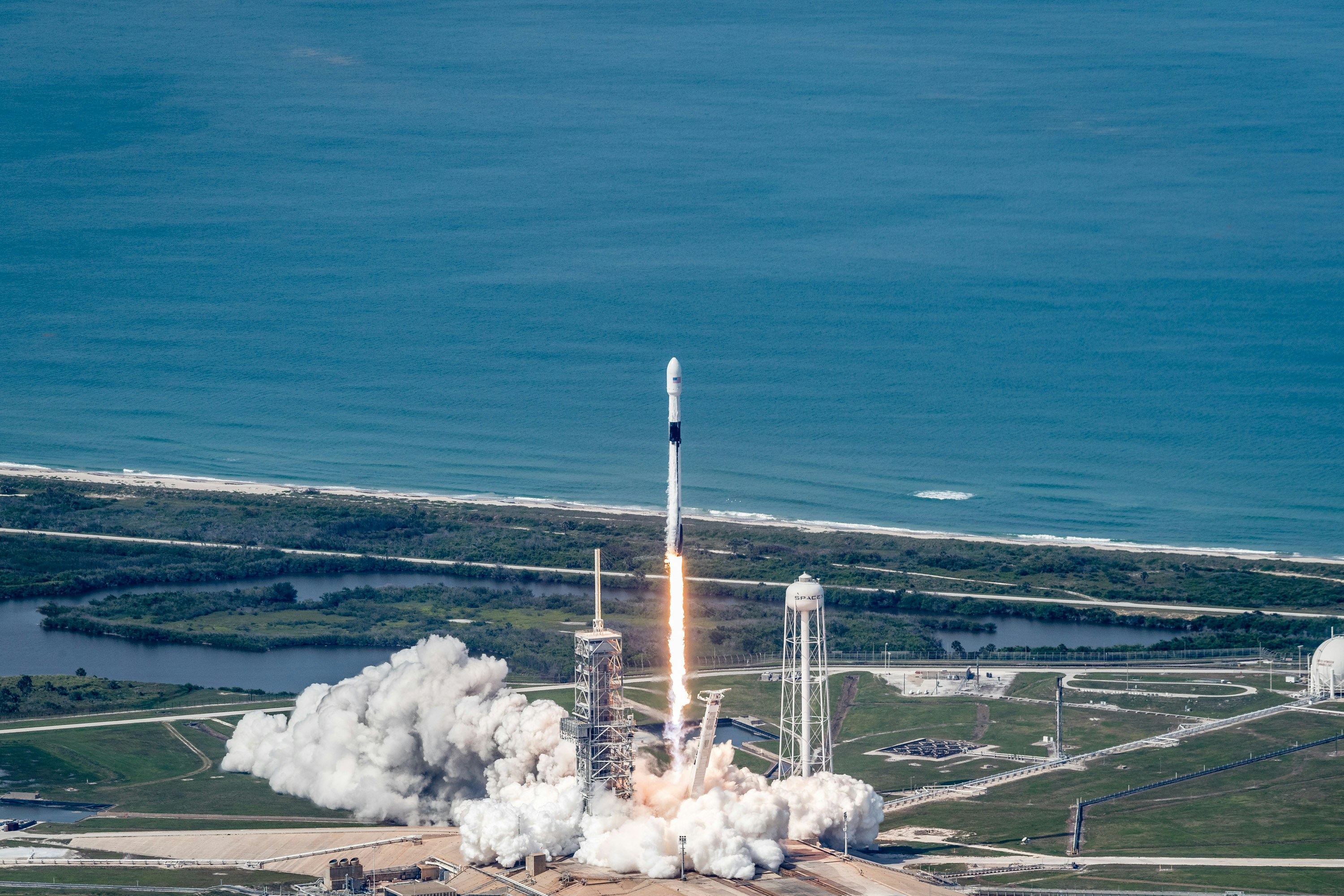
SpaceX continues to make strides in satellite deployment with a successful launch. The European Space Agency's new satellite enhances global atmospheric forecasting, showcasing the expanding role of launches in improving environmental monitoring.