

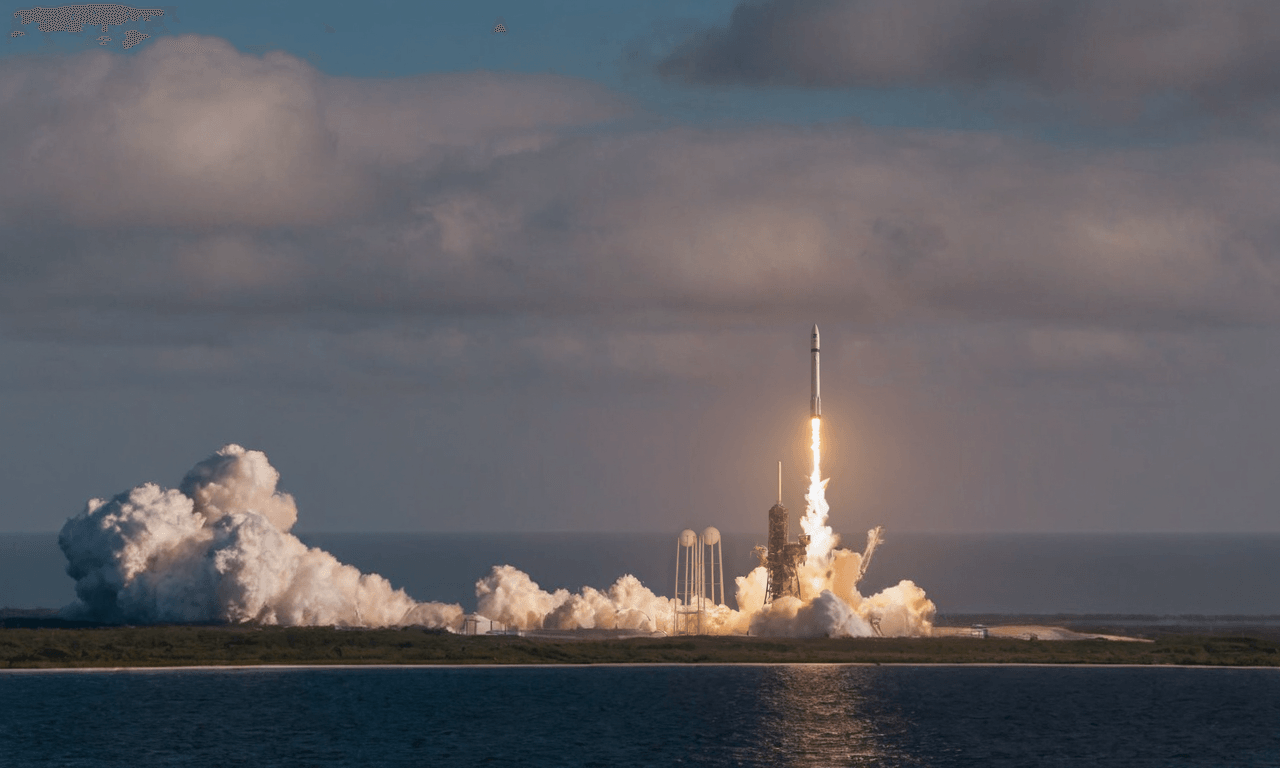
Space Brief 26 Aug 2024
Today's briefing covers an exciting new satellite launch, a significant reentry, and unexpected space debris from a fragmentation event.



Launch Date
May 10, 1999
Launch Site
TAISC
Launch Pad
LC7
Launch Vehicle
Chang Zheng 4B
NORAD ID
38828
International Designator
1999-025EVU
Decay Date
5/7/2024
Name
FENGYUN 1C DEB
Alternative Name
deb FY-1C
Type
Status
Owner
CASC
Country
China
Constellation
N/A
Related Satellites
Major Events
N/A
Length
0
Diameter
0
Span
0
Dry Mass
0
Launch Mass
0
Shape
N/A
Radar Cross Section
0.0144
Visual Magnitude
Unknown
Color
Unknown
Material Composition
Unknown
Payload
Unknown
Purpose
Unknown
Mission
Unknown
Manufacturer
Unknown
Life Expectancy
Unknown
Bus
Unknown
Configuration
Unknown
Motor
Unknown
Equipment
Unknown
Power System
Unknown
ADCS
Unknown
Transmitter Frequency
Unknown
Learn more about satellites and other related topics.
Today's briefing covers an exciting new satellite launch, a significant reentry, and unexpected space debris from a fragmentation event.
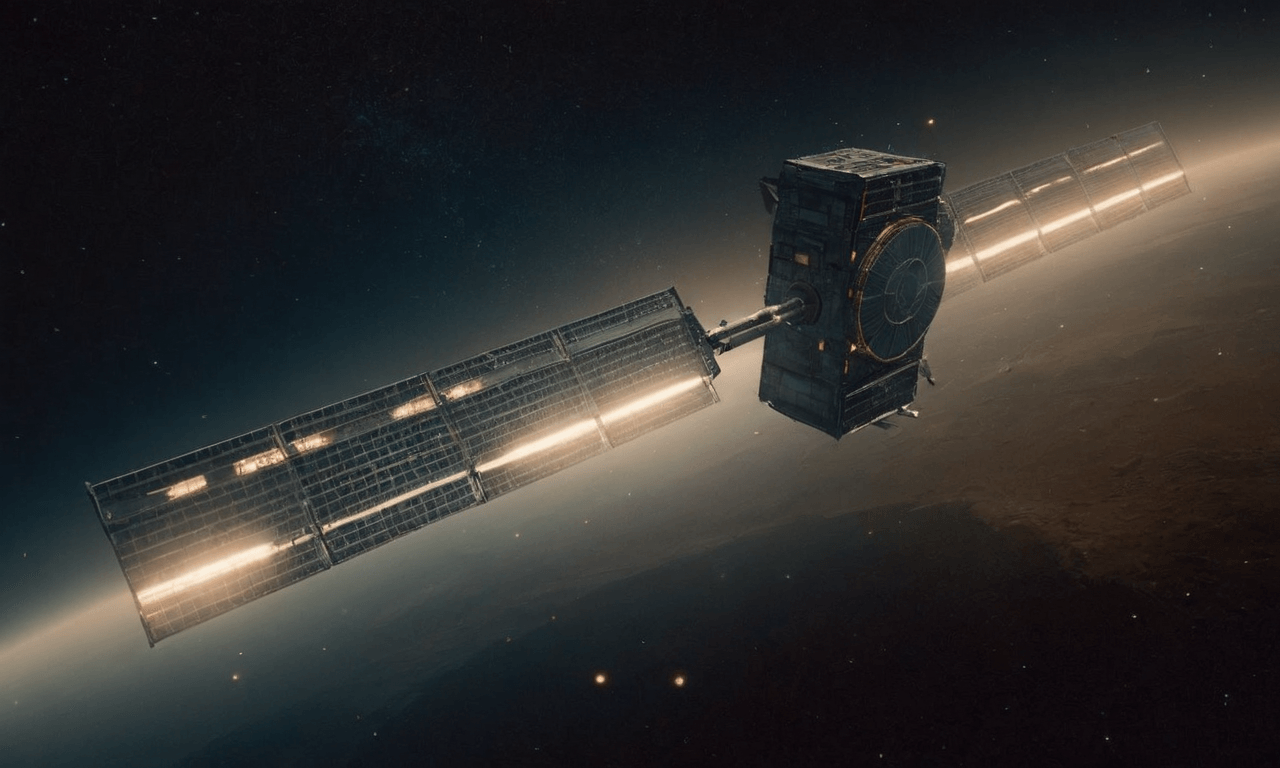
Today's Space Brief covers Rocket Lab's IoT satellite launch, SpaceX's European Galileo satellites, FAA's fine on SpaceX, Polaris Dawn mission achievements, and more.

China files ITU paperwork for megaconstellations totaling nearly 200,000 satellites. SpaceX launches first rideshare mission of 2026 from Vandenberg. NASA plans ISS crew medical evacuation.
Hanwha Systems in talks with MDA Space and Telesat for South Korean defense satellite constellation. SpaceX preps GPS satellite launch for Space Force. Seismic networks now track space junk reentry.
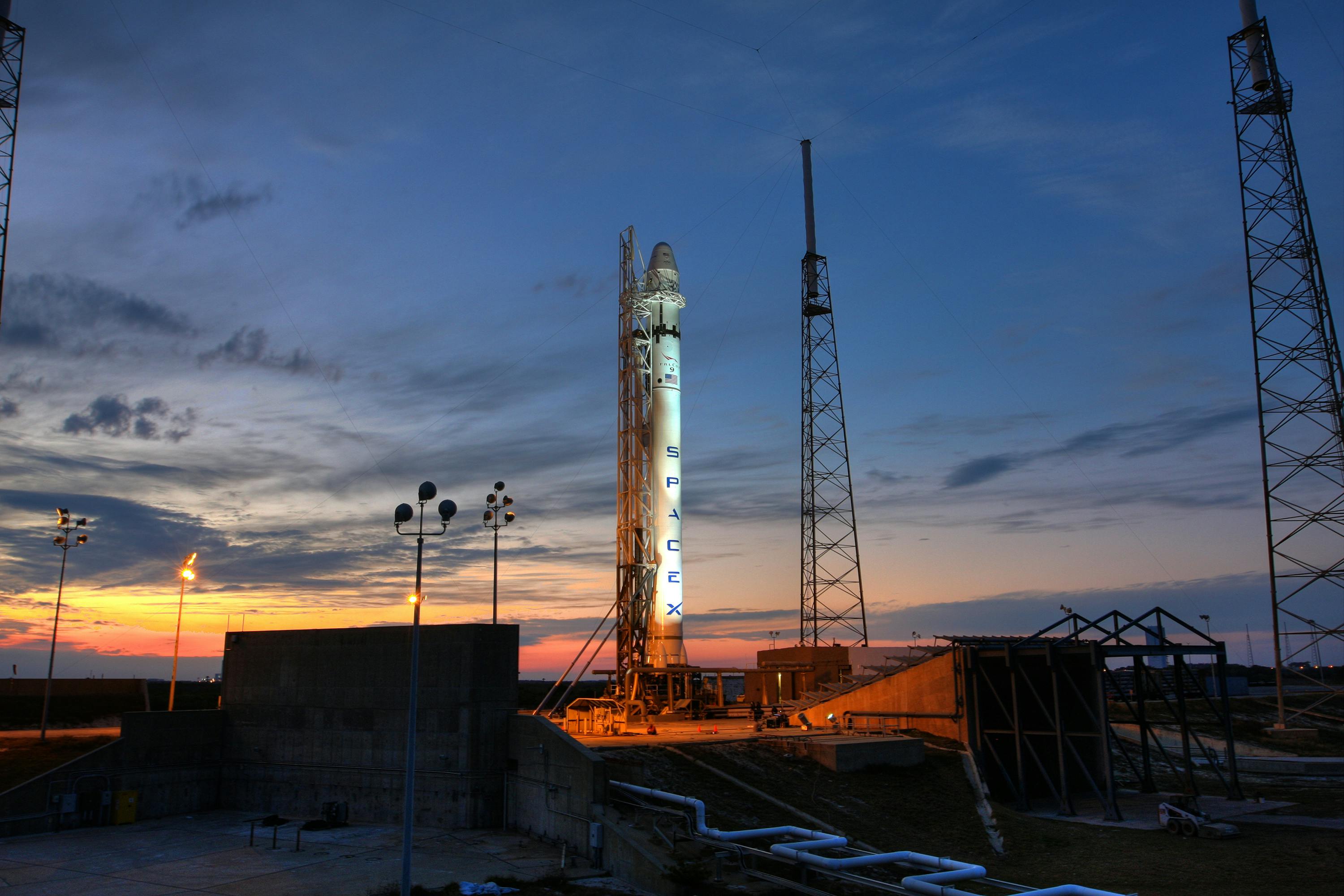
Starship Flight 8 ends with mixed results as SpaceX successfully catches Super Heavy booster but loses the upper stage in a fiery breakup.
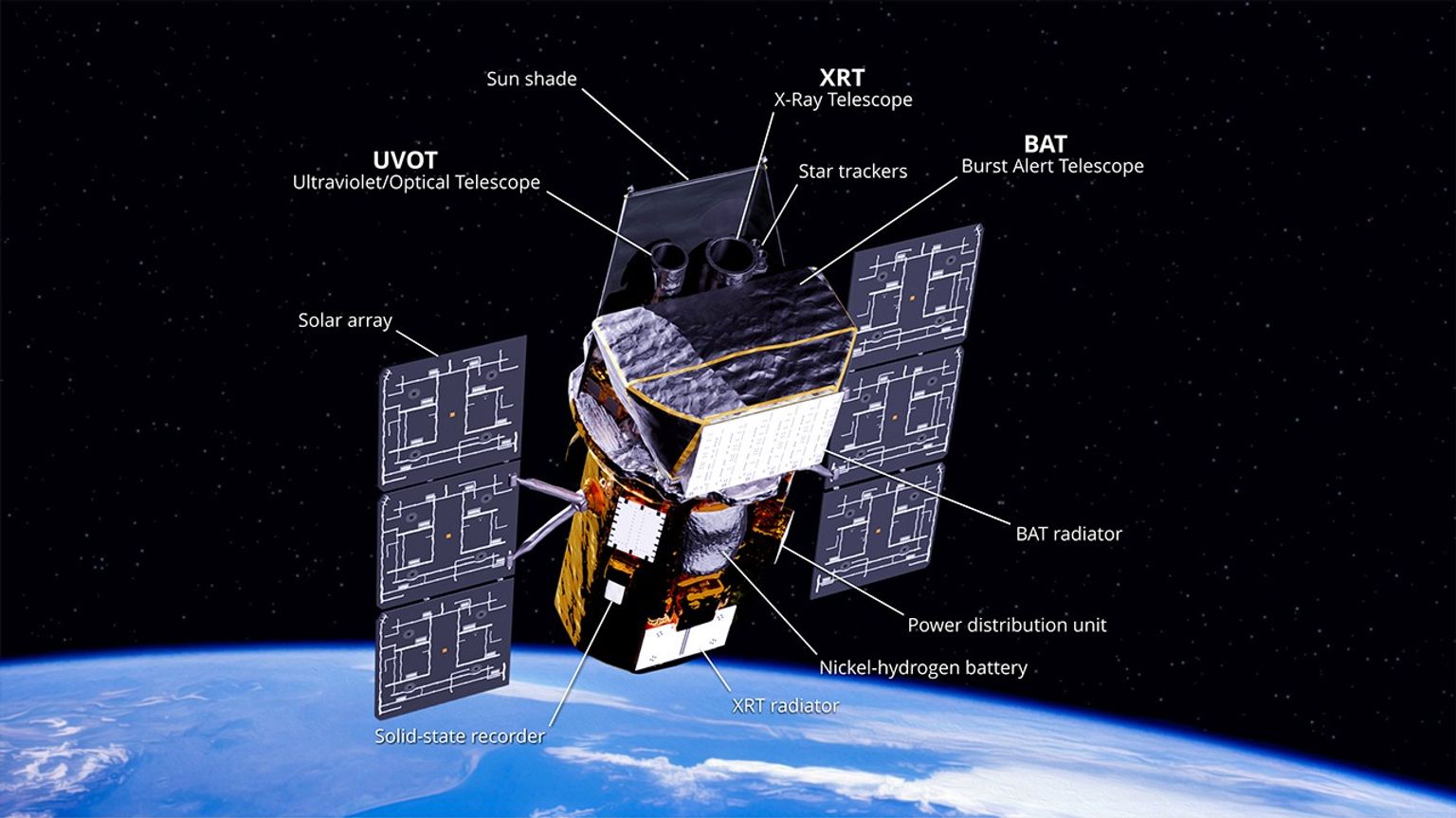
Designed for a two-year mission to catch gamma-ray bursts in the act, Swift is now 21 years old, slowly falling out of the sky, and the subject of an unprecedented private rescue mission. Nobody planned for it to be this hard to let go.
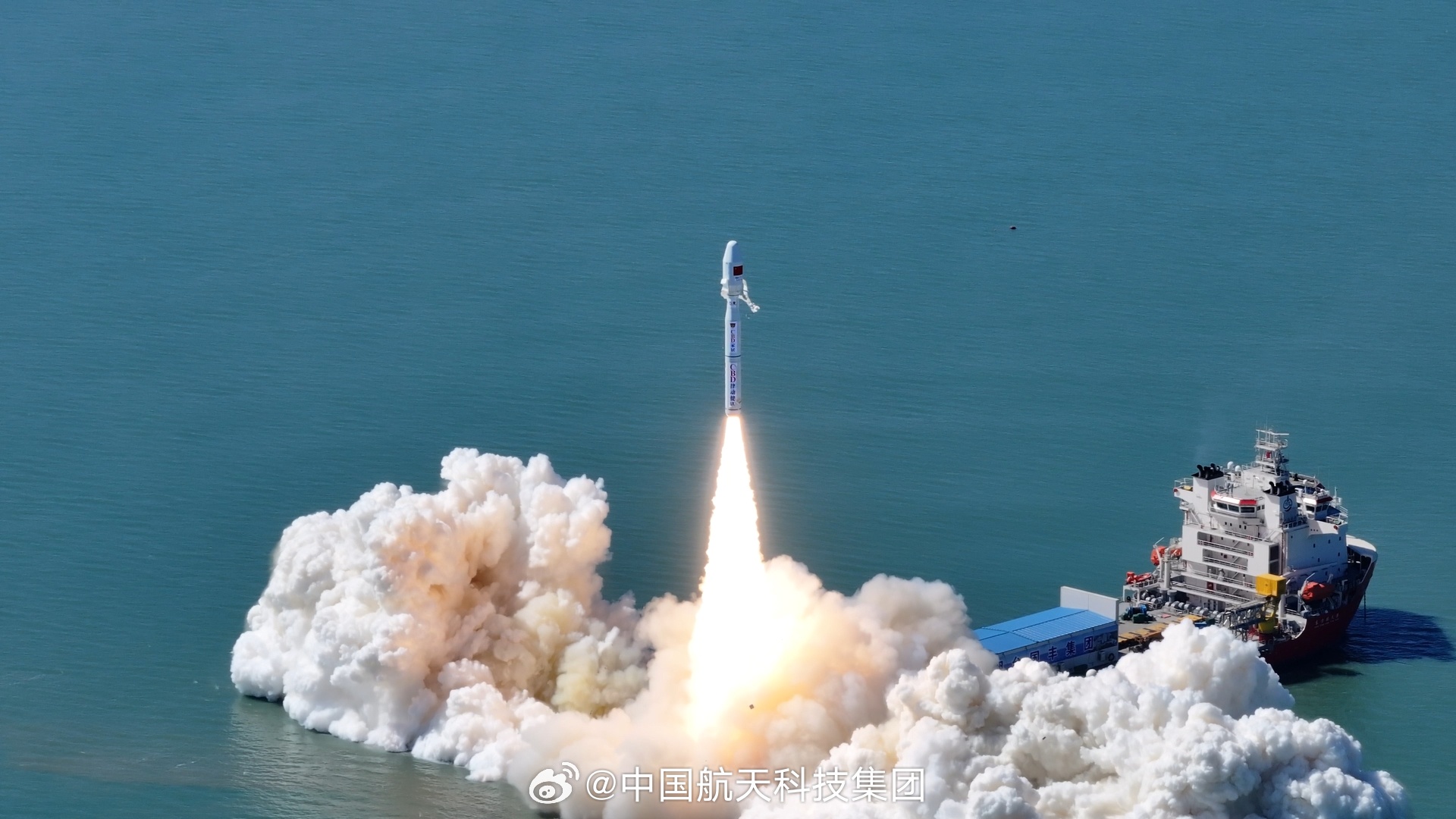
NASA delays first 2026 spacewalk due to ISS crew medical issue. Sierra Space completes SDA Tranche 2 satellite structures ahead of schedule. Space Force advances Handle 2.0 standardization.
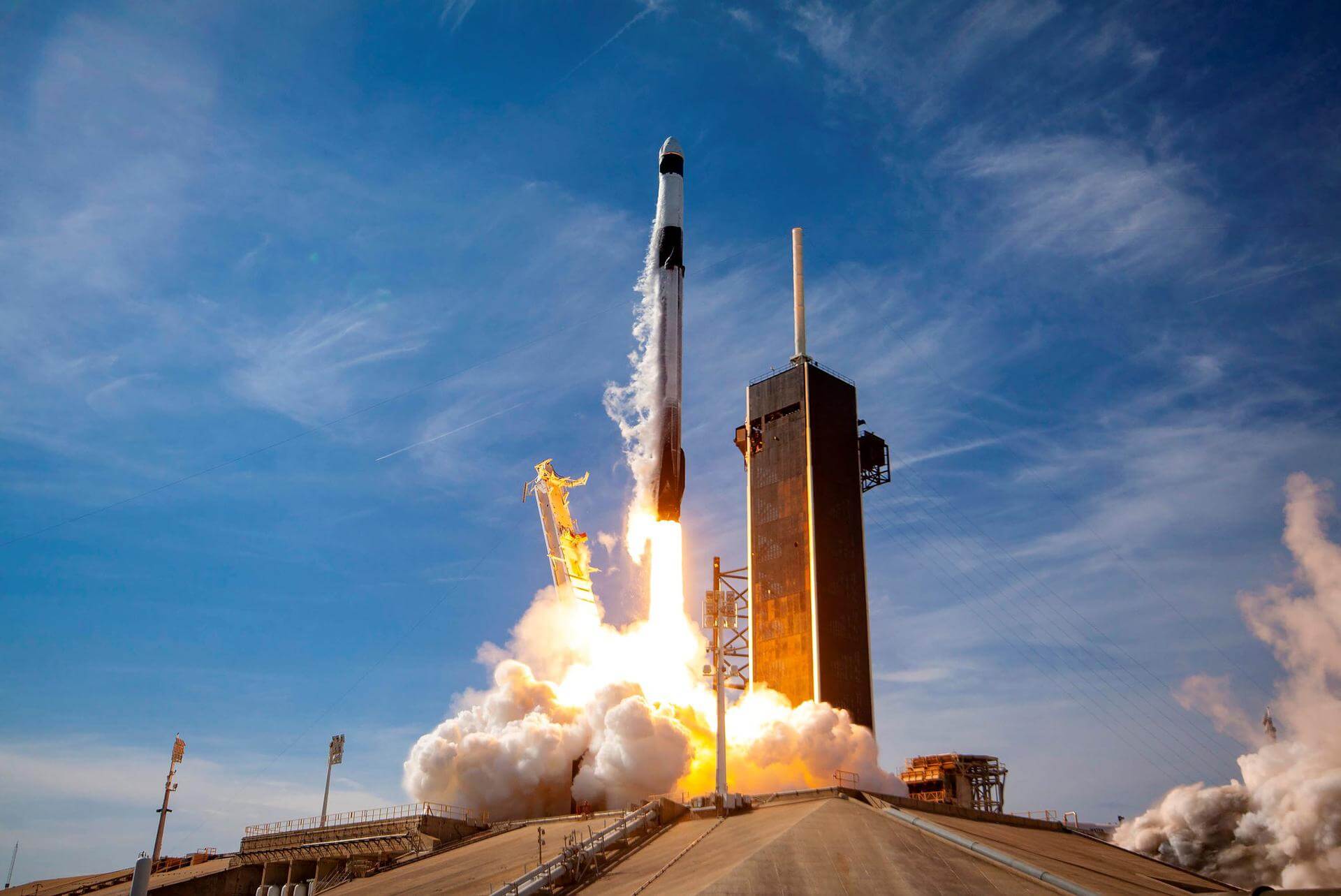
CBO estimates Golden Dome national missile shield at $1.2 trillion over 20 years. Space-based intercept layer could add thousands of satellites to tracked orbital regimes.