


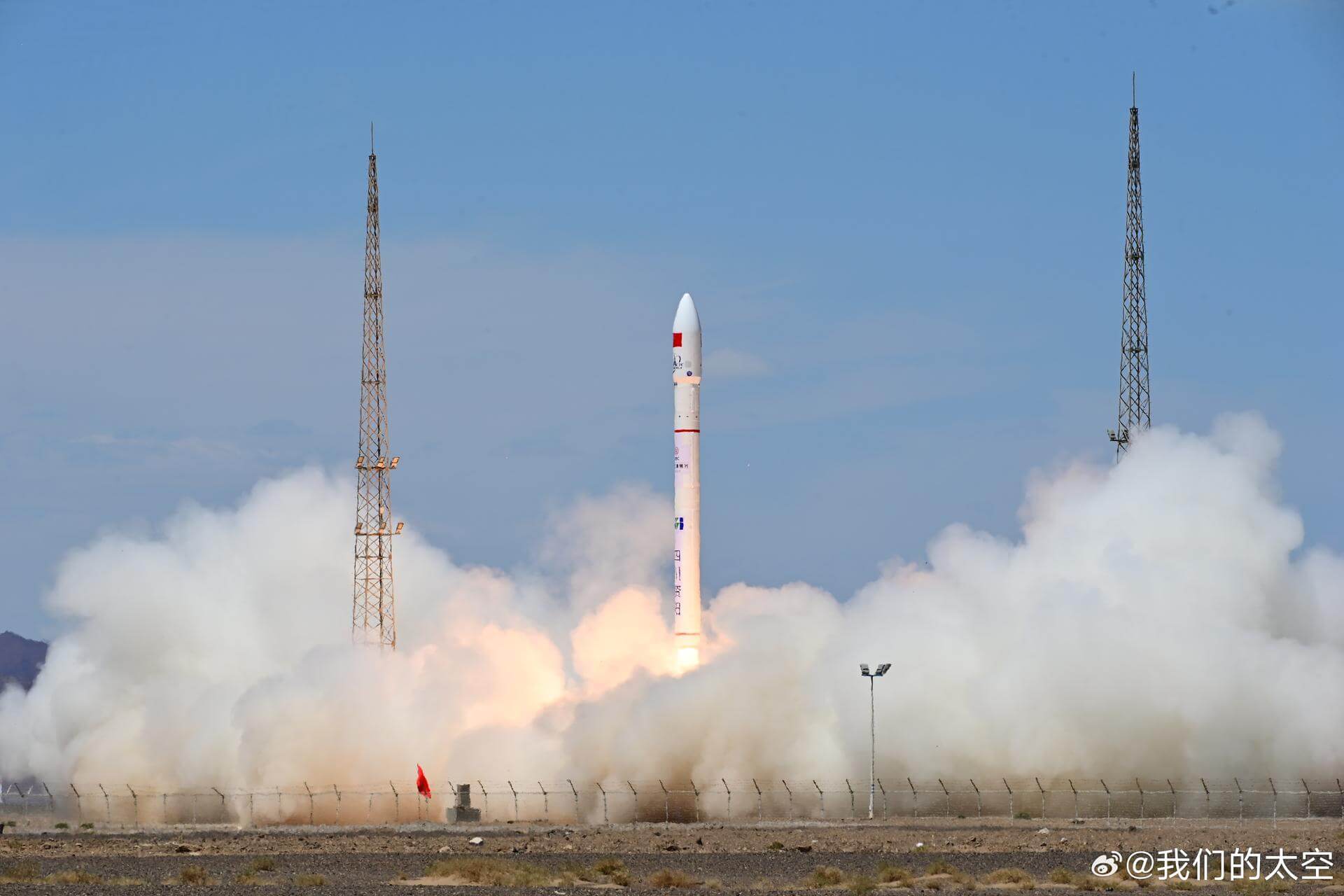
Space Brief 24 Nov 2024
Today's briefing covers Blue Origin's New Glenn nearing its first launch, SpaceX's 400th Falcon 9 mission with Starlink satellites, advancements in space-based weather prediction, and more.


Launch Date
September 18, 2012
Launch Site
XICLF
Launch Pad
LC2
Launch Vehicle
Chang Zheng 3B
NORAD ID
38774
International Designator
2012-050A
Epoch
Fri, 03 Jul 2026 14:24:40 GMT
Apogee
Calculating...
Perigee
Calculating...
Inclination
56.45°
Right Ascension
62.34°
Eccentricity
Calculating...
Argument of Perigee
264.10°
Period
773.15 min
Mean Motion
1.86 rev/day
Latitude
Calculating...
Longitude
Calculating...
Altitude
Calculating...
Velocity
Calculating...
Name
BEIDOU-2 M5
Alternative Name
Beidou DW 14
Type
Status
Owner
CNSA
Country
China
Constellation
N/A
Related Satellites
Major Events
N/A
1 38774U 12050A 26184.60047209 -.00000036 00000-0 00000-0 0 9996
2 38774 56.4537 62.3408 0041877 264.1003 95.4914 1.86251611 78151
Source: Celestrak
Length
3
Diameter
1.7
Span
18
Dry Mass
1300
Launch Mass
2300
Shape
Box + 2 Pan
Radar Cross Section
7.9433
Visual Magnitude
Unknown
Color
Unknown
Material Composition
Unknown
Payload
Beidou-2 M5
Purpose
Navigation
Mission
Navigation
Manufacturer
CAST
Life Expectancy
8 years
Bus
DFH-3
Configuration
DFH-3 Bus
Motor
FY-25
Equipment
?
Power System
2 deployable solar arrays, batteries
ADCS
Unknown
Transmitter Frequency
Unknown
Learn more about satellites and other related topics.
Today's briefing covers Blue Origin's New Glenn nearing its first launch, SpaceX's 400th Falcon 9 mission with Starlink satellites, advancements in space-based weather prediction, and more.
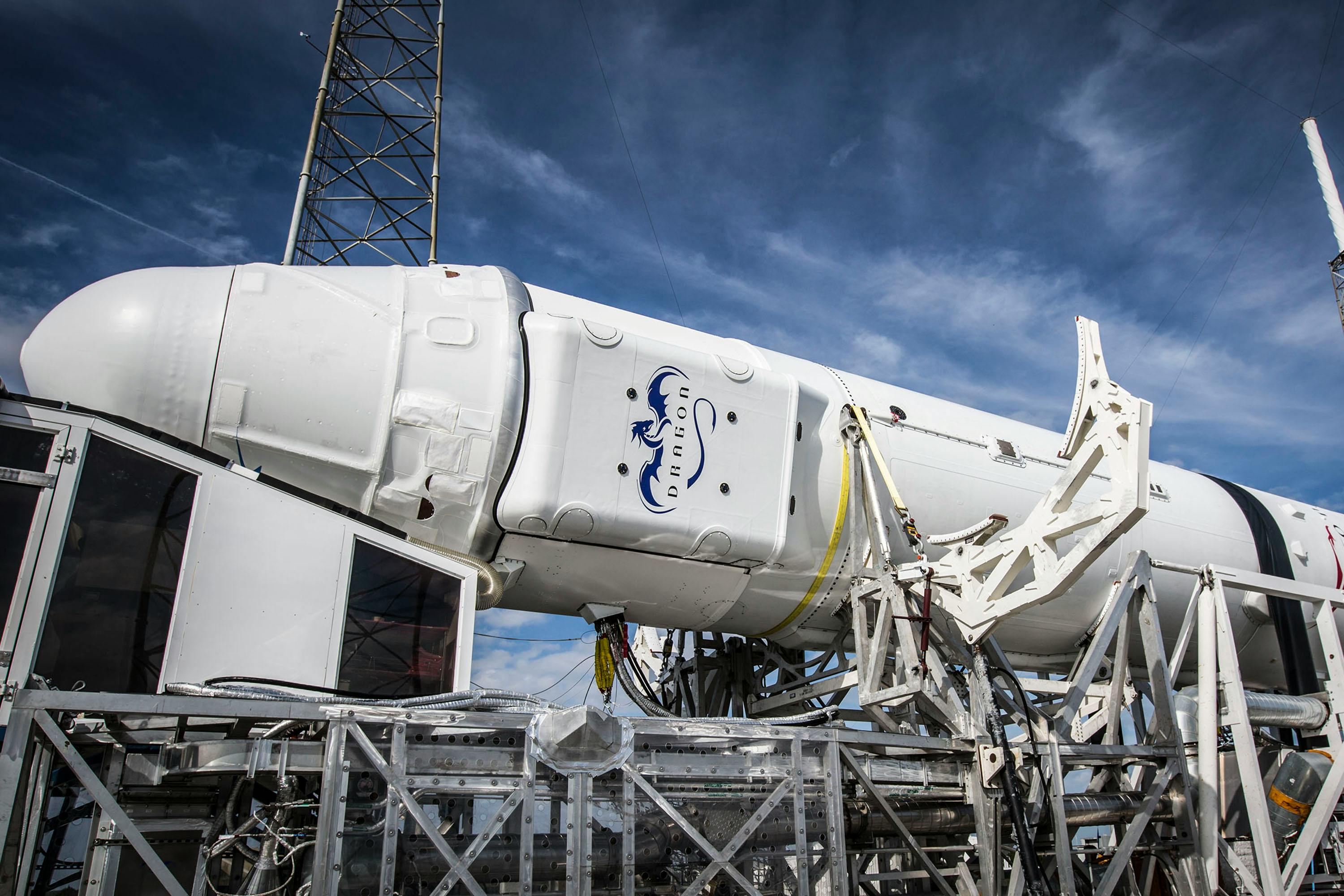
SpaceX continues to expand its reach with the successful launch of more Starlink satellites while exploring innovative military applications for satellite communications.
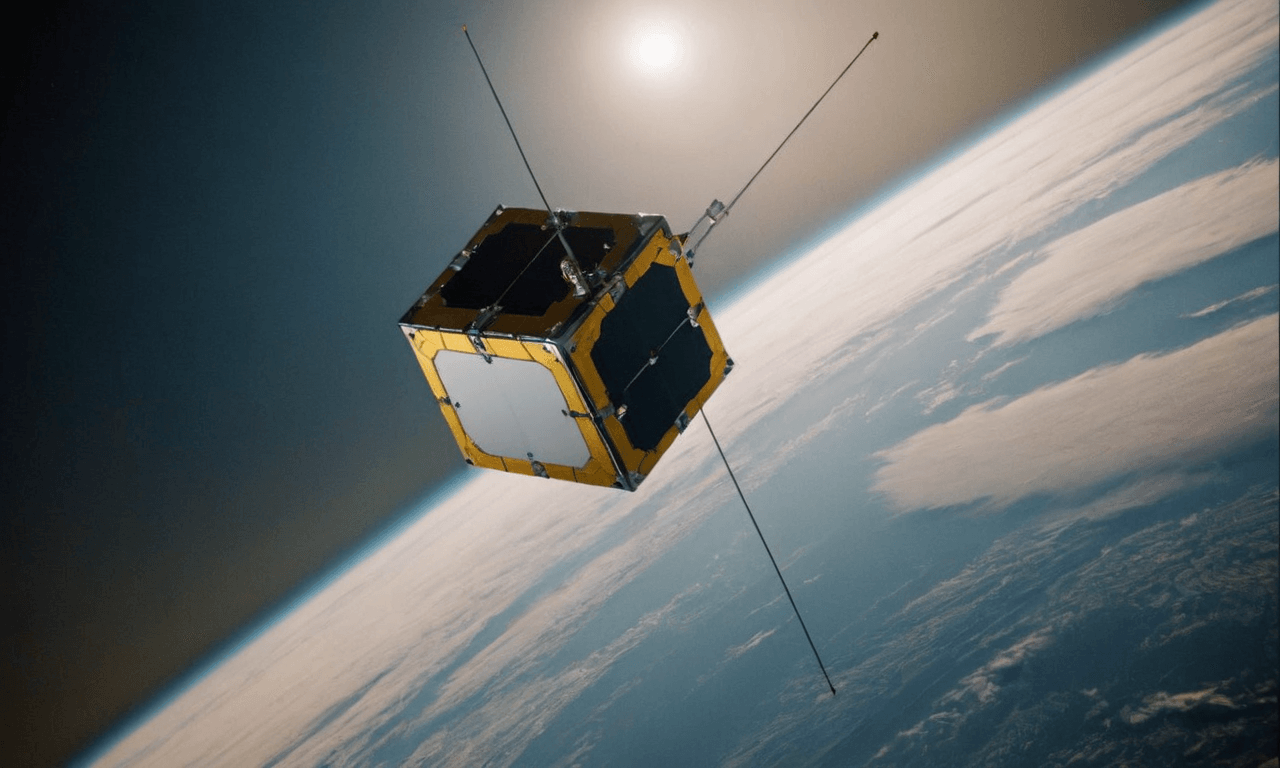
Today's brief covers China's Yaogan-43 satellite launch, delays in ESA's BepiColombo mission, regulatory approval for OHB's KKR deal, and an upcoming Sentinel-2C launch.
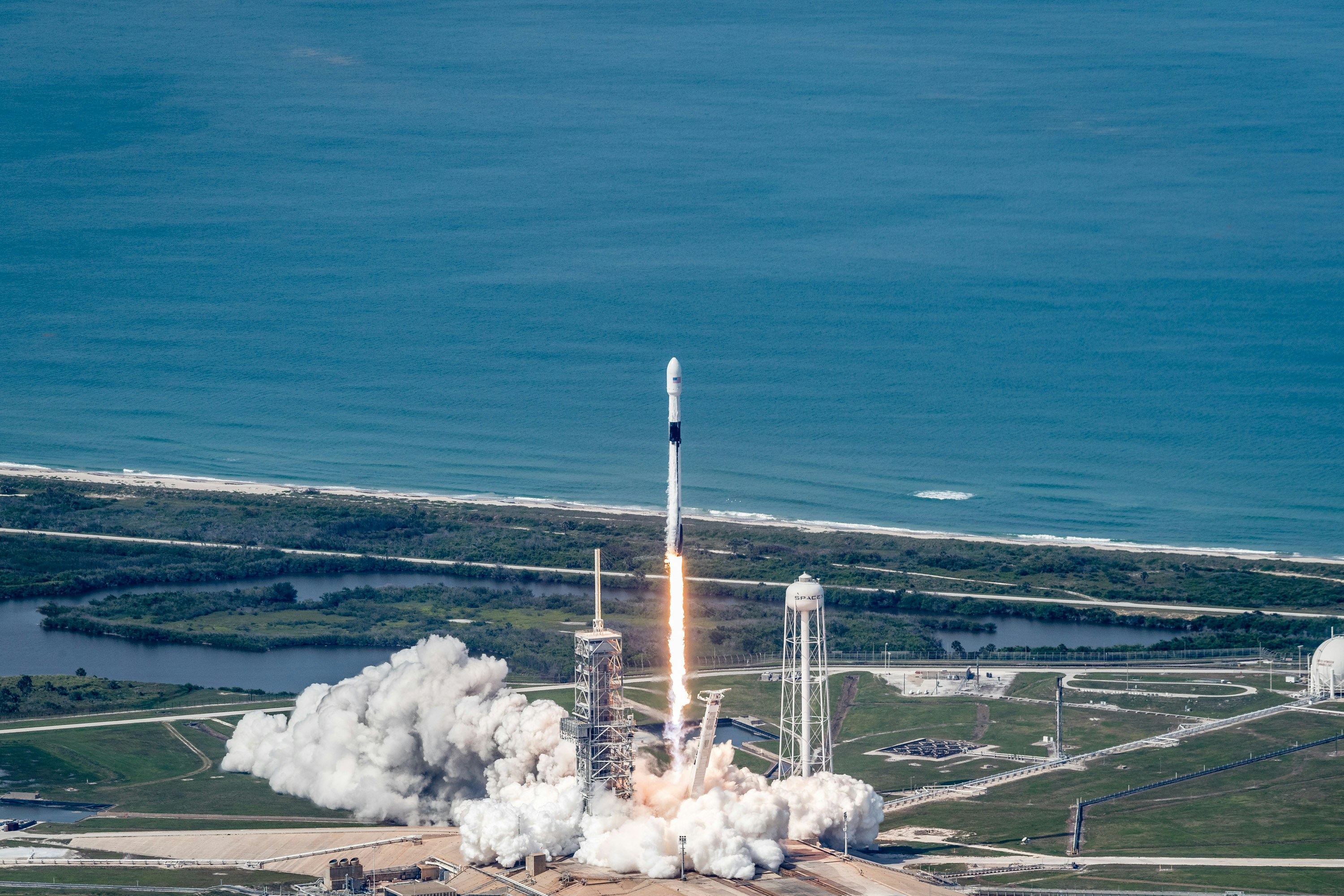
SpaceX conducted multiple successful launches this week, adding to its Starlink constellation and marking significant milestones in its ongoing missions.
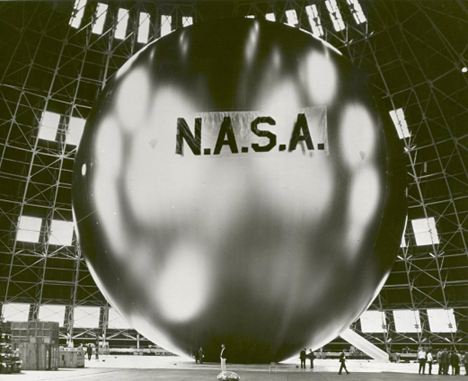
When a 135-foot inflatable mirror bounced a radio signal from England to Russia, it became the first joint US-Soviet space venture - and changed how we think about satellite communication.
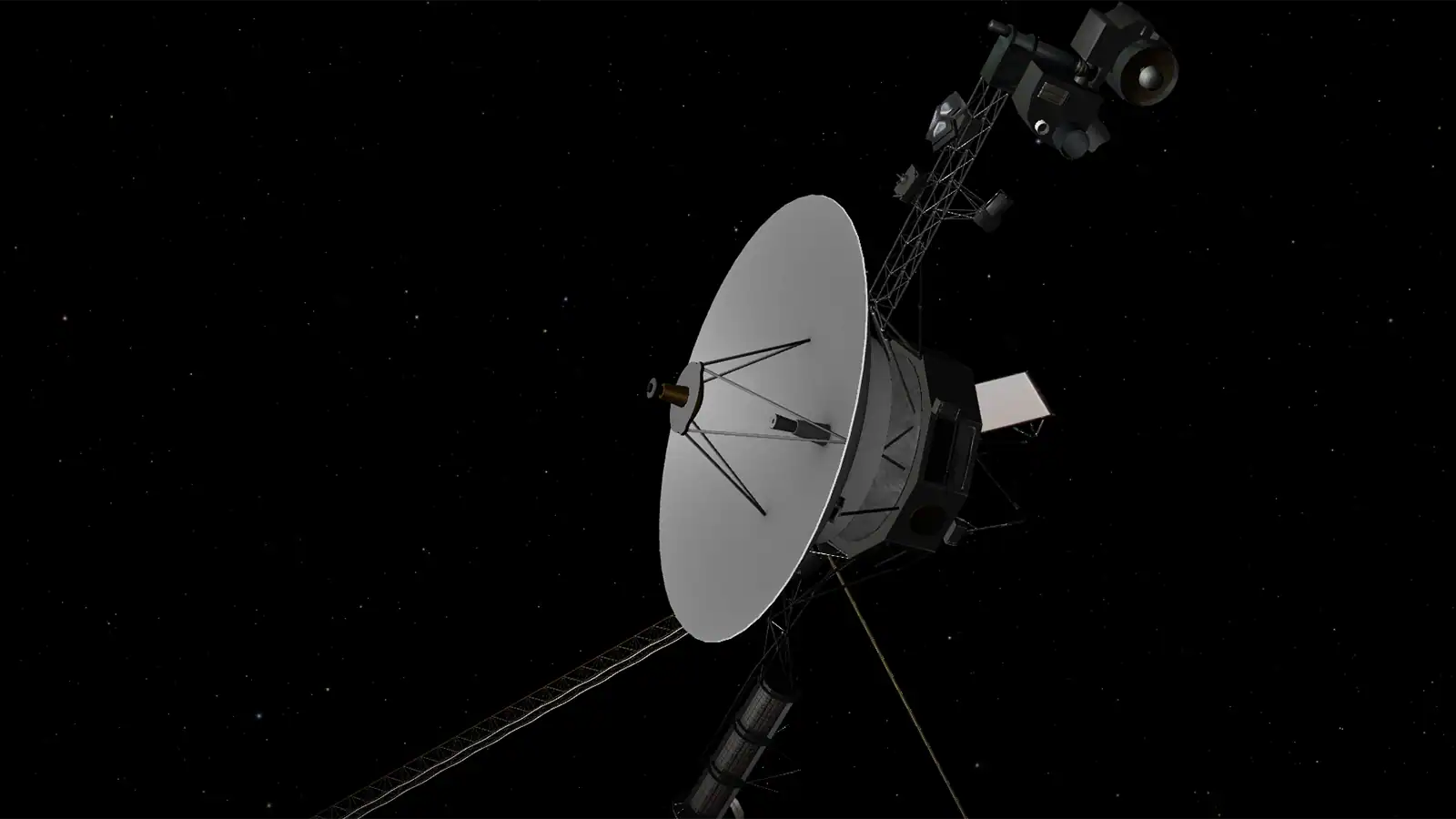
In November 2023, Earth's most distant spacecraft started speaking gibberish. Five months, one dead memory chip, and 30 billion miles of round-trip troubleshooting later, engineers got it talking again - using code written before most of them were born.

SpaceX launched three Block 2 BlueBird satellites for AST SpaceMobile from Cape Canaveral. Block 2 variants are larger with enhanced capacity compared to Block 1 units already in orbit.
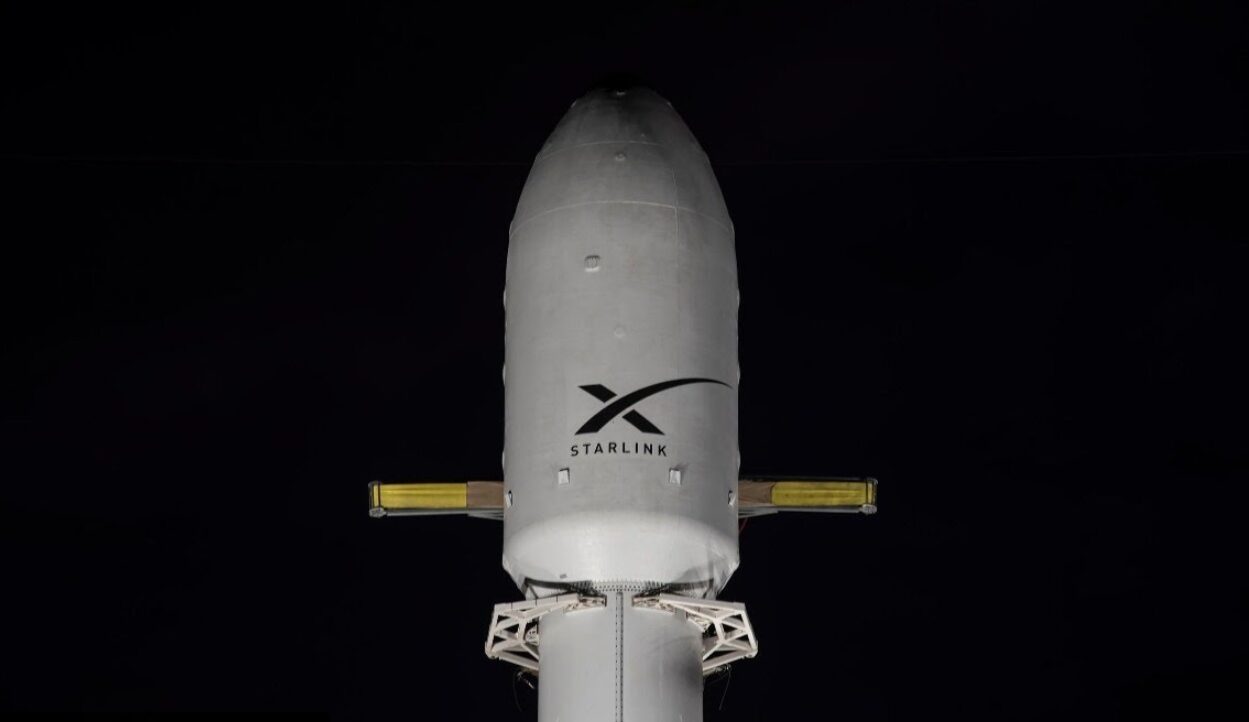
FCC clears Reflect Orbital's first satellite to bounce sunlight into nighttime zones, despite pushback from astronomers concerned about orbital streaking and wildlife impacts.