


Space Brief 6 Feb 2025
Today's brief covers a diverse range of topics, including reentry mission approvals, leadership changes in the Space Development Agency, and innovative military satellite communications.



Launch Date
September 26, 1968
Launch Site
Launch Pad
LC41
Launch Vehicle
Titan IIIC
NORAD ID
38705
International Designator
1968-081AF
Epoch
Fri, 03 Jul 2026 18:27:10 GMT
Apogee
Calculating...
Perigee
Calculating...
Inclination
3.22°
Right Ascension
61.16°
Eccentricity
Calculating...
Argument of Perigee
0.49°
Period
1410.53 min
Mean Motion
1.02 rev/day
Latitude
Calculating...
Longitude
Calculating...
Altitude
Calculating...
Velocity
Calculating...
Name
TITAN 3C TRANSTAGE DEB
Alternative Name
Transtage 5 debris
Type
Status
Owner
AFSSD2
Country
United States
Constellation
N/A
Related Satellites
Major Events
N/A
1 38705U 68081AF 26184.76887602 -.00000075 00000-0 00000-0 0 9994
2 38705 3.2238 61.1584 0292684 0.4938 359.3999 1.02089639 75235
Source: Celestrak
Length
0
Diameter
0
Span
0
Dry Mass
0
Launch Mass
0
Shape
N/A
Radar Cross Section
0.003
Visual Magnitude
Unknown
Color
Unknown
Material Composition
Unknown
Payload
Unknown
Purpose
Unknown
Mission
Unknown
Manufacturer
Unknown
Life Expectancy
Unknown
Bus
Unknown
Configuration
Unknown
Motor
Unknown
Equipment
Unknown
Power System
Unknown
ADCS
Unknown
Transmitter Frequency
Unknown
Learn more about satellites and other related topics.
Today's brief covers a diverse range of topics, including reentry mission approvals, leadership changes in the Space Development Agency, and innovative military satellite communications.
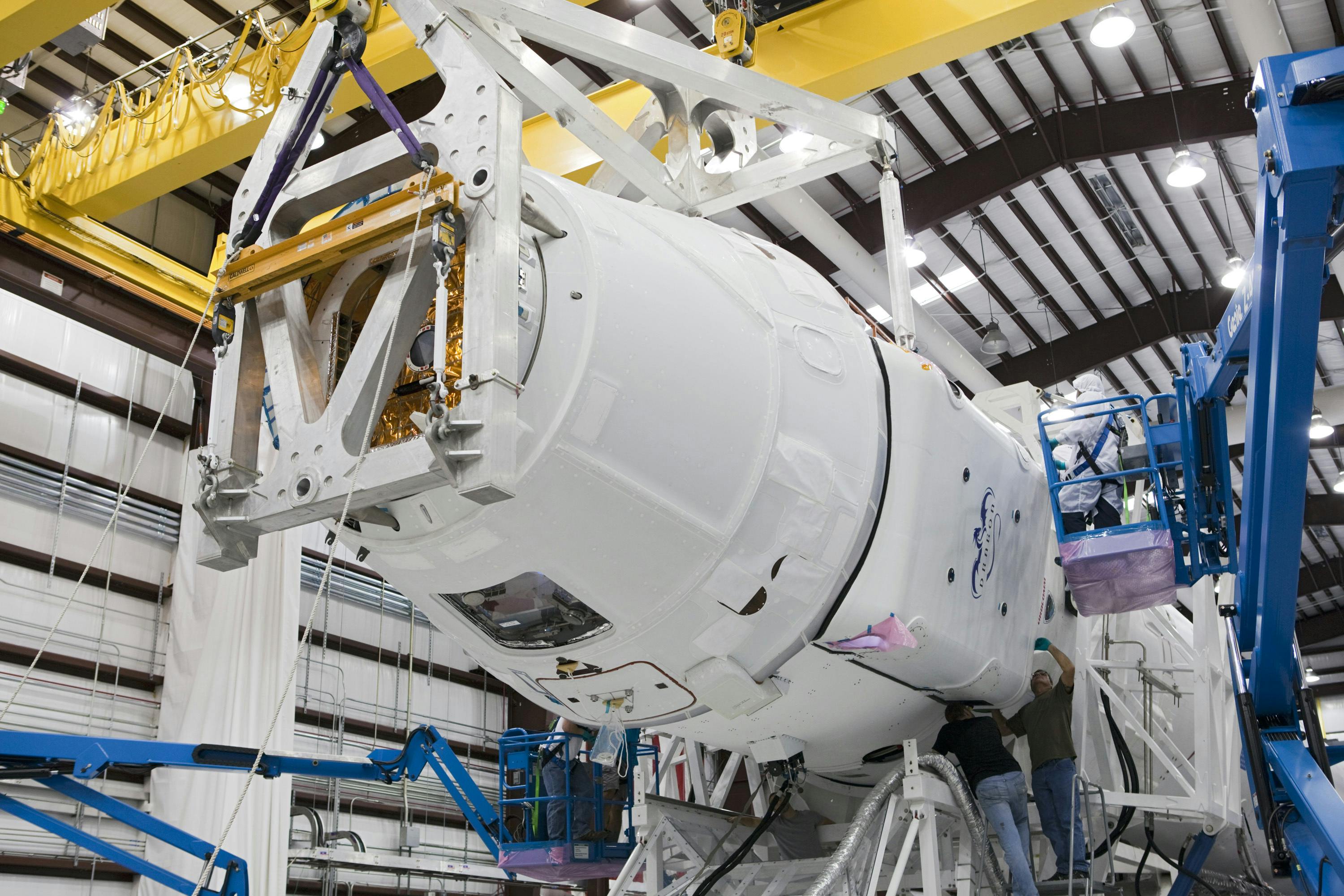
Elon Musk denies Starlink price reductions are driven by Amazon Kuiper competition. SpaceX launches 29 Starlink satellites in 18th constellation mission of 2026. Five more coming this week.
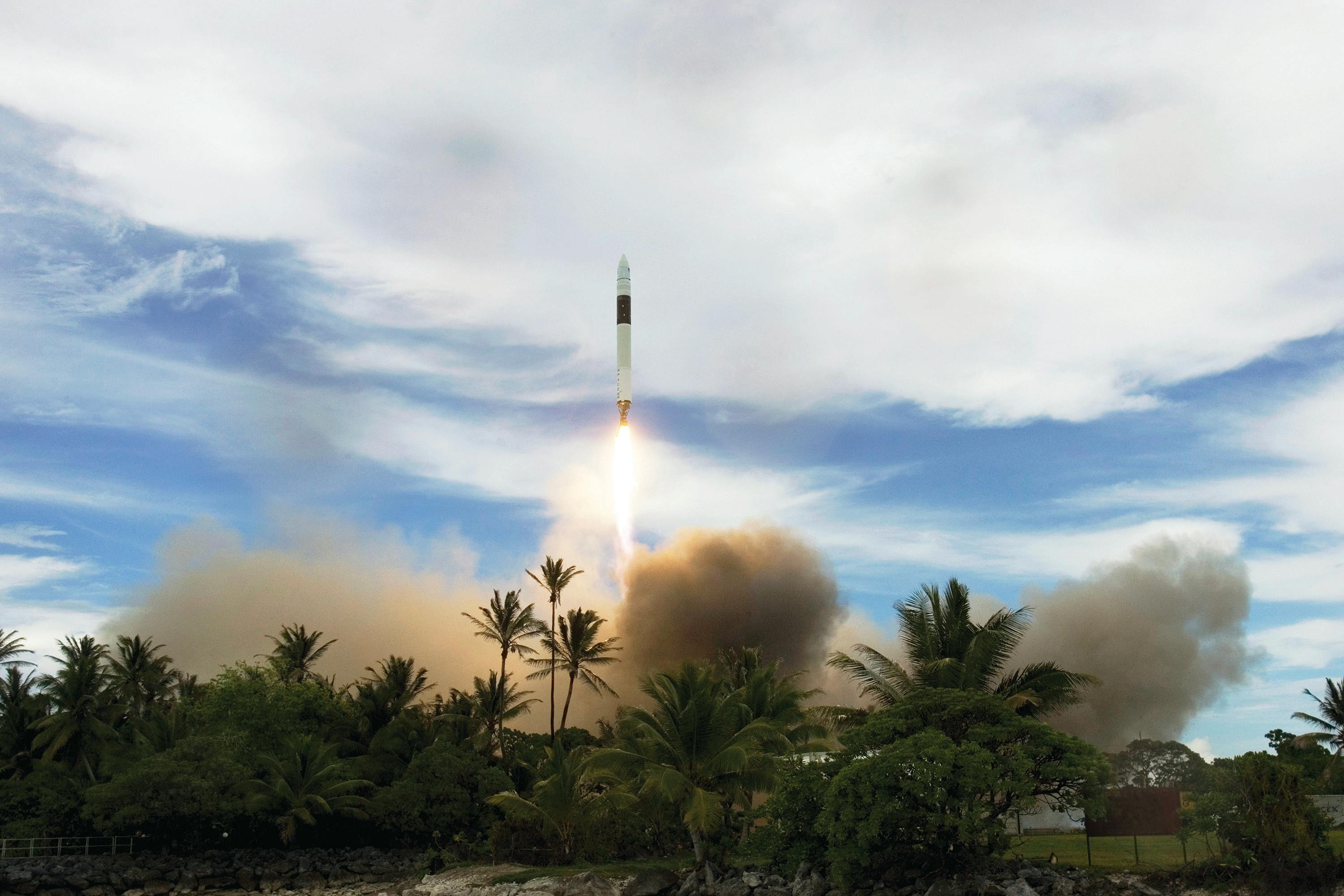
SpaceX prepares for sixth Starship flight, slated for mid-November, following successful fifth test in October.

Discover the latest developments in space defense, innovative satellite technologies, nuclear advancements in space travel, and strategic military updates.
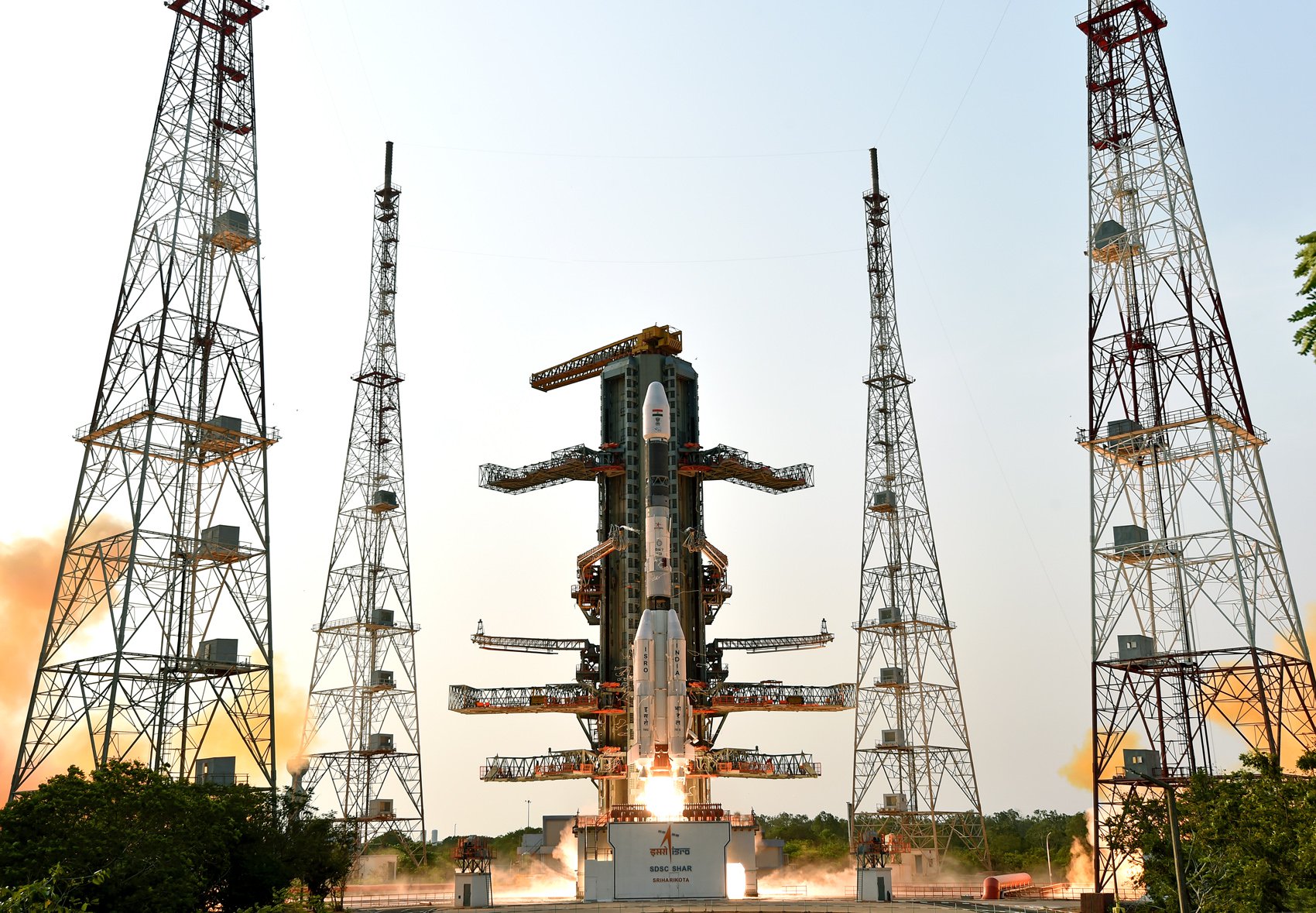
Today's highlights include China's remote-sensing satellite launch, U.S. Space Force's investment in missile-tracking satellites, and NASA's MAVEN milestone on Mars.

Blue Origin aiming for 2nd New Glenn launch by end of 2026 after LC-36 pad explosion at Cape Canaveral. Repair timeline still unclear; mission critical for national security payloads.
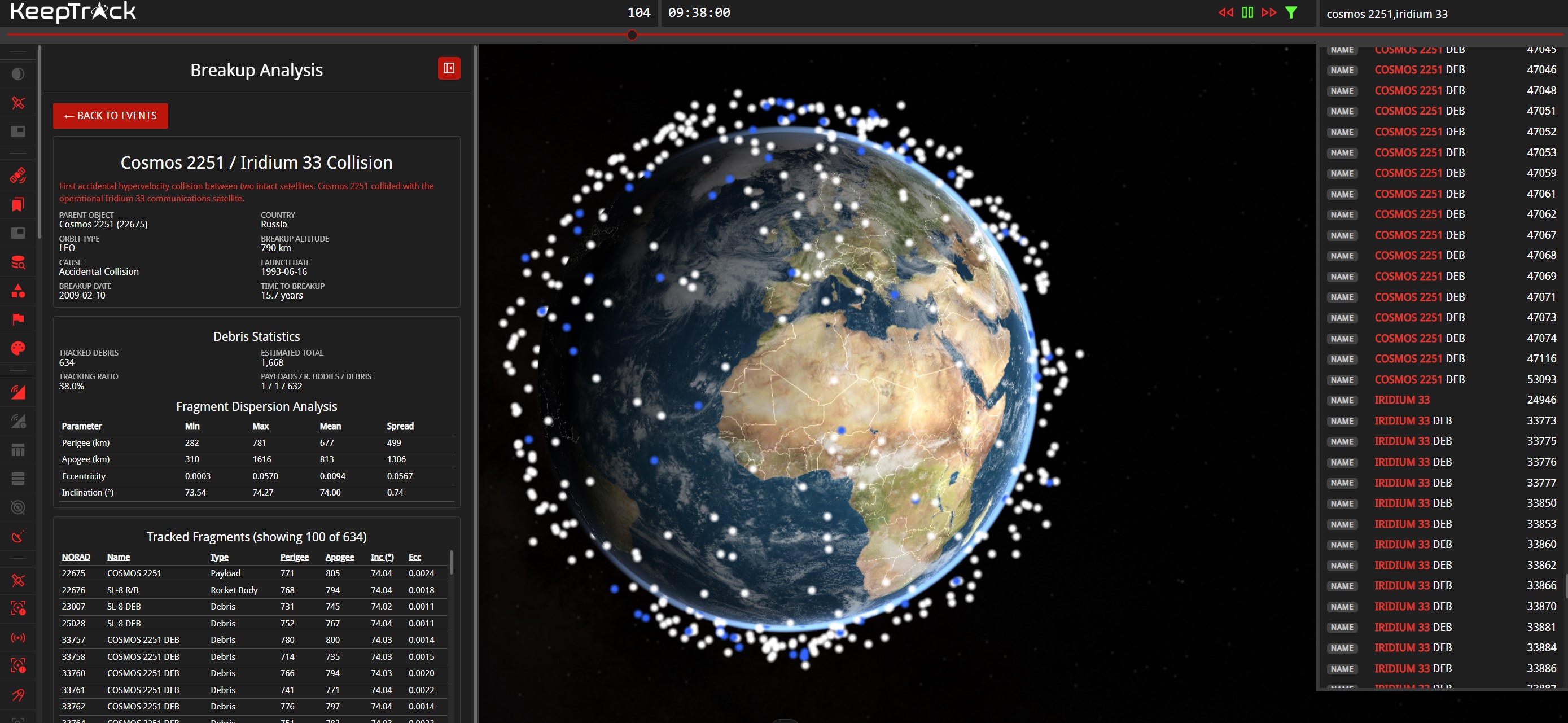
On February 10, 2009, an active Iridium communications satellite and a derelict Soviet military spacecraft slammed into each other 789 kilometers above Siberia. The collision produced more than 2,300 pieces of trackable debris that are still up there. Seventeen years later, the Iridium-Cosmos collision remains the event that made space debris a policy problem the world could no longer ignore.

China's Tianlong-3 rocket failed during ascent on debut launch Friday. SpaceX secured $178.5M Space Force contract for missile tracking satellite launches beginning 2027.