


X Report 3 Jun 2025
SpaceX gears up for an exciting week with multiple launches, including a crewed mission and the rescheduled Starlink delivery. Meanwhile, ULA faces criticism from the Space Force over delays in its Vulcan rocket program.


Launch Date
April 4, 1969
Launch Site
PLMSC
Launch Pad
LC41/1
Launch Vehicle
Voskhod 11A57
NORAD ID
03856
International Designator
1969-032B
Decay Date
4/14/1969
Name
SL-3 R/B
Alternative Name
Voskhod (N90) Blok-I
Type
Status
Owner
RVSN
Country
USSR
Constellation
N/A
Related Satellites
Major Events
N/A
Length
9.4
Diameter
2.7
Span
9.4
Dry Mass
3000
Launch Mass
3000
Shape
Cyl
Radar Cross Section
Unknown
Visual Magnitude
Unknown
Color
Unknown
Material Composition
Unknown
Payload
11A57I
Purpose
Unknown
Mission
Unknown
Manufacturer
PROG
Life Expectancy
Unknown
Bus
Blok-I
Configuration
Unknown
Motor
Unknown
Equipment
Unknown
Power System
Unknown
ADCS
Unknown
Transmitter Frequency
Unknown
Learn more about satellites and other related topics.
SpaceX gears up for an exciting week with multiple launches, including a crewed mission and the rescheduled Starlink delivery. Meanwhile, ULA faces criticism from the Space Force over delays in its Vulcan rocket program.

SpaceX acquires xAI to develop orbital data centers. Starlink terminals bypass Iran's government internet blackouts. Blue Origin escalates defense procurement criticism.

Today's highlights include SpaceX's rapid response GPS launch, Raytheon's new rocket motor test, and Starlink's revenue surge. Plus, the Space Force's modernization push.
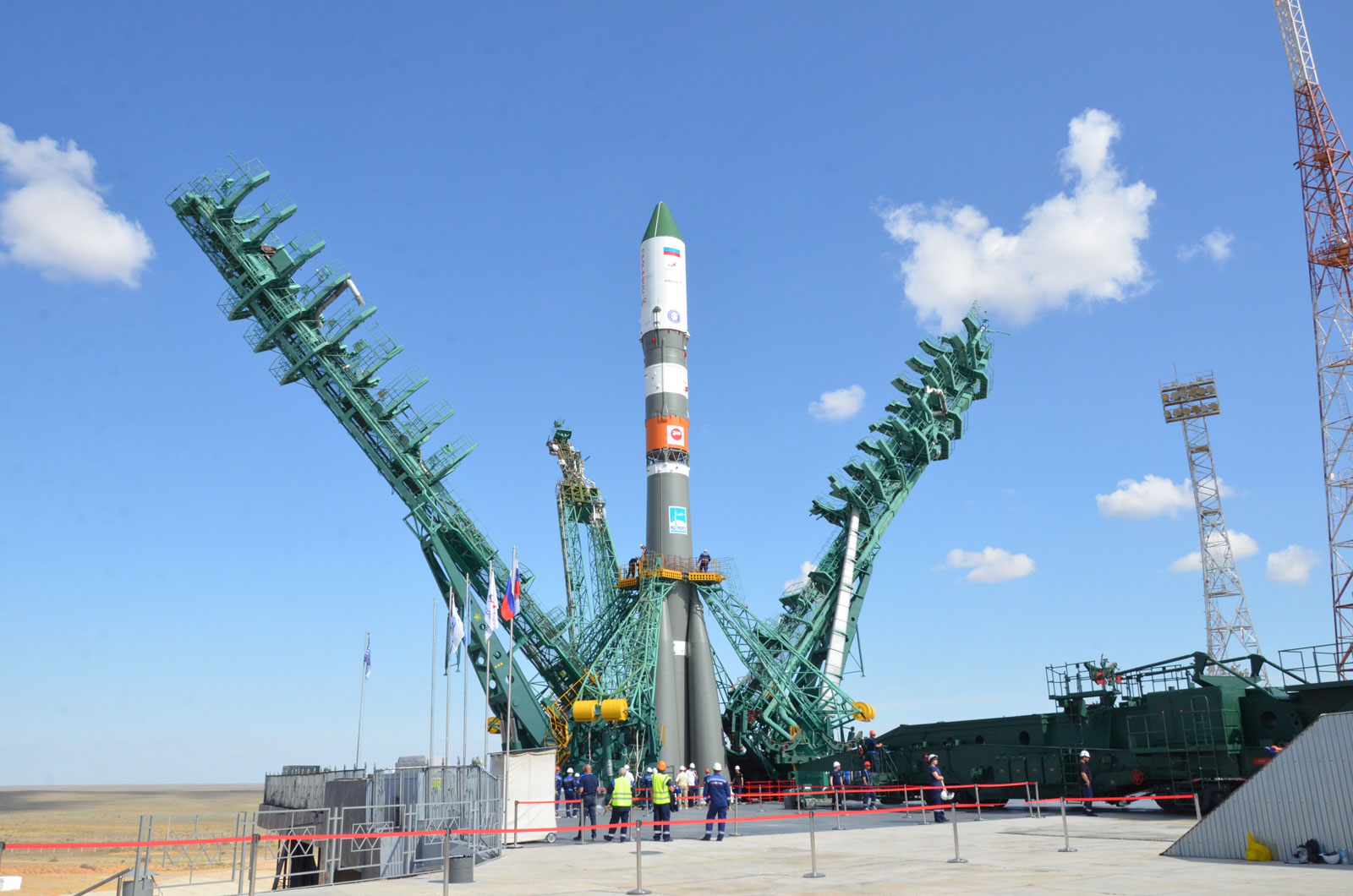
Today's highlights include the debut of a new Chinese rocket, a successful Starlink launch, and concerns about Artemis 3. We also cover DoD developments and a notable SpaceX milestone.
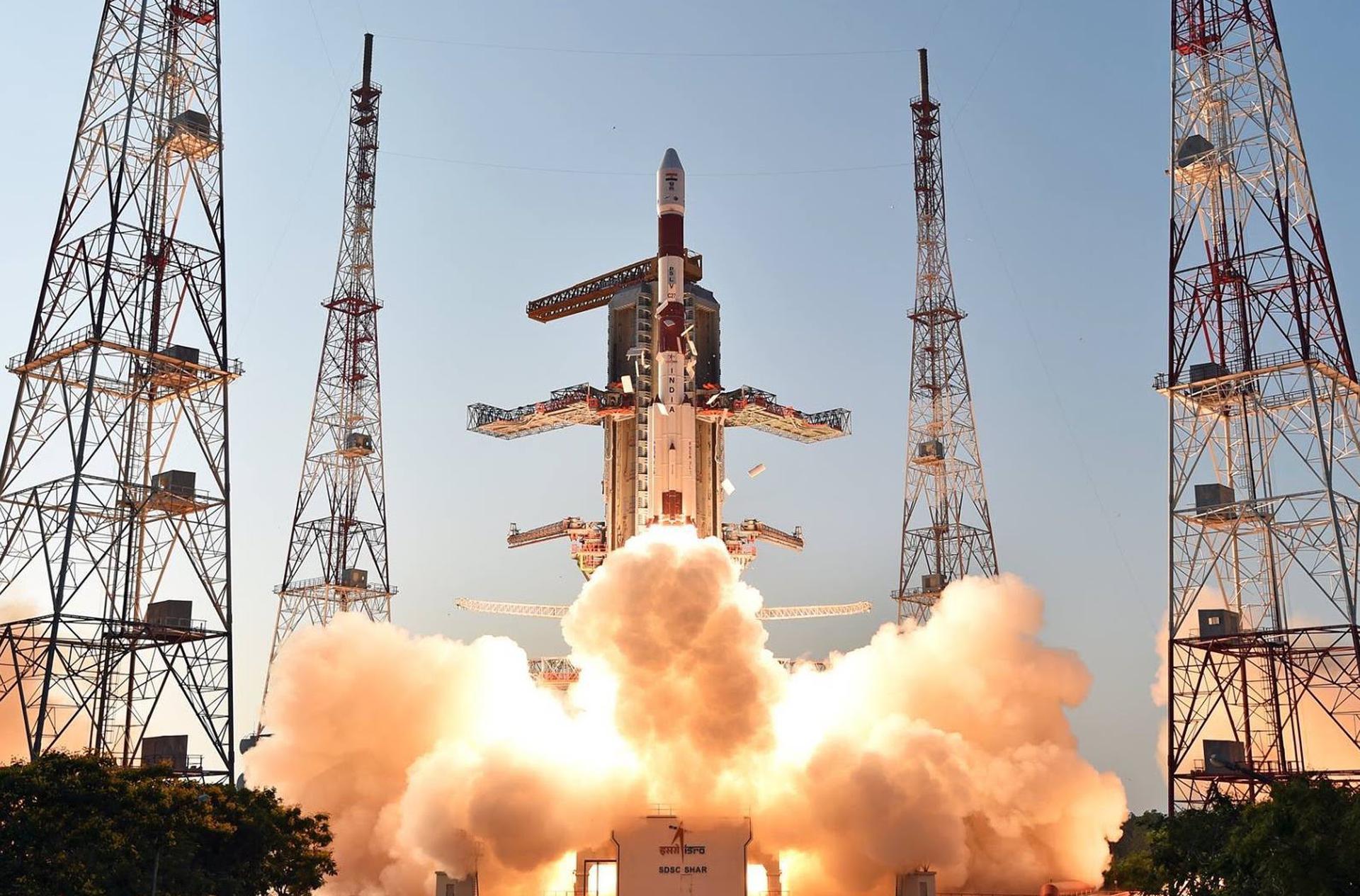
Today's highlights include China's latest satellite launches, Blue Origin's expansion plans, and Purdue University's groundbreaking suborbital mission with Virgin Galactic.
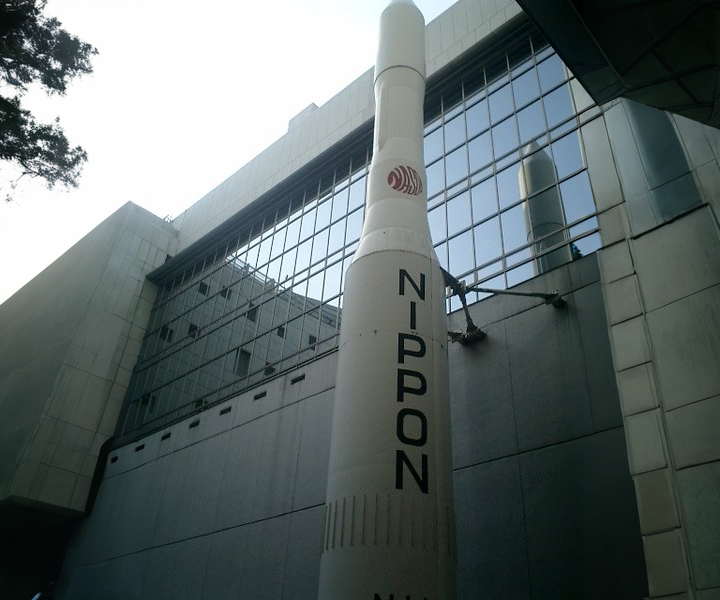
Forty-eight years ago, a pioneering satellite named Kiku 2 propelled Japan into the exclusive group of nations capable of operating satellites in geostationary orbit
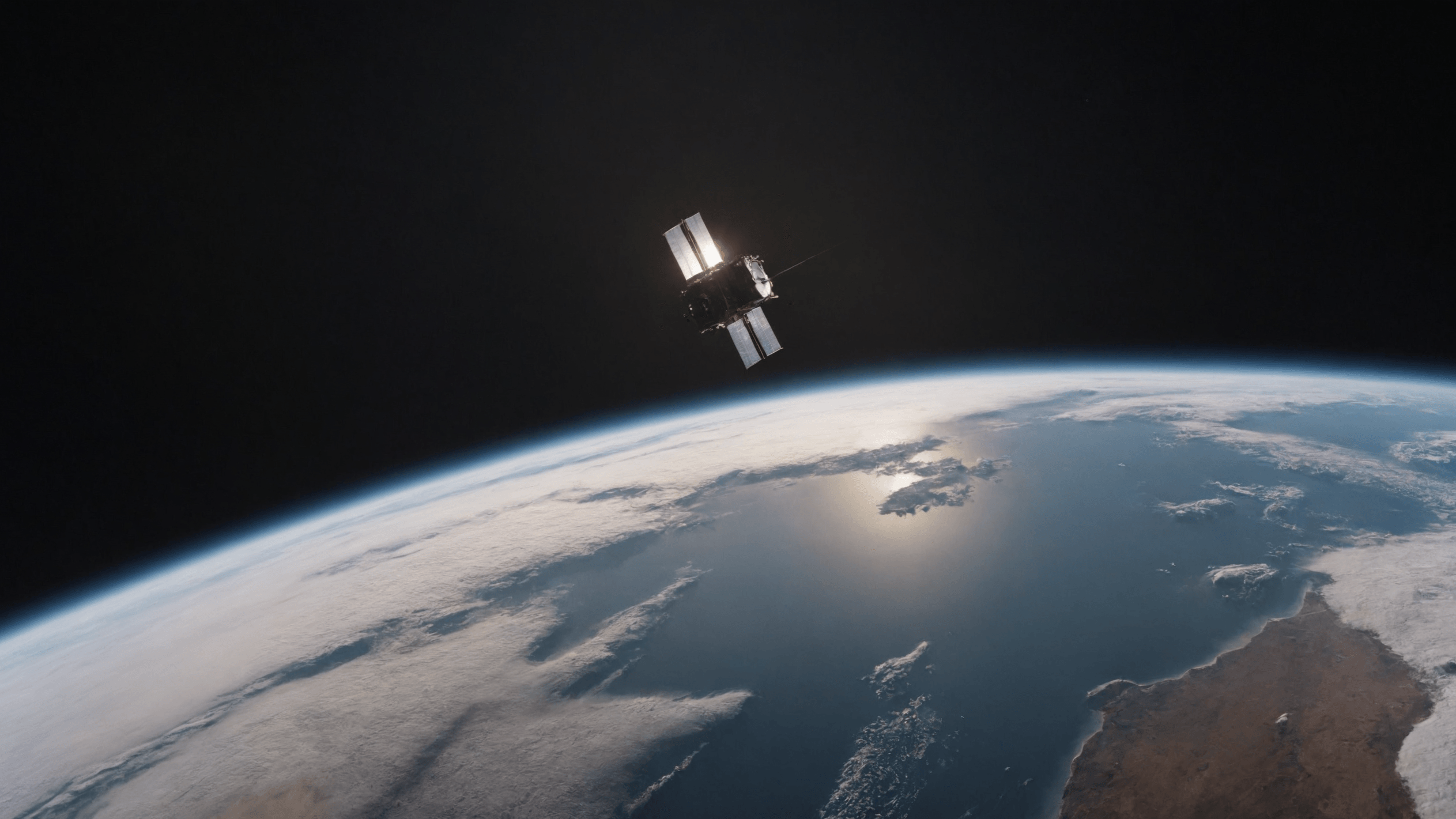
A Falcon 9 booster fails to land, increasing GPS and PNT significance for national security, and NASA's SLS mobile launch platform costs soar.
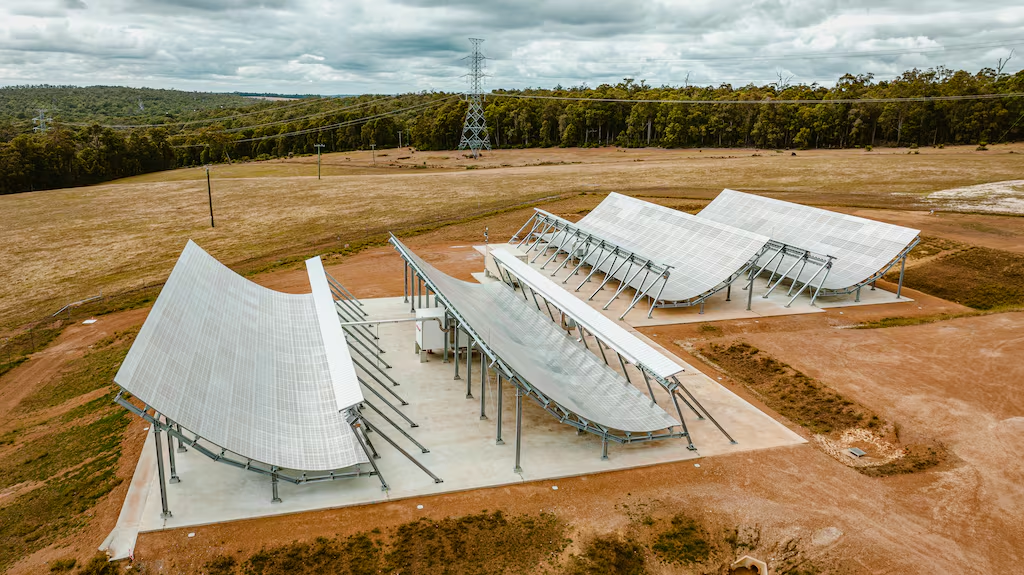
A startup built on Cold War-era radar science now tracks 25,000 objects in orbit - and the Pentagon can't get enough of it. But can its radars really compete with the Space Surveillance Network?