IRIDIUM 33 DEB (38471)

COSPAR: 1997-051ZY | Alt Name: deb Iridium 33
DECAYED

Image
IRIDIUM 33 DEB Satellite Image
Additional Sources
Launch Details

Launch Date

September 14, 1997

Launch Pad

LC81/23

Launch Vehicle

Proton-K/17S40

Orbital Elements

NORAD ID

38471

International Designator

1997-051ZY

Decay Date

3/20/2022

Basic Satellite Info

Name

IRIDIUM 33 DEB

Alternative Name

deb Iridium 33

Type

Debris

Status

Space Junk

Owner

IRIDS

Country

United States

Constellation

N/A

Related Satellites

Major Events

N/A

Summary
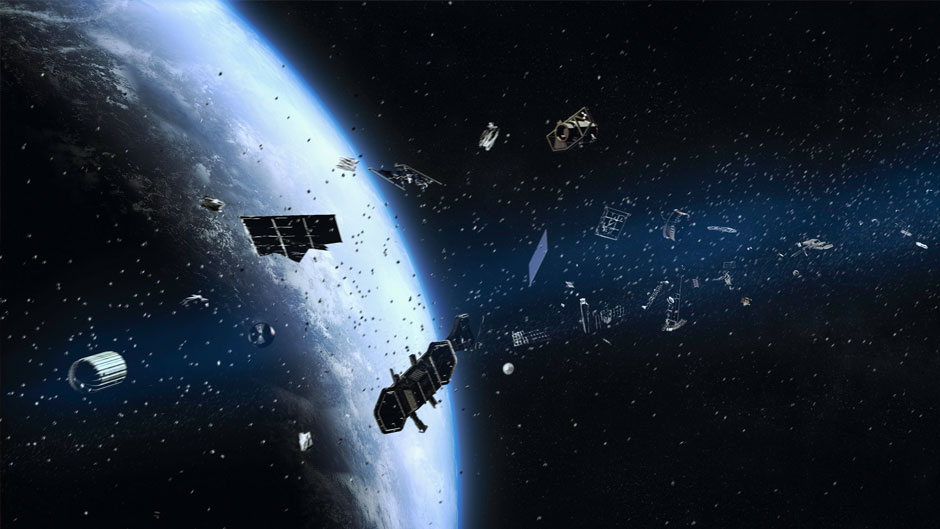
Space debris, also known as space junk, encompasses all non-functional objects orbiting Earth such as defunct satellites, spent rocket stages, and fragments from collisions or disintegrations. Over time, this debris can accumulate and create an increasingly hazardous environment in orbit. Even tiny fragments, traveling at extremely high velocities, can inflict significant damage on operational satellites and spacecraft. If left unmanaged, the density of debris raises the risk of catastrophic collisions and further fragmentation, compounding the problem and threatening the safety and sustainability of space activities.
Physical Characteristics

Length

0

Diameter

0

Span

0

Dry Mass

0

Launch Mass

0

Shape

N/A

Radar Cross Section

0.0155

Visual Magnitude

Unknown

Color

Unknown

Material Composition

Unknown

Technical Details

Payload

Unknown

Purpose

Unknown

Mission

Unknown

Manufacturer

Unknown

Life Expectancy

Unknown

Bus

Unknown

Configuration

Unknown

Motor

Unknown

Equipment

Unknown

Power System

Unknown

ADCS

Unknown

Transmitter Frequency

Unknown

Satellite Articles

View All Posts »

Learn more about satellites and other related topics.

AI Outperforms Human Planners in Air Force Battle Management Test | KeepTrack Space Brief

AI Outperforms Human Planners in Air Force Battle Management Test | KeepTrack Space Brief

AI tools outperform human planners in Air Force battle management experiment. DARPA pursues quantum computing interoperability. Canada's Atlantic Spaceport Complex gets environmental approval.

Suborbital Tourism Scorecard 2026, the Edge of Space Goes Quiet

Suborbital Tourism Scorecard 2026, the Edge of Space Goes Quiet

Twenty-two years after SpaceShipOne, the two companies that defined suborbital tourism are both sitting on the ground. Blue Origin parked New Shepard in January, Virgin Galactic has not flown a customer since 2024, and the math behind the whole business is finally getting an honest look.

First Graviton Detector Concept Proposed, Space Force Shelves R-GPS Program | KeepTrack Space Brief

First Graviton Detector Concept Proposed, Space Force Shelves R-GPS Program | KeepTrack Space Brief

Keck Foundation team proposes first-ever graviton detector concept. Space Force shelves Resilient GPS program. China advances Long March 12B reusable rocket with static fire test at Jiuquan.

Space Brief 21 Aug 2024

Space Brief 21 Aug 2024

Recent Starlink launches, autonomous navigation for satellite swarms, major funding for asteroid mining, and insights into NASA's various projects and developments.

Space Brief 22 Nov 2024

Space Brief 22 Nov 2024

Today's key topics include delays in Vulcan's national security launches, a significant network upgrade contract for the Space Force, and military interest in SpaceX's Starship.

Space Brief 24 Mar 2025

Space Brief 24 Mar 2025

Historic launches mark a transformative week in aerospace, with major milestones achieved by Isar Aerospace, SpaceX, and Botswana's entry into space. Significant advancements in reusability and European capabilities highlight key developments.

X Report 22 Nov 2024

X Report 22 Nov 2024

SpaceX edges closer to increased Starship launch approvals, secures lunar rover delivery, eyes potential military collaboration, and continues rapid satellite deployment.

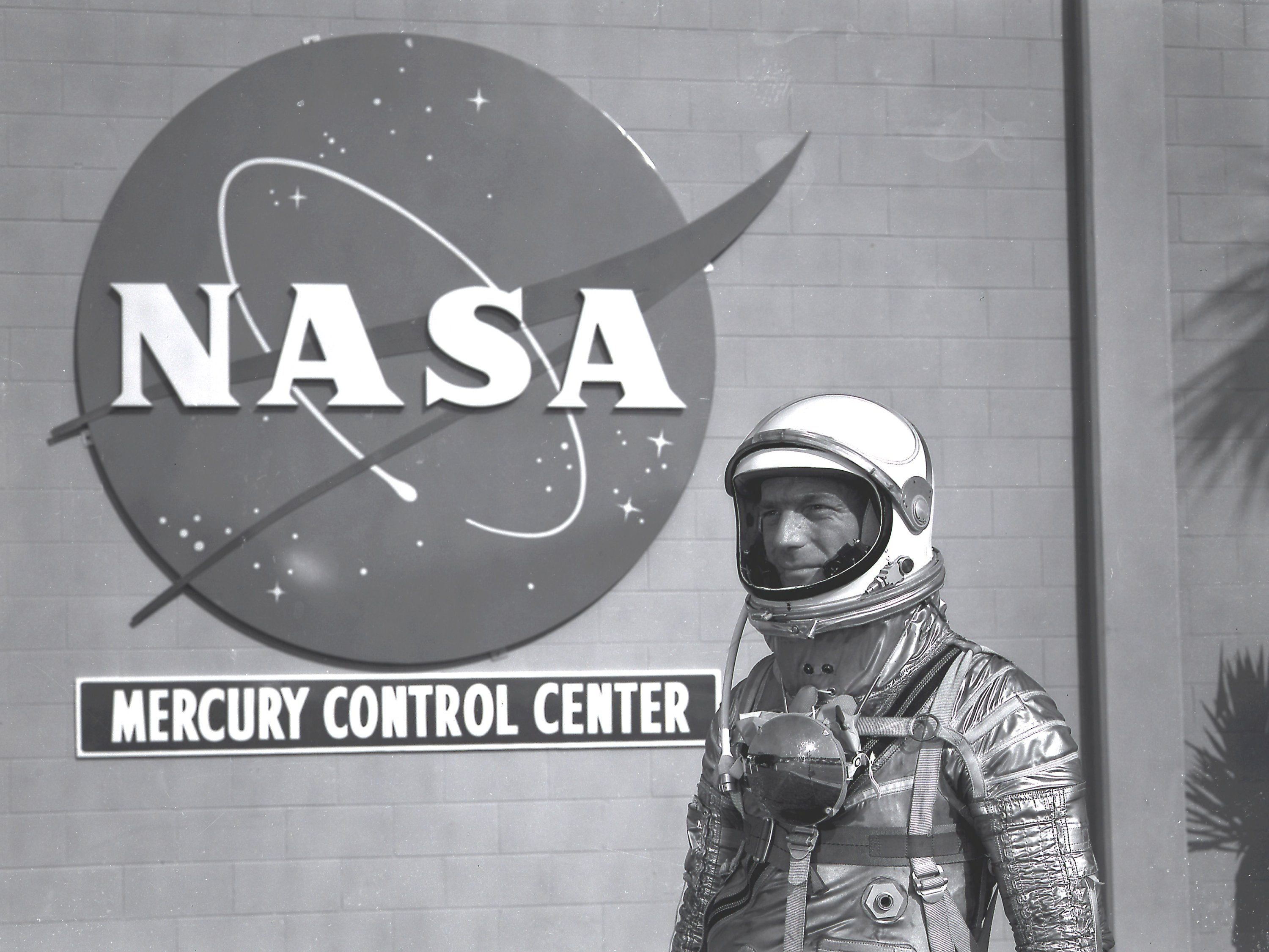
Aurora 7 and the Day NASA Almost Lost Scott Carpenter

Aurora 7 and the Day NASA Almost Lost Scott Carpenter

Exactly 64 years ago today, Scott Carpenter became the fourth American to orbit the Earth aboard Aurora 7. His five-hour flight produced new science, a tense reentry, and 39 minutes of silence in which the country wondered if it had just lost its astronaut.