

Space Brief 16 Jun 2025
Today's update covers NASA's Ax-4 mission preparations, ESA's satellite imaging program, Ursa Major's military contract, and China's expanding nuclear arsenal.



Launch Date
September 14, 1997
Launch Site
Launch Pad
LC81/23
Launch Vehicle
Proton-K/17S40
NORAD ID
38468
International Designator
1997-051ZV
Decay Date
11/26/2023
Name
IRIDIUM 33 DEB
Alternative Name
deb Iridium 33
Type
Status
Owner
IRIDS
Country
United States
Constellation
N/A
Related Satellites
Major Events
N/A
Length
0
Diameter
0
Span
0
Dry Mass
0
Launch Mass
0
Shape
N/A
Radar Cross Section
0.0067
Visual Magnitude
Unknown
Color
Unknown
Material Composition
Unknown
Payload
Unknown
Purpose
Unknown
Mission
Unknown
Manufacturer
Unknown
Life Expectancy
Unknown
Bus
Unknown
Configuration
Unknown
Motor
Unknown
Equipment
Unknown
Power System
Unknown
ADCS
Unknown
Transmitter Frequency
Unknown
Learn more about satellites and other related topics.
Today's update covers NASA's Ax-4 mission preparations, ESA's satellite imaging program, Ursa Major's military contract, and China's expanding nuclear arsenal.
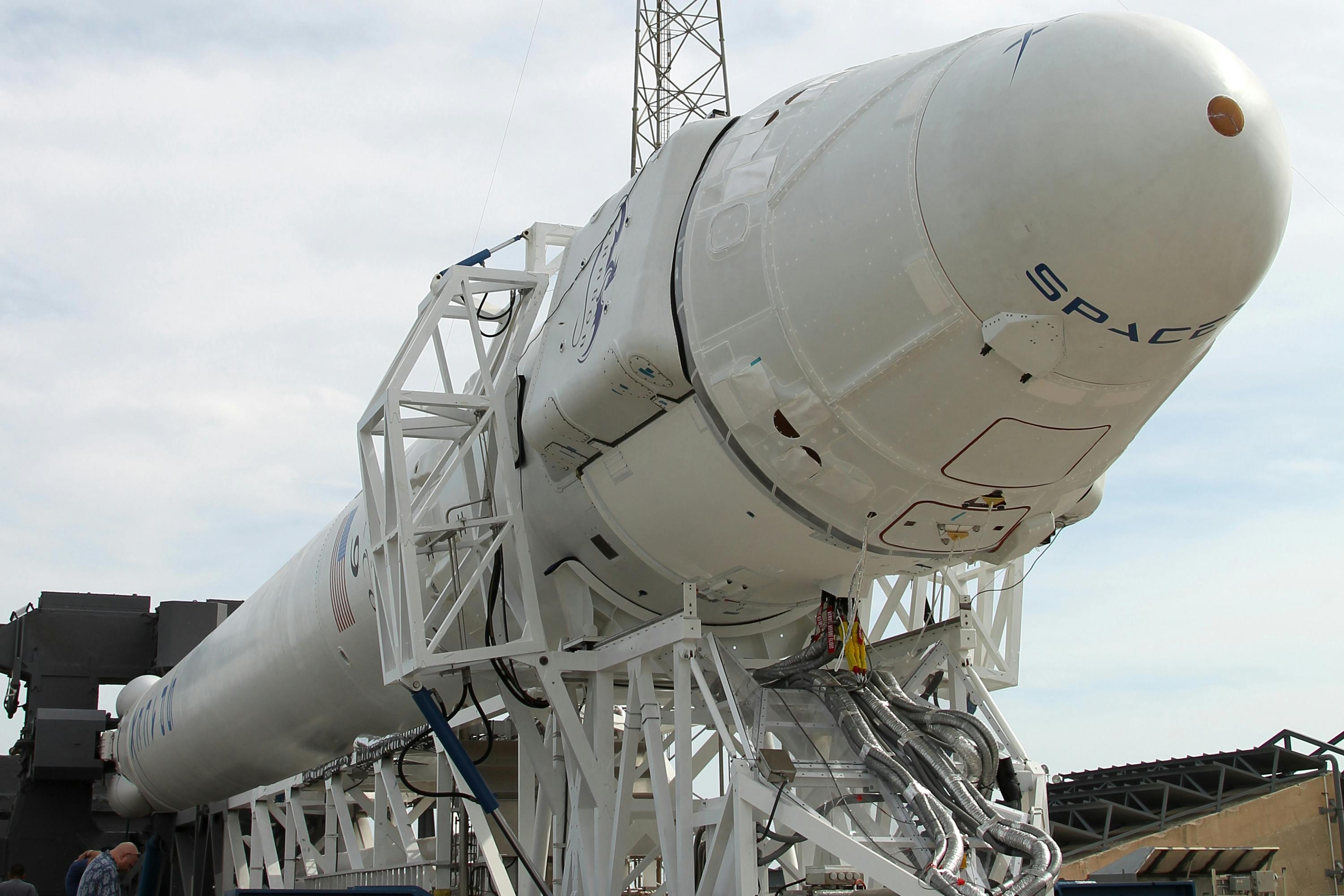
SpaceX prepares for its 100th Falcon 9 launch from Kennedy Space Center while facing a scrubbed attempt of the latest Starlink deployment.
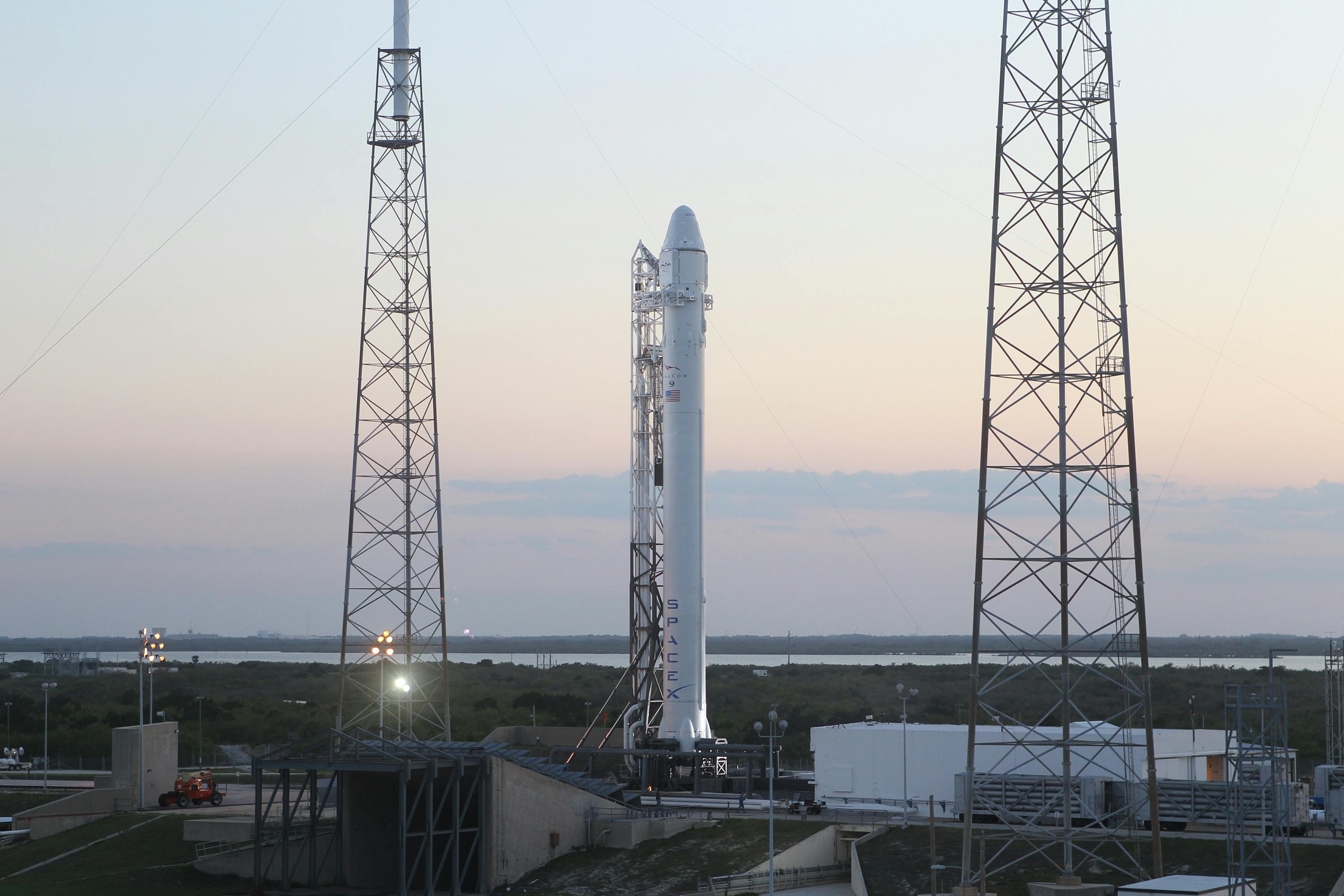
SpaceX targets July 16 for Starship Flight 13, testing V3 fixes and deploying functioning Starlink satellites for the first time.
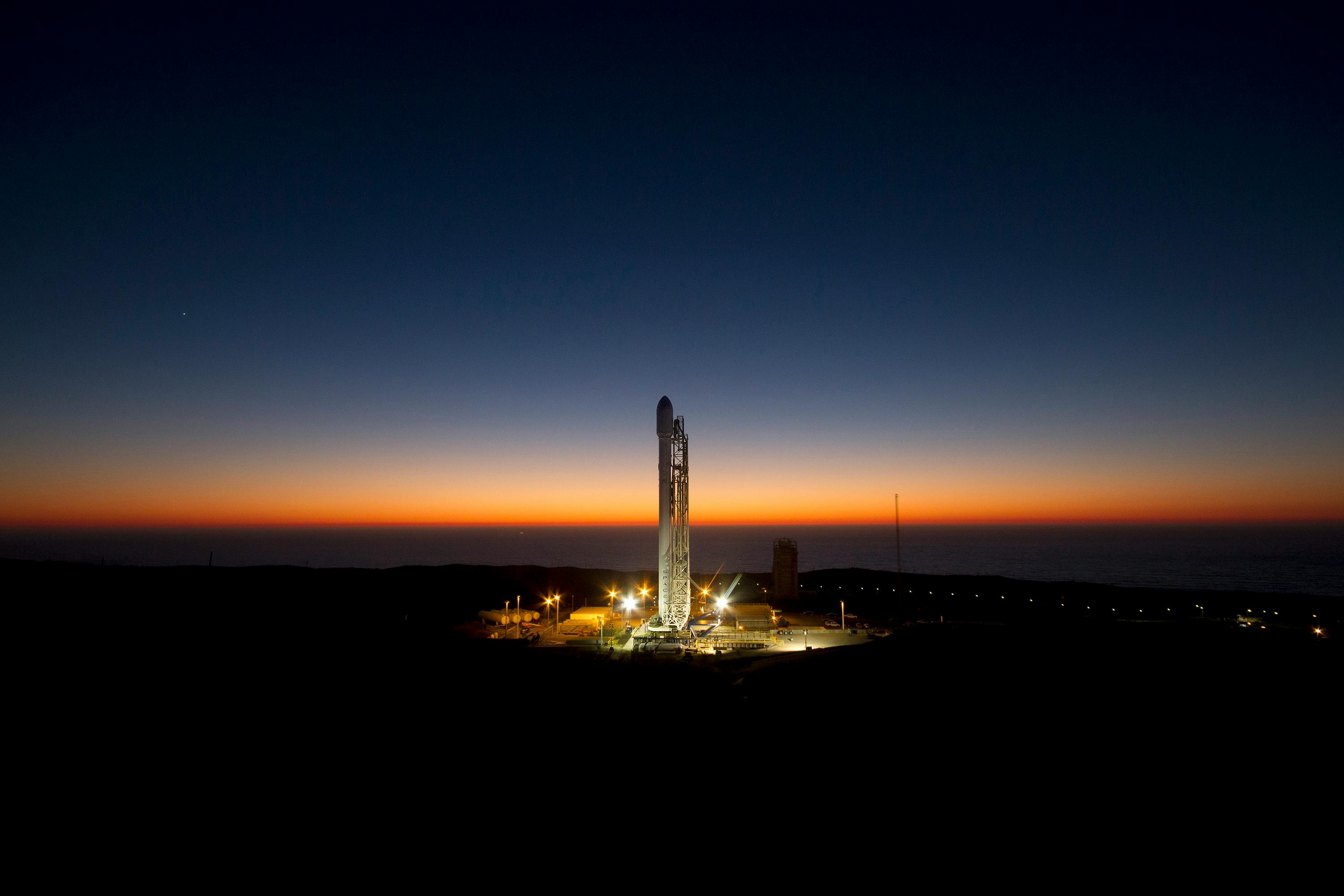
NASA adds crew missions to SpaceX's contract as Boeing Starliner certification stalls, while Falcon 9 hits its 60th orbital launch of 2026.

Artemis II SLS/Orion rolls to Launch Complex 39B for first crewed lunar mission since 1972. China suffers dual launch failures on the same day. SpainSat NG 2 declared total loss from debris strike.
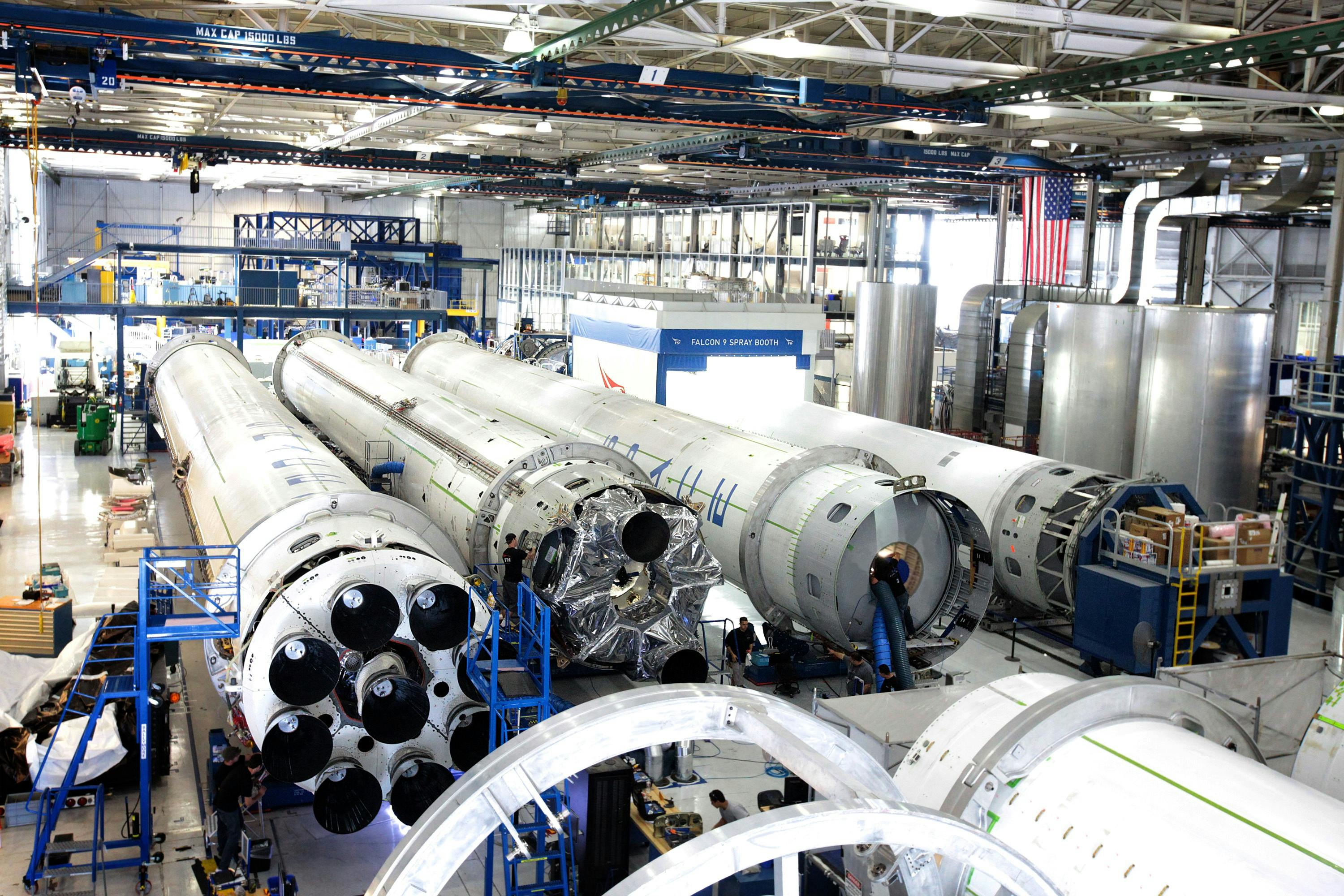
SpaceX successfully launched its CRS-33 Dragon cargo mission to the ISS, while preparations for the upcoming Starship Flight 10 continue, highlighting significant advancements in both cargo operations and test flight reliability.
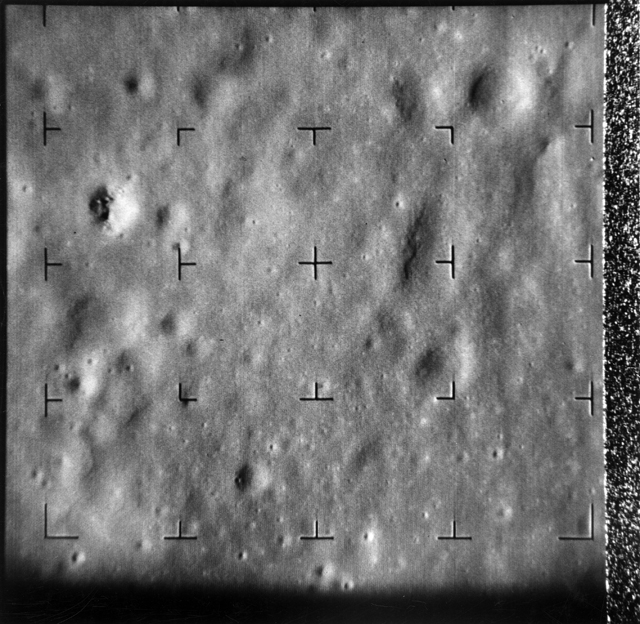
Sixty years ago, a pioneering spacecraft called Ranger 8 captured thousands of detailed photographs of the lunar surface before intentionally crashing into the Moon, helping pave the way for humanity's first steps on another world
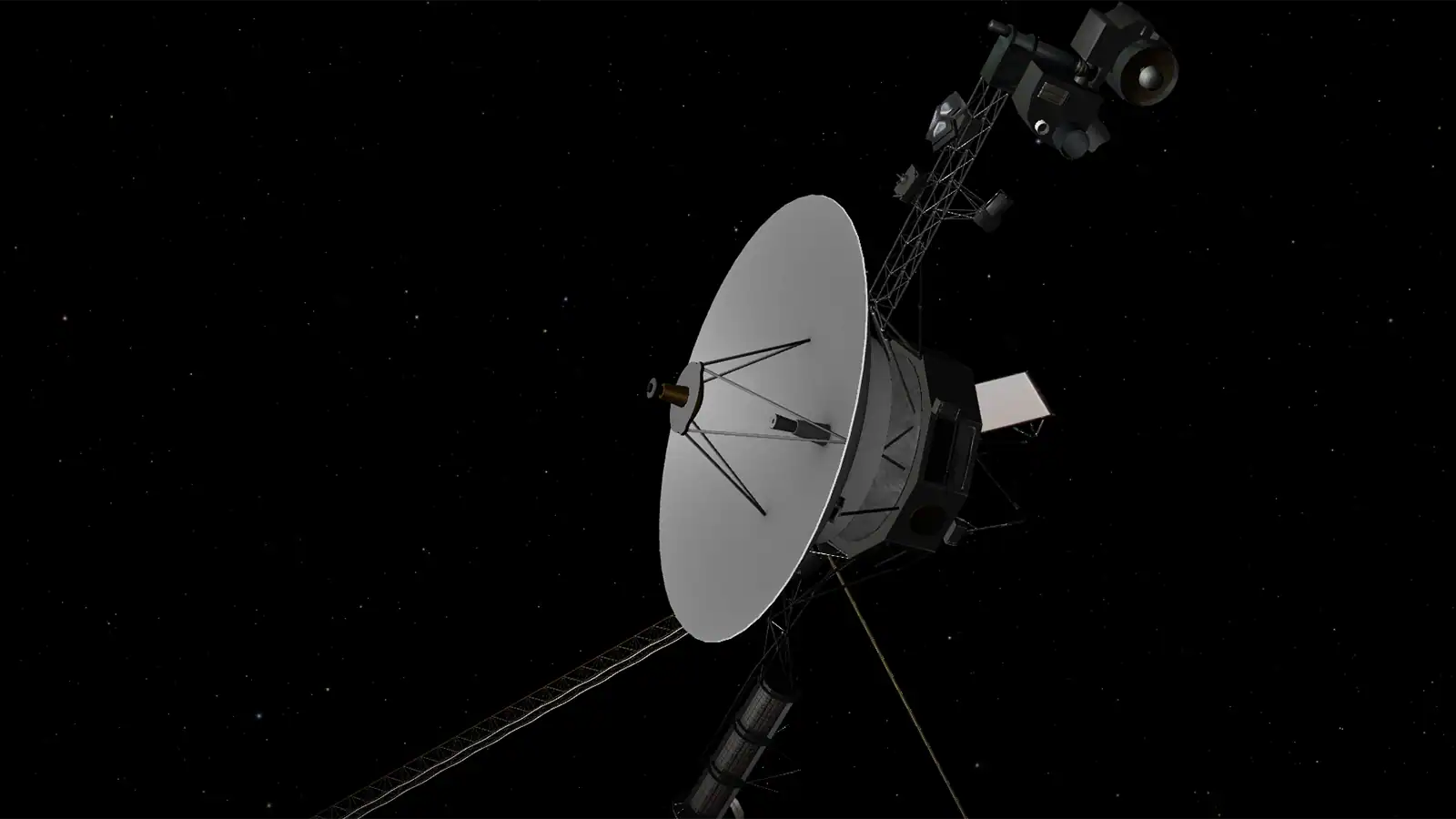
In November 2023, Earth's most distant spacecraft started speaking gibberish. Five months, one dead memory chip, and 30 billion miles of round-trip troubleshooting later, engineers got it talking again - using code written before most of them were born.