


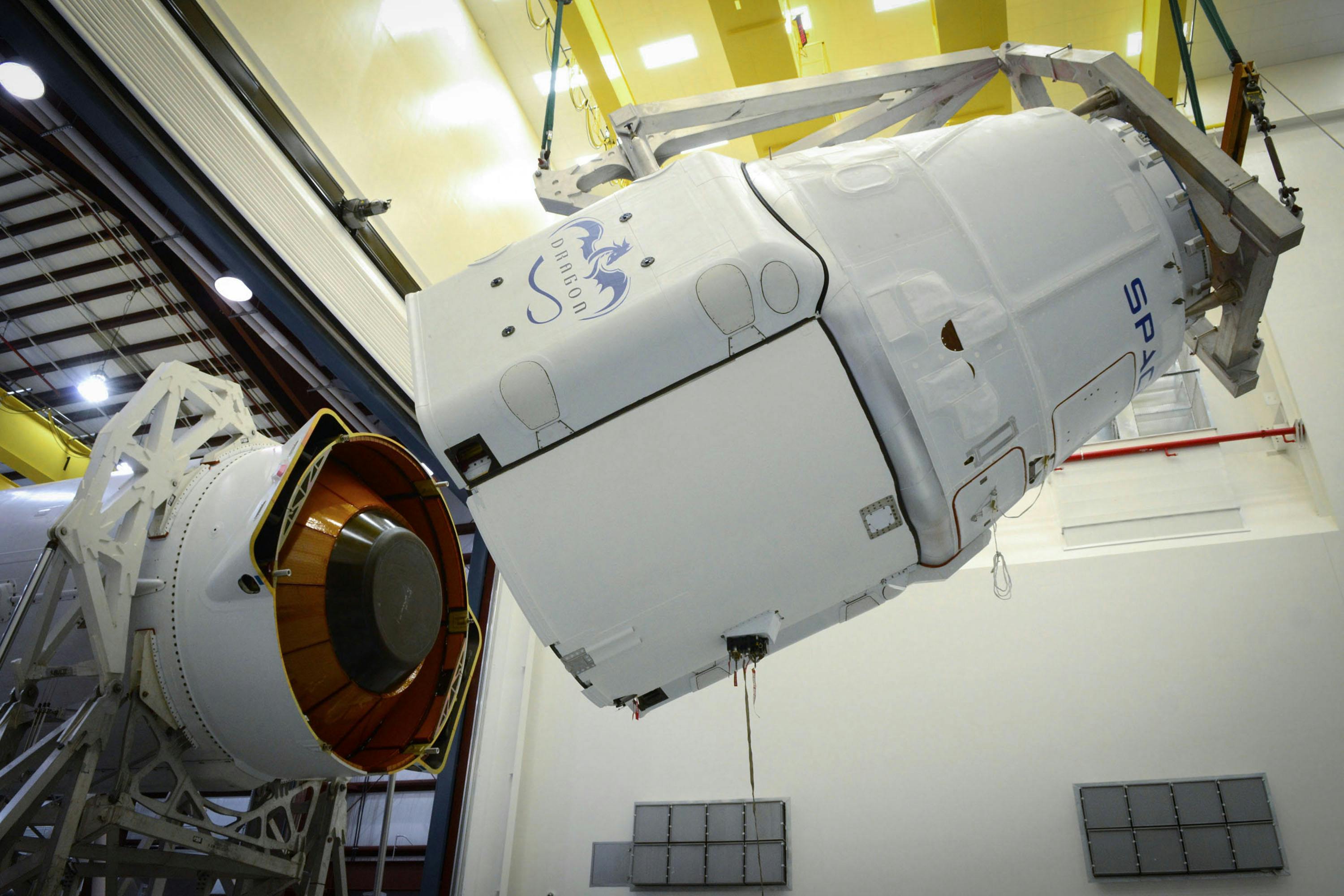
ESA Buys Dedicated Crew Dragon Mission for 4 Astronauts | KeepTrack X Report
ESA is purchasing a dedicated SpaceX Crew Dragon flight to send 4 European astronauts to the ISS ahead of the station's planned retirement.



Launch Date
April 3, 1965
Launch Site
AFWTR
Launch Pad
PALC2-4
Launch Vehicle
Atlas SLV-3 Agena D
NORAD ID
38374
International Designator
1965-027CB
Epoch
Fri, 03 Jul 2026 19:26:53 GMT
Apogee
Calculating...
Perigee
Calculating...
Inclination
90.25°
Right Ascension
14.40°
Eccentricity
Calculating...
Argument of Perigee
169.59°
Period
110.66 min
Mean Motion
13.01 rev/day
Latitude
Calculating...
Longitude
Calculating...
Altitude
Calculating...
Velocity
Calculating...
Name
OPS 4682 DEB
Alternative Name
deb SNAPSHOT
Type
Status
Owner
AFSD
Country
United States
Constellation
N/A
Related Satellites
Major Events
N/A
1 38374U 65027CB 26184.81033823 .00000615 00000-0 19778-2 0 9990
2 38374 90.2475 14.4039 0024244 169.5921 190.5708 13.01336332614796
Source: Celestrak
Length
0
Diameter
0
Span
0
Dry Mass
0
Launch Mass
0
Shape
N/A
Radar Cross Section
0.0096
Visual Magnitude
Unknown
Color
Unknown
Material Composition
Unknown
Payload
Unknown
Purpose
Unknown
Mission
Unknown
Manufacturer
Unknown
Life Expectancy
Unknown
Bus
Unknown
Configuration
Unknown
Motor
Unknown
Equipment
Unknown
Power System
Unknown
ADCS
Unknown
Transmitter Frequency
Unknown
Learn more about satellites and other related topics.
ESA is purchasing a dedicated SpaceX Crew Dragon flight to send 4 European astronauts to the ISS ahead of the station's planned retirement.
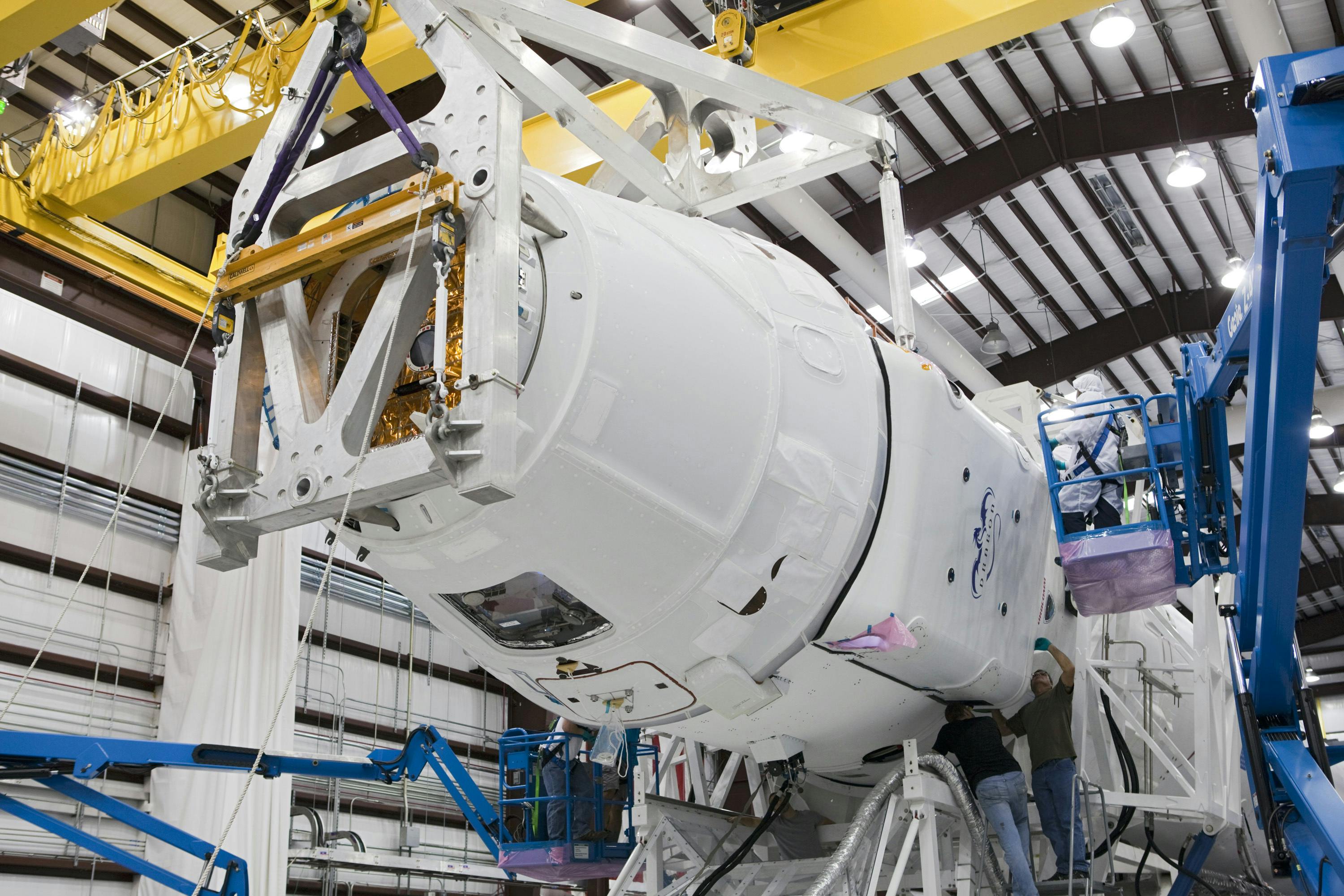
SpaceX completed two launches June 28, orbiting the 15,000-lb SXM-11 satellite and 24 Starlink V2 craft from Vandenberg.

Today's highlights include a record number of launches from Florida's Space Coast, Germany's new military space strategy, SpaceX's Starlink deployment, and more.
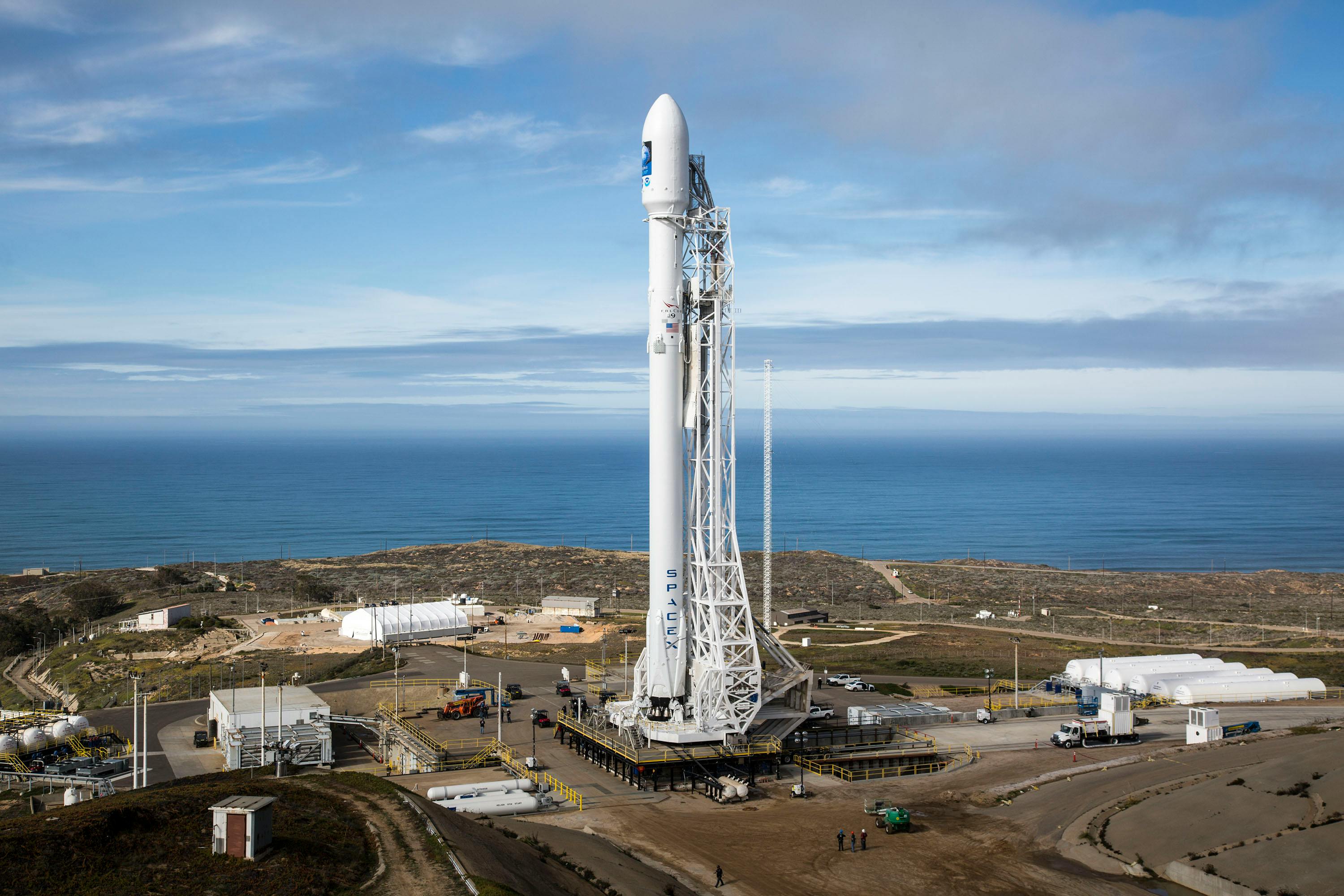
Anticipated NISAR launch now scheduled for March 2025; Rivada persists in broadband constellation quest despite setbacks; SpaceX scrubbed RRT-1 launch holds mystery.

SpaceX hits 77 Falcon 9 launches in 2026 as EchoStar subsidiaries file Chapter 11 and Musk disputes WSJ AI phone claims.

Space Force projects 25 additional high-energy missions in 2027–2029 window, straining capacity at Vulcan and Falcon Heavy. Capacity constraints will drive military-NASA prioritization debates.
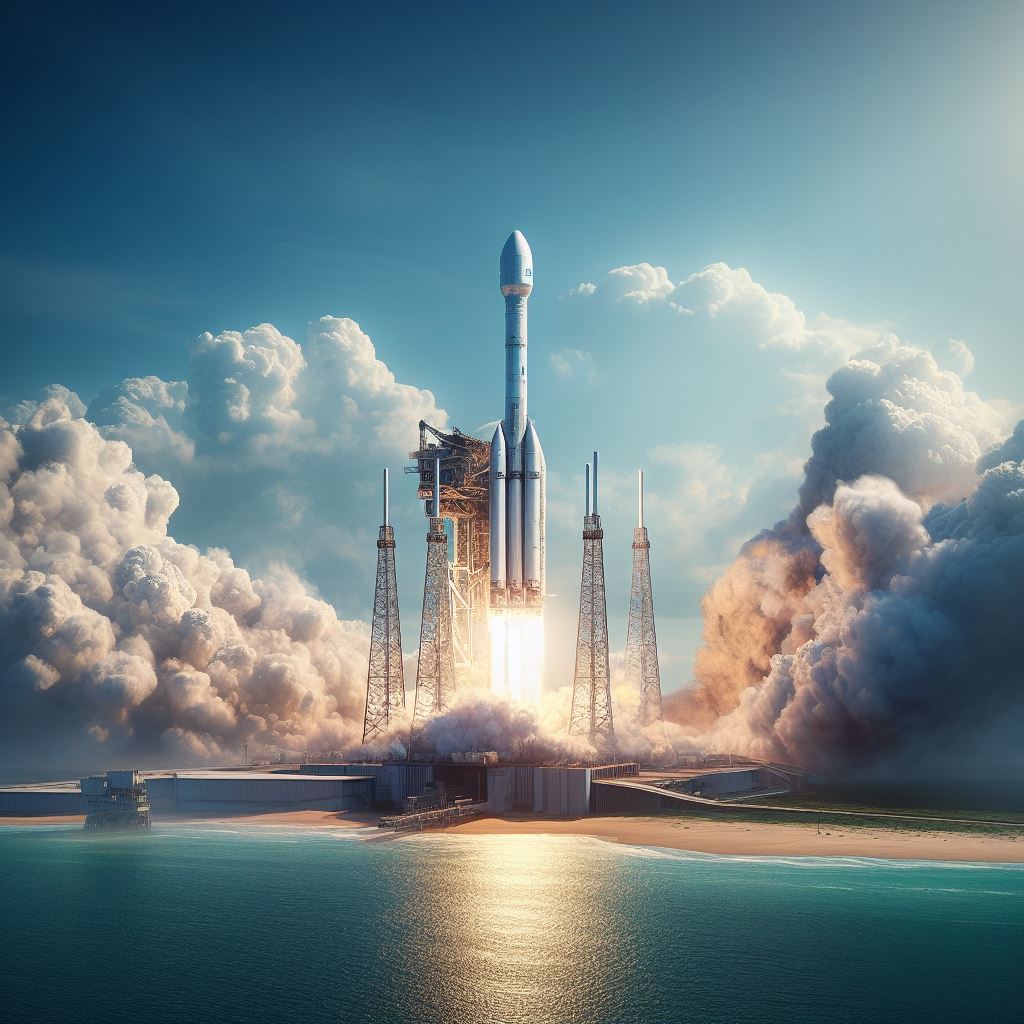
Super heavy-lift rockets are the most powerful launch vehicles ever built. They can send humans and cargo to the Moon, Mars, and beyond. But what are they, and why are they so important?
Space Force sees strategic value in asteroid mining. Congress pushes back on R-GPS phase-out over jamming risks. BlackSky expands Gen 3 defense contracts.