


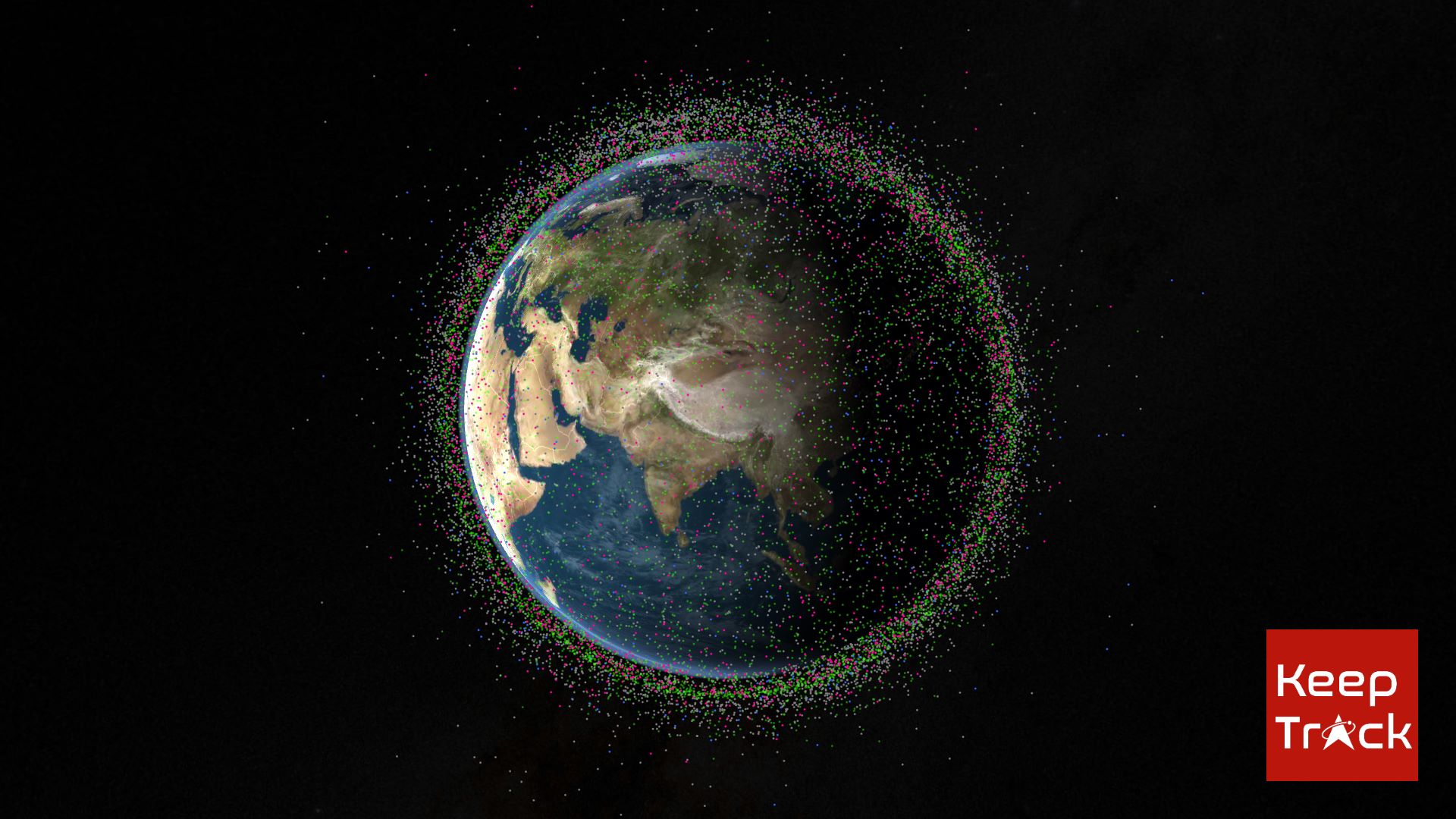
Low Earth Orbit (LEO)
The bustling downtown of space: where most satellites operate, communication networks bloom, and the challenges of atmospheric drag and radiation shape our approach to space operations



Launch Date
April 3, 1965
Launch Site
AFWTR
Launch Pad
PALC2-4
Launch Vehicle
Atlas SLV-3 Agena D
NORAD ID
38372
International Designator
1965-027BZ
Epoch
Wed, 01 Jul 2026 07:16:20 GMT
Apogee
Calculating...
Perigee
Calculating...
Inclination
90.31°
Right Ascension
40.37°
Eccentricity
Calculating...
Argument of Perigee
2.80°
Period
110.95 min
Mean Motion
12.98 rev/day
Latitude
Calculating...
Longitude
Calculating...
Altitude
Calculating...
Velocity
Calculating...
Name
OPS 4682 DEB
Alternative Name
deb SNAPSHOT
Type
Status
Owner
AFSD
Country
United States
Constellation
N/A
Related Satellites
Major Events
N/A
1 38372U 65027BZ 26182.30301549 .00000295 00000-0 98377-3 0 9990
2 38372 90.3088 40.3663 0031375 2.8004 357.3287 12.97936946665309
Source: Celestrak
Length
0
Diameter
0
Span
0
Dry Mass
0
Launch Mass
0
Shape
N/A
Radar Cross Section
0.0087
Visual Magnitude
Unknown
Color
Unknown
Material Composition
Unknown
Payload
Unknown
Purpose
Unknown
Mission
Unknown
Manufacturer
Unknown
Life Expectancy
Unknown
Bus
Unknown
Configuration
Unknown
Motor
Unknown
Equipment
Unknown
Power System
Unknown
ADCS
Unknown
Transmitter Frequency
Unknown
Learn more about satellites and other related topics.
The bustling downtown of space: where most satellites operate, communication networks bloom, and the challenges of atmospheric drag and radiation shape our approach to space operations
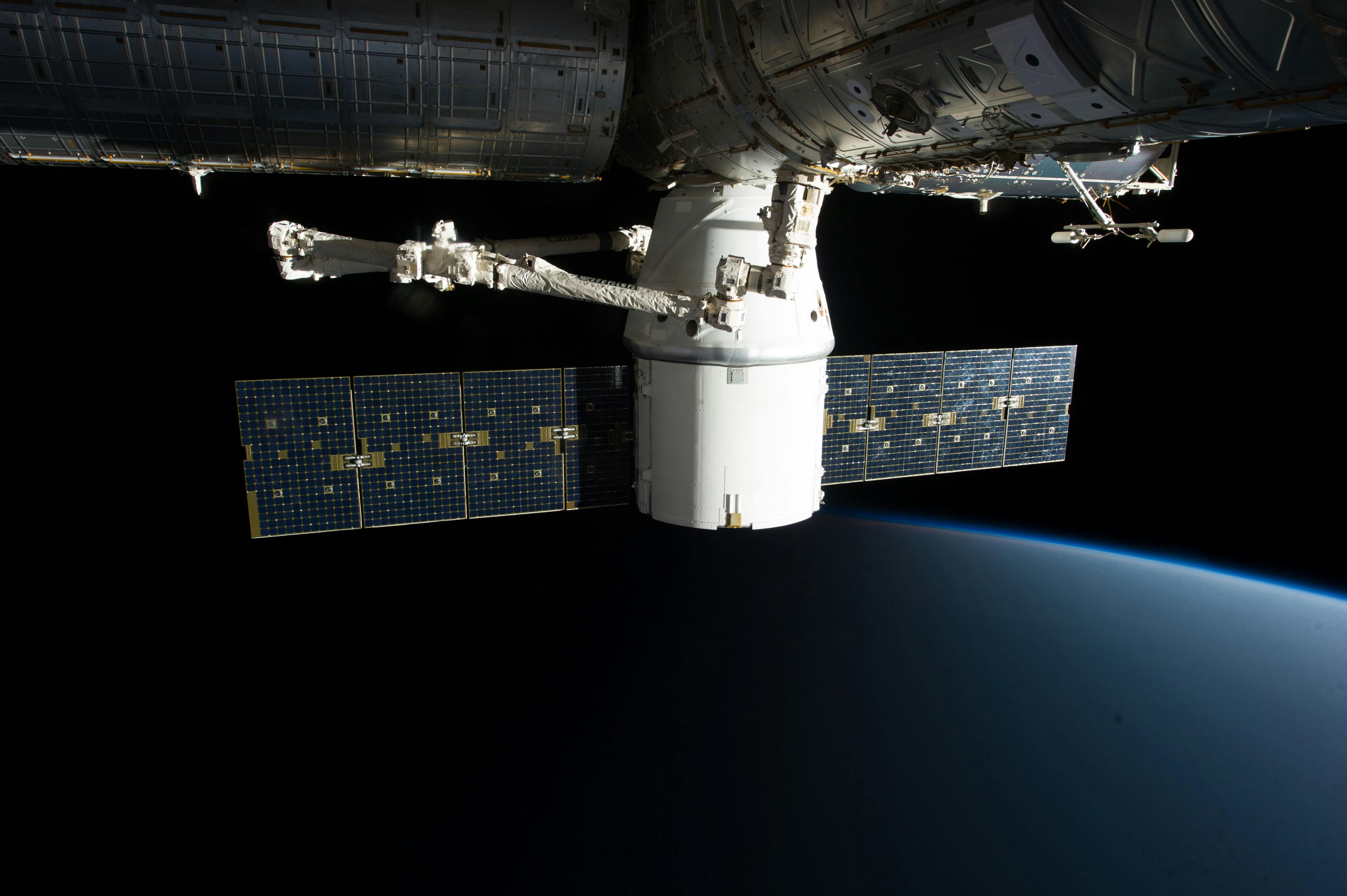
SpaceX successfully launched 26 Starlink satellites from California, preparing for upcoming crewed missions to the ISS.

SpaceX launched Starlink batches from Vandenberg and Cape Canaveral within 48 hours, pushing the active constellation toward 10,000 operational satellites.

SpaceX disables Starlink terminals used by Russian troops after Ukrainian coordination. Crew-12 delayed to Feb 13 by weather. 24 Starlink satellites launched from Vandenberg.
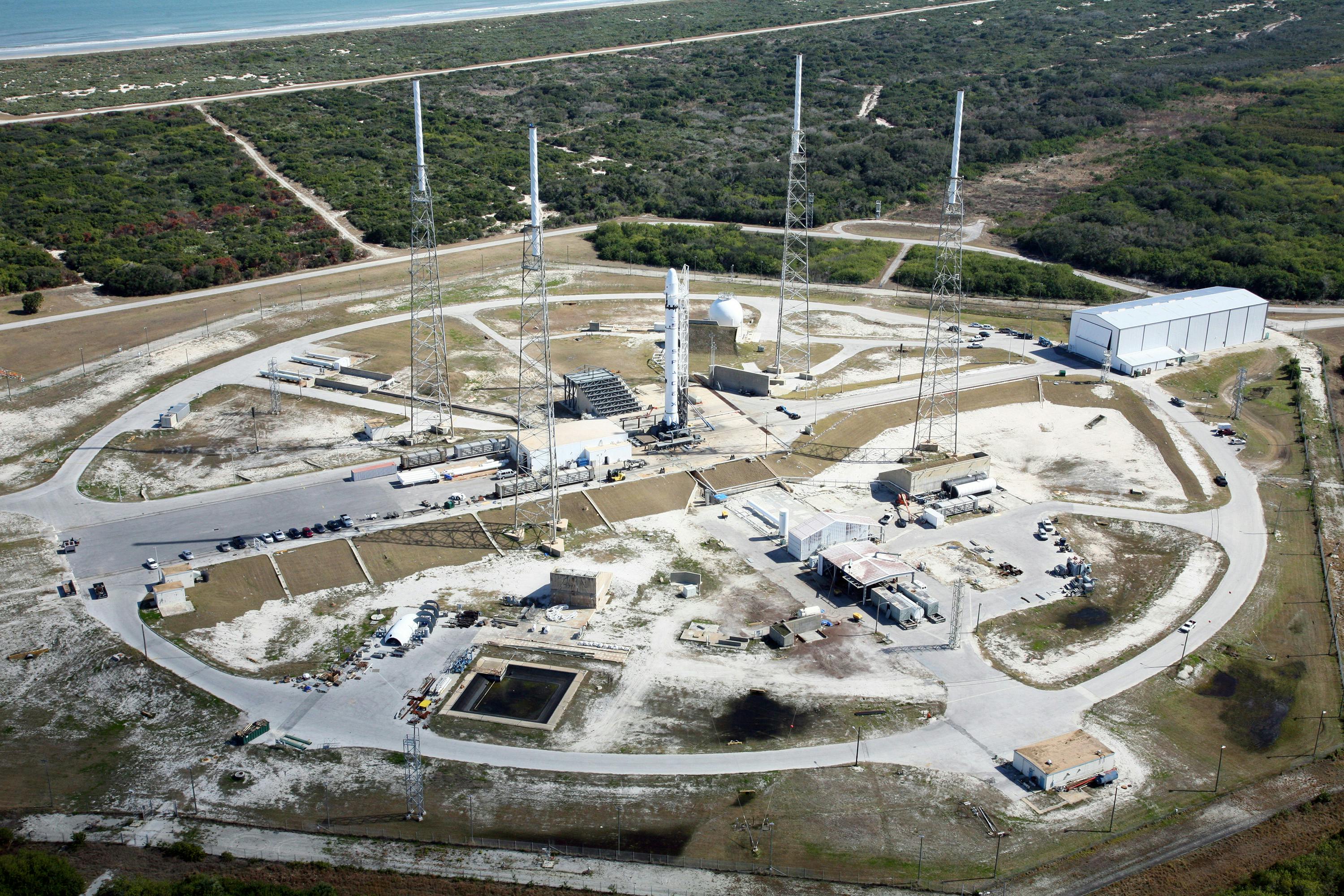
SpaceX makes strides with Starship testing while Starlink faces mounting competition as Viasat eyes Telesat's LEO capacity.
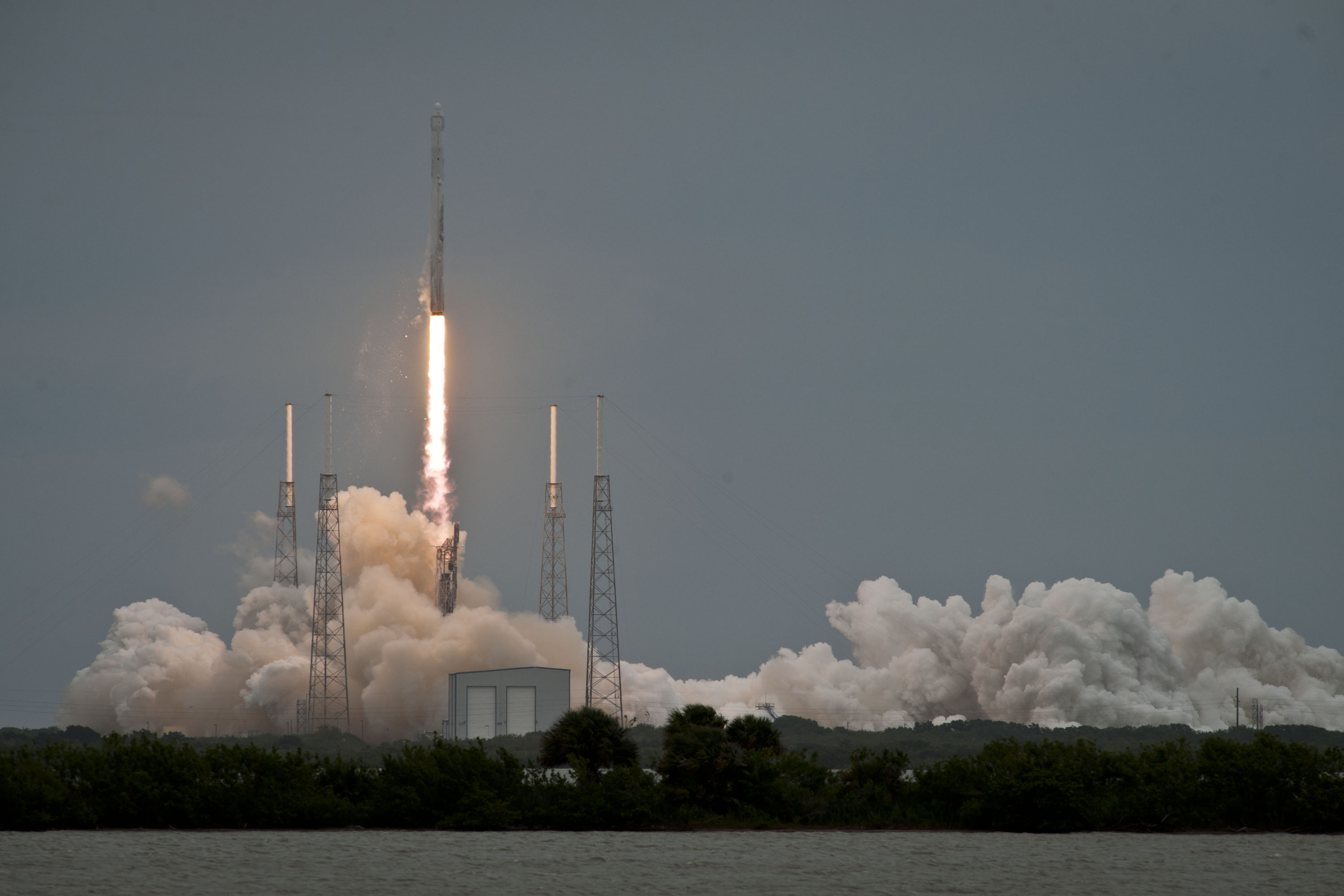
On April 18, 2014, a Falcon 9 first stage did something no orbital rocket had ever done before. It fired its engines on the way down, steered itself through the atmosphere using grid fins that did not yet exist, and touched the Atlantic Ocean softly enough to survive the impact. Nobody recovered it. The data was the whole point.

Today's briefing covers significant events including launch delays for SpaceX's Starship and Blue Origin's New Glenn, BepiColombo's landmark Mercury flyby, and the impact of Los Angeles fires on the space community.
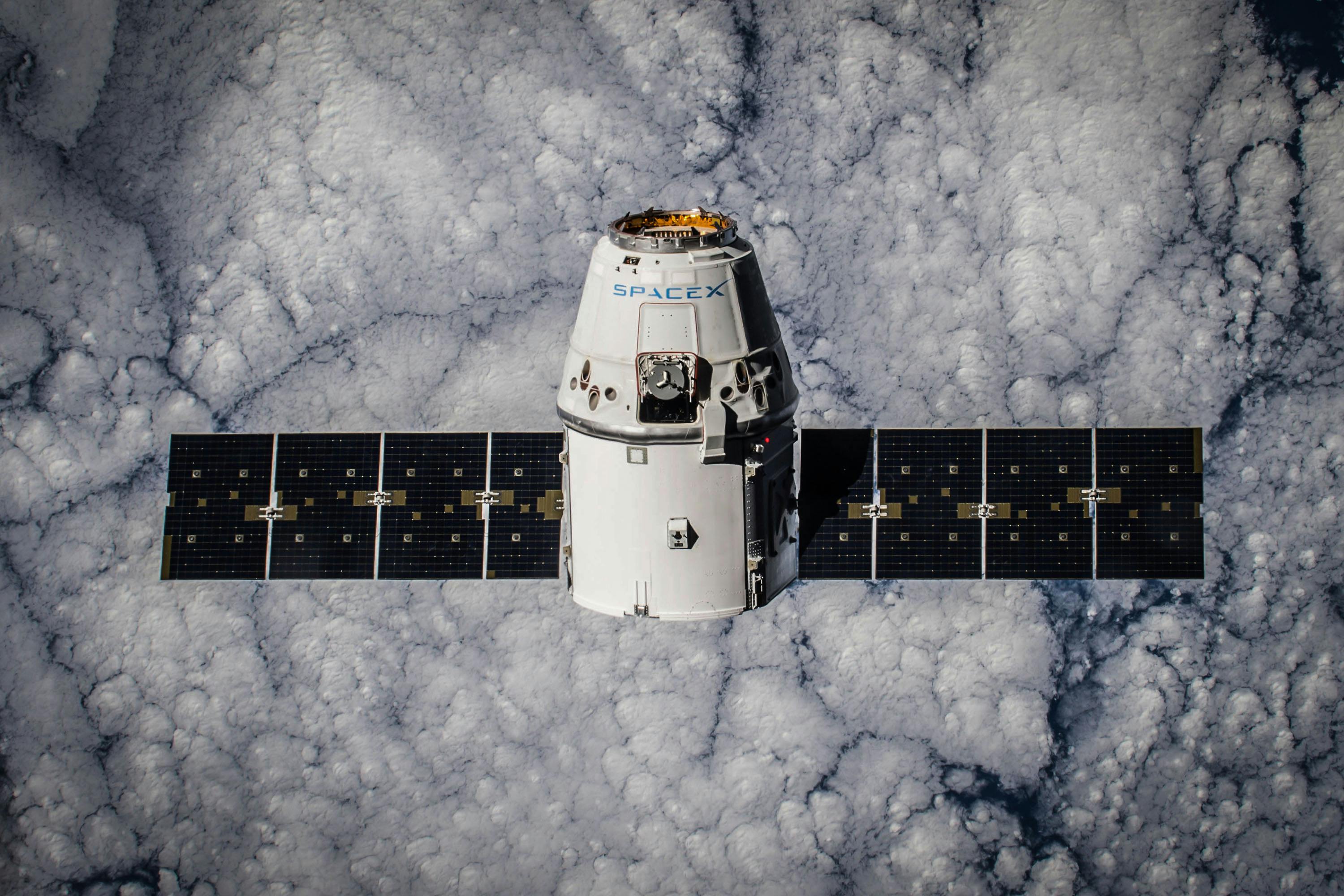
Severe weather conditions disrupt the launch of Amazon’s Project Kuiper satellites, highlighting ongoing challenges in satellite deployment amidst increasing competition in the space industry.