BEIDOU-2 M4 (38251)

COSPAR: 2012-018B | Alt Name: Beidou DW 13

Image
BEIDOU-2 M4 Satellite Image
Additional Sources
Launch Details

Launch Date

April 29, 2012

Launch Site

XICLF

Launch Pad

LC2

Launch Vehicle

Chang Zheng 3B

Orbital Elements

NORAD ID

38251

International Designator

2012-018B

Epoch

Wed, 01 Jul 2026 01:57:58 GMT

Apogee

Calculating...

Perigee

Calculating...

Inclination

55.64°

Right Ascension

303.62°

Eccentricity

Calculating...

Argument of Perigee

274.13°

Period

773.24 min

Mean Motion

1.86 rev/day

Latitude

Calculating...

Longitude

Calculating...

Altitude

Calculating...

Velocity

Calculating...

Polar Plot
3D Visualization
Basic Satellite Info

Name

BEIDOU-2 M4

Alternative Name

Beidou DW 13

Type

Payload

Status

Operational

Owner

CNSA

Country

China

Constellation

N/A

Related Satellites

Major Events

N/A

Latest TLEs
1 38251U 12018B   26182.08192837 -.00000069  00000-0  00000-0 0  9994
2 38251  55.6447 303.6195 0011580 274.1308  85.7452  1.86229794 96205

Source: Celestrak

Summary
The BEIDOU-2 M4 satellite, also known as Beidou DW 13, is operated by CNSA and was manufactured by CAST. It uses a DFH-3 Bus configuration and has dimensions of 3 meters in length, 1.7 meters in diameter, and spans 18 meters when its solar arrays are deployed. The satellite was launched on April 29, 2012, from the Xichang Satellite Launch Center (XICLF) at Launch Pad LC2 using a Chang Zheng 3B launch vehicle. It has a dry mass of 1300 kilograms and a launch mass of 2300 kilograms. Equipped with two deployable solar arrays and batteries for power, its purpose is navigation. The satellite's shape consists of a box with two panels, and it has an RCS value of 7.9433. The mission was designed to last for 8 years.
Physical Characteristics

Length

3

Diameter

1.7

Span

18

Dry Mass

1300

Launch Mass

2300

Shape

Box + 2 Pan

Radar Cross Section

7.9433

Visual Magnitude

Unknown

Color

Unknown

Material Composition

Unknown

Technical Details

Payload

Beidou-2 M4

Purpose

Navigation

Mission

Navigation

Manufacturer

CAST

Life Expectancy

8 years

Bus

DFH-3

Configuration

DFH-3 Bus

Motor

FY-25

Equipment

?

Power System

2 deployable solar arrays, batteries

ADCS

Unknown

Transmitter Frequency

Unknown

Map
This tool will help you track the satellite's position and predict its upcoming passes over your location. Simply input the coordinates or click the geolocation button to get started.
Next Pass
Azimuth Elevation Time (Local)
Start Azimuth
Max Elevation
Stop Azimuth
Time Until
Pass Duration

Satellite Articles

View All Posts »

Learn more about satellites and other related topics.

The Telescope That Needed Glasses

The Telescope That Needed Glasses

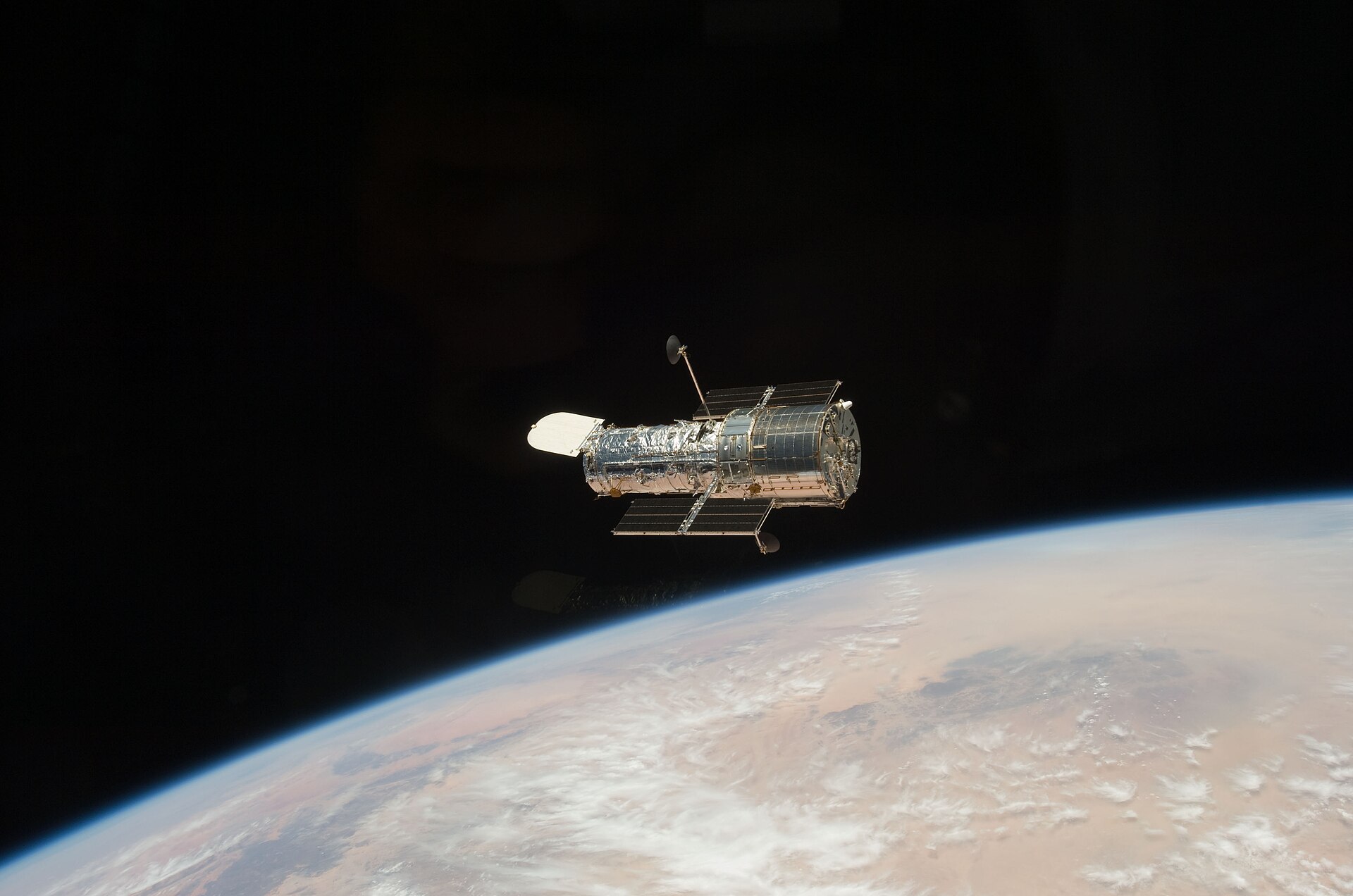
On April 25, 1990, the Space Shuttle Discovery's robotic arm lifted a 11,110-kilogram barrel of mirrors and instruments out of the payload bay and released it into orbit. Six weeks later, the first images came back badly out of focus. The Hubble Space Telescope had been ground to the wrong prescription, and America had just spent $2.5 billion on what the press was calling a 'technoturkey.'

X Report 1 Dec 2024

X Report 1 Dec 2024

SpaceX continues its collaboration with the NRO, while gearing up for lunar missions and a contract for NASA's Dragonfly mission to Titan.

X Report 1 Jul 2025

X Report 1 Jul 2025

SpaceX gears up for an exciting July with a doubleheader launch planned for the east coast and ongoing advancements in Starlink technology.

X Report 19 Nov 2025

X Report 19 Nov 2025

SpaceX successfully launched another batch of Starlink satellites in a night mission, marking a significant return to evening launches post-regulations.

Space Brief 11 Sep 2025

Space Brief 11 Sep 2025

Key updates today focus on SpaceX's latest satellite launch for the U.S. military, critical space resource assessments by the U.S. Space Force, and new developments in space infrastructure and equipment for defense operations.

Santa Maria Spaceport (Azores)

Santa Maria Spaceport (Azores)

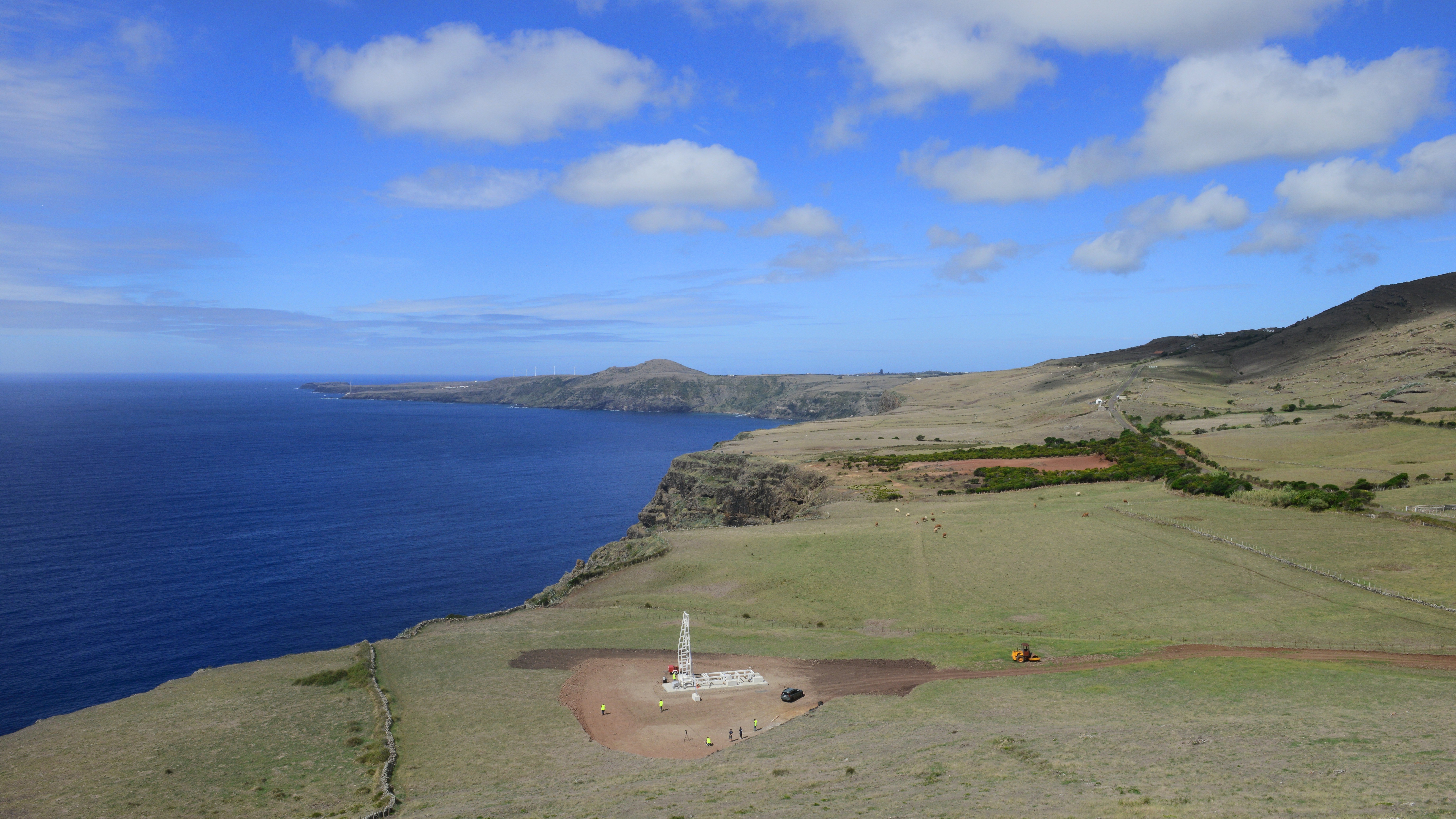
Europe's Atlantic outpost enters the launch business. How Portugal's first licensed spaceport in the Azores is preparing for suborbital flights in 2026 and positioning to receive ESA's Space Rider in 2028.

Space Brief 5 Oct 2025

Space Brief 5 Oct 2025

Today's brief covers significant advancements in national security space launches, ongoing rocket developments, and critical updates from the space industry.

U.S. GSSAP Executes GEO Handoff to Track China's Shijian-29 | KeepTrack Space Brief

U.S. GSSAP Executes GEO Handoff to Track China's Shijian-29 | KeepTrack Space Brief

U.S. GSSAP satellites execute coordinated GEO maneuvers for continuous surveillance of Chinese Shijian-29 spacecraft. Handoff approach maintains coverage with zero gaps.