


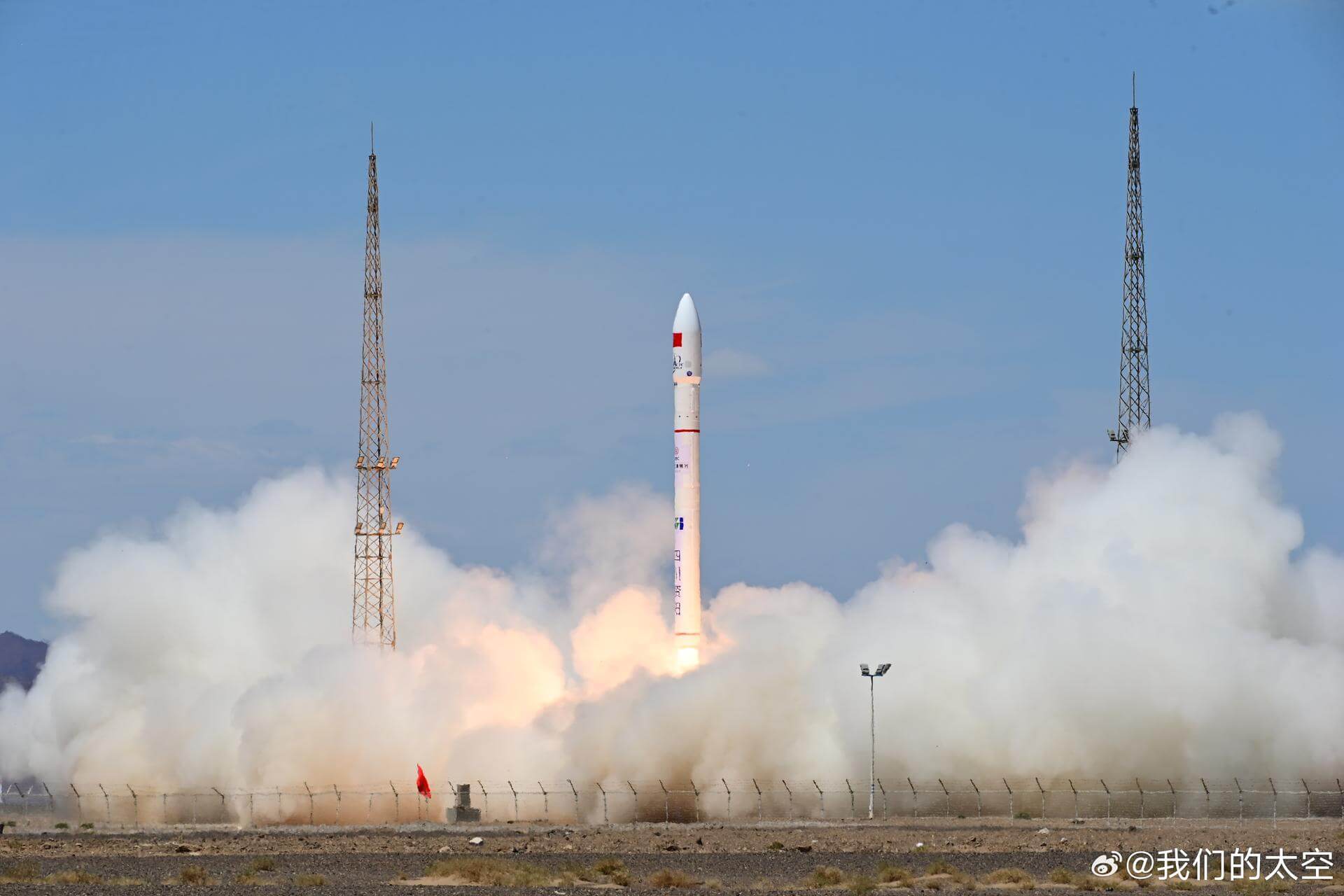
Space Brief 5 Mar 2025
Today's brief covers developments in US military space initiatives, advancements in missile technology, and notable military contractor activities.


Launch Date
June 16, 1993
Launch Site
PLMSC
Launch Pad
LC132/1
Launch Vehicle
Kosmos 11K65M
NORAD ID
38199
International Designator
1993-036BSP
Epoch
Sat, 04 Jul 2026 00:04:52 GMT
Apogee
Calculating...
Perigee
Calculating...
Inclination
73.96°
Right Ascension
88.14°
Eccentricity
Calculating...
Argument of Perigee
334.72°
Period
105.49 min
Mean Motion
13.65 rev/day
Latitude
Calculating...
Longitude
Calculating...
Altitude
Calculating...
Velocity
Calculating...
Name
COSMOS 2251 DEB
Alternative Name
deb Kosmos-2251
Type
Status
Owner
KVR
Country
Russia
Constellation
N/A
Related Satellites
Major Events
N/A
1 38199U 93036BSP 26185.00338762 .00000642 00000-0 51945-3 0 9991
2 38199 73.9560 88.1447 0366617 334.7222 23.6333 13.65115465637953
Source: Celestrak
Length
0
Diameter
0
Span
0
Dry Mass
0
Launch Mass
0
Shape
N/A
Radar Cross Section
0.0159
Visual Magnitude
Unknown
Color
Unknown
Material Composition
Unknown
Payload
Unknown
Purpose
Unknown
Mission
Unknown
Manufacturer
Unknown
Life Expectancy
Unknown
Bus
Unknown
Configuration
Unknown
Motor
Unknown
Equipment
Unknown
Power System
Unknown
ADCS
Unknown
Transmitter Frequency
Unknown
Learn more about satellites and other related topics.
Today's brief covers developments in US military space initiatives, advancements in missile technology, and notable military contractor activities.
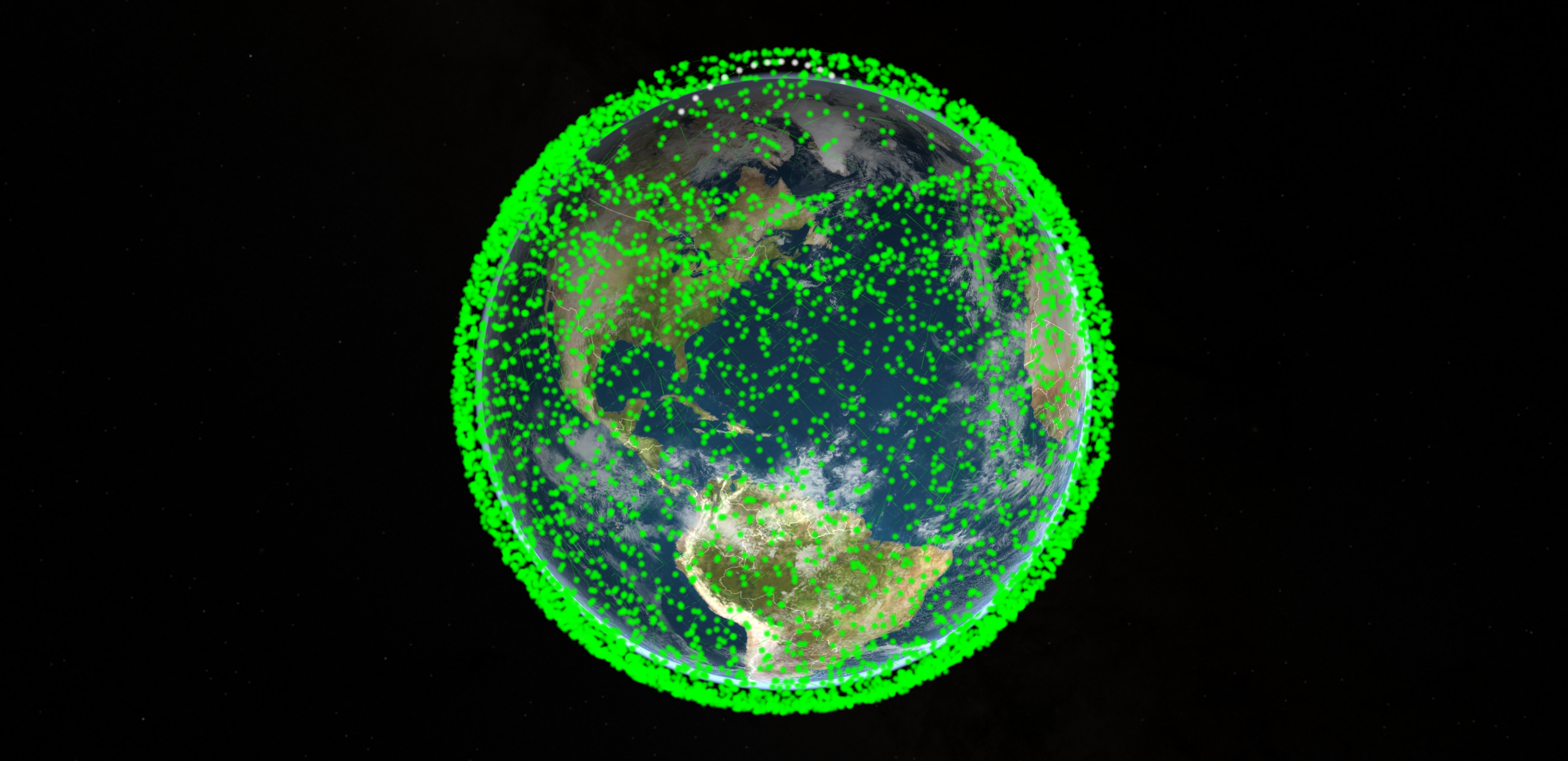
STARLINK-34343 broke apart at 560 kilometers. SpaceX's response - launch more satellites the next morning - tells you everything about the confidence gap between fleet statistics and individual failure modes.
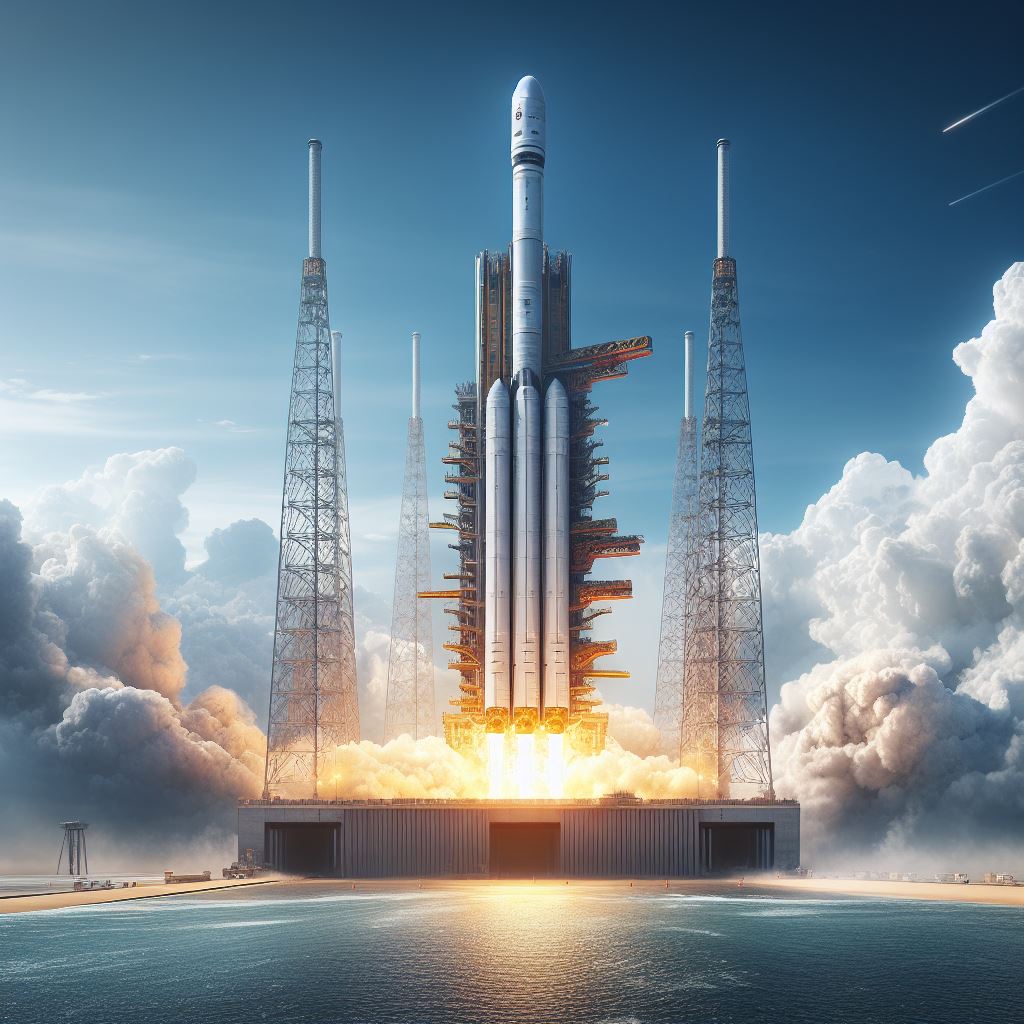
SpaceX delays the much-anticipated Falcon Heavy launch of the secretive X-37B military spaceplane, marking a significant moment in space exploration and military technology.
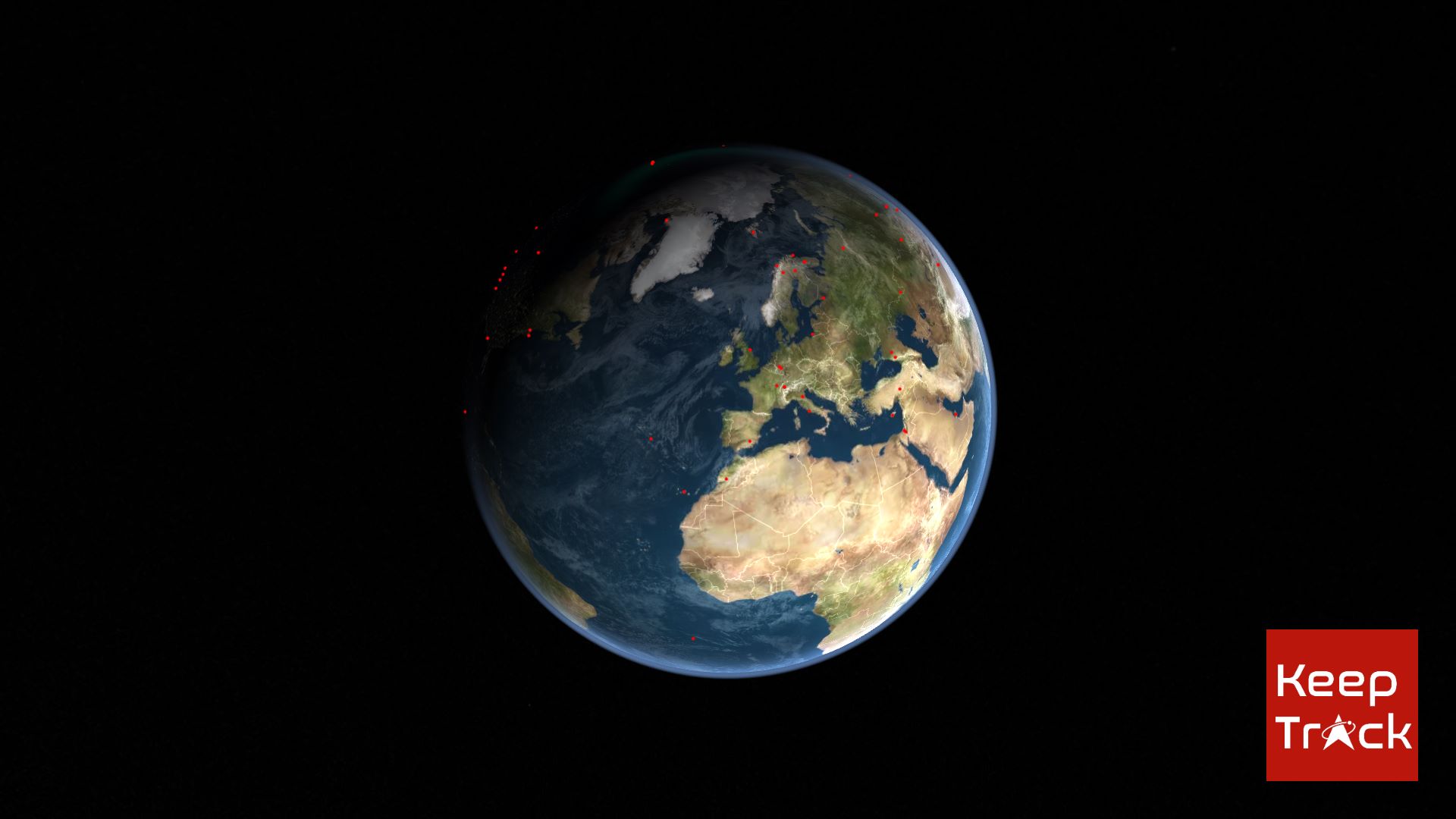
How our ability to track and predict objects in orbit has become the foundation of space safety in an increasingly crowded cosmic neighborhood
A Falcon 9 booster fails to land, increasing GPS and PNT significance for national security, and NASA's SLS mobile launch platform costs soar.
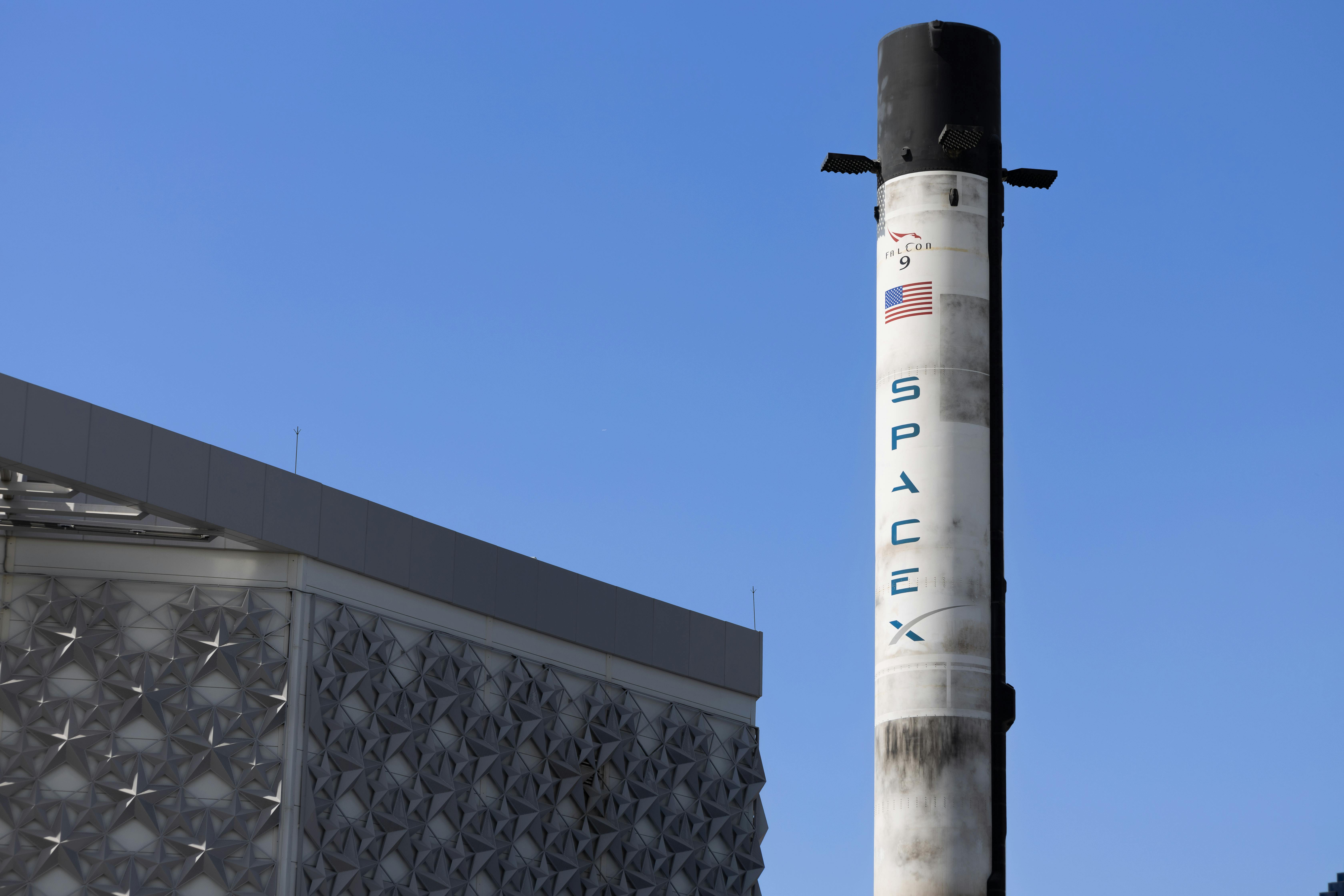
SpaceX faces regulatory review for Bahamian rocket landings, positions itself for a major government contract, and a new Star Wars Lego set adds to the fun!
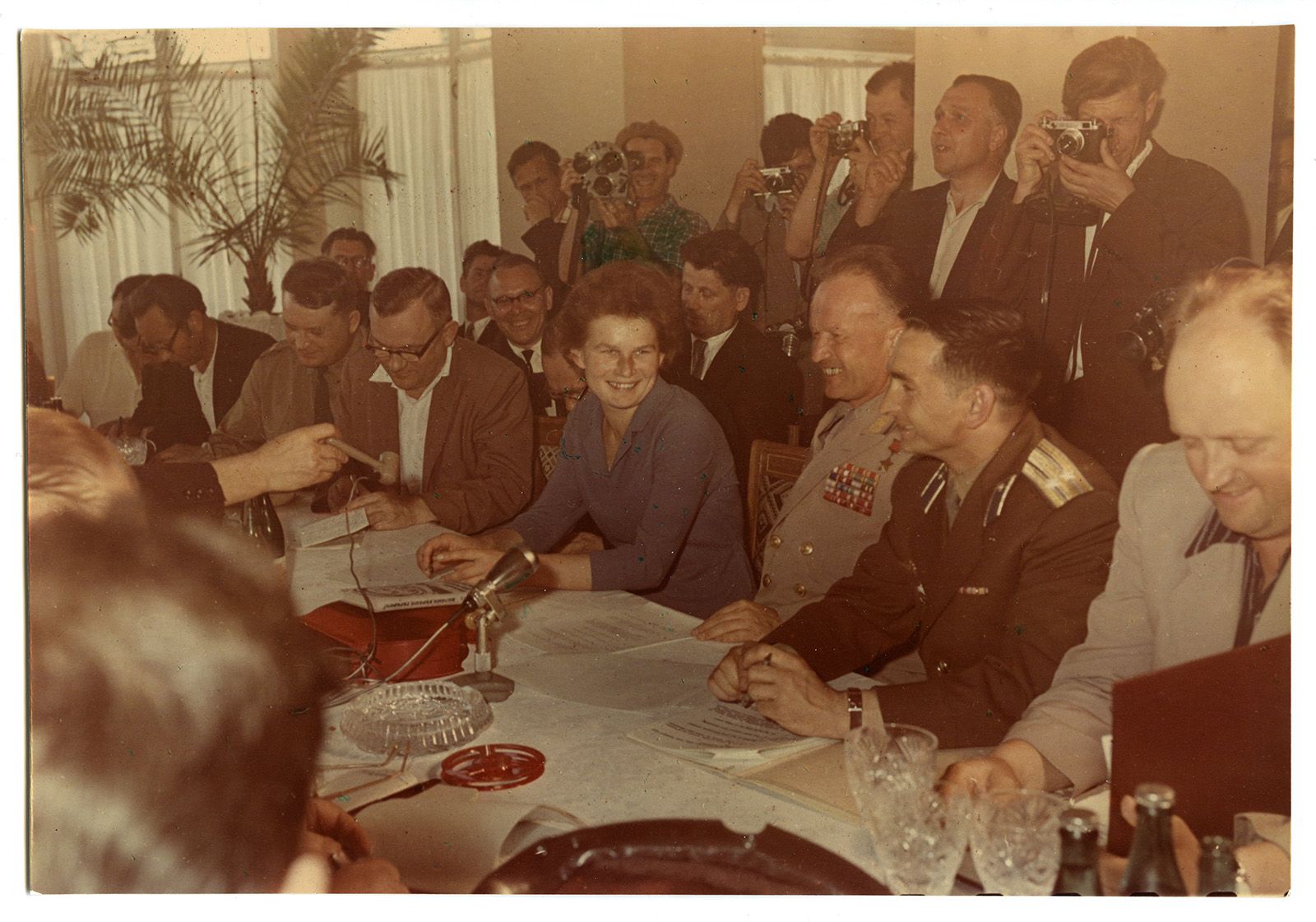
On 16 June 1963, a 26-year-old former textile worker named Valentina Tereshkova launched aboard Vostok 6 and spent nearly three days alone in orbit. She flew 48 times around the Earth, longer than every American astronaut combined, and spotted a dangerous flaw in her descent program that ground controllers had missed.
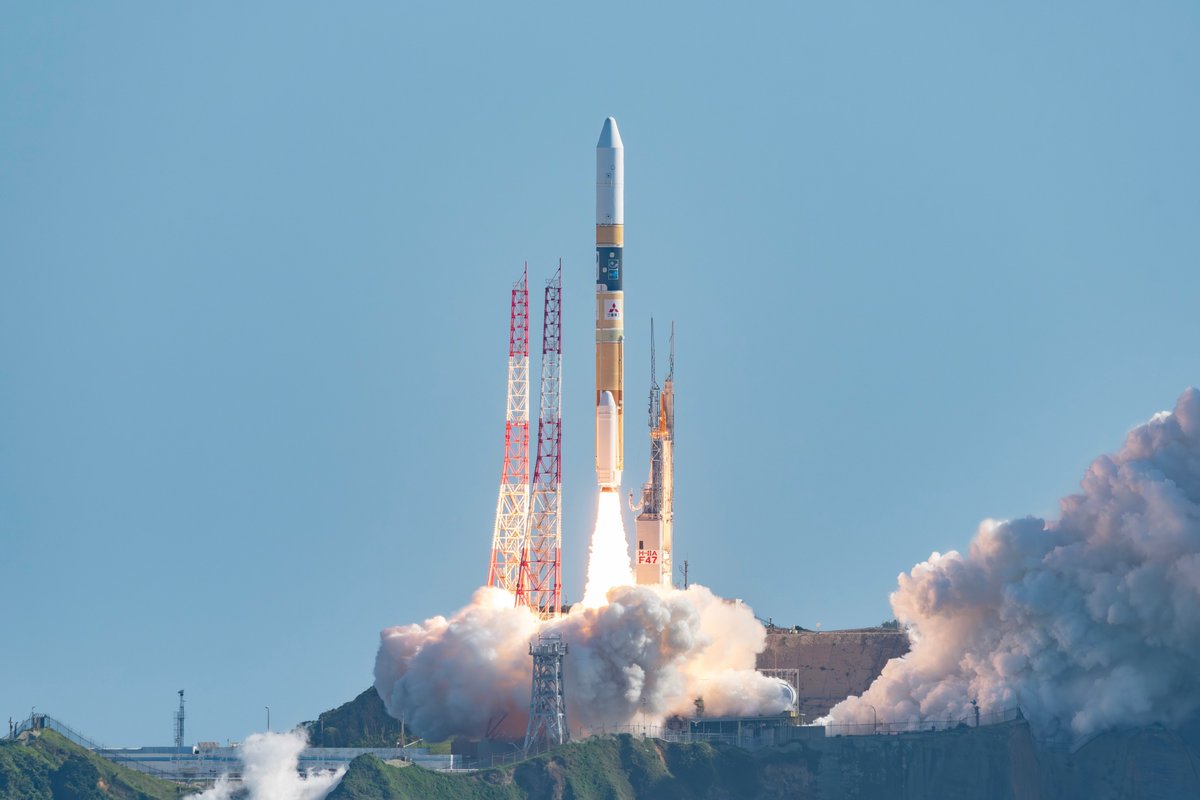
Today's updates cover crucial developments in satellite licensing reforms, defense cybersecurity, and AI integration within government sectors.