


Space Force Requests $1.6B for New LEO Relay Network | KeepTrack Space Brief
Space Force scraps SDA transport layer, requests $1.6 billion for proliferated LEO SATCOM constellation. Roger Mason nominated to lead NRO.


NORAD ID
38081
International Designator
2012-006E
Decay Date
1/9/2015
Name
MASAT 1 (MO-72)
Alternative Name
MagyarSat-OSCAR-72
Type
Status
Owner
BME
Country
Hungary
Constellation
N/A
Related Satellites
Major Events
N/A
Length
0.1
Diameter
0.1
Span
0.1
Dry Mass
1
Launch Mass
1
Shape
Box
Radar Cross Section
0.021
Visual Magnitude
Unknown
Color
Unknown
Material Composition
Unknown
Payload
MaSat-1
Purpose
Technology
Mission
Technology
Manufacturer
BME
Life Expectancy
21 days (design); 3 years (achieved)
Bus
Cubesat 1U
Configuration
CubeSat (1U)
Motor
None
Equipment
Unknown
Power System
Solar cells, batteries
ADCS
Unknown
Transmitter Frequency
Unknown
Learn more about satellites and other related topics.
Space Force scraps SDA transport layer, requests $1.6 billion for proliferated LEO SATCOM constellation. Roger Mason nominated to lead NRO.
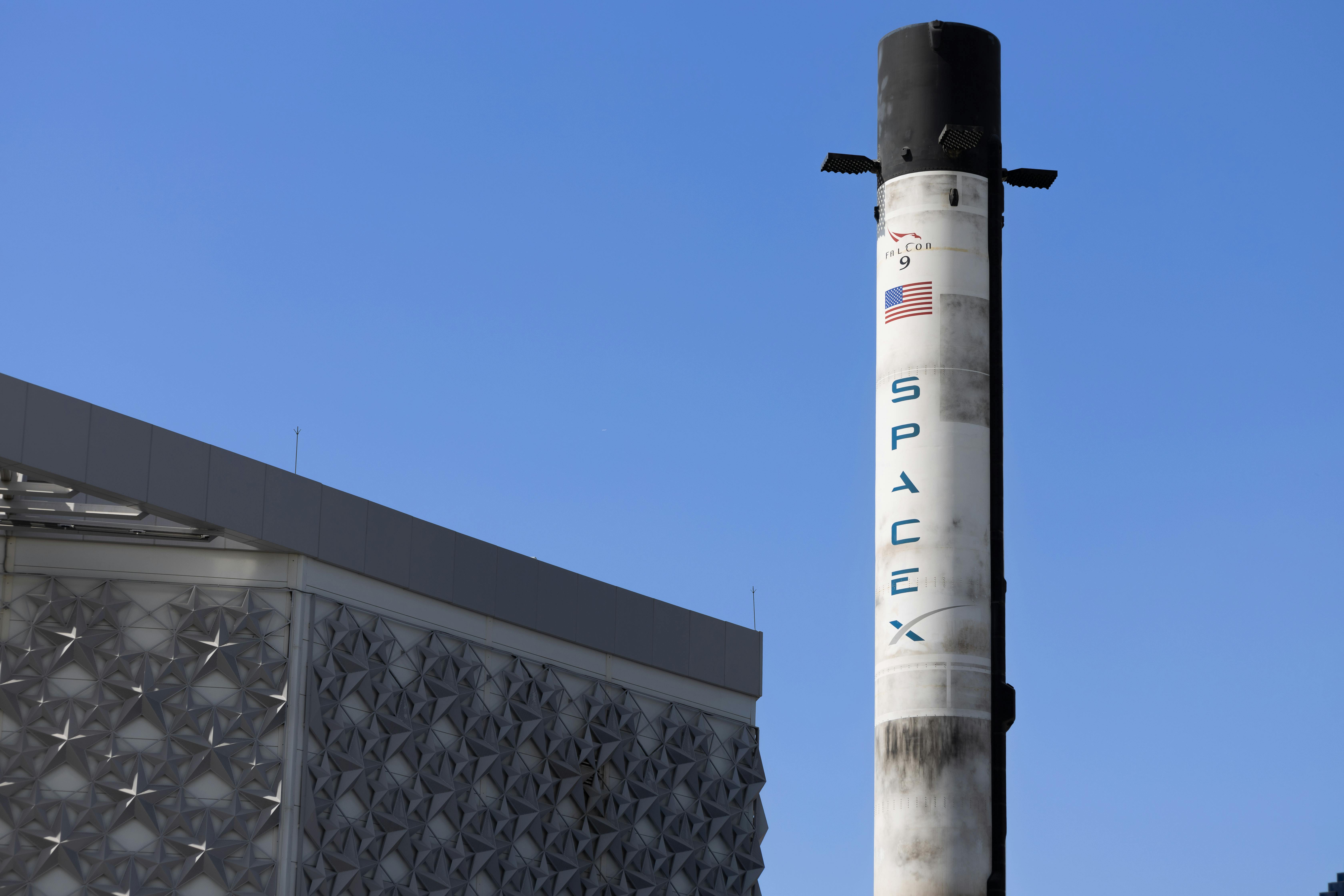
SpaceX achieves a new milestone with the Falcon 9 and Starlink reshapes satellite connectivity landscape.
Tesla's Cybertruck fleet integrates with SpaceX operations at Starbase, showcasing synergy between Musk's companies.
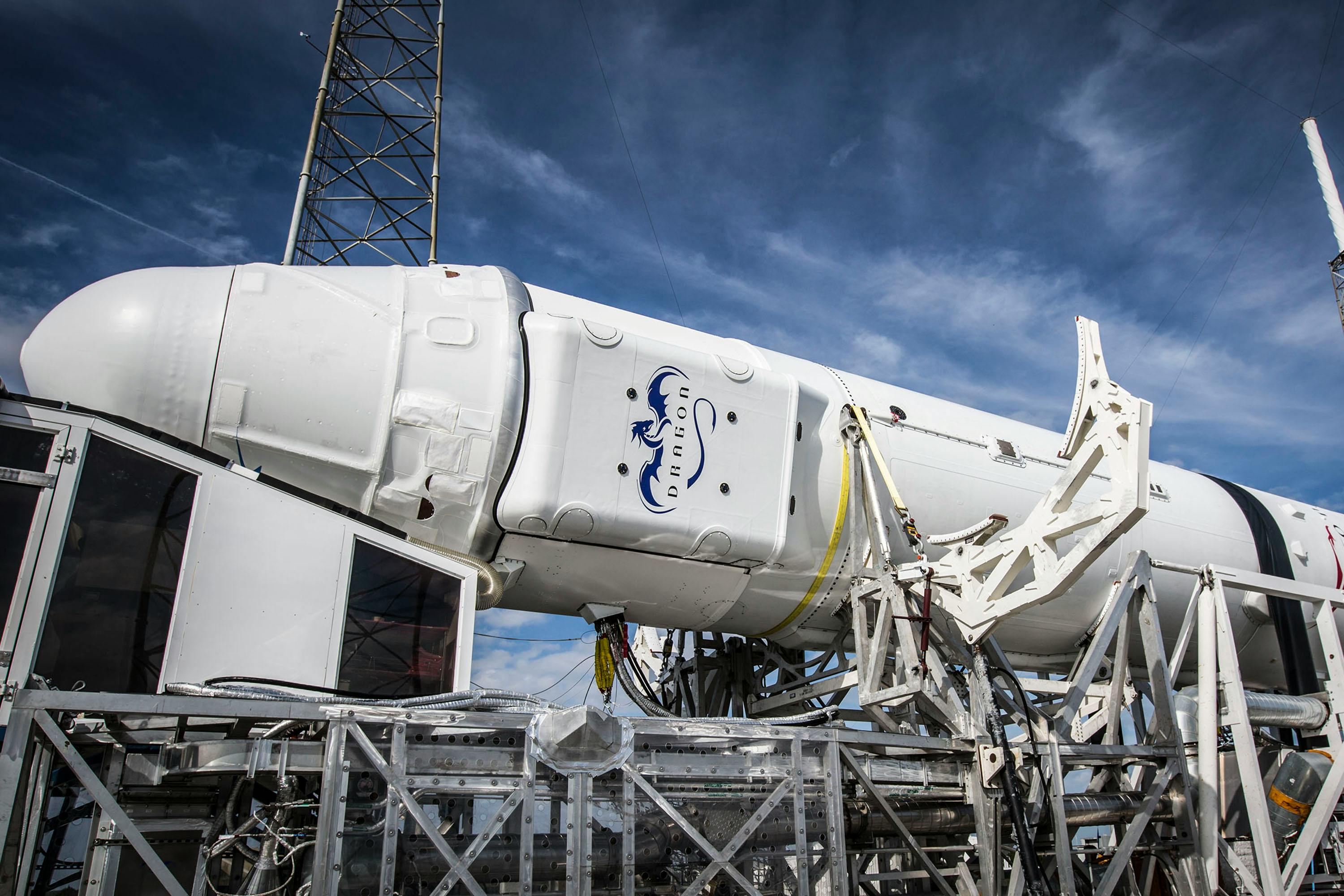
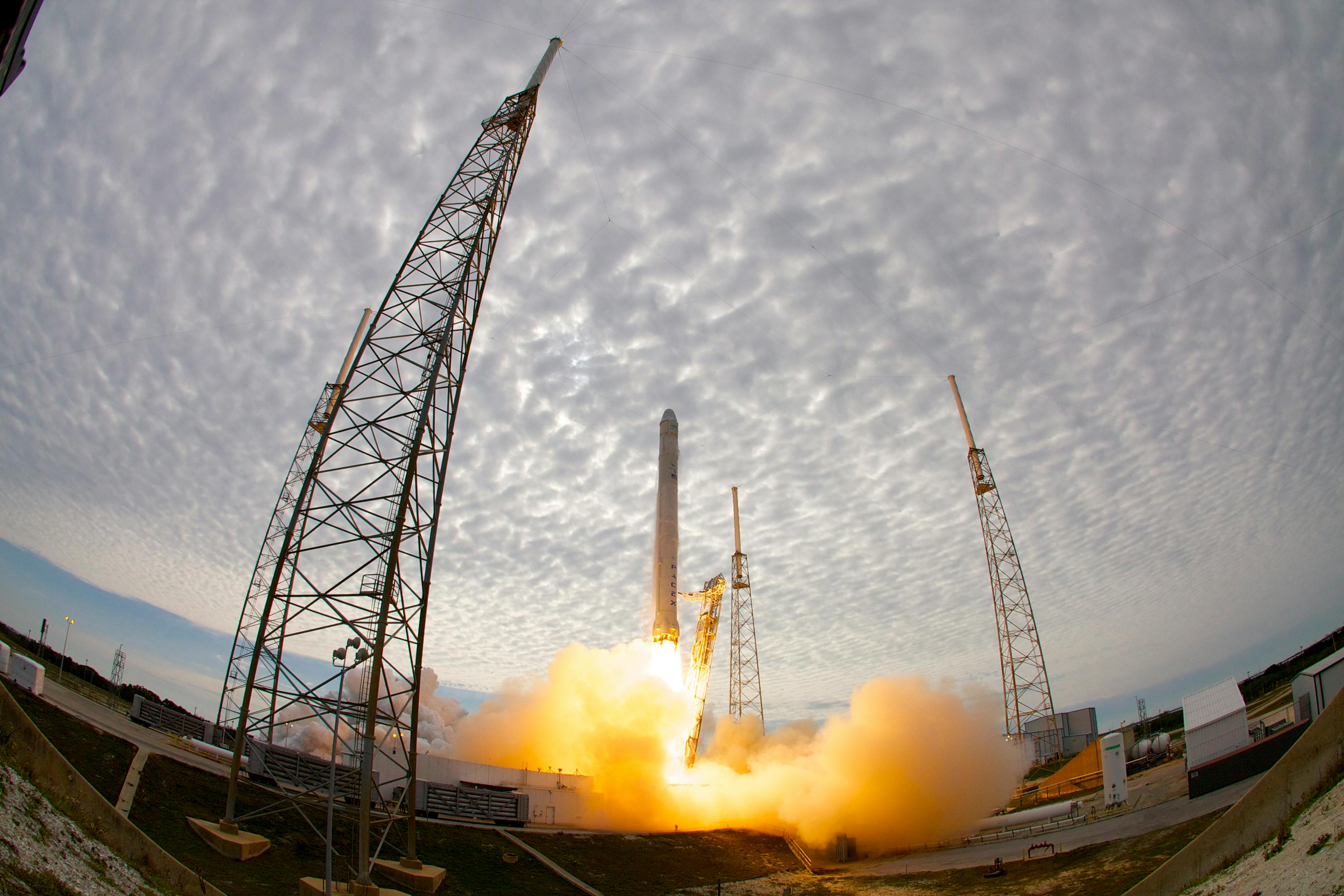
SpaceX successfully launches GPS satellite for Space Force — third consecutive GPS mission switched from ULA. EBAD demonstrates payload release module on Falcon 9 rideshare mission.

Today's highlights include Space Force prioritizing military missions, testing new GPS satellite software, and international defense collaborations impacting space assets.
Today's briefing covers a surprise launch by Israel, a milestone missile contract for Lockheed Martin, and updates on Indian missile defense strategies.
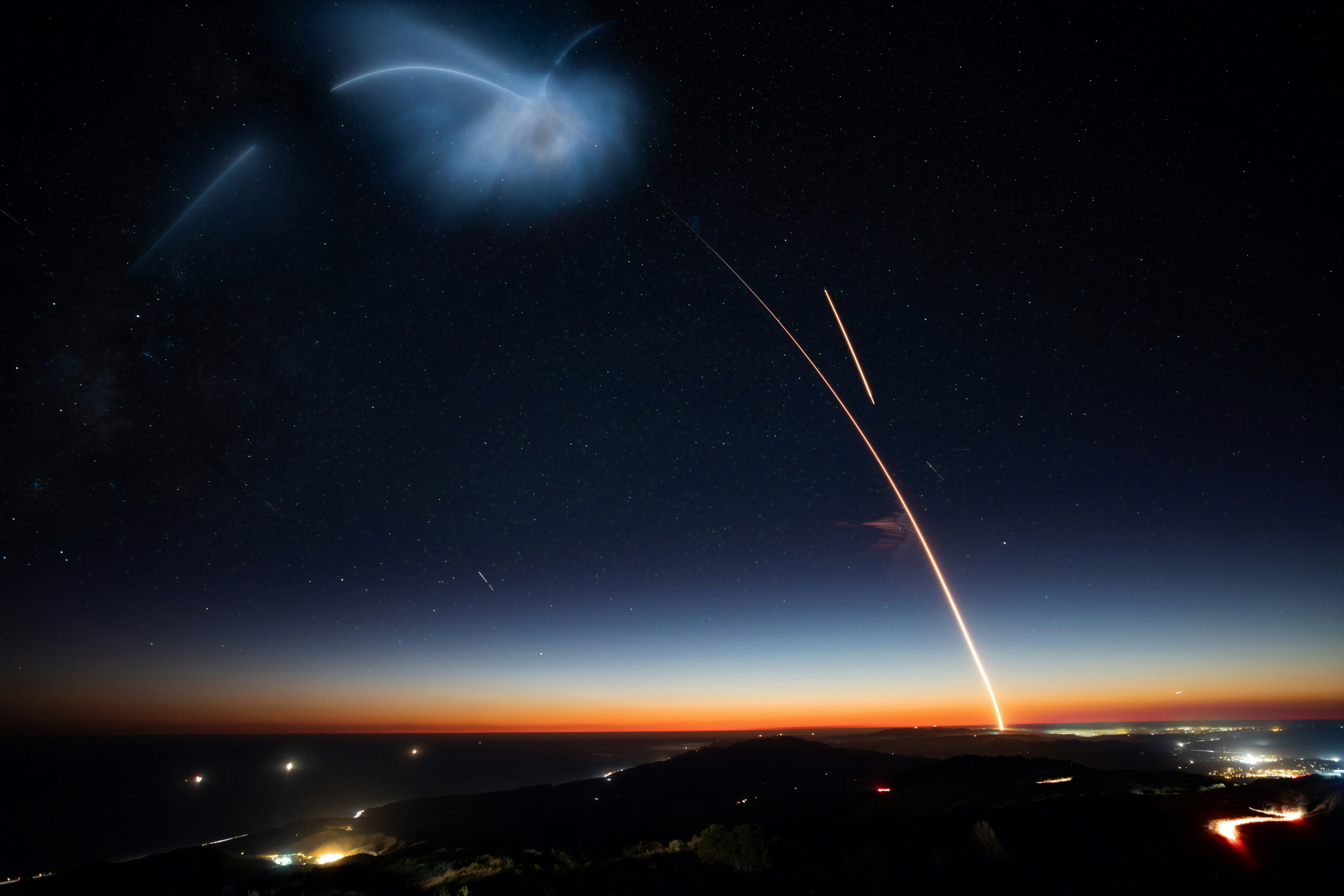
SpaceX successfully launched 24 Starlink satellites from California, enhancing its global internet coverage as the company continues to dominate the satellite communications market.
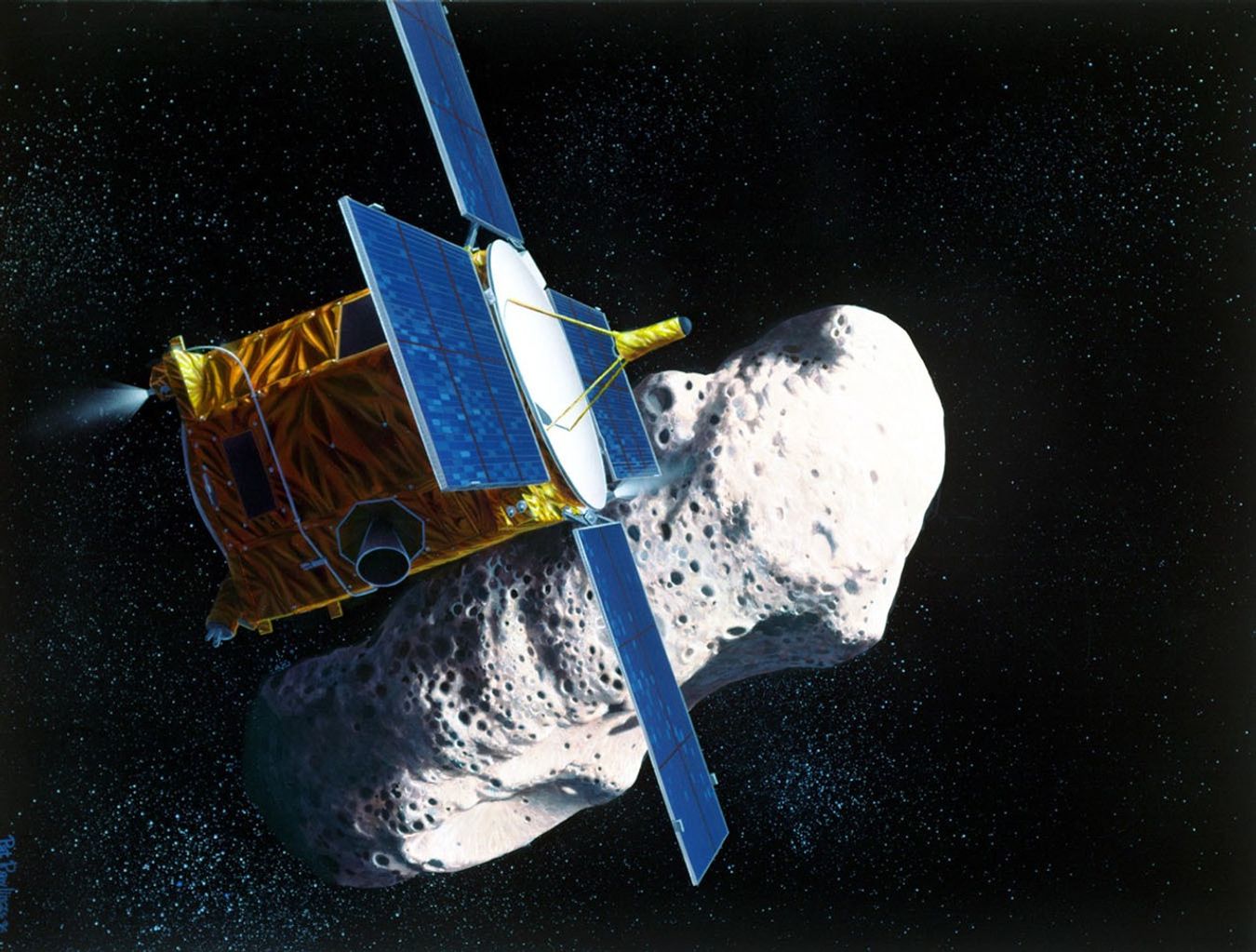
Twenty-four years ago, a spacecraft designed only to orbit made history with an improvised landing on asteroid Eros, marking humanitys first controlled touchdown on a small celestial body