


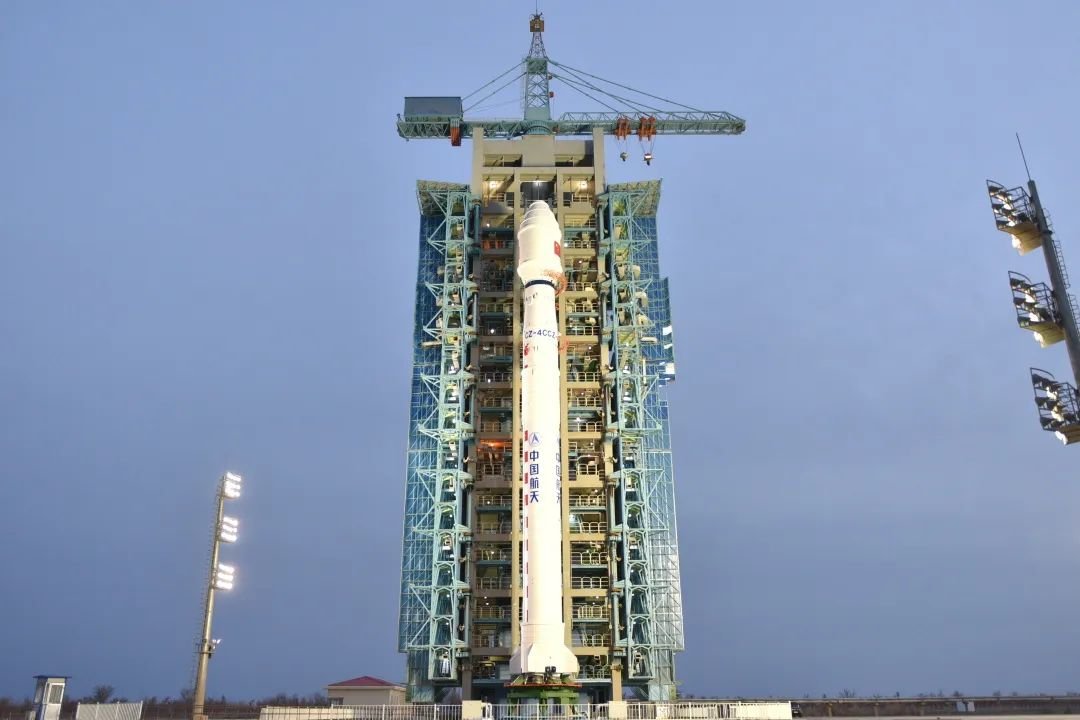
Space Brief 6 Nov 2024
Discover the latest in satellite technology with the launch of the world's first wooden satellite, new test materials for the ISS, and significant developments in orbital space debris.


Launch Date
January 13, 2012
Launch Site
XICLF
Launch Pad
LC3
Launch Vehicle
Chang Zheng 3A
NORAD ID
38049
International Designator
2012-002A
Epoch
Sat, 04 Jul 2026 04:44:03 GMT
Apogee
Calculating...
Perigee
Calculating...
Inclination
7.61°
Right Ascension
65.97°
Eccentricity
Calculating...
Argument of Perigee
173.14°
Period
1452.55 min
Mean Motion
0.99 rev/day
Latitude
Calculating...
Longitude
Calculating...
Altitude
Calculating...
Velocity
Calculating...
Name
FENGYUN 2F
Alternative Name
Feng Yun 2F
Type
Status
Owner
NSMC
Country
China
Constellation
N/A
Related Satellites
Major Events
N/A
1 38049U 12002A 26185.19726462 .00000086 00000-0 00000-0 0 9992
2 38049 7.6109 65.9722 0001761 173.1440 347.9800 0.99136028 52977
Source: Celestrak
Length
3
Diameter
2.1
Span
3
Dry Mass
600
Launch Mass
651
Shape
Cyl
Radar Cross Section
22.4645
Visual Magnitude
Unknown
Color
Unknown
Material Composition
Unknown
Payload
FY-2 07 xing
Purpose
Meteorology
Mission
Meteorology
Manufacturer
SISE
Life Expectancy
Unknown
Bus
FY-2
Configuration
Unknown
Motor
Shanxi AKM
Equipment
Unknown
Power System
Solar cells, batteries
ADCS
Unknown
Transmitter Frequency
Unknown
Learn more about satellites and other related topics.
Discover the latest in satellite technology with the launch of the world's first wooden satellite, new test materials for the ISS, and significant developments in orbital space debris.
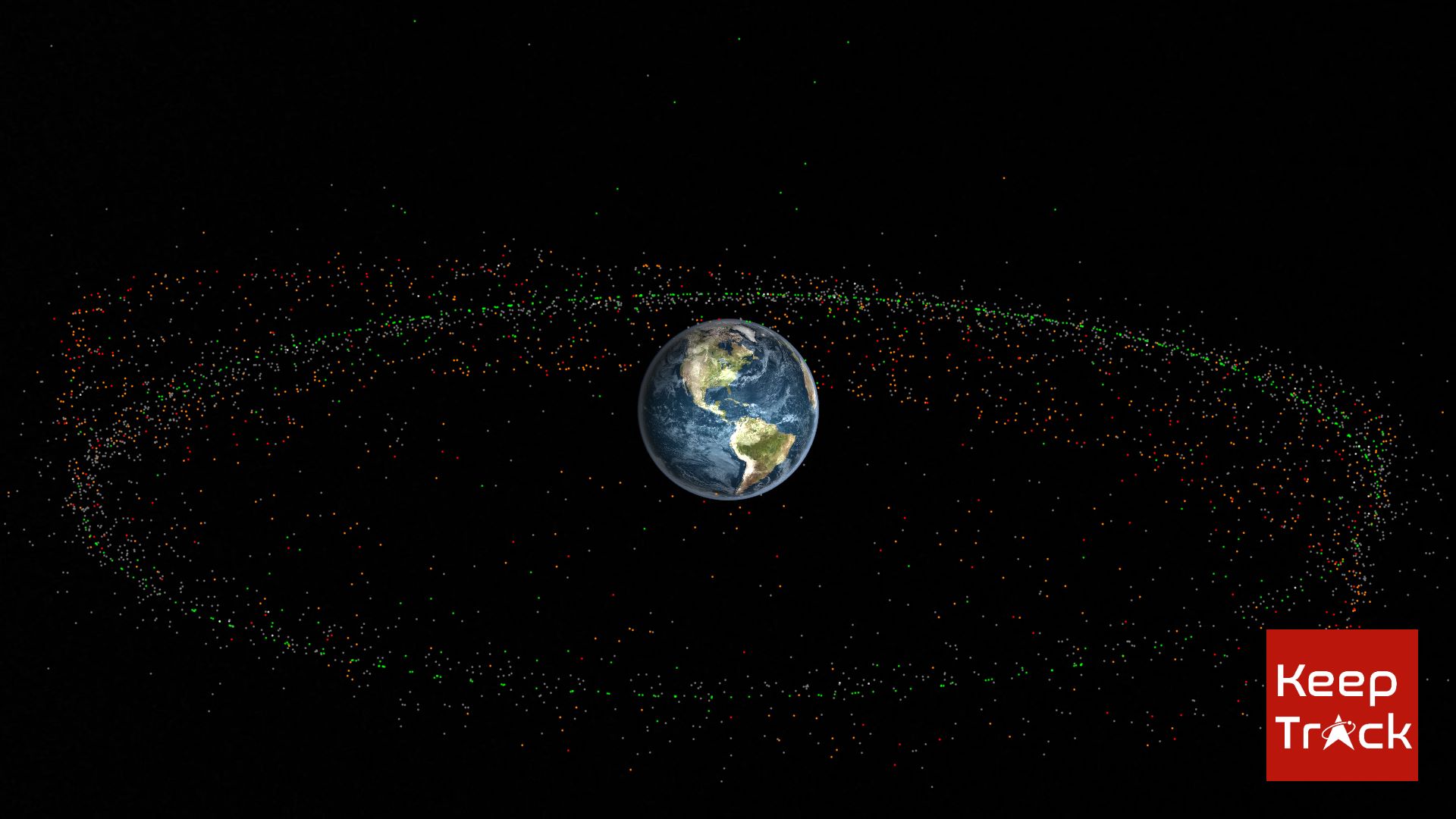
Understanding the unique orbital sweet spot that keeps satellites perfectly positioned above Earth
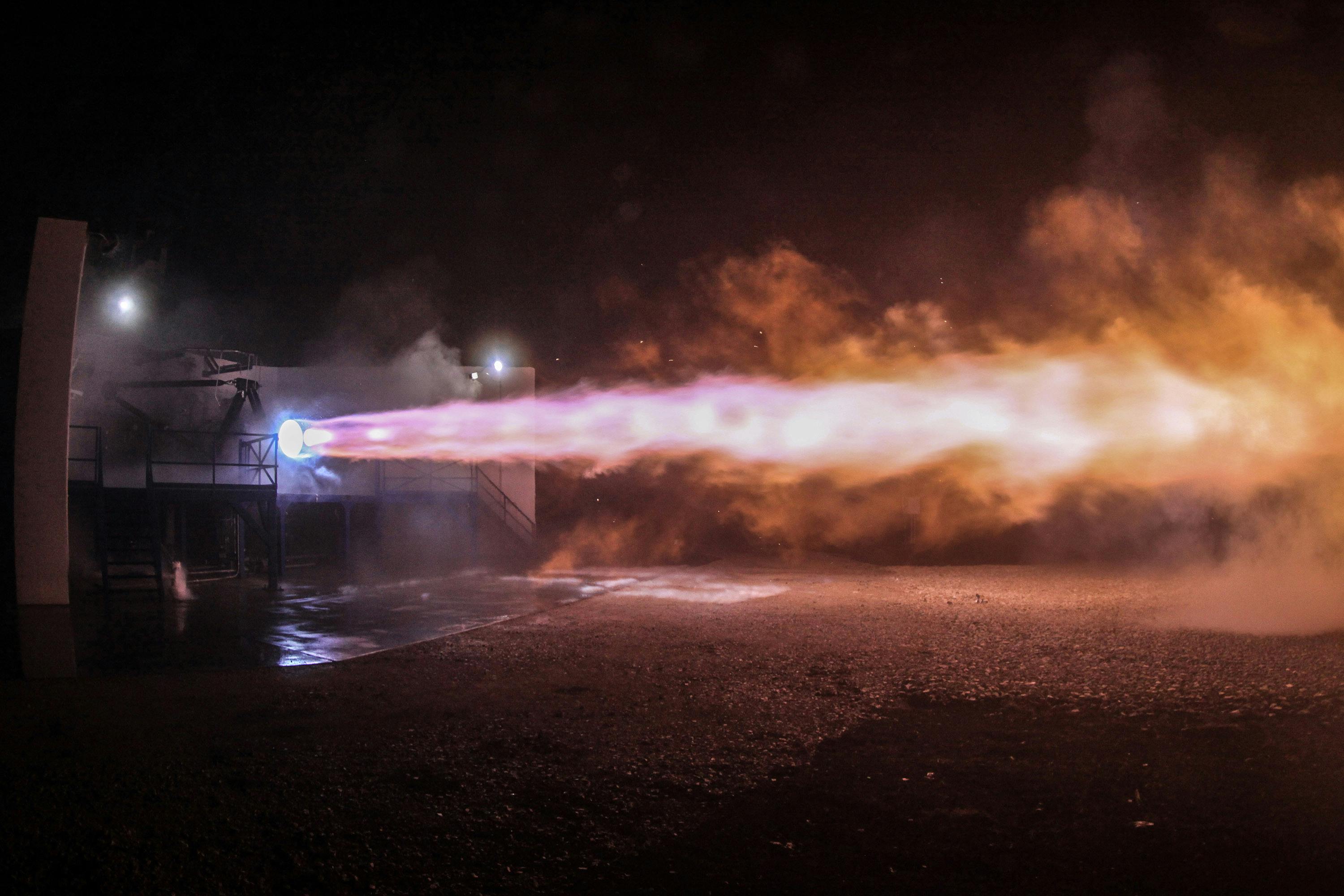
SpaceX has seen a flurry of activity with successful launches, static-fire tests for Starship, and ongoing preparations for future objectives, marking an exciting time for the aerospace company.

CSIS analysis identifies 75 unusual orbital maneuvers by Chinese GEO satellites over 10 years, consistent with military reconnaissance. Track GEO objects via KeepTrack.

Today's briefing covers Iceye's new aerospace service for defense clients, ESA's plan for dual-use satellites, and key defense agreements impacting satellite technology.
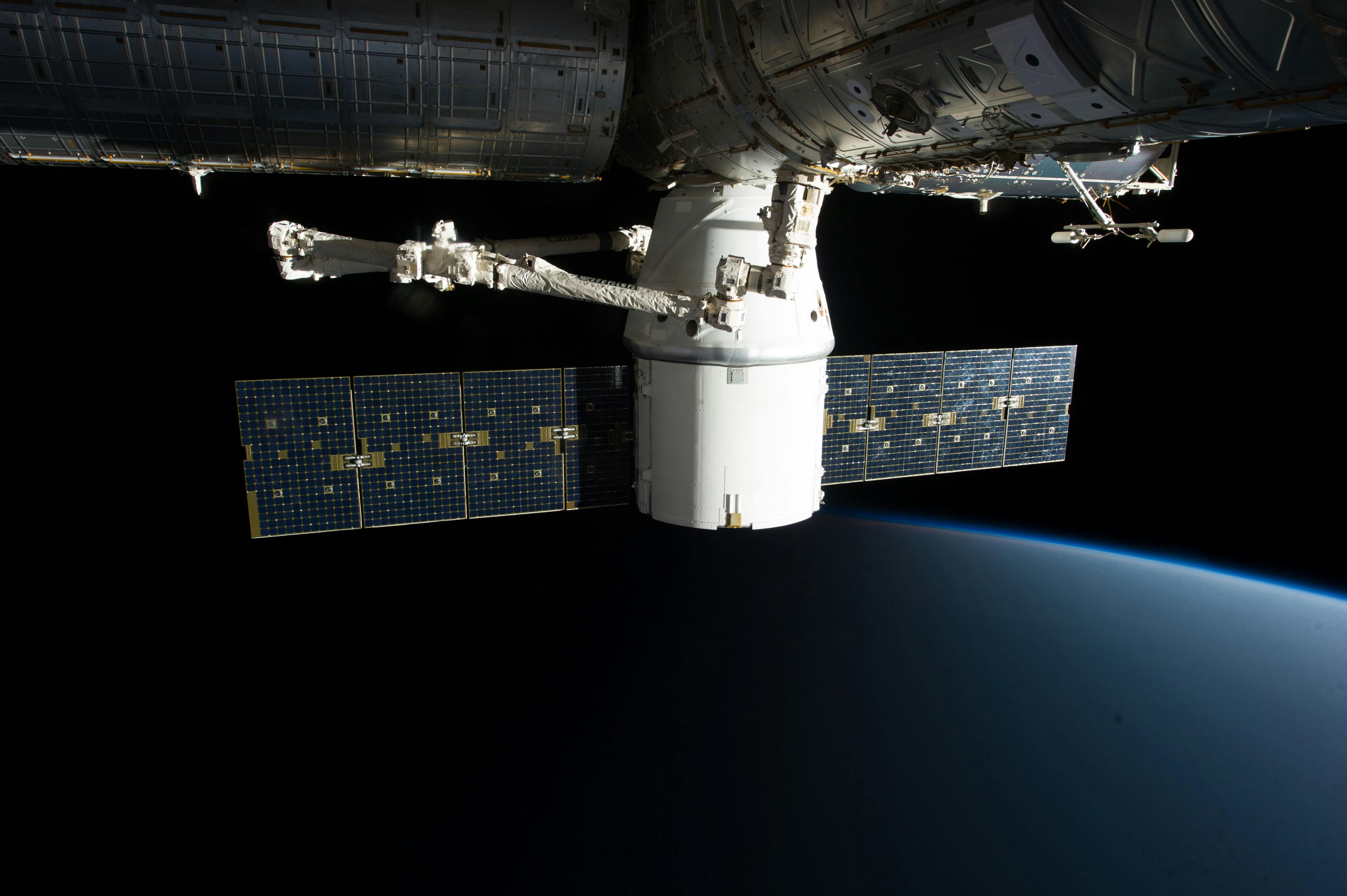
SpaceX's 100th Falcon 9 mission successfully launched 24 Starlink satellites, continuing to expand its broadband constellation.
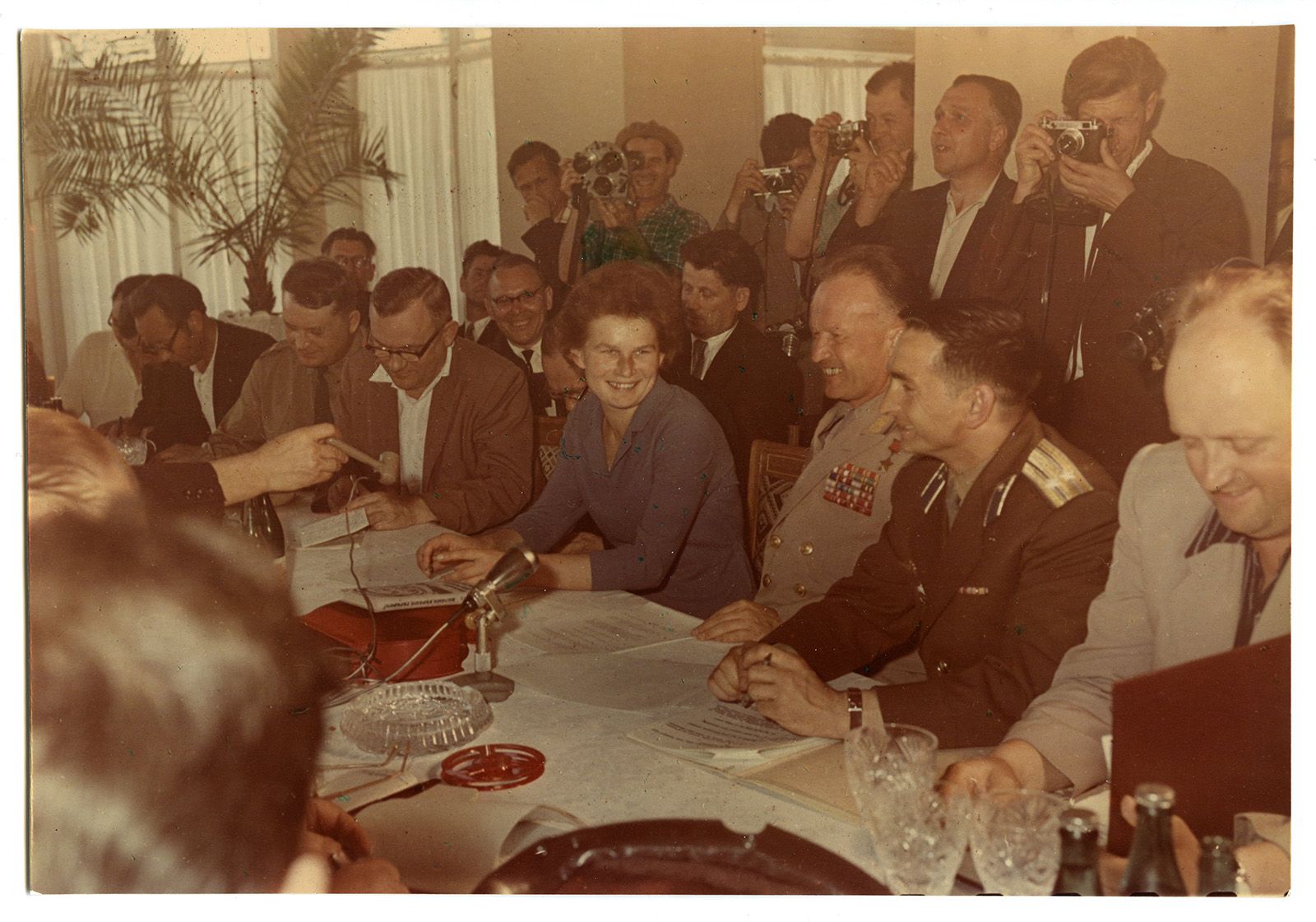
On 16 June 1963, a 26-year-old former textile worker named Valentina Tereshkova launched aboard Vostok 6 and spent nearly three days alone in orbit. She flew 48 times around the Earth, longer than every American astronaut combined, and spotted a dangerous flaw in her descent program that ground controllers had missed.
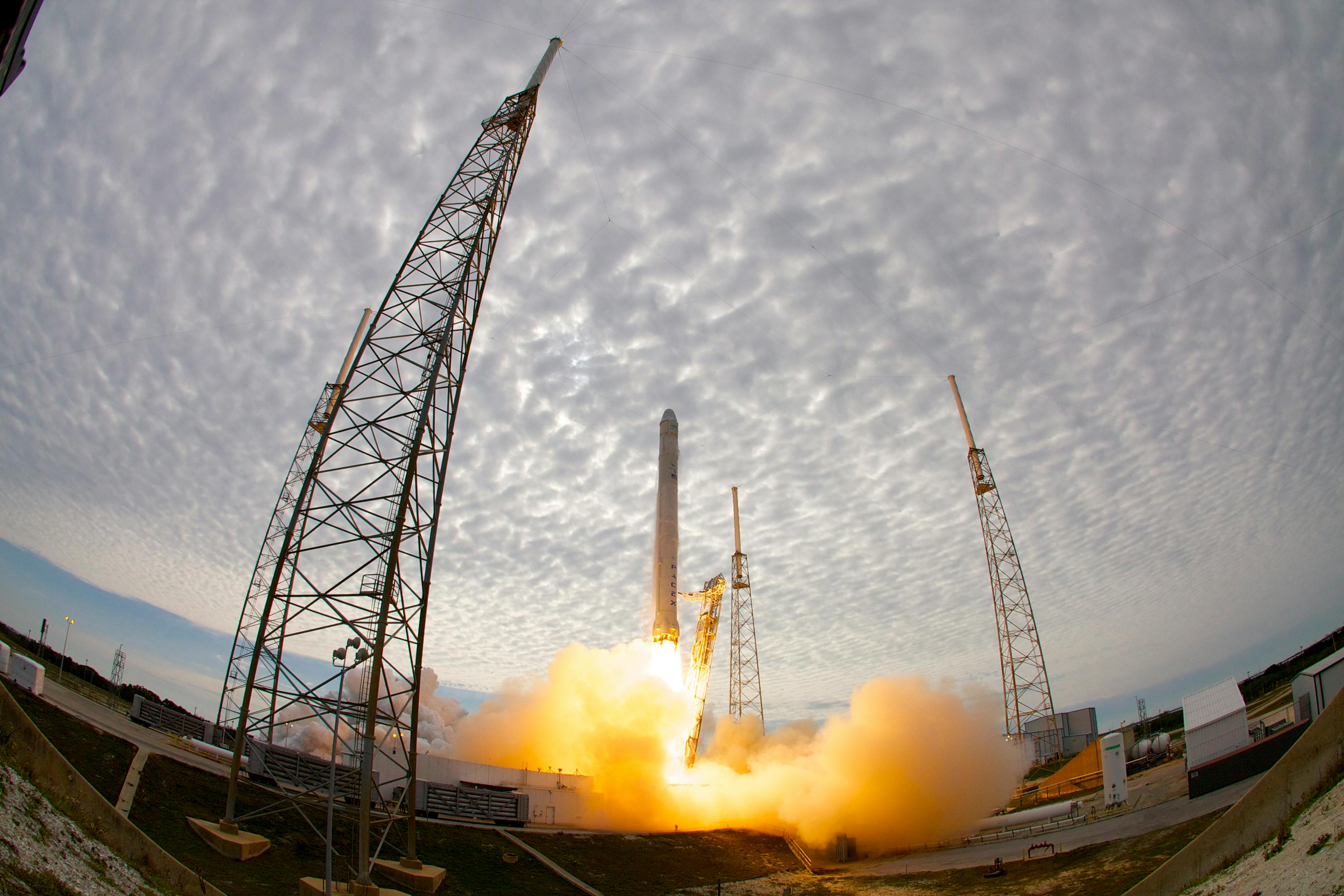
Major breakthroughs as SpaceX prepares to bring astronauts home and multiple launches unfold this week.