


Space Brief 18 Dec 2024
Today's highlights include SpaceX's rapid response GPS launch, Raytheon's new rocket motor test, and Starlink's revenue surge. Plus, the Space Force's modernization push.


Launch Date
January 9, 2012
Launch Site
TAISC
Launch Pad
LC9
Launch Vehicle
Chang Zheng 4B
NORAD ID
38047
International Designator
2012-001B
Decay Date
10/27/2016
Name
VESSELSAT 2
Alternative Name
VesselSat2
Type
Status
Owner
LUXS/ORBC
Country
Luxembourg
Constellation
N/A
Related Satellites
Major Events
N/A
Length
0.3
Diameter
0.3
Span
0.3
Dry Mass
28
Launch Mass
28
Shape
Box
Radar Cross Section
0.267
Visual Magnitude
Unknown
Color
Unknown
Material Composition
Unknown
Payload
AIS VesselSat 2
Purpose
Traffic monitoring
Mission
Traffic monitoring
Manufacturer
LUXS
Life Expectancy
3 years (design); 4 years (achieved)
Bus
AIS
Configuration
Triton-1 bus
Motor
Unknown
Equipment
AIS-receiver
Power System
Solar cells, batteries
ADCS
Unknown
Transmitter Frequency
Unknown
Learn more about satellites and other related topics.
Today's highlights include SpaceX's rapid response GPS launch, Raytheon's new rocket motor test, and Starlink's revenue surge. Plus, the Space Force's modernization push.
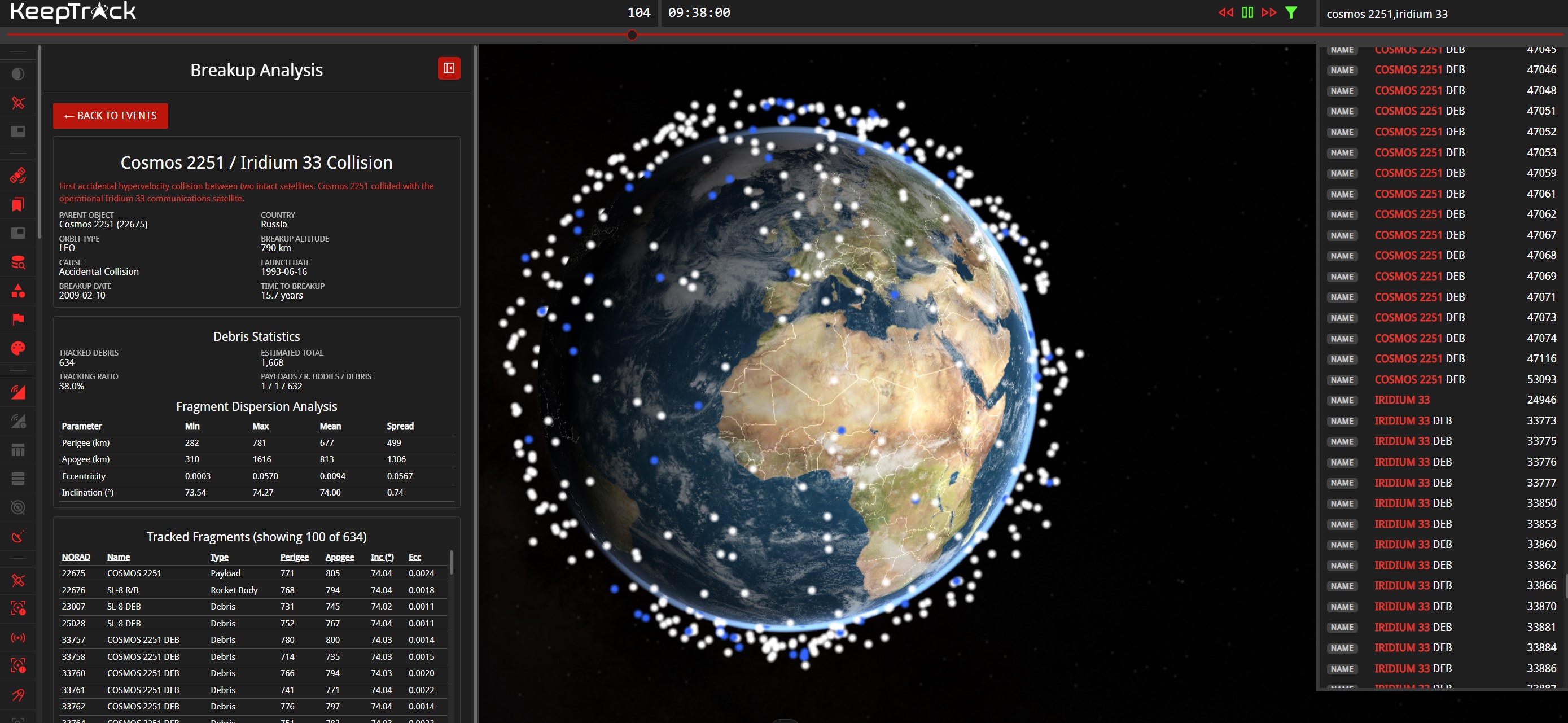
On February 10, 2009, an active Iridium communications satellite and a derelict Soviet military spacecraft slammed into each other 789 kilometers above Siberia. The collision produced more than 2,300 pieces of trackable debris that are still up there. Seventeen years later, the Iridium-Cosmos collision remains the event that made space debris a policy problem the world could no longer ignore.
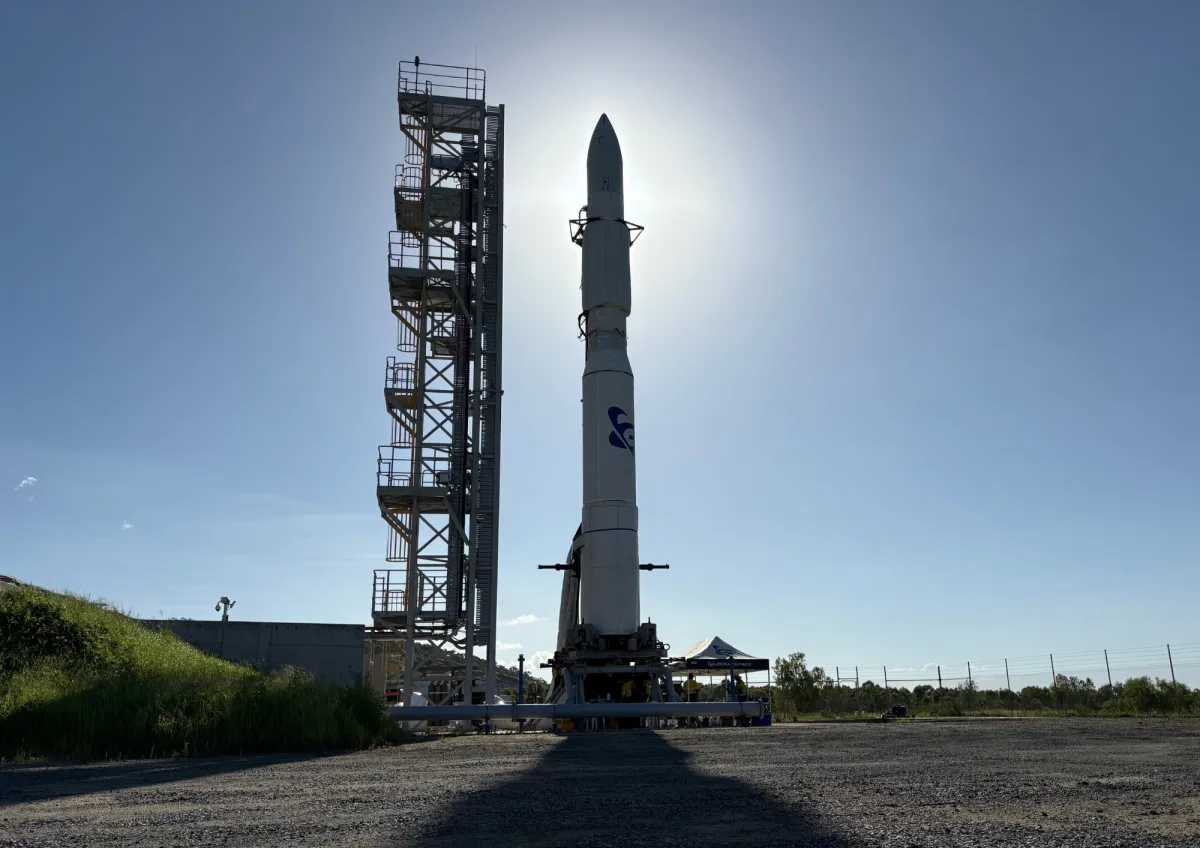
Dive into the latest developments including U.S. national security launch contracts, penalties for drone violations at military bases, and emerging European launch providers.

Starship testing progresses at the Cape; Lynk Global secures funding amidst rising satellite competition.
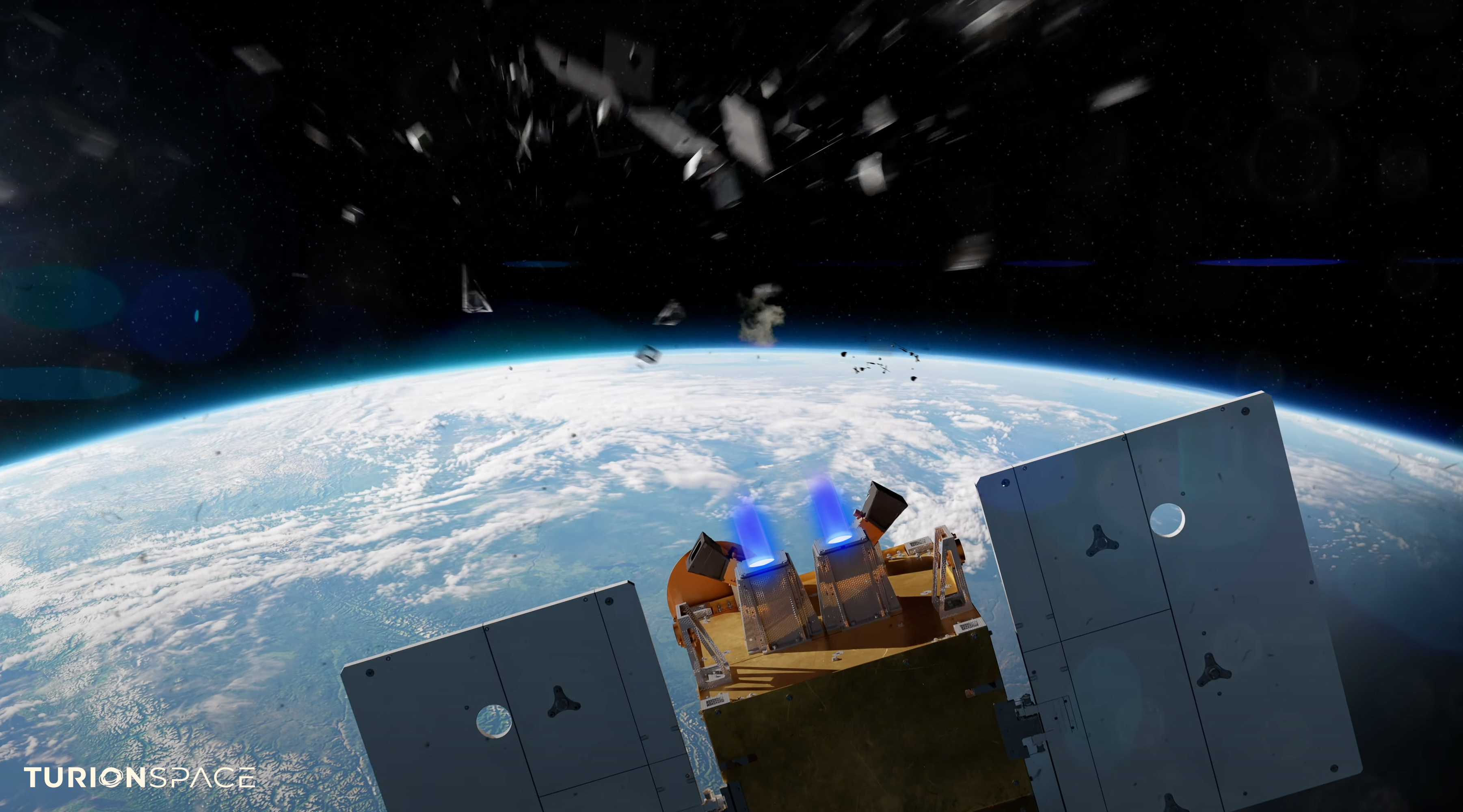
A 90-kilogram spacecraft with iodine thrusters and two Australian-built cameras is quietly building the case that tracking space debris is a business worth billions - and that a four-year-old startup from Irvine can own it.

Pentagon cancels Next-Generation OPIR Polar program after Northrop Grumman delivered sensor payload. LEO and MEO alternatives deemed sufficient for missile-warning coverage.

Today's highlights include significant legal disputes in military satellite contracts, strategic investments in the defense space sector, and updates on major military budget developments impacting space capabilities.
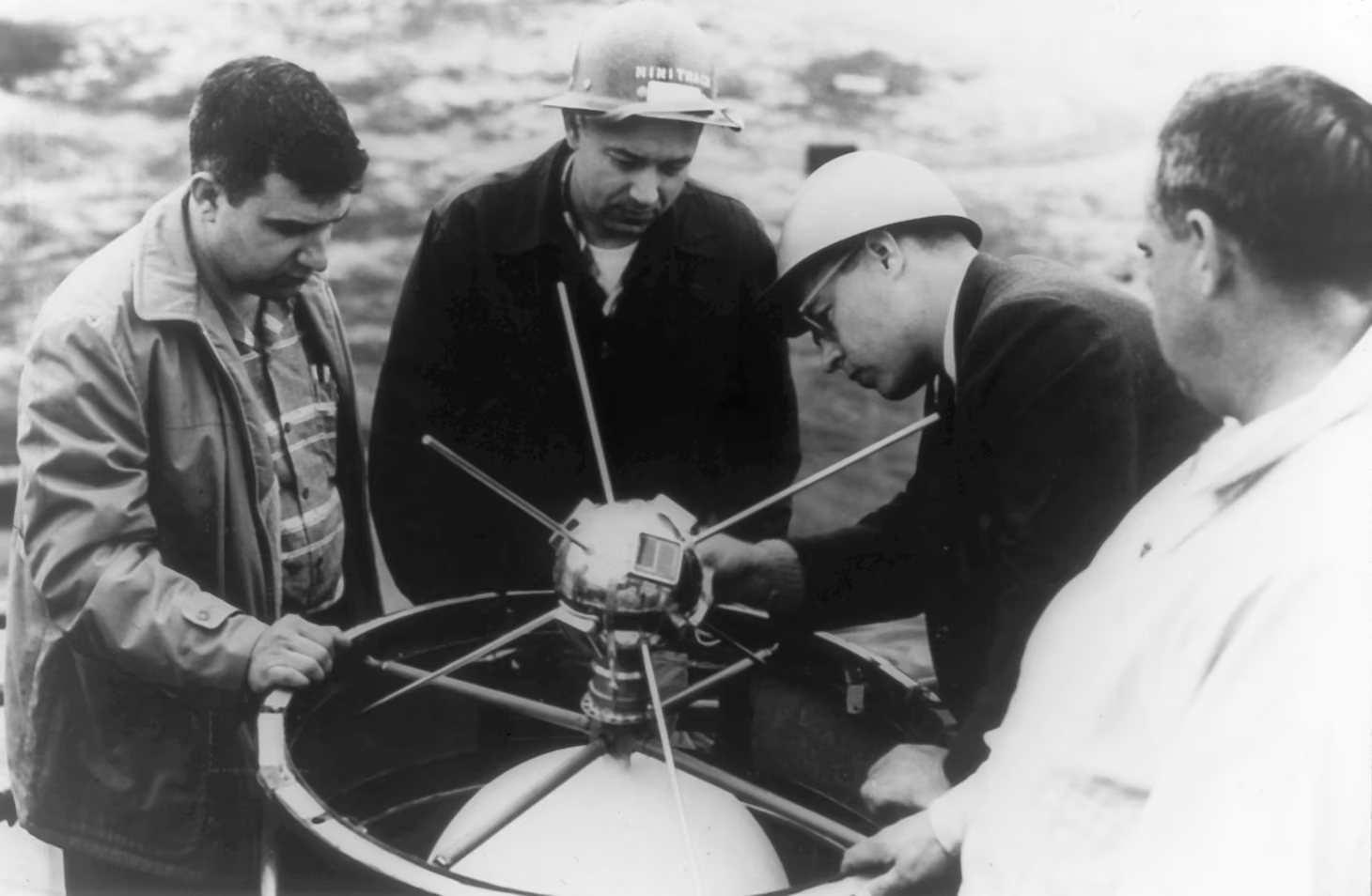
How the U.S. Navy's Vanguard rocket became a Cold War icon, launched the world's oldest satellite still in orbit, and laid the groundwork for NASA's space exploration efforts.