



Space Brief 1 Nov 2025
Today's brief covers the future of military space operations, ESA's potential defense role, significant developments in satellite communications, and SpaceX's response to Artemis 3 comments.


Launch Date
December 28, 2011
Launch Site
Launch Pad
LC31
Launch Vehicle
Soyuz-2-1A
NORAD ID
38040
International Designator
2011-080A
Epoch
Sat, 04 Jul 2026 03:48:31 GMT
Apogee
Calculating...
Perigee
Calculating...
Inclination
52.00°
Right Ascension
325.62°
Eccentricity
Calculating...
Argument of Perigee
113.74°
Period
114.08 min
Mean Motion
12.62 rev/day
Latitude
Calculating...
Longitude
Calculating...
Altitude
Calculating...
Velocity
Calculating...
Name
GLOBALSTAR M084
Alternative Name
Globalstar M084
Type
Status
Owner
GLOBL
Country
United States
Constellation
N/A
Related Satellites
Major Events
N/A
1 38040U 11080A 26185.15869544 -.00000090 00000-0 77625-4 0 9990
2 38040 52.0026 325.6154 0001040 113.7367 57.8256 12.62267743670906
Source: Celestrak
Length
4
Diameter
2
Span
12
Dry Mass
500
Launch Mass
715
Shape
Trap Cyl + 2 Pan
Radar Cross Section
4.6037
Visual Magnitude
Unknown
Color
Unknown
Material Composition
Unknown
Payload
Globalstar-2 FM13
Purpose
Communication
Mission
Communication
Manufacturer
THALR
Life Expectancy
15 years
Bus
Prisma
Configuration
ELiTeBus-1000
Motor
LS-400 AOCS
Equipment
16 C-to-S-band transponders, 16 L-to-C-band transponders
Power System
2 deployable solar arrays, 2.4 kW (bol), 1.7 kW (eol), batteries
ADCS
Unknown
Transmitter Frequency
Unknown
Learn more about satellites and other related topics.
Today's brief covers the future of military space operations, ESA's potential defense role, significant developments in satellite communications, and SpaceX's response to Artemis 3 comments.

SpaceX gears up for significant upcoming launches while Starlink makes an impactful difference in disaster recovery efforts. Meanwhile, ESA and Avio reveal plans for competitive advancements in reusable rocket technology.
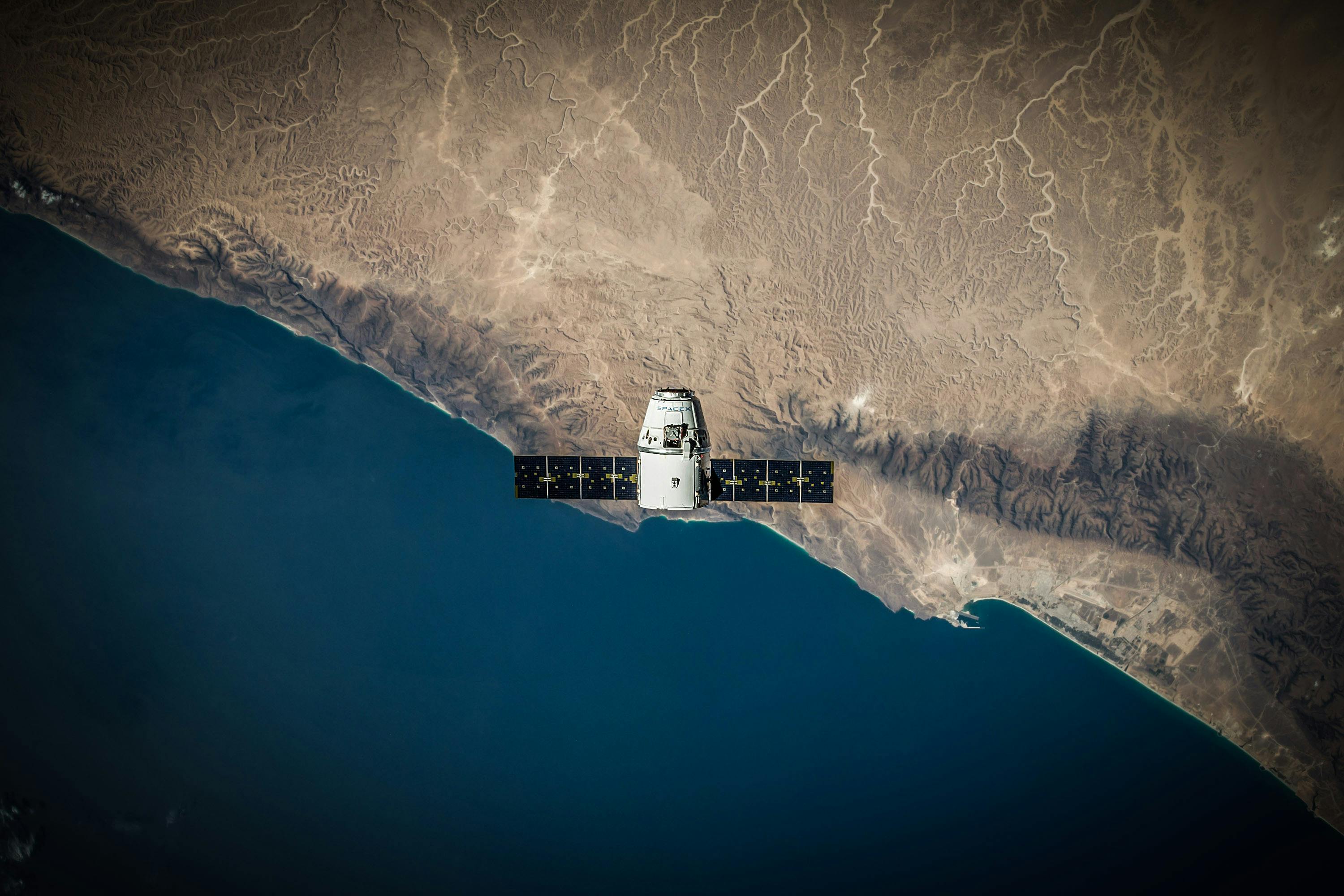
SpaceX successfully launched 23 Starlink satellites while facing delays in launching the Axiom Space mission due to a propellant leak. Additionally, new US broadband rules favor Starlink's expansion into rural markets.
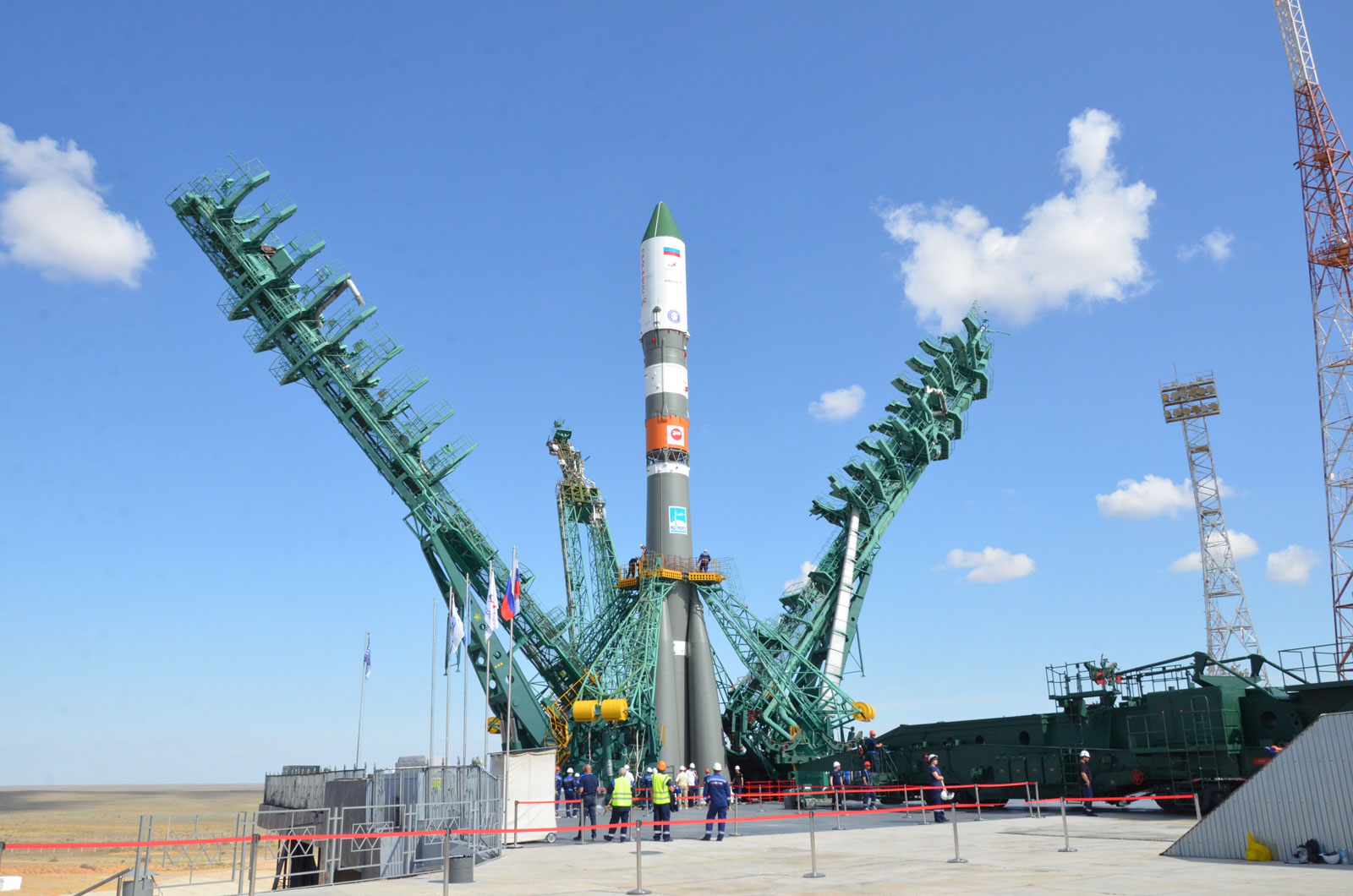
Today's brief covers potential shifts in Space Force's strategy, new milestones in military satellite programs, and advancements in ground systems for missile defense. We'll also highlight Rocket Lab's latest contract win and critical design reviews in drone technology.

Thirty-five years ago, NASA's Galileo spacecraft made a crucial flyby of Venus, pioneering a complex path through the inner solar system that would revolutionize planetary exploration

Starbase expansion progresses and Germany eyes its own satellite constellation.

Historic moon landing by Firefly Aerospace, Spanish Air and Space Force advances with new simulator, and spotlight on OneWeb's communication satellite.
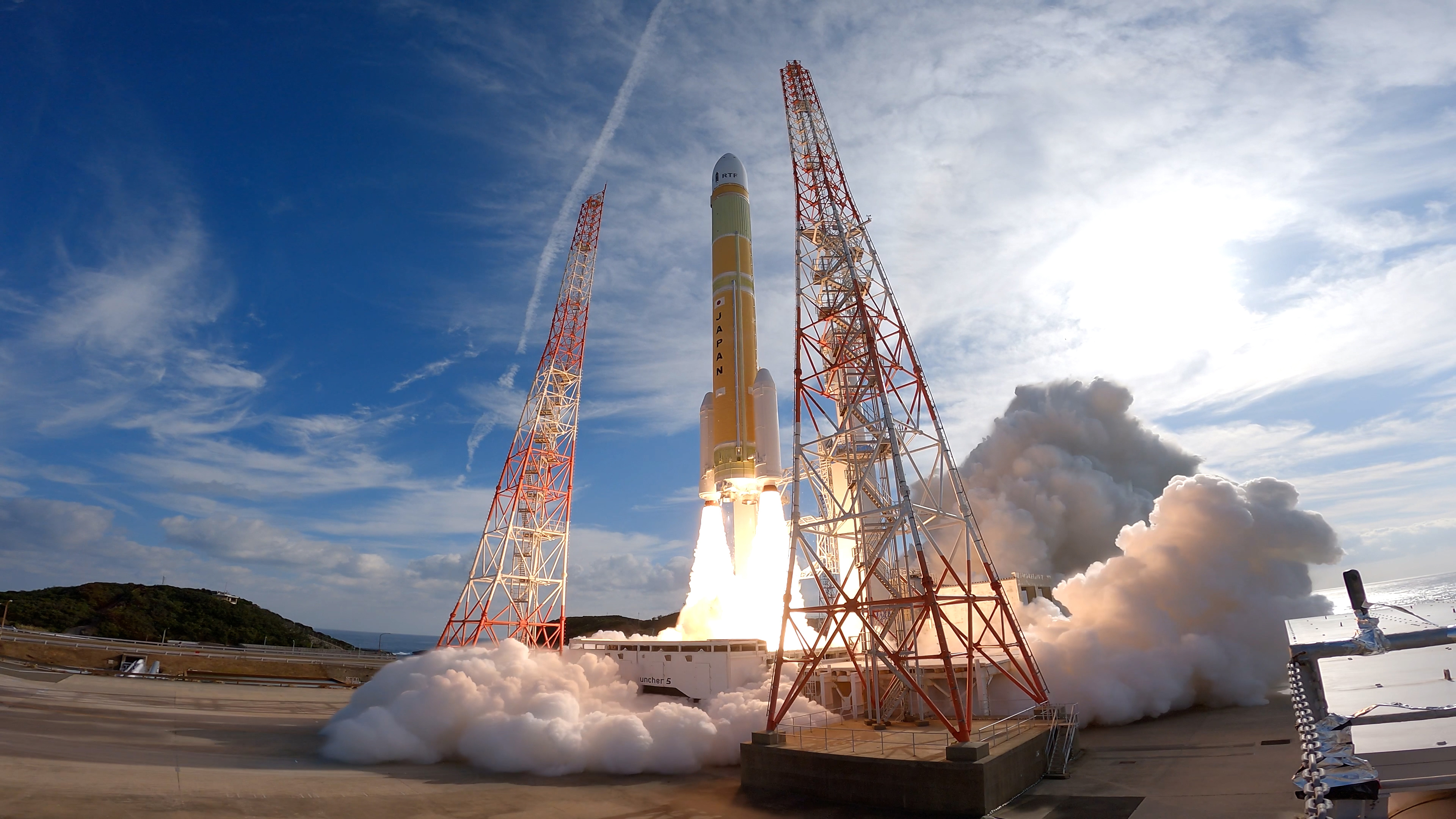
Today's highlights include new space-based interceptor developments, a UK space tracking partnership, a strategic satellite imagery alliance, and more.