


X Report 11 Nov 2025
SpaceX continues to dominate the space launch market with a new Starlink mission, breaking Florida's annual launch record. The latest batch of satellites enhances global broadband coverage.


Launch Date
December 17, 2011
Launch Site
FRGUI
Launch Pad
ELS
Launch Vehicle
Soyuz-ST-A
NORAD ID
38013
International Designator
2011-076G
Epoch
Sat, 04 Jul 2026 05:48:43 GMT
Apogee
Calculating...
Perigee
Calculating...
Inclination
98.02°
Right Ascension
116.67°
Eccentricity
Calculating...
Argument of Perigee
97.16°
Period
94.40 min
Mean Motion
15.25 rev/day
Latitude
Calculating...
Longitude
Calculating...
Altitude
Calculating...
Velocity
Calculating...
Name
ASAP-S
Alternative Name
ASAP-S
Type
Status
Owner
CNES
Country
France
Constellation
N/A
Related Satellites
Major Events
N/A
1 38013U 11076G 26185.24217005 .00014918 00000-0 59298-3 0 9992
2 38013 98.0185 116.6701 0008660 97.1596 263.0625 15.25381324795433
Source: Celestrak
Length
1
Diameter
1.2
Span
1.2
Dry Mass
624
Launch Mass
624
Shape
Cyl
Radar Cross Section
2.6365
Visual Magnitude
Unknown
Color
Unknown
Material Composition
Unknown
Payload
Elisa Dispenser
Purpose
Unknown
Mission
Unknown
Manufacturer
ASTM
Life Expectancy
Unknown
Bus
Dispenser
Configuration
Unknown
Motor
Unknown
Equipment
Unknown
Power System
Unknown
ADCS
Unknown
Transmitter Frequency
Unknown
Learn more about satellites and other related topics.
SpaceX continues to dominate the space launch market with a new Starlink mission, breaking Florida's annual launch record. The latest batch of satellites enhances global broadband coverage.
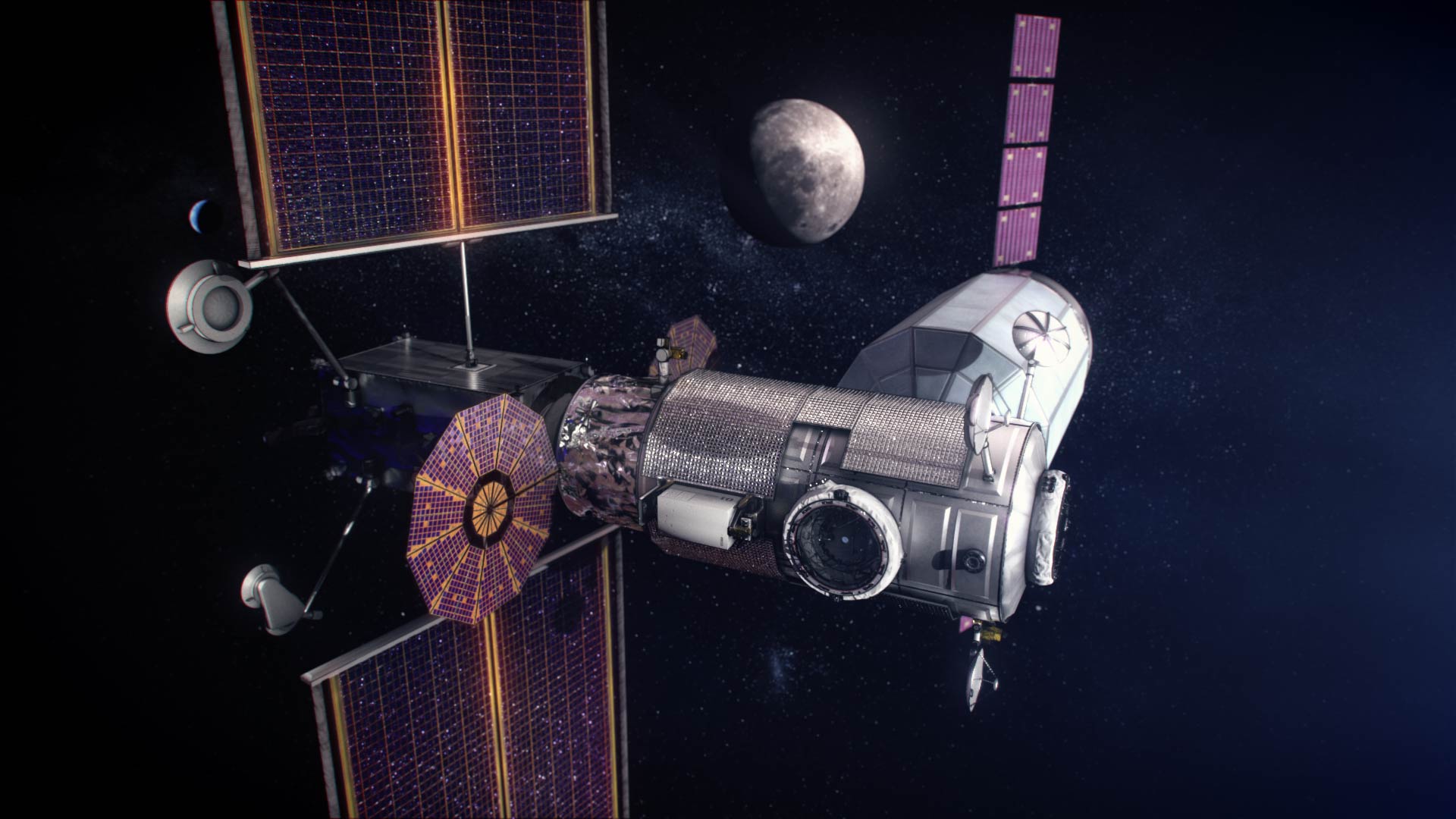
The volume of space between Earth and the Moon is roughly a thousand times larger than the orbit we actually watch, and almost none of it is under surveillance. As the U.S. and China race to build lunar outposts, the Space Force is scrambling to put eyes on a region it has been effectively blind to.
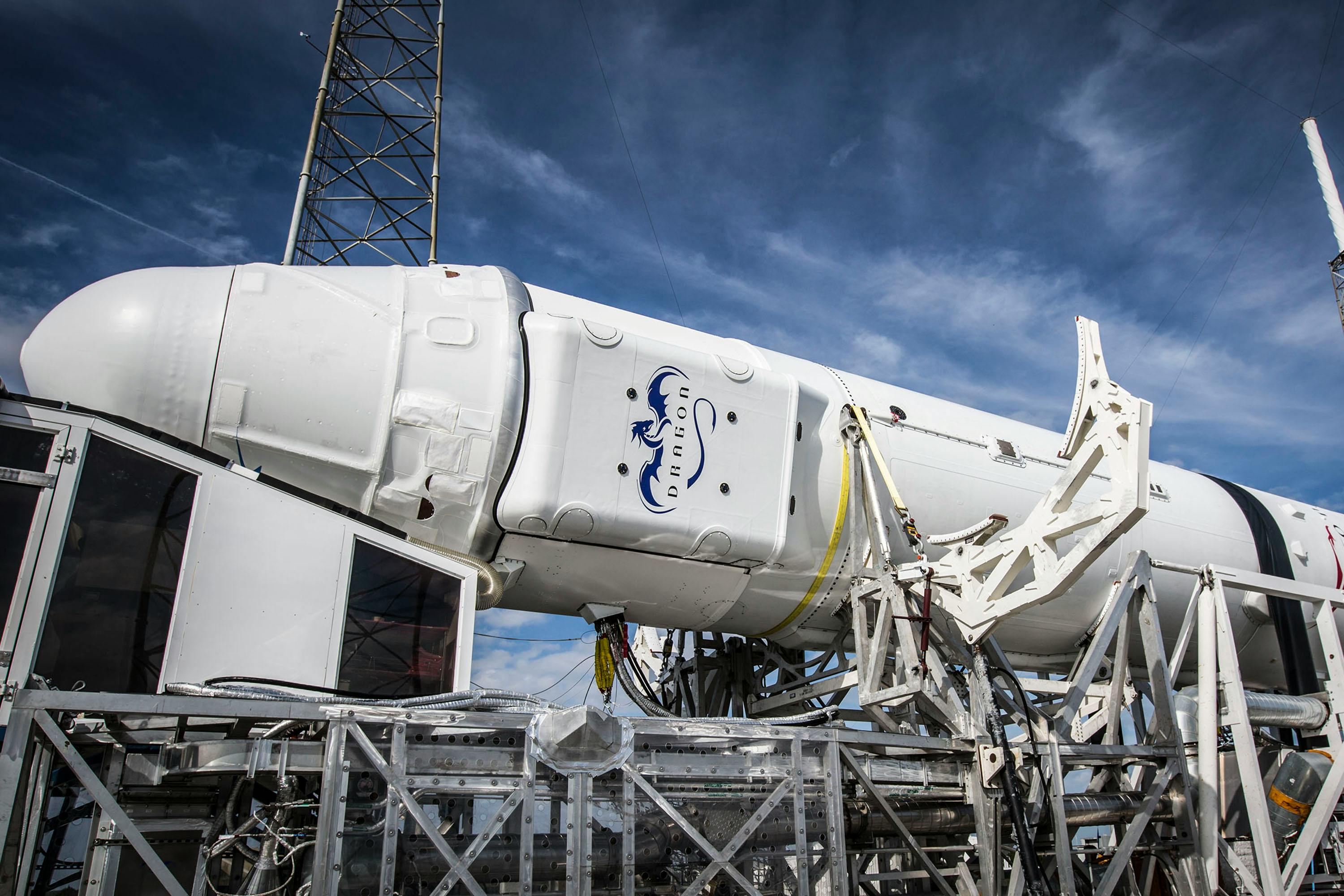
SpaceX successfully launched another batch of Starlink satellites and received approval for a new Starship launch site, while facing challenges with crew assignments on upcoming missions.
SpaceX achieves a new milestone with its record 139th launch of the year while competition heats up in satellite communications.
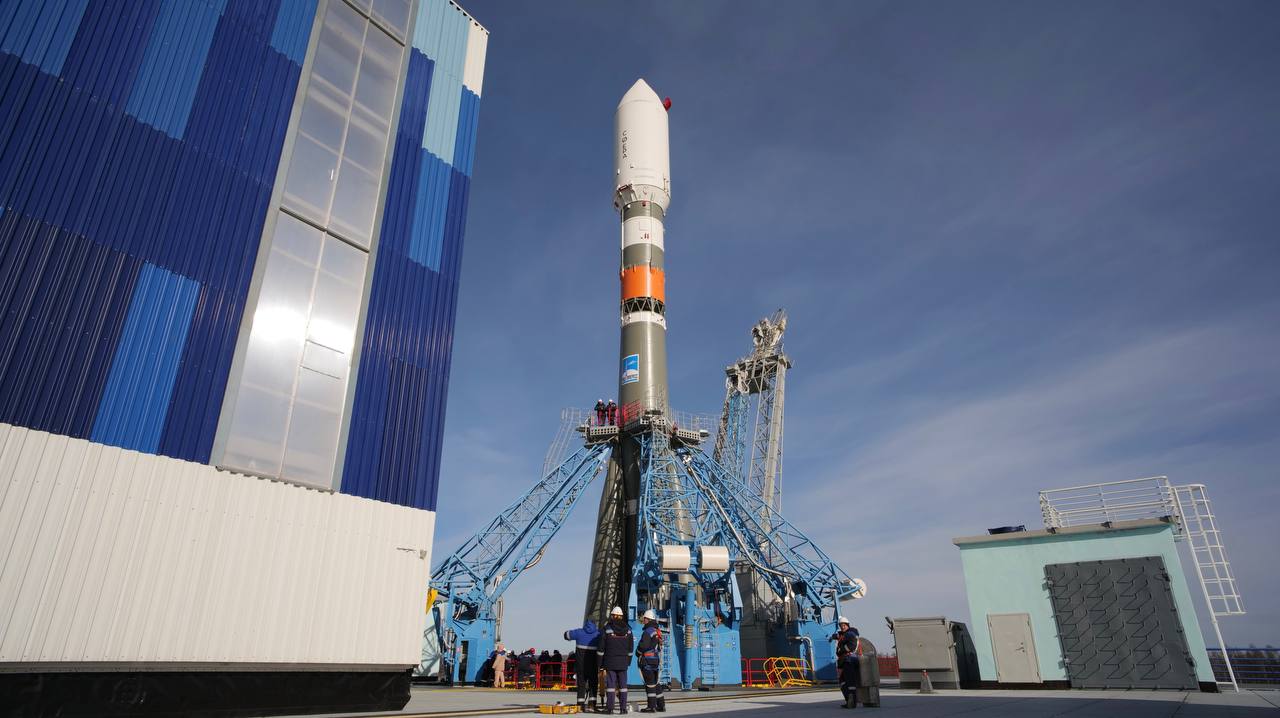
Today's brief covers influential space events including Space Force's interest in Starship, U.S. military constellation advancements, and technological developments in counter-drone capabilities.
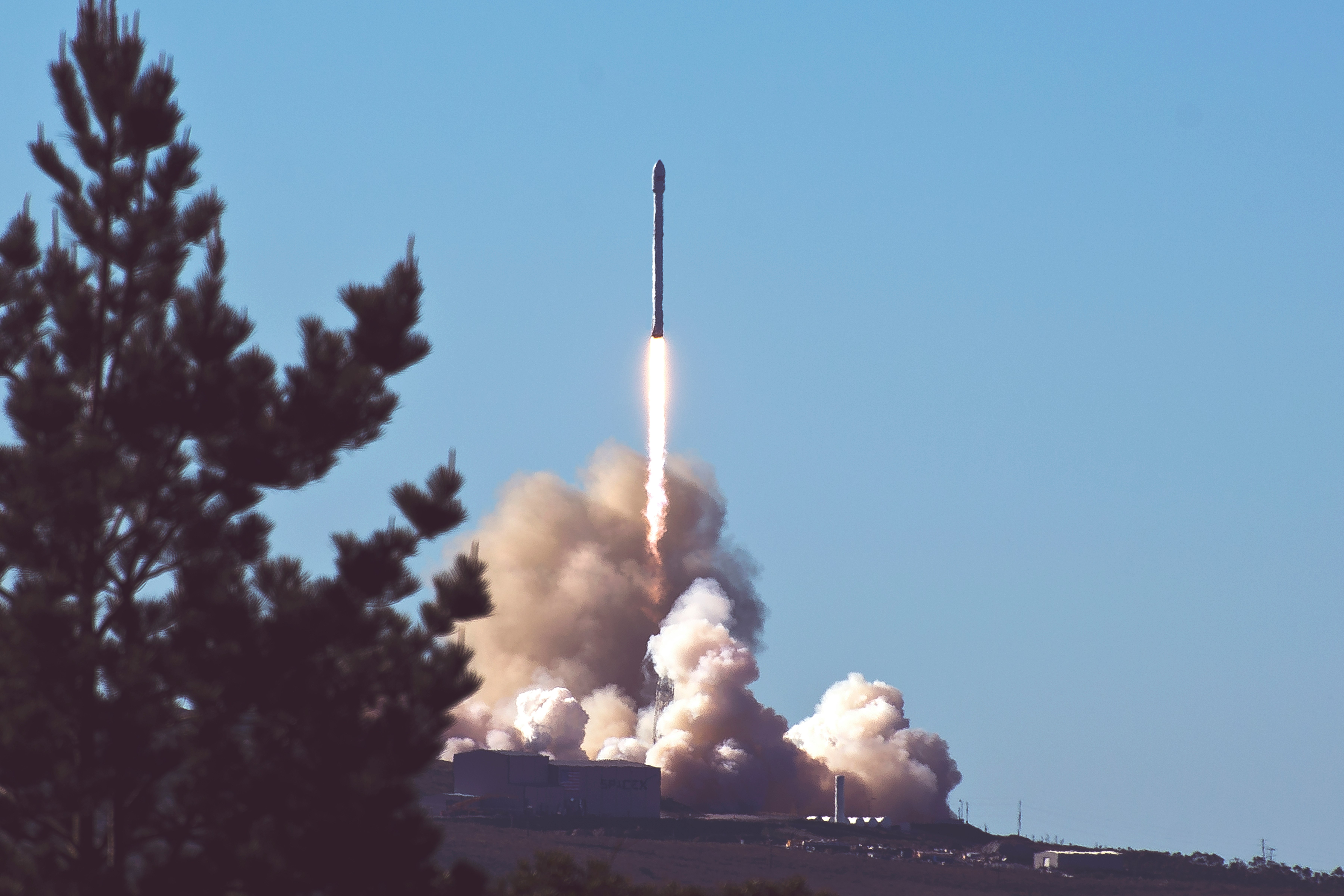
SpaceX launches Starlink satellites successfully, while Starbase inches closer to city status and business discussions intensify.

Artemis II crew surpassed Apollo 13's distance record during April 6 lunar flyby. Orion carried 4 astronauts—including Canadian Jeremy Hansen—farther from Earth than any humans.
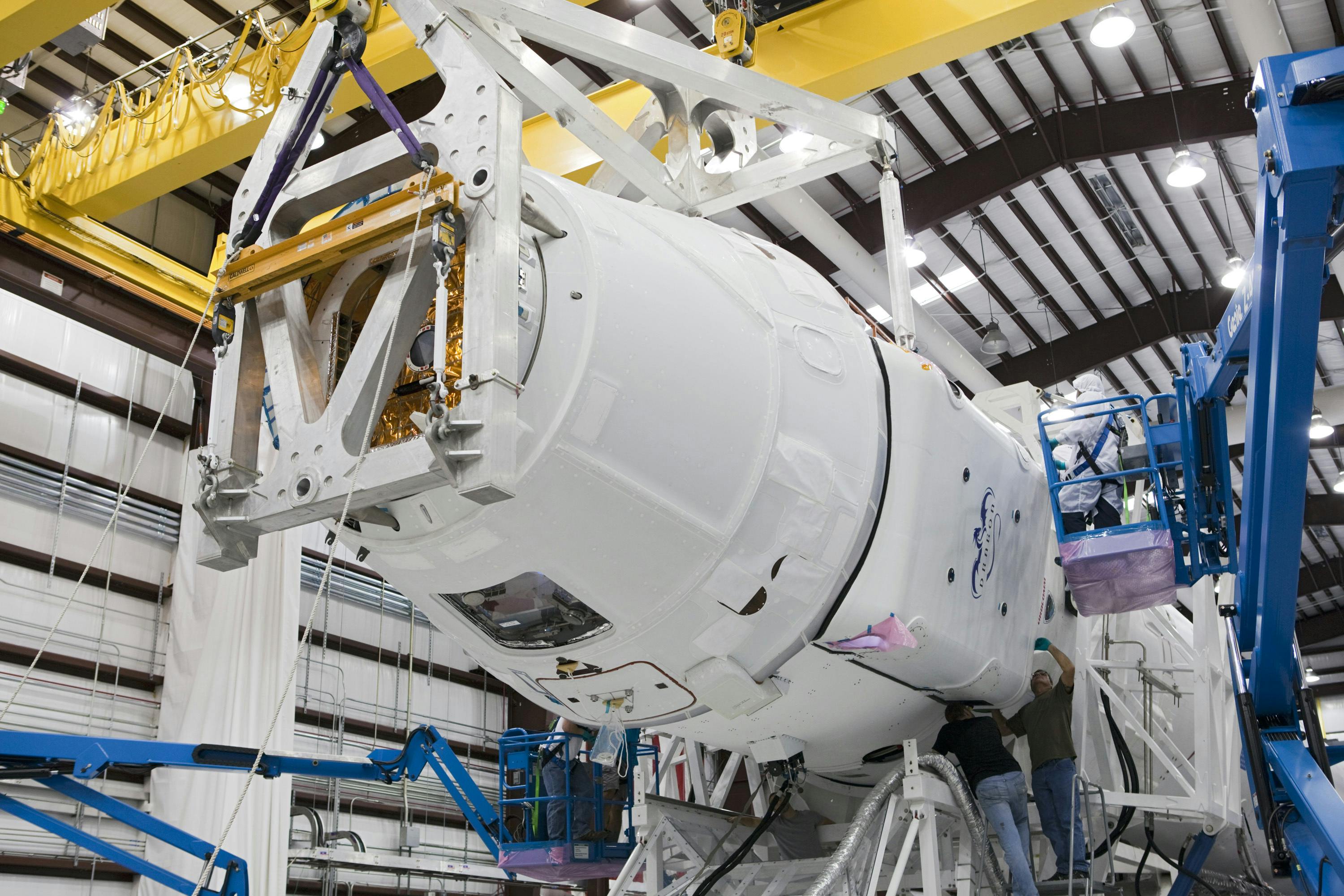
SpaceX completed two launches June 28, orbiting the 15,000-lb SXM-11 satellite and 24 Starlink V2 craft from Vandenberg.