


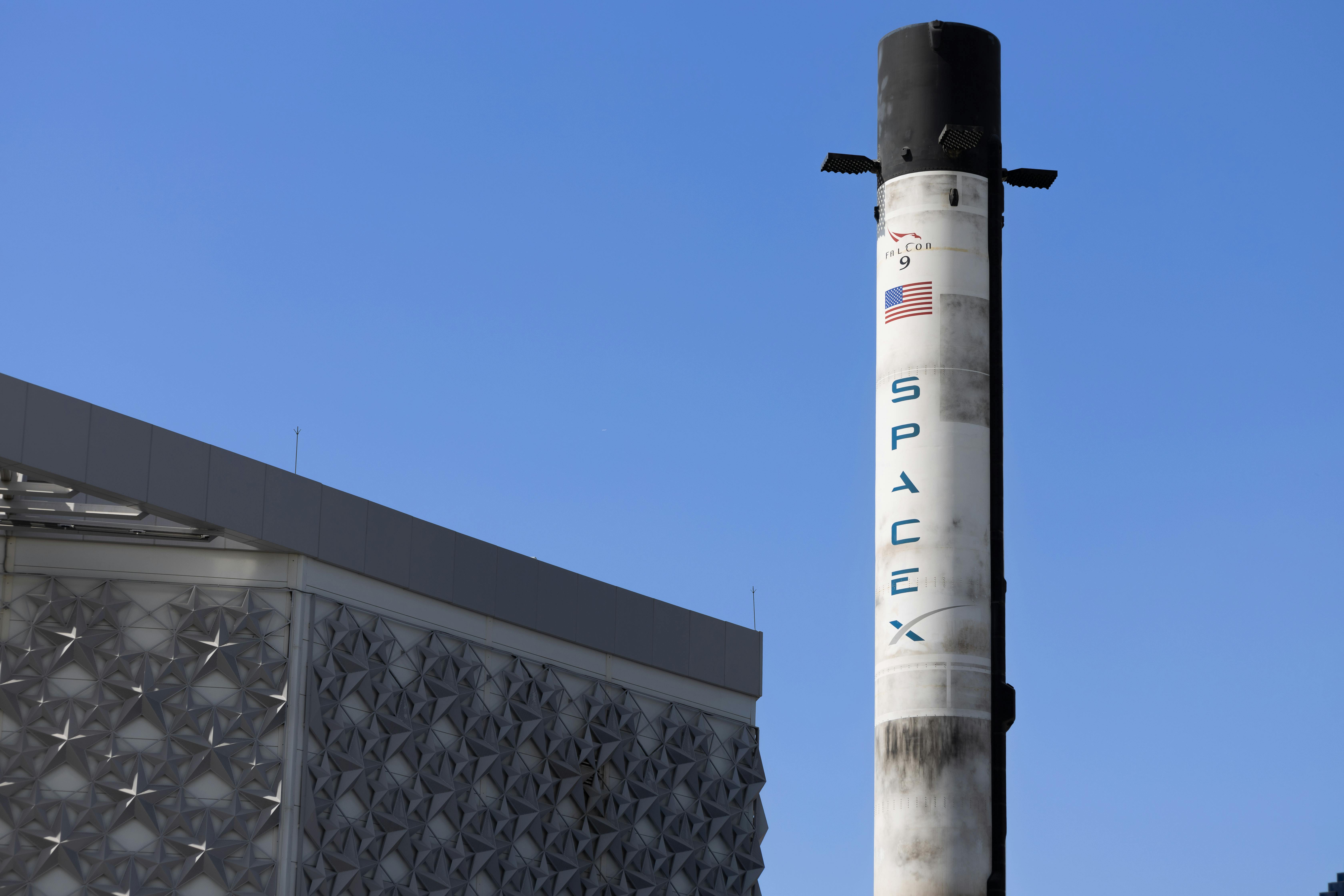
X Report 21 Aug 2025
Today's brief highlights the upcoming X-37B military spaceplane launch, ongoing partnerships to protect radio astronomy, and West Virginia's minimal allocation of broadband subsidies to satellite providers like SpaceX.


Launch Date
December 17, 2011
Launch Site
FRGUI
Launch Pad
ELS
Launch Vehicle
Soyuz-ST-A
NORAD ID
38012
International Designator
2011-076F
Epoch
Sat, 04 Jul 2026 06:45:48 GMT
Apogee
Calculating...
Perigee
Calculating...
Inclination
98.20°
Right Ascension
260.15°
Eccentricity
Calculating...
Argument of Perigee
86.88°
Period
98.73 min
Mean Motion
14.59 rev/day
Latitude
Calculating...
Longitude
Calculating...
Altitude
Calculating...
Velocity
Calculating...
Name
PLEIADES 1A
Alternative Name
Pleiades 1a
Type
Status
Owner
CNES/DGA
Country
France
Constellation
N/A
Related Satellites
Major Events
N/A
1 38012U 11076F 26185.28181256 .00000242 00000-0 61822-4 0 9995
2 38012 98.1973 260.1550 0001761 86.8811 4.3447 14.58541503774487
Source: Celestrak
Length
4
Diameter
2
Span
8
Dry Mass
895
Launch Mass
970
Shape
Hex Cyl + Cyl + 3 Pan
Radar Cross Section
5.3462
Visual Magnitude
Unknown
Color
Unknown
Material Composition
Unknown
Payload
Pleiades HR-1
Purpose
Earth observation
Mission
Earth observation
Manufacturer
ASTT
Life Expectancy
5 years
Bus
Astrosat-1000
Configuration
AstroSat-1000
Motor
4 x 15 Nms hydrazine thrusters
Equipment
HiRI
Power System
3 deployable solar arrays, batteries
ADCS
Unknown
Transmitter Frequency
Unknown
Learn more about satellites and other related topics.
Today's brief highlights the upcoming X-37B military spaceplane launch, ongoing partnerships to protect radio astronomy, and West Virginia's minimal allocation of broadband subsidies to satellite providers like SpaceX.

Space highlights include a debut launch of ZhuQue-2E, Firefly's lunar lander timeline, semiconductor funding for satellites, and ISS debris avoidance.
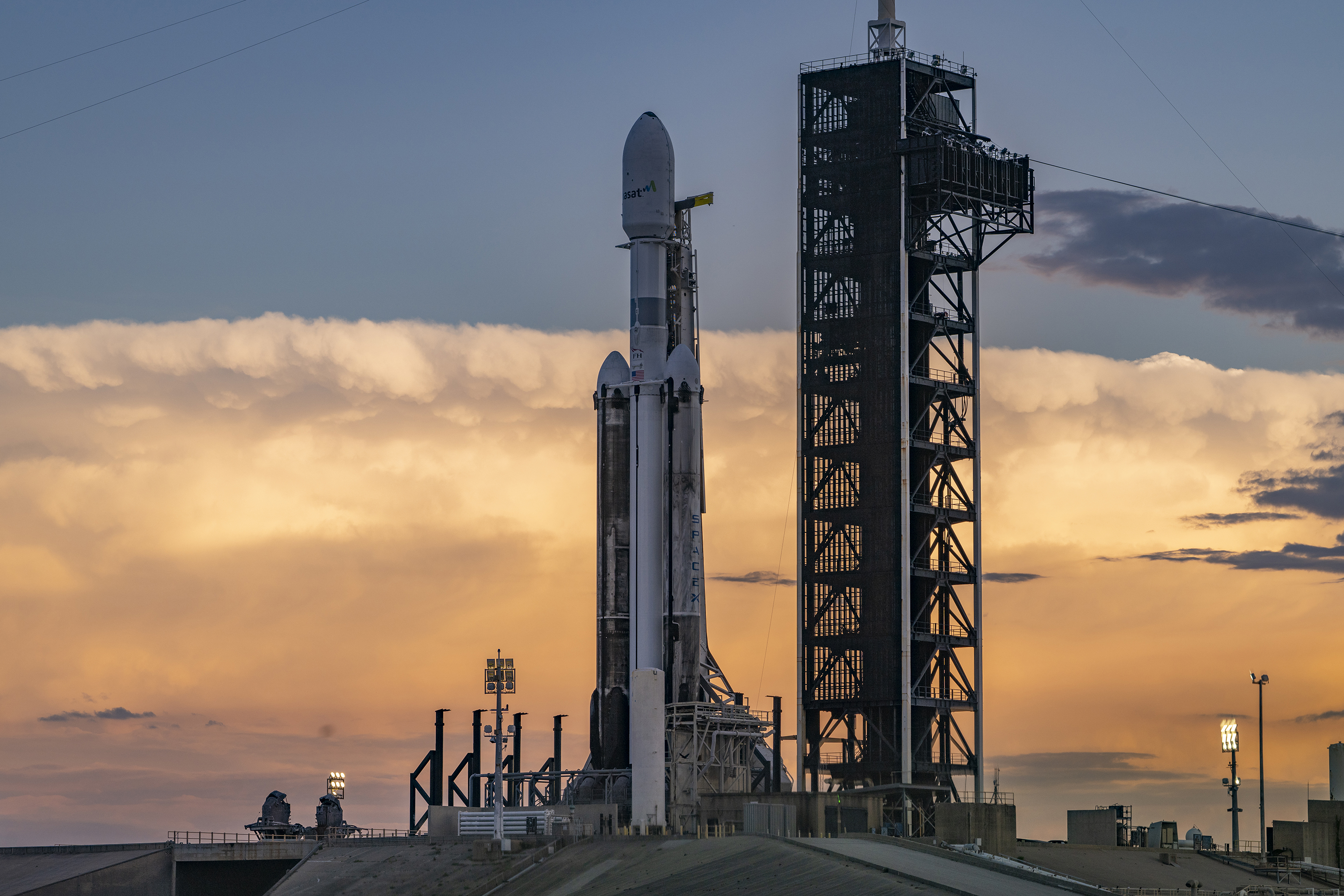
ULA's Atlas V deployed 29 Amazon Kuiper LEO satellites on April 27. Falcon Heavy returns this week with ViaSat-3 F3. Six orbital launches scheduled across three continents.
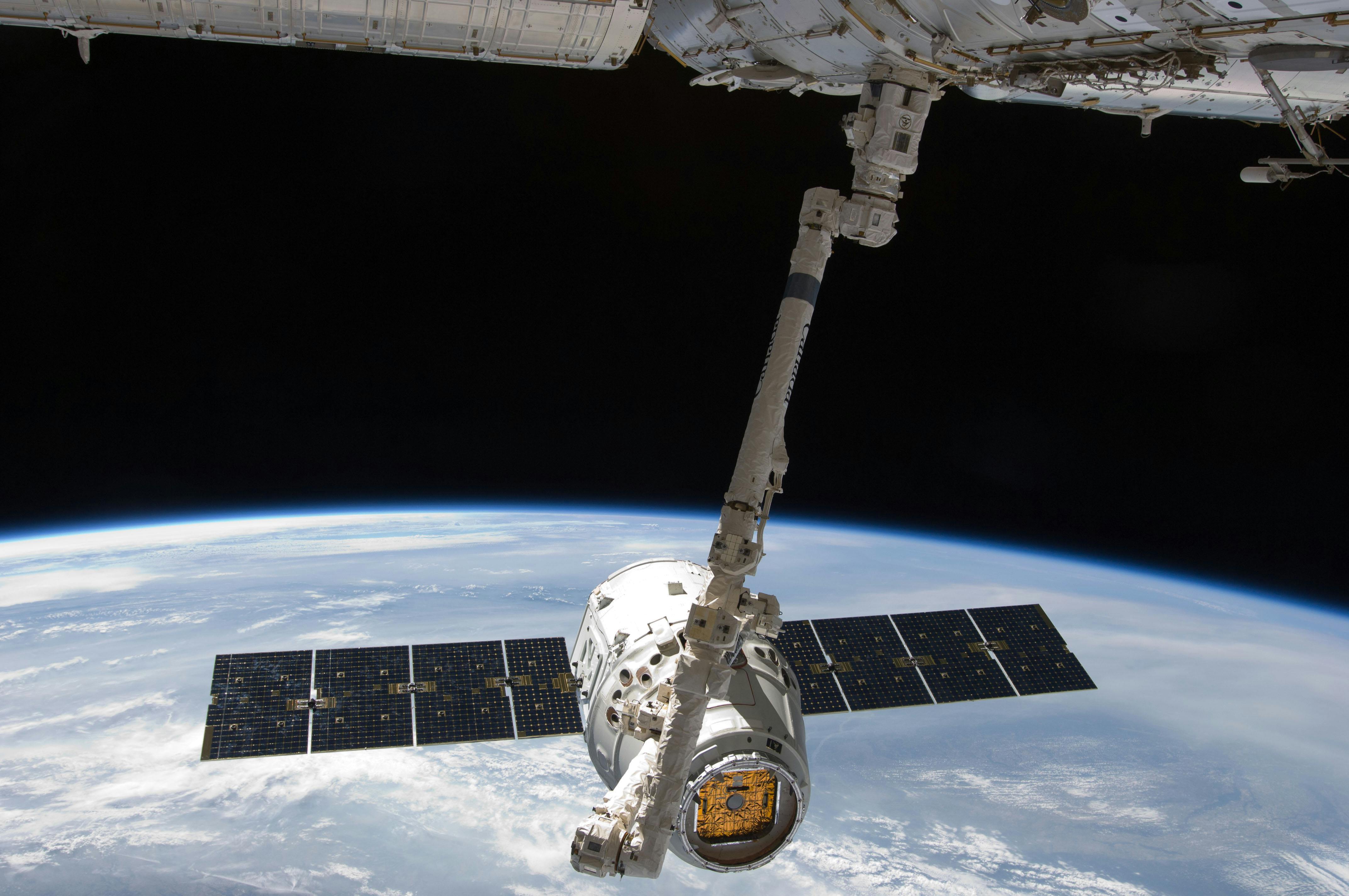
SpaceX shares jumped nearly 20% in its historic public debut, valuing the company partly on Starlink's AI infrastructure potential with 10,636 satellites working.

Record-breaking Chinese launches, SDA funding issues, and a new Starlink milestone highlight today's space news.
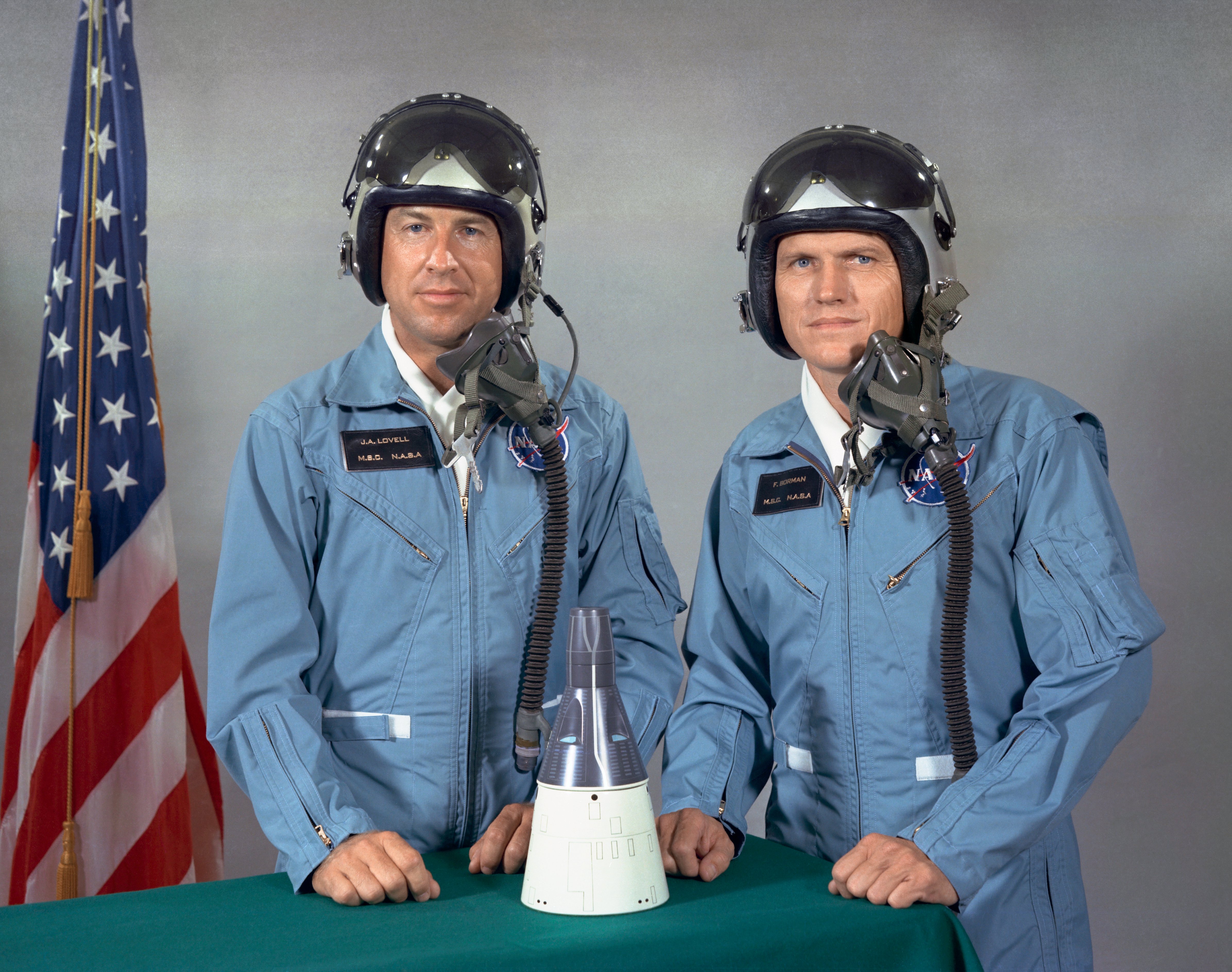
Sixty years ago, Frank Borman and James Lovell launched aboard Gemini 7 for a grueling 14-day mission that would prove humans could endure the journey to the moon and achieve the first true rendezvous in space

Space Force projects 25 additional high-energy missions in 2027–2029 window, straining capacity at Vulcan and Falcon Heavy. Capacity constraints will drive military-NASA prioritization debates.
Space Force allocated $26B in 2026 defense appropriations backing Golden Dome initiative. FY26 defense bill adds $8B but sidelines $28B munitions request. First Qatari-Emirati joint defense venture formed.