


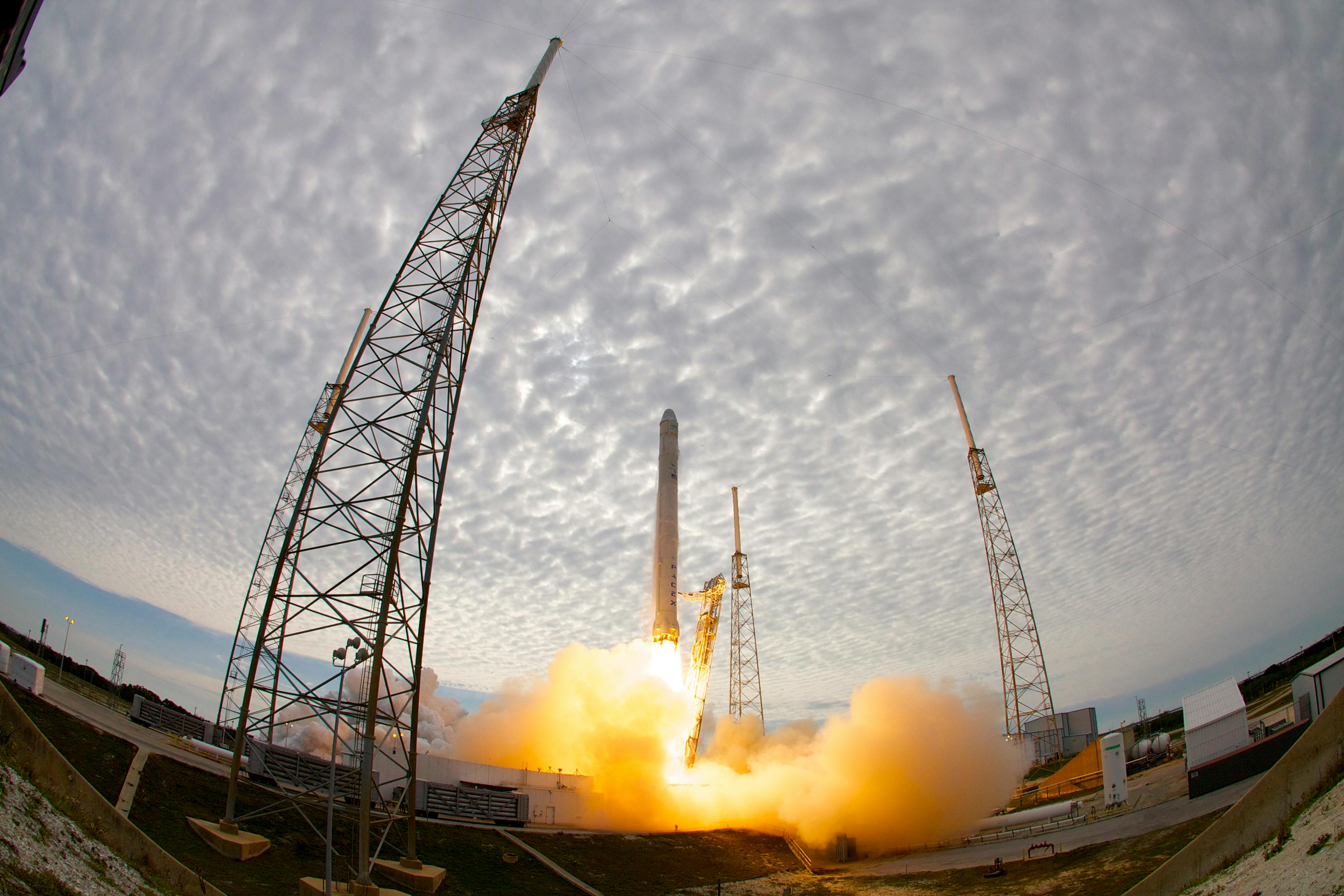
Starlink Crosses 10,000 Active Satellites, X Report 18 Mar 2026
Starlink satellite count 2026: SpaceX tops 10,000 active satellites, 10,037 working of 11,558 launched, under seven years after first launch.


![COSMOS 2477 [GLONASS-M] Satellite Image](/images/sat/37868.jpg)
Launch Date
November 4, 2011
Launch Site
Launch Pad
LC81/24
Launch Vehicle
Proton-M/Briz-M
NORAD ID
37868
International Designator
2011-064B
Epoch
Fri, 03 Jul 2026 09:37:38 GMT
Apogee
Calculating...
Perigee
Calculating...
Inclination
65.29°
Right Ascension
72.40°
Eccentricity
Calculating...
Argument of Perigee
238.20°
Period
675.73 min
Mean Motion
2.13 rev/day
Latitude
Calculating...
Longitude
Calculating...
Altitude
Calculating...
Velocity
Calculating...
Name
COSMOS 2477 [GLONASS-M]
Alternative Name
Kosmos-2476
Type
Status
Owner
KVR/IACG
Country
Russia
Constellation
N/A
Related Satellites
Major Events
N/A
1 37868U 11064B 26184.40113999 -.00000008 00000-0 00000-0 0 9990
2 37868 65.2853 72.4036 0019486 238.2011 305.5847 2.13103279114107
Source: Celestrak
Length
4
Diameter
1.5
Span
7.8
Dry Mass
1200
Launch Mass
1450
Shape
Cyl + Ant + 2 Pan
Radar Cross Section
5.566
Visual Magnitude
Unknown
Color
Unknown
Material Composition
Unknown
Payload
Uragan-M No. 44L
Purpose
Navigation
Mission
Navigation
Manufacturer
RESH
Life Expectancy
7 years
Bus
Uragan
Configuration
3-Axis stabilized Uragan-M bus
Motor
?
Equipment
?
Power System
2 deployable solar arrays, batteries
ADCS
Unknown
Transmitter Frequency
Unknown
Learn more about satellites and other related topics.
Starlink satellite count 2026: SpaceX tops 10,000 active satellites, 10,037 working of 11,558 launched, under seven years after first launch.
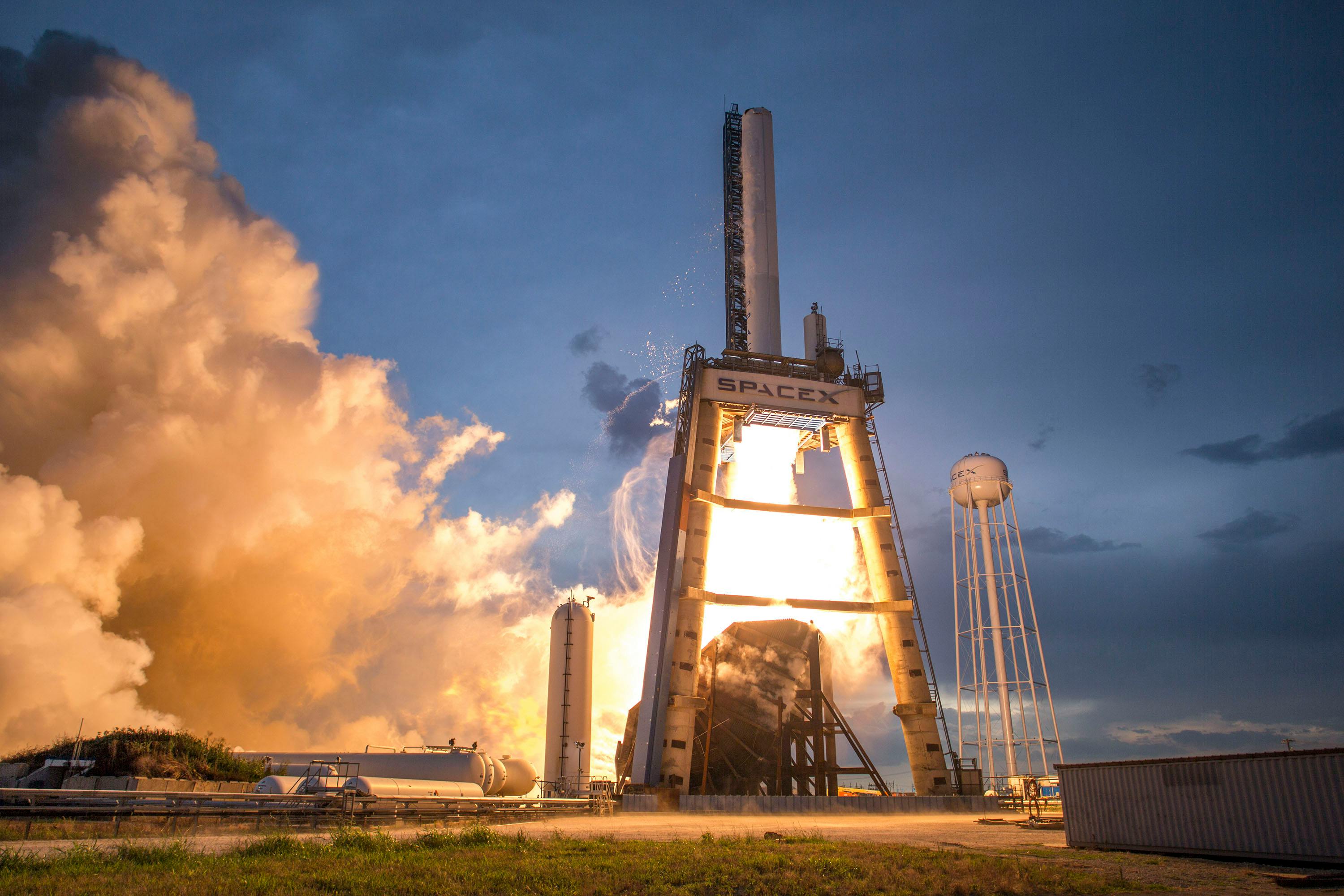
SpaceX successfully launched the latest GPS satellite for the U.S. military, while the FAA has initiated a mishap investigation on a recent Starship test flight. CEO Elon Musk provided updates on the future of the Starship program, indicating ambitious plans ahead.
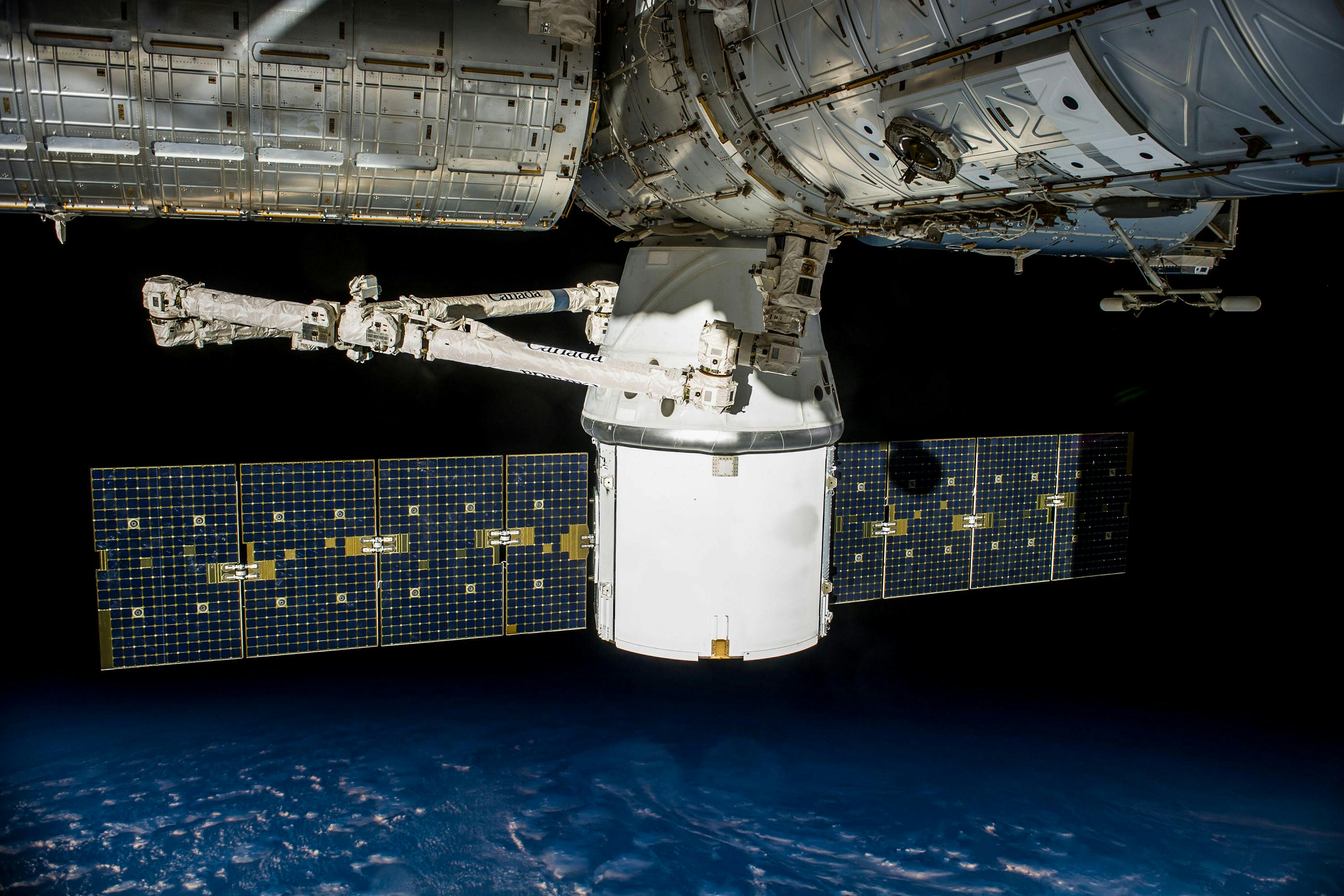
SpaceX makes significant strides with Starship Flight Test 10 approved and updates on the new Starbase pad design.
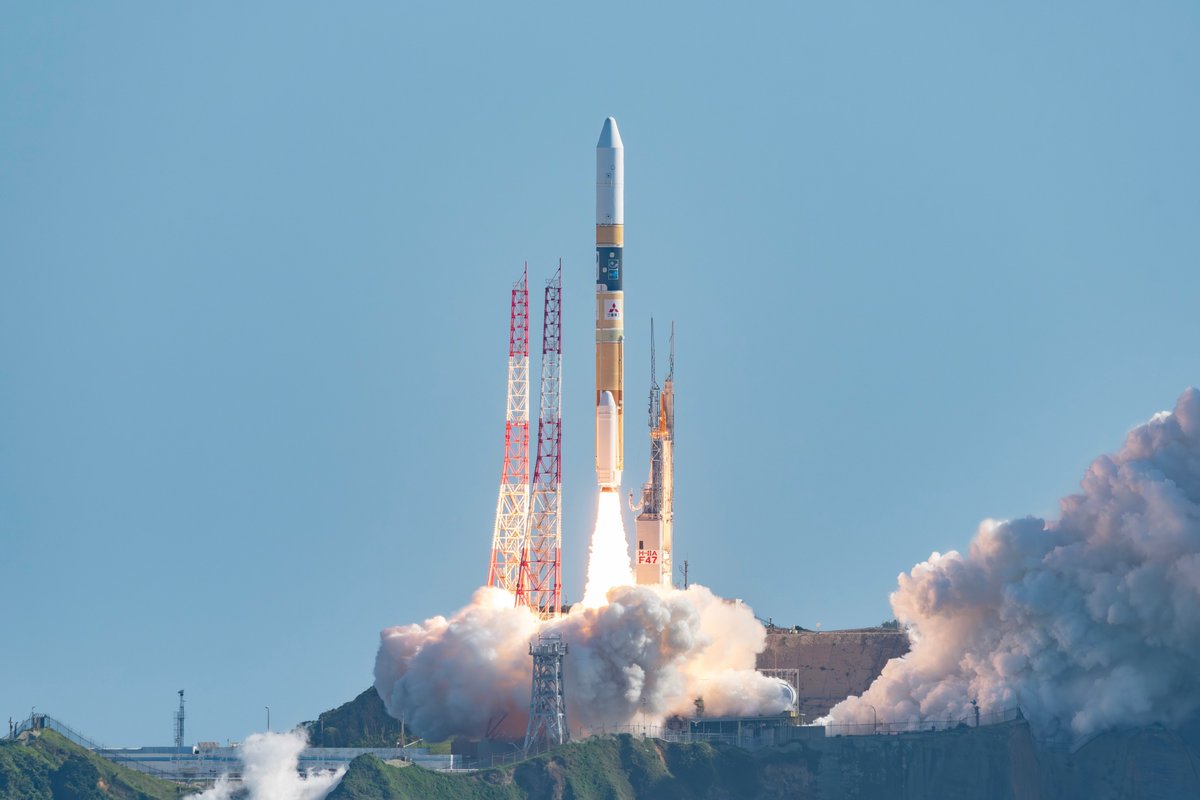
Significant advancements and launches in space: NASA's hypersonic sensor breakthrough, ChinaSat-9C's launch, and SpaceX's resilient Falcon 9 operations.
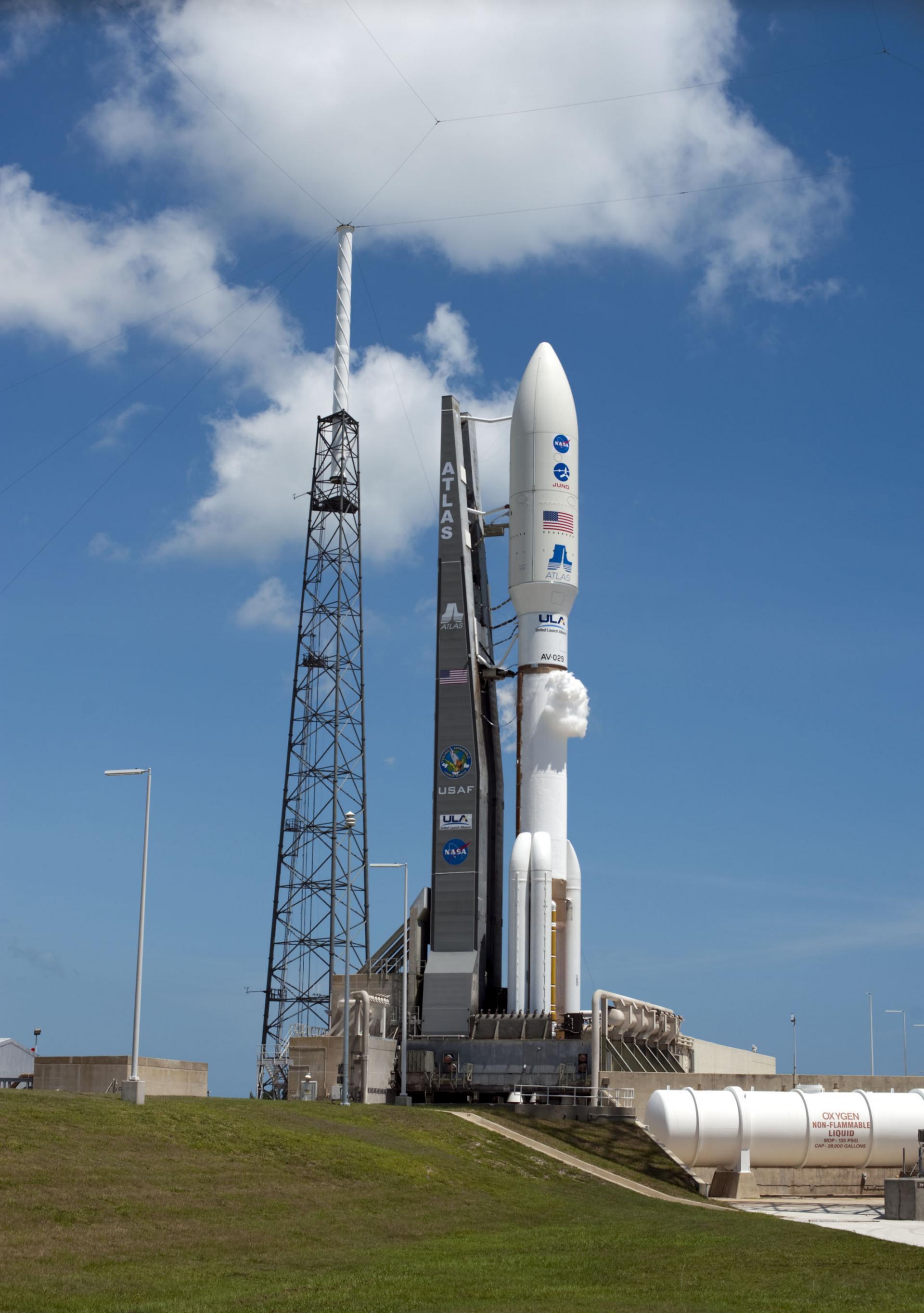
Today's brief covers the redeployment of decommissioned missile technologies to orbital duties, Germany's plans for a sovereign communications network, and fresh developments in hypersonic testing through Rocket Lab.

Today's brief covers China's record-breaking launch year, SpaceX's continued Starlink deployments, Blue Origin's launch challenges, and innovations in satellite maneuverability.
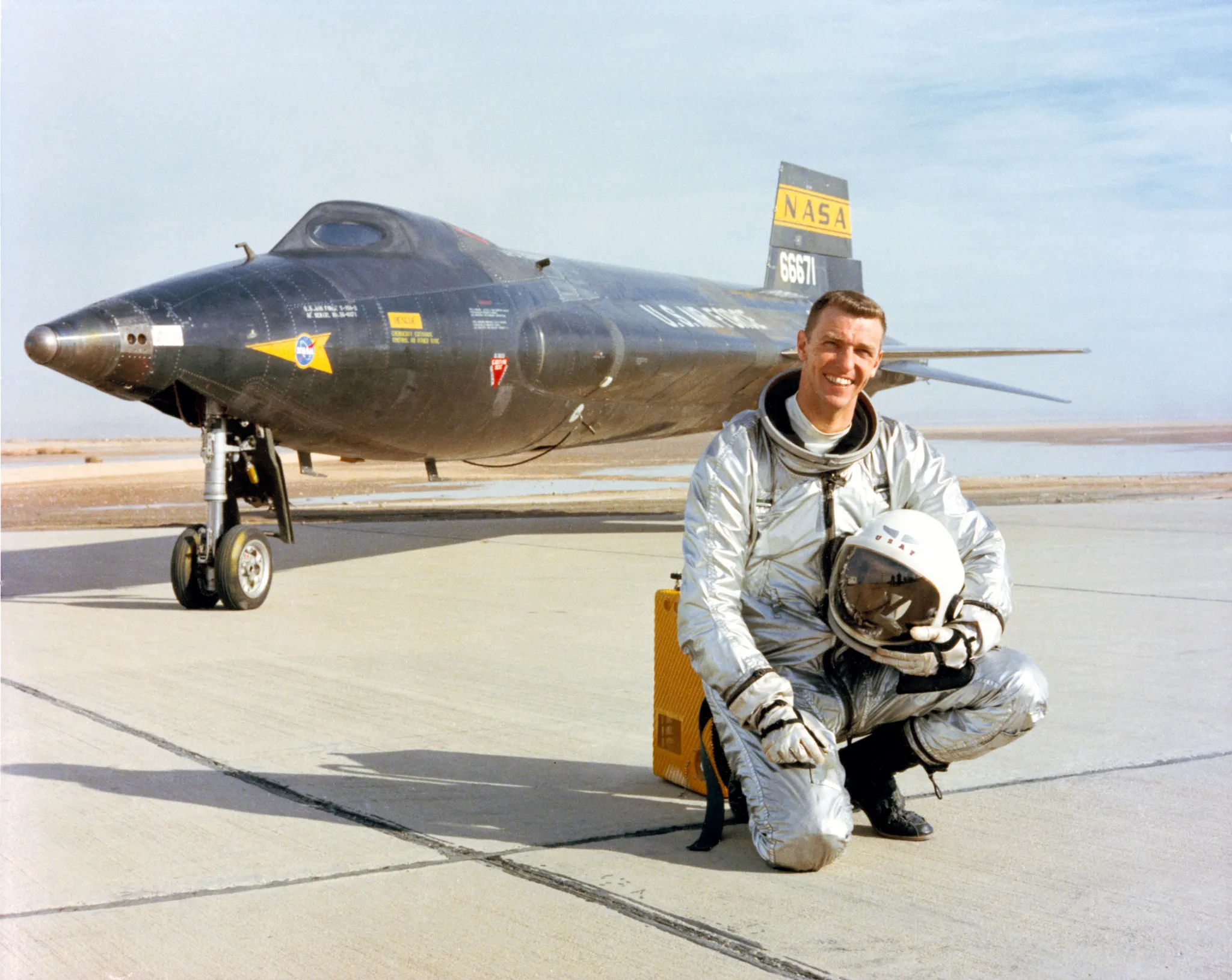
On 29 June 1965, a young Air Force test pilot rode a rocket-powered airplane to 280,600 feet above the California desert. He landed ten minutes later as the youngest person ever to earn astronaut wings.
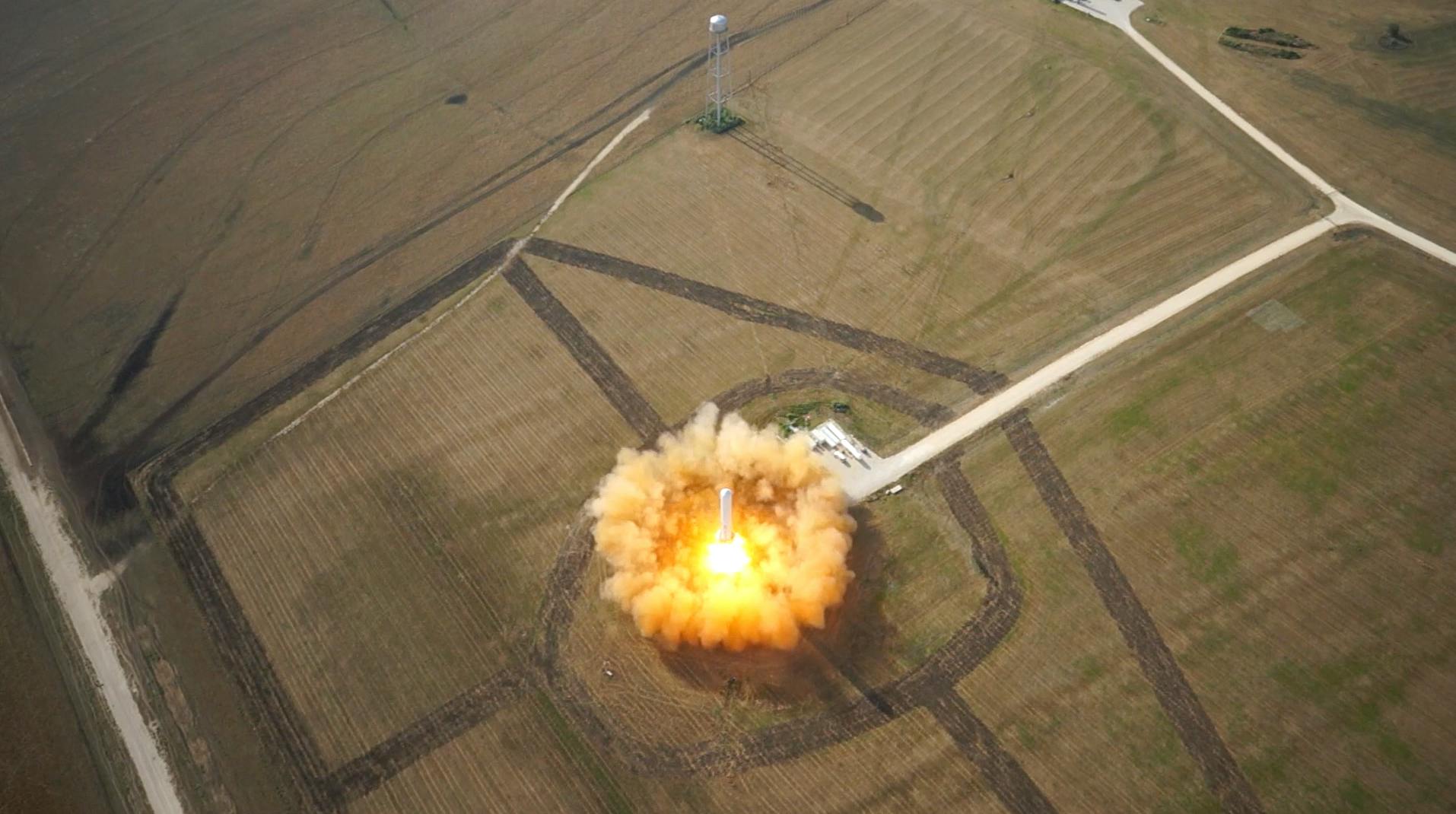
SpaceX prepares for its 10th Starship test flight, set for August 24, as the FAA grants approval following earlier setbacks.