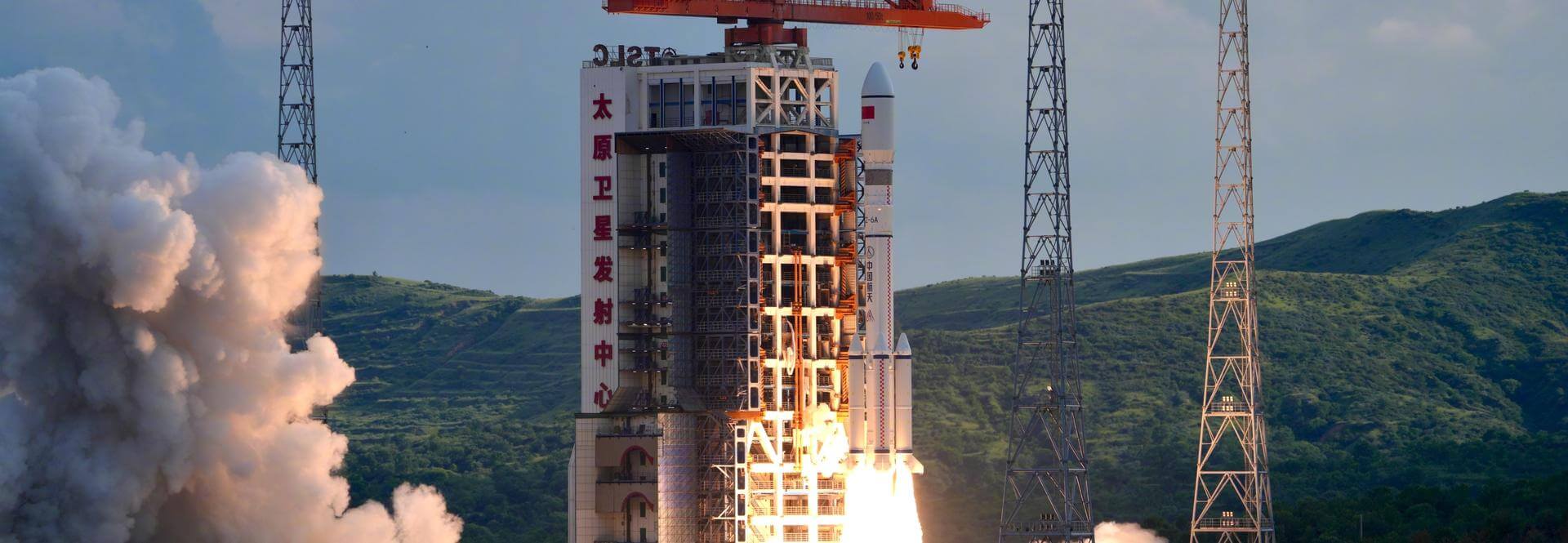
SL-3 R/B (03778)

COSPAR: 1969-022B | Alt Name: Voskhod (N86) Blok-I
DECAYED

Image
SL-3 R/B Satellite Image
Additional Sources
Launch Details

Launch Date

March 6, 1969

Launch Site

PLMSC

Launch Pad

LC41/1

Launch Vehicle

Voskhod 11A57

Orbital Elements

NORAD ID

03778

International Designator

1969-022B

Decay Date

3/13/1969

Basic Satellite Info

Name

SL-3 R/B

Alternative Name

Voskhod (N86) Blok-I

Type

Rocket Body

Status

Space Junk

Owner

RVSN

Country

USSR

Constellation

N/A

Related Satellites

Major Events

N/A

Summary
A rocket body, also commonly referred to as an upper stage or spent rocket stage, is the structural shell left behind after a rocket has delivered its payload to orbit. These large and often heavy pieces of space hardware can remain in orbit for years, posing significant collision hazards as part of the growing space debris problem. If left uncontrolled, rocket bodies have the potential to reenter Earth's atmosphere unpredictably, which can lead to falling debris in populated areas. Additionally, they risk colliding with operational satellites or the International Space Station, creating more debris and putting human life at risk.
Physical Characteristics

Length

9.4

Diameter

2.7

Span

9.4

Dry Mass

3000

Launch Mass

3000

Shape

Cyl

Radar Cross Section

Unknown

Visual Magnitude

Unknown

Color

Unknown

Material Composition

Unknown

Technical Details

Payload

11A57I

Purpose

Unknown

Mission

Unknown

Manufacturer

PROG

Life Expectancy

Unknown

Bus

Blok-I

Configuration

Unknown

Motor

Unknown

Equipment

Unknown

Power System

Unknown

ADCS

Unknown

Transmitter Frequency

Unknown

Satellite Articles

View All Posts »

Learn more about satellites and other related topics.

Pentagon Pauses LEO Constellation as Acquisition Reviews Continue | KeepTrack Space Brief

Pentagon Pauses LEO Constellation as Acquisition Reviews Continue | KeepTrack Space Brief

Pentagon puts LEO constellation layers on hold during acquisition review. SpaceX and xAI join $100M autonomous drone contest. China's Zenk Space completes first stage static fire.

Vulcan Set to Open 2026 With USSF-87 National Security Launch | KeepTrack Space Brief

Vulcan Set to Open 2026 With USSF-87 National Security Launch | KeepTrack Space Brief

ULA's Vulcan rocket preps for USSF-87 national security launch to open 2026. Sierra Space delivers SDA Tranche 2 satellites three months early. NASA delays spacewalk for Crew-11 medical issue.

Space Brief 29 Dec 2025

Space Brief 29 Dec 2025

Today's highlights include Japan's new military satellite imagery initiative, NASA's SPHEREx map, and AST BlueBird 6's groundbreaking cellular array in low Earth orbit.

X Report 5 Mar 2025

X Report 5 Mar 2025

SpaceX's busy launch schedule faces scrubs, while industry leaders call for infrastructure upgrades, highlighting challenges in the bustling space sector.

Sally Ride and the Twenty Years It Took America to Catch Up

Sally Ride and the Twenty Years It Took America to Catch Up

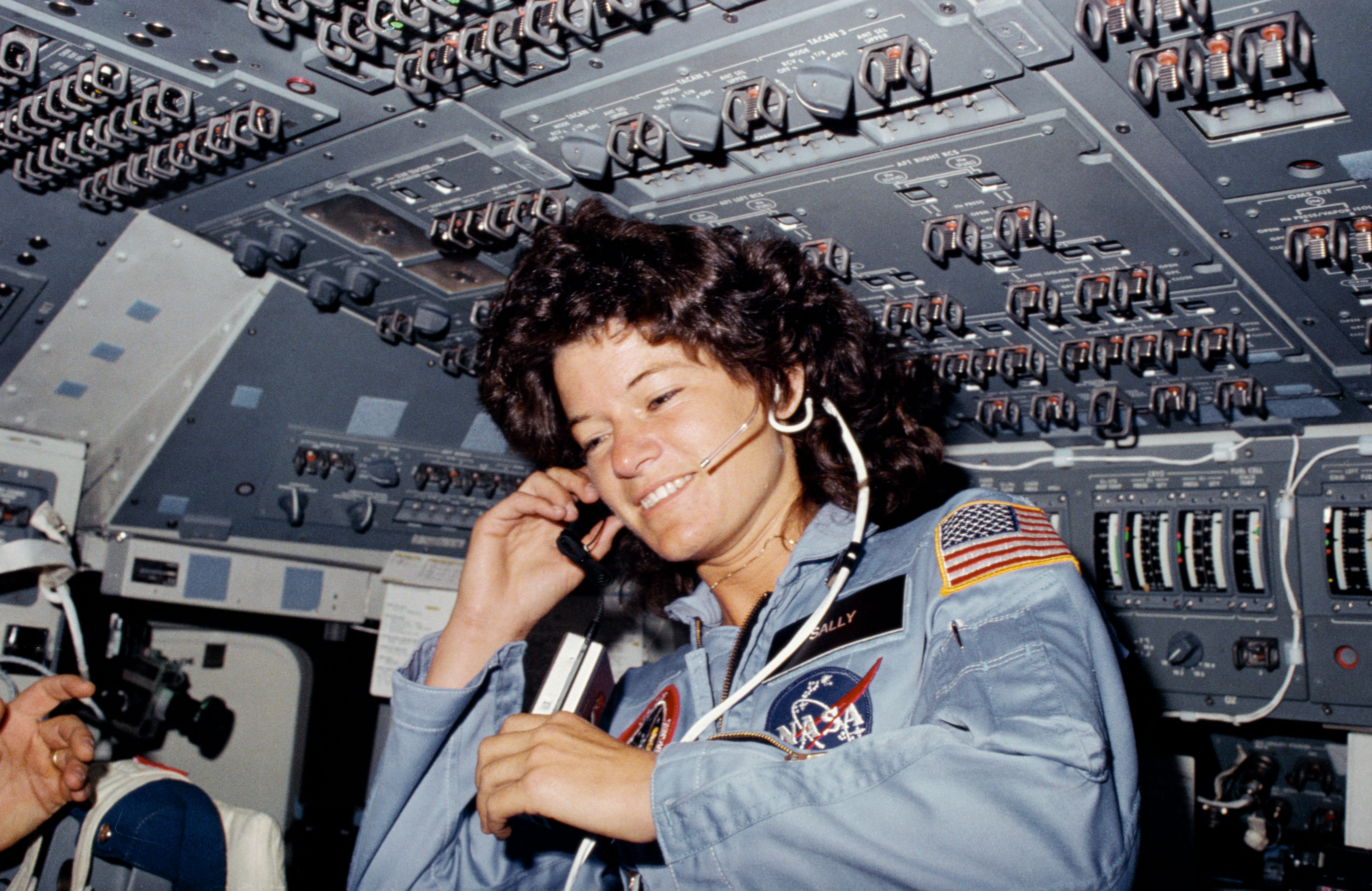
At 7:33 on the morning of 18 June 1983, a 32-year-old astrophysicist named Sally Ride rode Challenger off Pad 39A and became the first American woman in space. She got there two decades after the Soviets, and only after months of being asked whether spaceflight would damage her reproductive organs and whether she planned to cry.

Artemis 2 Crew Reaches Moon, NASA Cuts Budget 25% | KeepTrack Space Brief

Artemis 2 Crew Reaches Moon, NASA Cuts Budget 25% | KeepTrack Space Brief

Artemis 2's four astronauts entered lunar sphere of influence April 6, first crewed arrival since Apollo 17. NASA simultaneously proposed 25% budget cut for FY2027.

Blue Origin's New Glenn Gantry Damaged; SpaceX Wins $4.16B Space Force Contract | KeepTrack Space Brief

Blue Origin's New Glenn Gantry Damaged; SpaceX Wins $4.16B Space Force Contract | KeepTrack Space Brief

Blue Origin's LC-36 gantry damaged in blast; CEO targets end-2026 return. SpaceX awarded $4.16B Space Force contract for airborne threat tracking satellites.

The Day Two Astronauts Proved We Could Reach the Moon

The Day Two Astronauts Proved We Could Reach the Moon

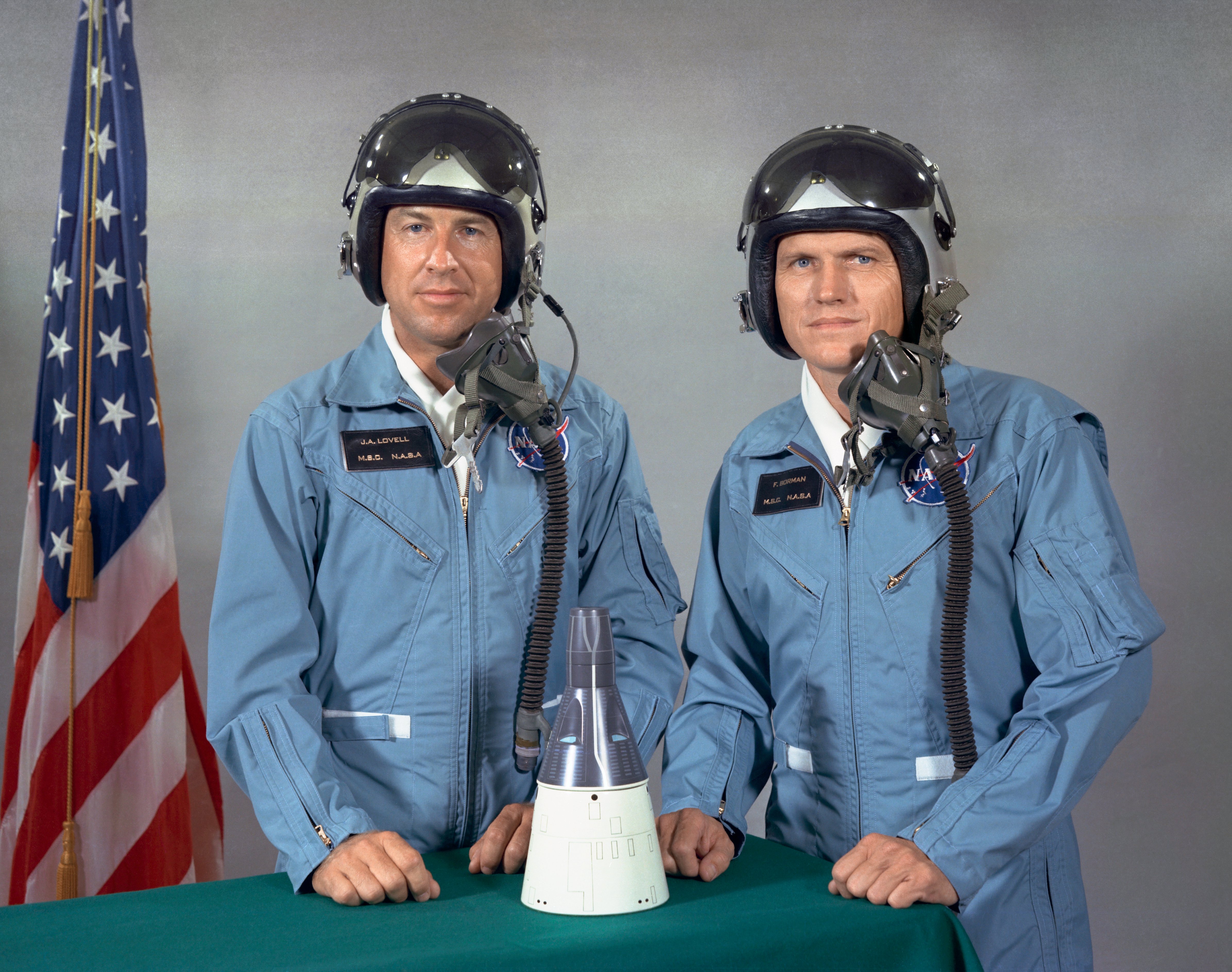
Sixty years ago, Frank Borman and James Lovell launched aboard Gemini 7 for a grueling 14-day mission that would prove humans could endure the journey to the moon and achieve the first true rendezvous in space