

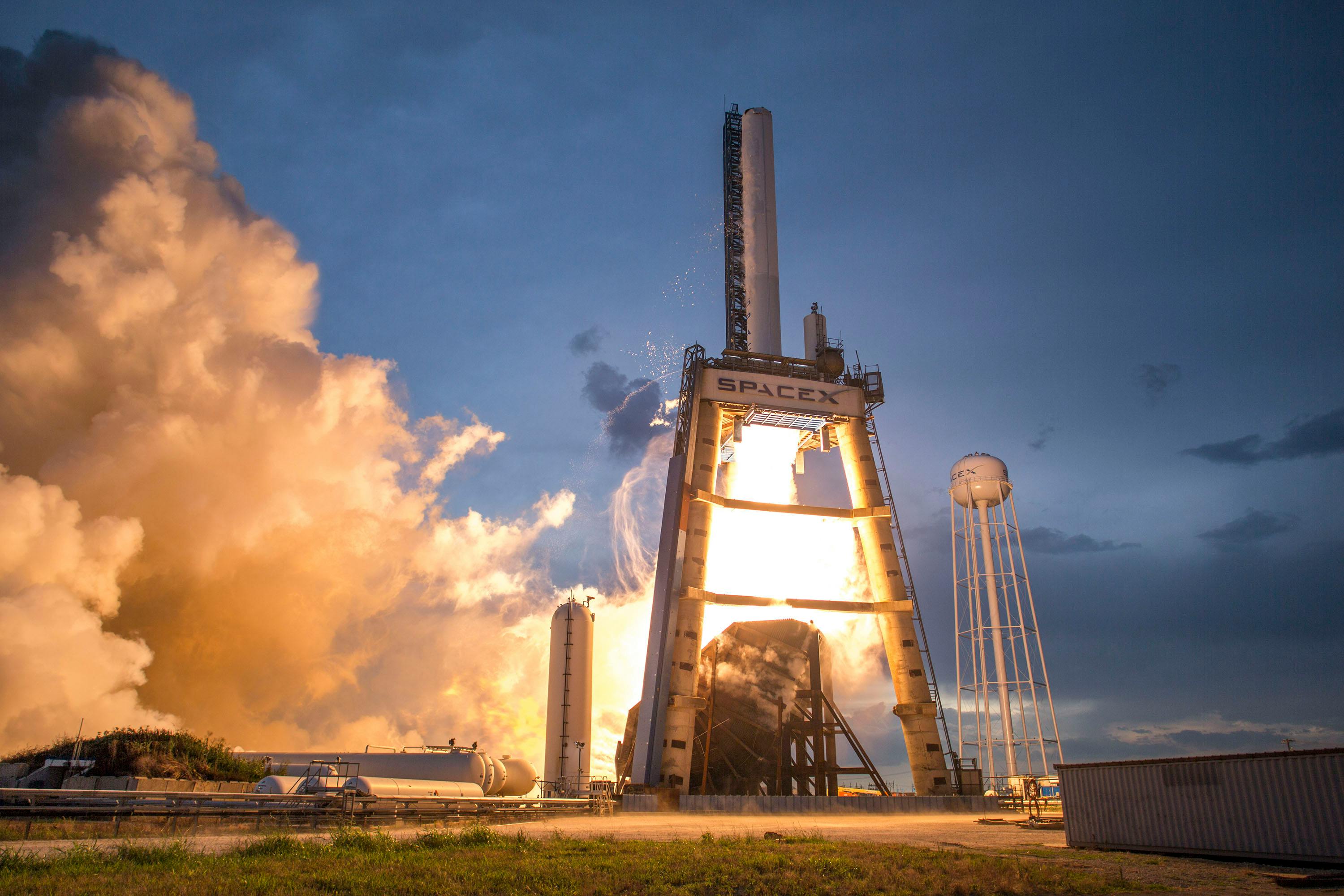
Transporter-16 Lofts 119 Payloads to SSO | KeepTrack X Report
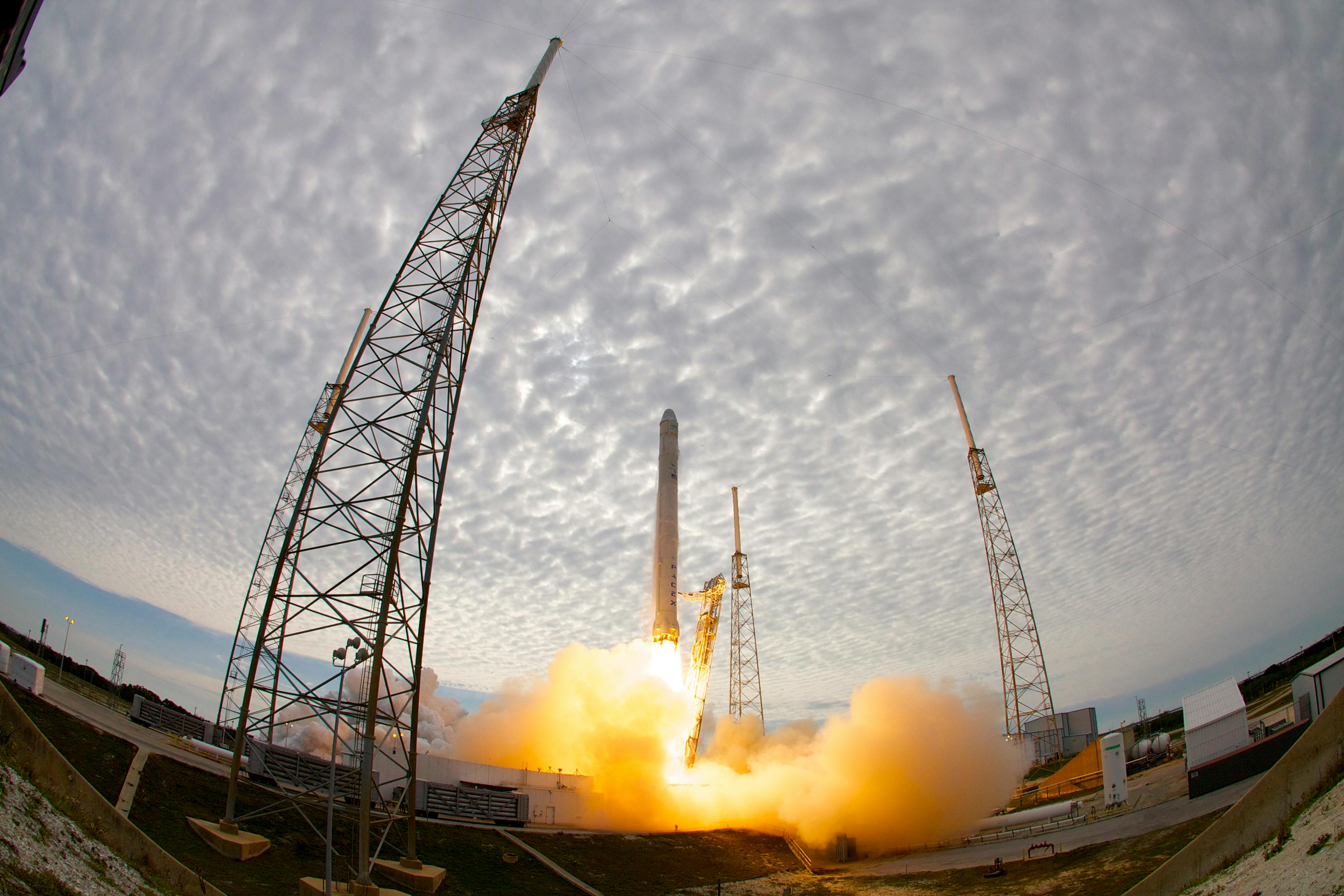
SpaceX's Falcon 9 launches 119 payloads on Transporter-16, the 21st smallsat rideshare mission, from Vandenberg SFB at 1102 UTC.


Launch Date
March 3, 1969
Launch Site
Launch Pad
Unknown
Launch Vehicle
Unknown
NORAD ID
03770
International Designator
N/A
Decay Date
Unknown
Name
SATURN 5 R/B
Alternative Name
Saturn S-IVB-504N
Type
Status
Owner
MSFC
Country
United States
Constellation
N/A
Related Satellites
Major Events
N/A
Length
20.8
Diameter
6.6
Span
20.8
Dry Mass
11296
Launch Mass
88362
Shape
Cyl
Radar Cross Section
Unknown
Visual Magnitude
Unknown
Color
Unknown
Material Composition
Unknown
Payload
Saturn S-IVB-504N
Purpose
Unknown
Mission
Unknown
Manufacturer
MDAC
Life Expectancy
Unknown
Bus
S-IVB
Configuration
Unknown
Motor
Unknown
Equipment
Unknown
Power System
Unknown
ADCS
Unknown
Transmitter Frequency
Unknown
Learn more about satellites and other related topics.
SpaceX's Falcon 9 launches 119 payloads on Transporter-16, the 21st smallsat rideshare mission, from Vandenberg SFB at 1102 UTC.
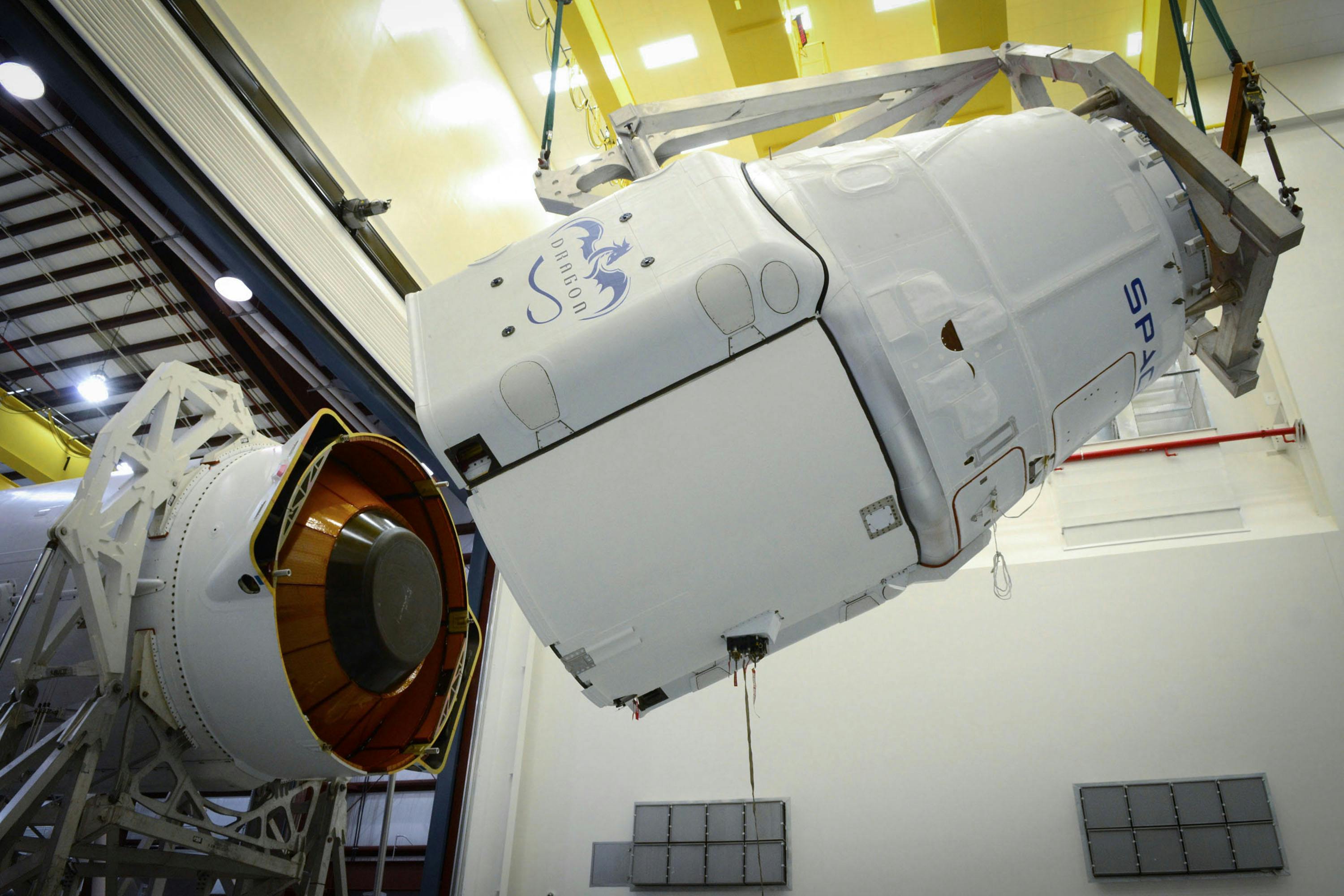
ESA is purchasing a dedicated SpaceX Crew Dragon flight to send 4 European astronauts to the ISS ahead of the station's planned retirement.
Today's highlights include General Dynamics' contract extension with SDA, ABL Space Systems layoffs, NASA's Crew-9 mission adjustments, and Galactic Energy's successful satellite launch.
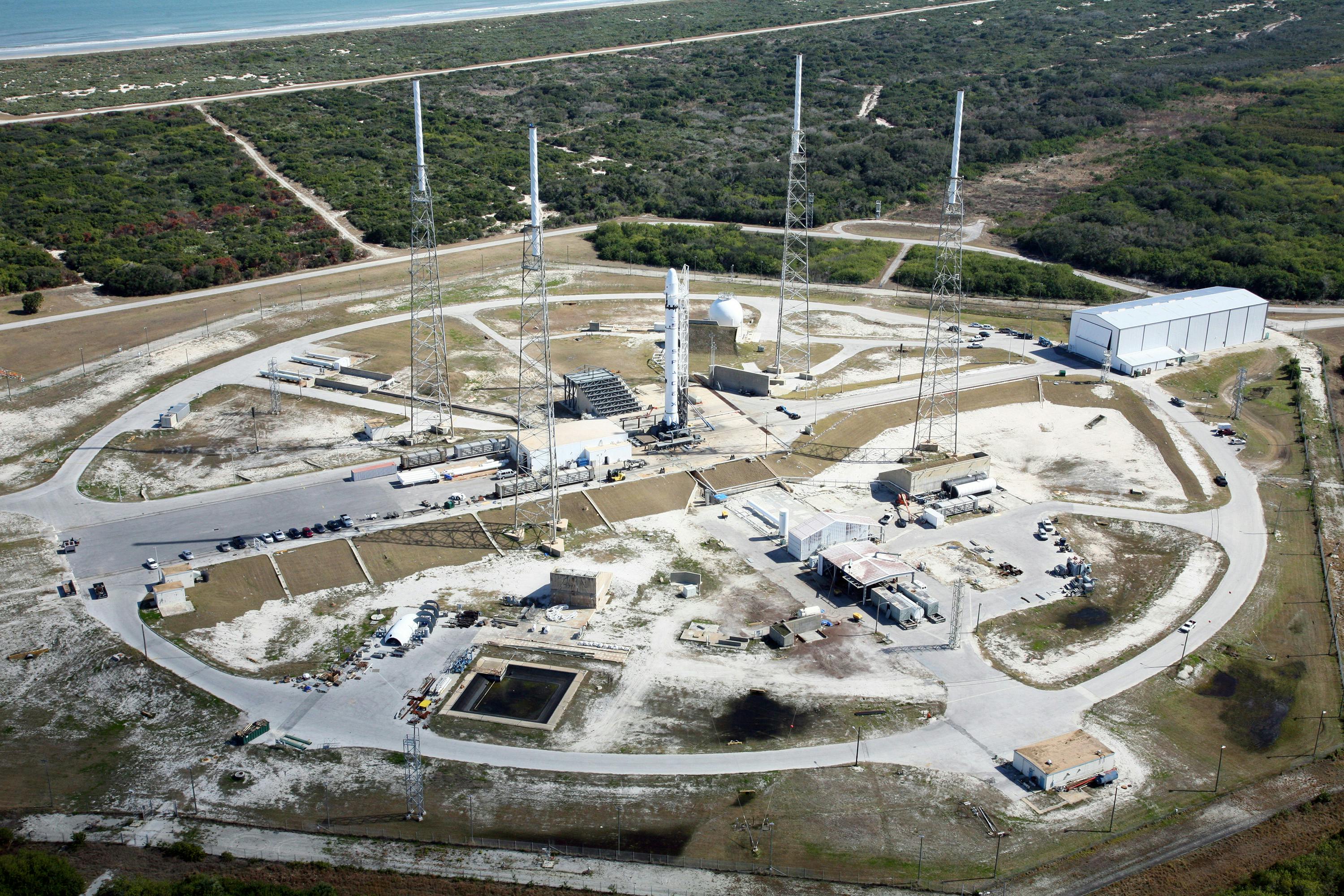
SpaceX makes strides with Starship testing while Starlink faces mounting competition as Viasat eyes Telesat's LEO capacity.

Today's key space events include a milestone Falcon booster landing, advances in US military satellite operations, and a new missile defense initiative.
Starlink satellite count 2026: SpaceX tops 10,000 active satellites, 10,037 working of 11,558 launched, under seven years after first launch.

Today's brief covers the Army's move to create a space career field for enlisted soldiers, Terran Orbital's involvement in a Space Force tech program, advancements in missile warning systems, a first flight test by Inversion Space, and more.

ESA's Proba-3 spacecraft lost contact last month, grounding the dual-satellite solar eclipse mission. Formation flying between both craft is critical for coronagraph science.