


Space Brief 5 Apr 2025
Today's brief covers the new Space Force operations doctrine, international defense collaborations by the UAE, and satellite tracking technology innovations.


Launch Date
May 10, 1999
Launch Site
TAISC
Launch Pad
LC7
Launch Vehicle
Chang Zheng 4B
NORAD ID
37687
International Designator
1999-025ELC
Epoch
Wed, 01 Jul 2026 19:41:32 GMT
Apogee
Calculating...
Perigee
Calculating...
Inclination
98.19°
Right Ascension
198.47°
Eccentricity
Calculating...
Argument of Perigee
162.36°
Period
103.80 min
Mean Motion
13.87 rev/day
Latitude
Calculating...
Longitude
Calculating...
Altitude
Calculating...
Velocity
Calculating...
Name
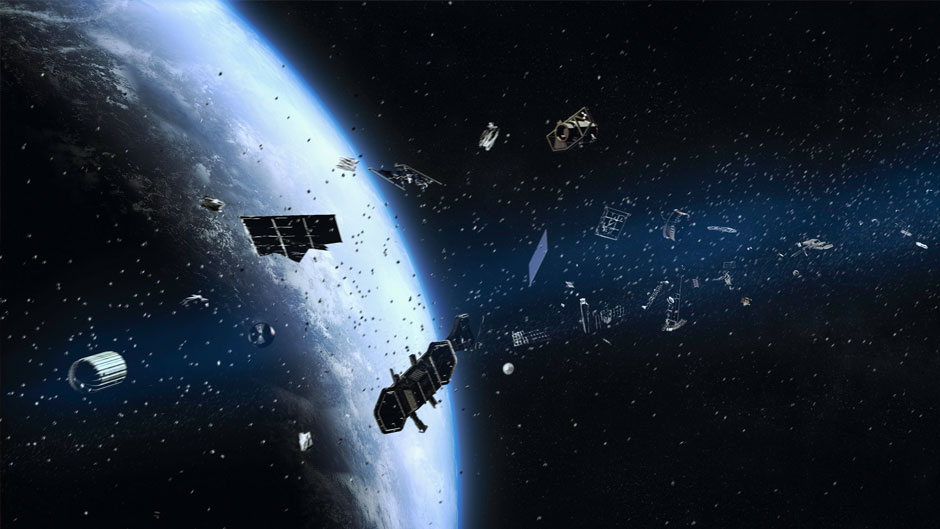
FENGYUN 1C DEB
Alternative Name
deb FY-1C
Type
Status
Owner
CASC
Country
China
Constellation
N/A
Related Satellites
Major Events
N/A
1 37687U 99025ELC 26182.82051819 .00005233 00000-0 28866-2 0 9994
2 37687 98.1853 198.4668 0332429 162.3620 13.9327 13.87335171860404
Source: Celestrak
Length
0
Diameter
0
Span
0
Dry Mass
0
Launch Mass
0
Shape
N/A
Radar Cross Section
0.0106
Visual Magnitude
Unknown
Color
Unknown
Material Composition
Unknown
Payload
Unknown
Purpose
Unknown
Mission
Unknown
Manufacturer
Unknown
Life Expectancy
Unknown
Bus
Unknown
Configuration
Unknown
Motor
Unknown
Equipment
Unknown
Power System
Unknown
ADCS
Unknown
Transmitter Frequency
Unknown
Learn more about satellites and other related topics.
Today's brief covers the new Space Force operations doctrine, international defense collaborations by the UAE, and satellite tracking technology innovations.

SpaceX concludes a wet dress rehearsal for Starship Flight 7, aiming for the largest rocket launch on January 15 after weather delays.

Jonathan's Space Report is a comprehensive resource for space launch and satellite data, compiled by astrophysicist Dr. Jonathan McDowell.
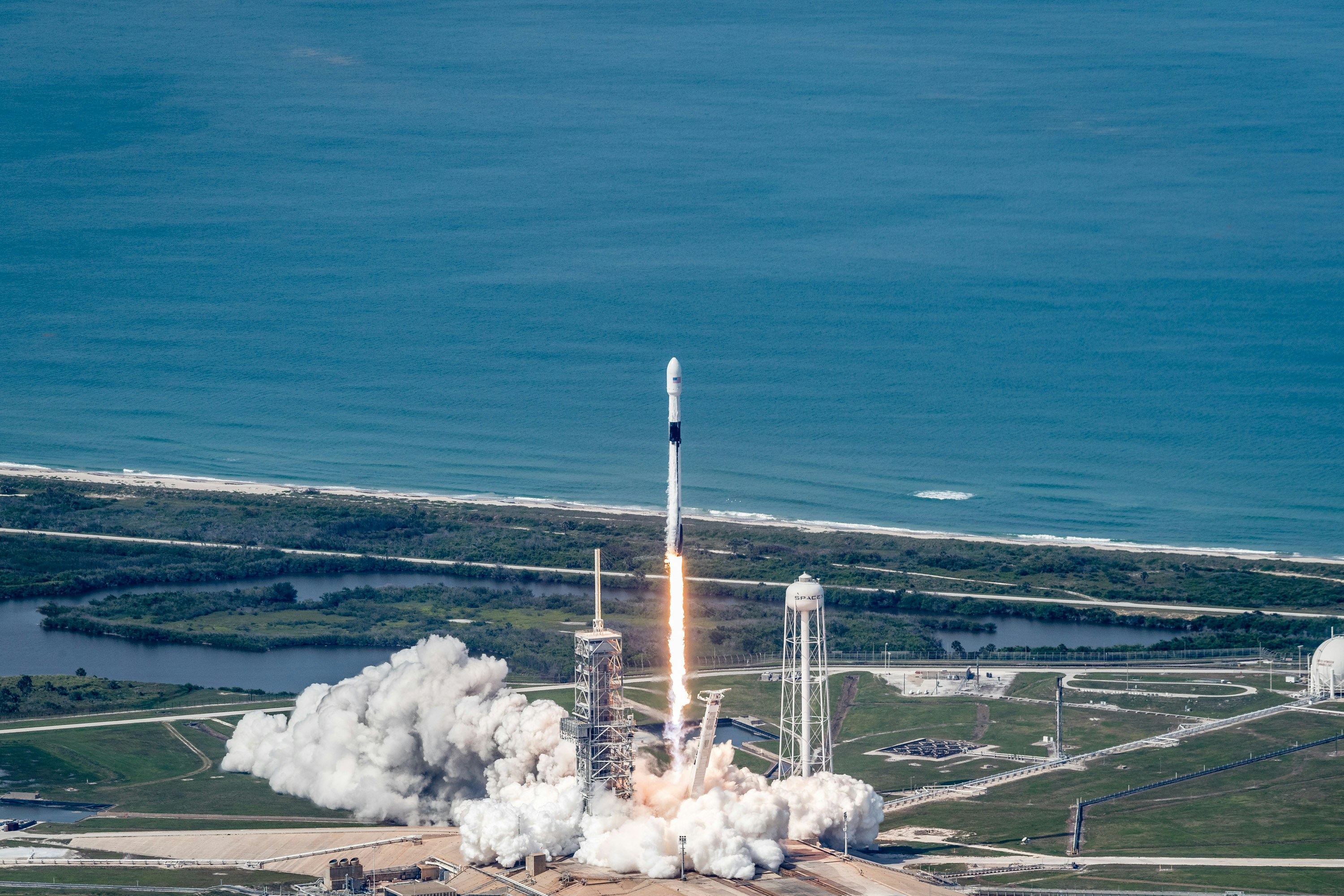
Today's key development highlights SpaceX's upcoming launch of 29 Starlink satellites from Cape Canaveral, marking the start of an active month for the satellite constellation.

Latest updates include China's Lijian-1 launching 15 satellites, a fiery Starlink reentry, SpaceX's milestone Falcon 9 booster landing, and China's support for its commercial space sector.
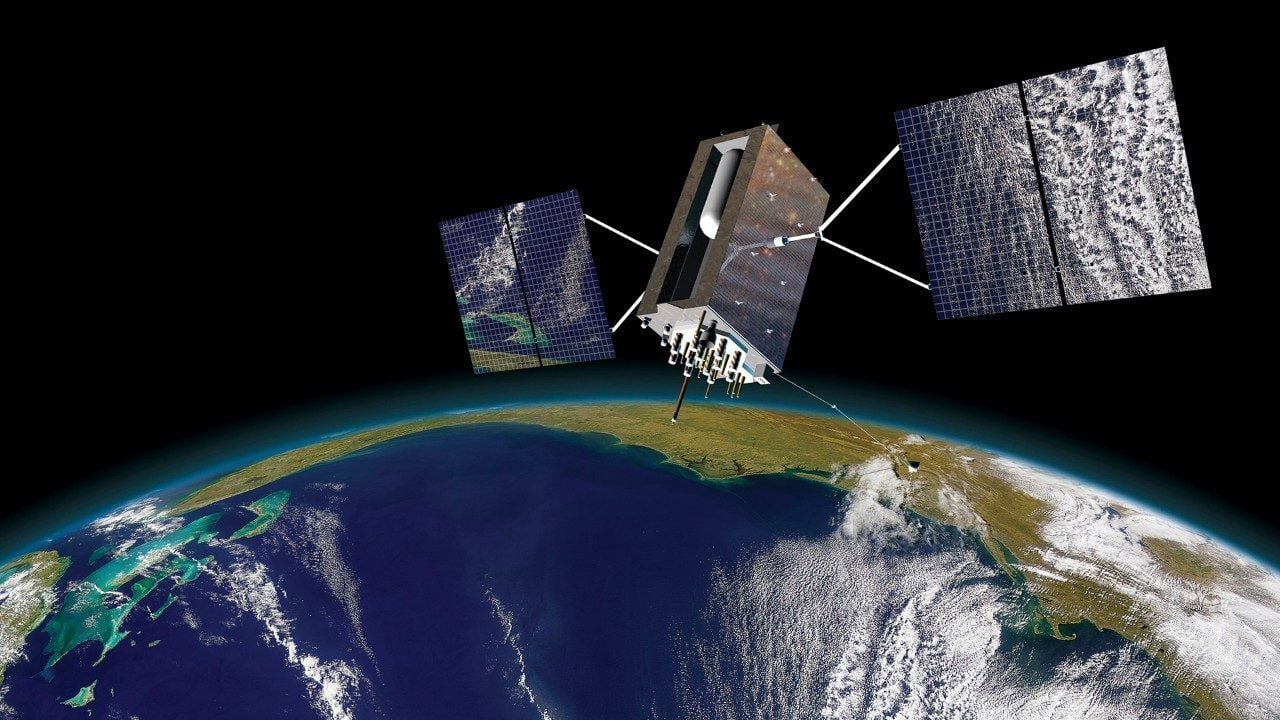
On April 17, 2026, the U.S. Space Force officially cancelled the Next Generation Operational Control System after sixteen years of development, cost overruns, and testing failures. The $8 billion program was supposed to unlock the military's encrypted GPS signal. Instead, the satellites are flying with capabilities the ground can't command.
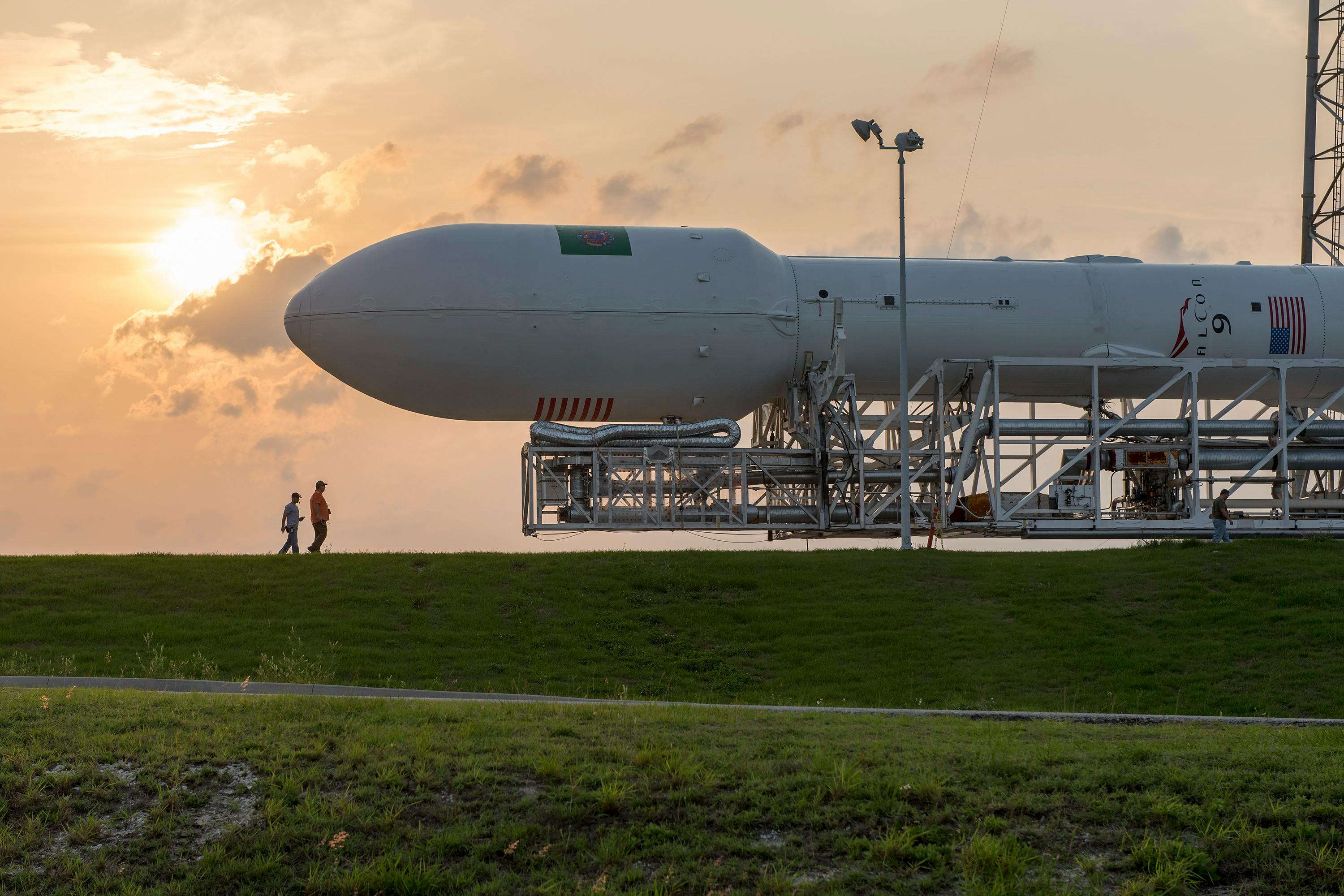
Key developments include the launch of Starshield satellites for the NRO and updates on Starlink launches and NASA access concerns involving Elon Musk's team.

Artemis II grabbed the headlines, but six other missions are quietly approaching milestones that could reshape what we know about Mercury, Mars, asteroids, exoplanets, and the Moon's south pole. Here is what is actually happening with each of them.