


X Report 24 Mar 2025
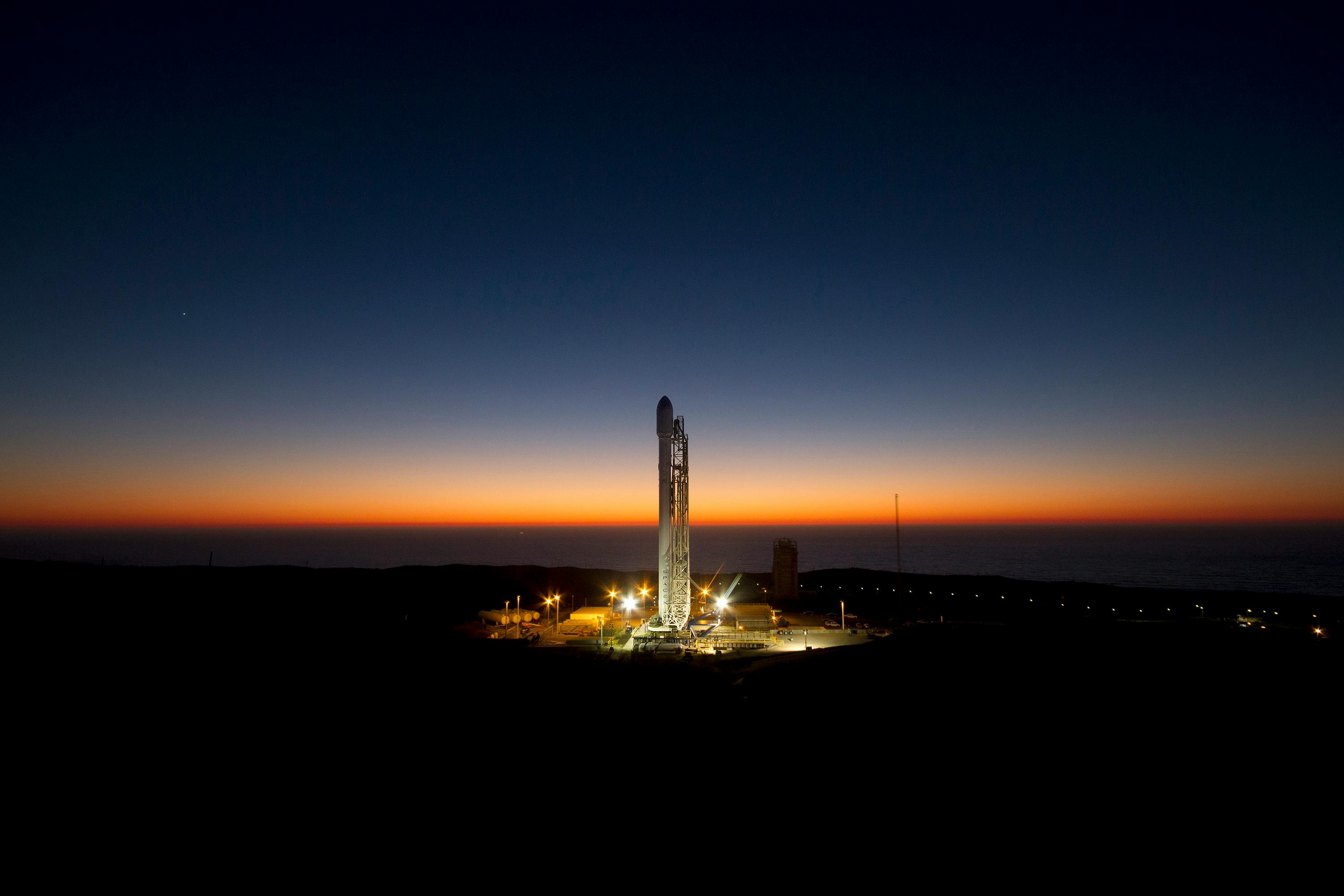
SpaceX sets a rocket re-use record, Starlink satellites continue to proliferate, and Botswana launches its first national satellite.


Launch Date
June 10, 2011
Launch Site
AFWTR
Launch Pad
SLC2W
Launch Vehicle
Delta 7320-10C
NORAD ID
37673
International Designator
2011-024A
Epoch
Sat, 04 Jul 2026 06:37:53 GMT
Apogee
Calculating...
Perigee
Calculating...
Inclination
97.98°
Right Ascension
199.05°
Eccentricity
Calculating...
Argument of Perigee
83.00°
Period
97.39 min
Mean Motion
14.79 rev/day
Latitude
Calculating...
Longitude
Calculating...
Altitude
Calculating...
Velocity
Calculating...
Name
SAC-D
Alternative Name
SAC-D/Aquarius
Type
Status
Owner
CONAE
Country
Argentina
Constellation
N/A
Related Satellites
Major Events
N/A
1 37673U 11024A 26185.27631464 .00001012 00000-0 14520-3 0 9998
2 37673 97.9763 199.0471 0002040 83.0044 288.0078 14.78661401810319
Source: Celestrak
Length
4.9
Diameter
2.7
Span
6
Dry Mass
1272
Launch Mass
1350
Shape
Oct Cyl + 2 Pan
Radar Cross Section
8.922
Visual Magnitude
Unknown
Color
Unknown
Material Composition
Unknown
Payload
SAC-D
Purpose
Earth Science (Ocean salinity)
Mission
Earth Science (Ocean salinity)
Manufacturer
INVAP
Life Expectancy
3 years (minimum); 5 years (design); 4 years (achieved)
Bus
Saocom
Configuration
Unknown
Motor
Unknown
Equipment
L-band Radiometer / Scatterometer
Power System
2 deployable solar arrays (1362 W), batteries
ADCS
Unknown
Transmitter Frequency
Unknown
Learn more about satellites and other related topics.
SpaceX sets a rocket re-use record, Starlink satellites continue to proliferate, and Botswana launches its first national satellite.
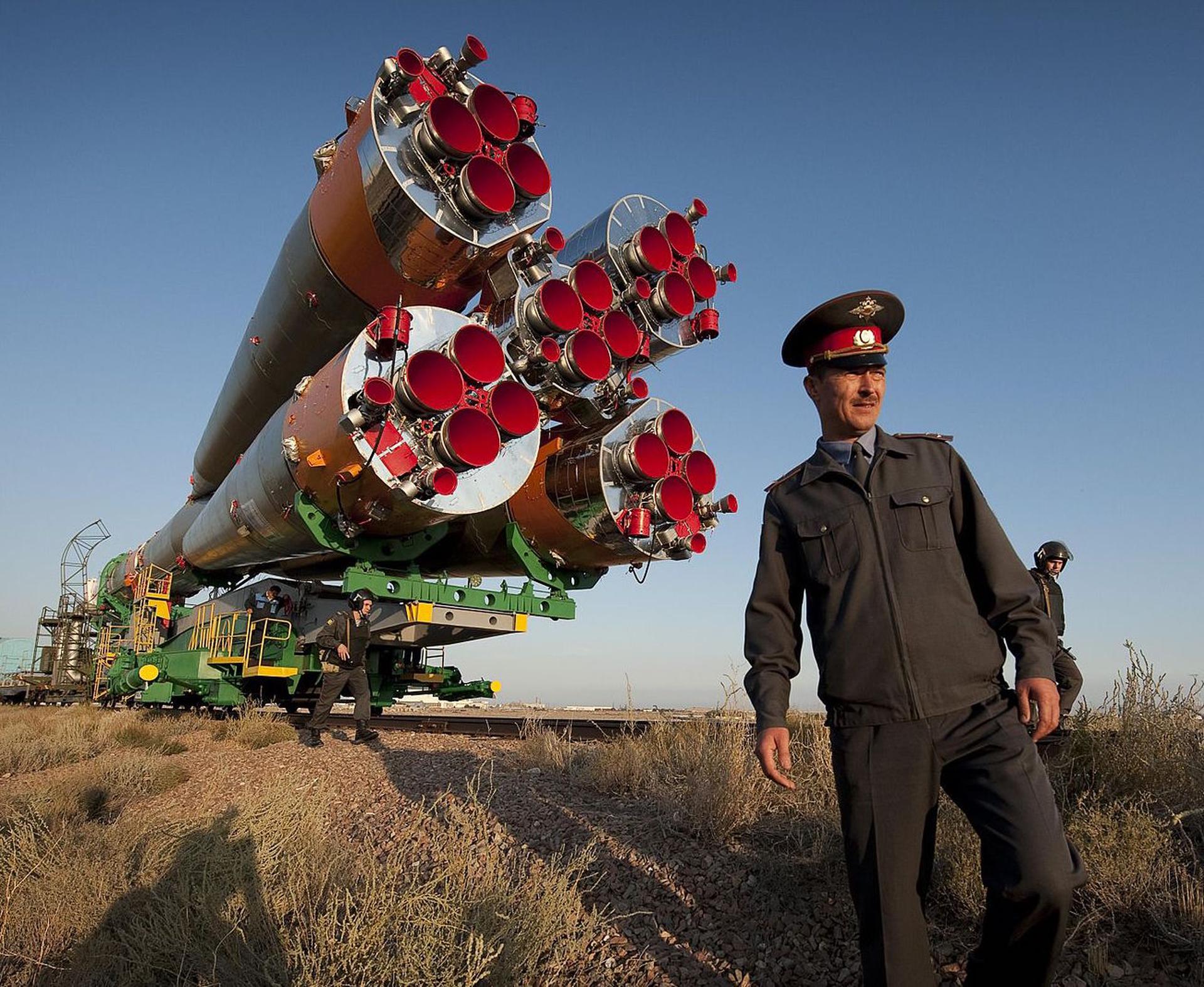
Today's Space Brief highlights emerging technologies in space, a contract for U.S. Space Force missions, developments in military operations, and updates on drone advancements.
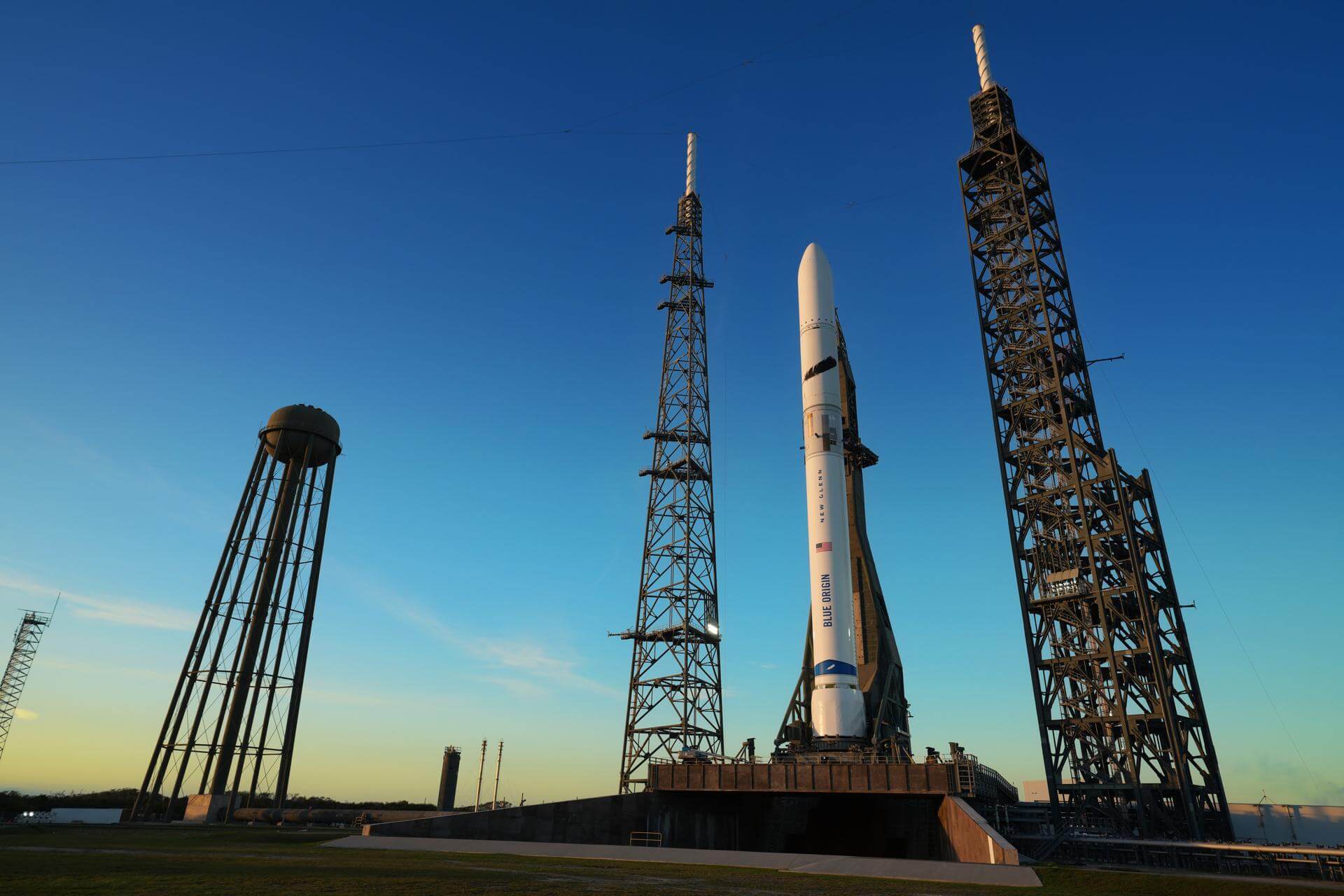
Highlighting India's significant military satellite launch, real-time satellite tracking developments in Europe, SpaceX's new rideshare mission, and more space industry news.

SpaceX's secretive Starfall reentry demo launched June 23 as Starmind AI constellation targets 1M orbital compute nodes.

Today's brief covers China's intense launch schedule, a new Arctic military constellation, Muon Space's defense innovations, and SpaceX's classified NROL-77 mission.
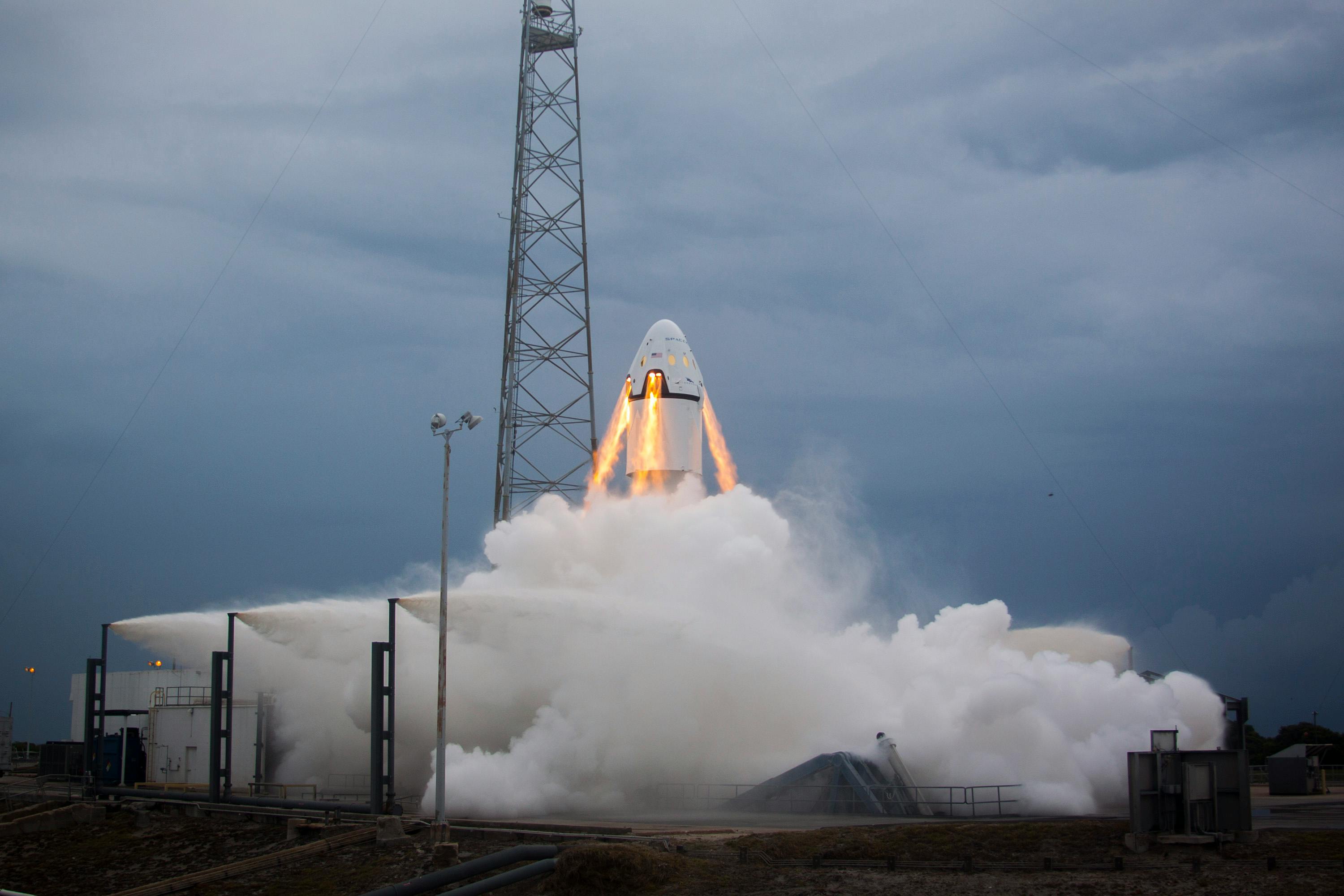
SpaceX's Starlink sparks market shifts and celestial awe as iPhones gain new connectivity and a satellite ignites the night sky.

Forty-one years ago, astronaut Bruce McCandless II became the first human to float completely free in space, pushing the boundaries of both technology and human courage

SpaceX preps for its sixth Starship test flight, moving the Super Heavy rocket to the pad. China's unveils a Starship-like reusable rocket concept, while Starlink expands with 24 new satellites launched.