



Space Brief 7 Jun 2025
Today's brief covers the latest in satellite launches, military implications in space funding, and notable reentry delays.



Launch Date
September 3, 1990
Launch Site
TAISC
Launch Pad
LC7
Launch Vehicle
Chang Zheng 4
NORAD ID
37615
International Designator
1990-081DB
Epoch
Fri, 03 Jul 2026 22:53:34 GMT
Apogee
Calculating...
Perigee
Calculating...
Inclination
98.55°
Right Ascension
184.27°
Eccentricity
Calculating...
Argument of Perigee
203.17°
Period
100.35 min
Mean Motion
14.35 rev/day
Latitude
Calculating...
Longitude
Calculating...
Altitude
Calculating...
Velocity
Calculating...
Name
CZ-4 DEB
Alternative Name
deb CZ-4 Y2 Stage 3
Type
Status
Owner
MAI2
Country
China
Constellation
N/A
Related Satellites
Major Events
N/A
1 37615U 90081DB 26184.95387406 .00001120 00000-0 40806-3 0 9998
2 37615 98.5457 184.2689 0013958 203.1659 156.8899 14.35014616627116
Source: Celestrak
Length
0
Diameter
0
Span
0
Dry Mass
0
Launch Mass
0
Shape
N/A
Radar Cross Section
0.0081
Visual Magnitude
Unknown
Color
Unknown
Material Composition
Unknown
Payload
Unknown
Purpose
Unknown
Mission
Unknown
Manufacturer
Unknown
Life Expectancy
Unknown
Bus
Unknown
Configuration
Unknown
Motor
Unknown
Equipment
Unknown
Power System
Unknown
ADCS
Unknown
Transmitter Frequency
Unknown
Learn more about satellites and other related topics.
Today's brief covers the latest in satellite launches, military implications in space funding, and notable reentry delays.
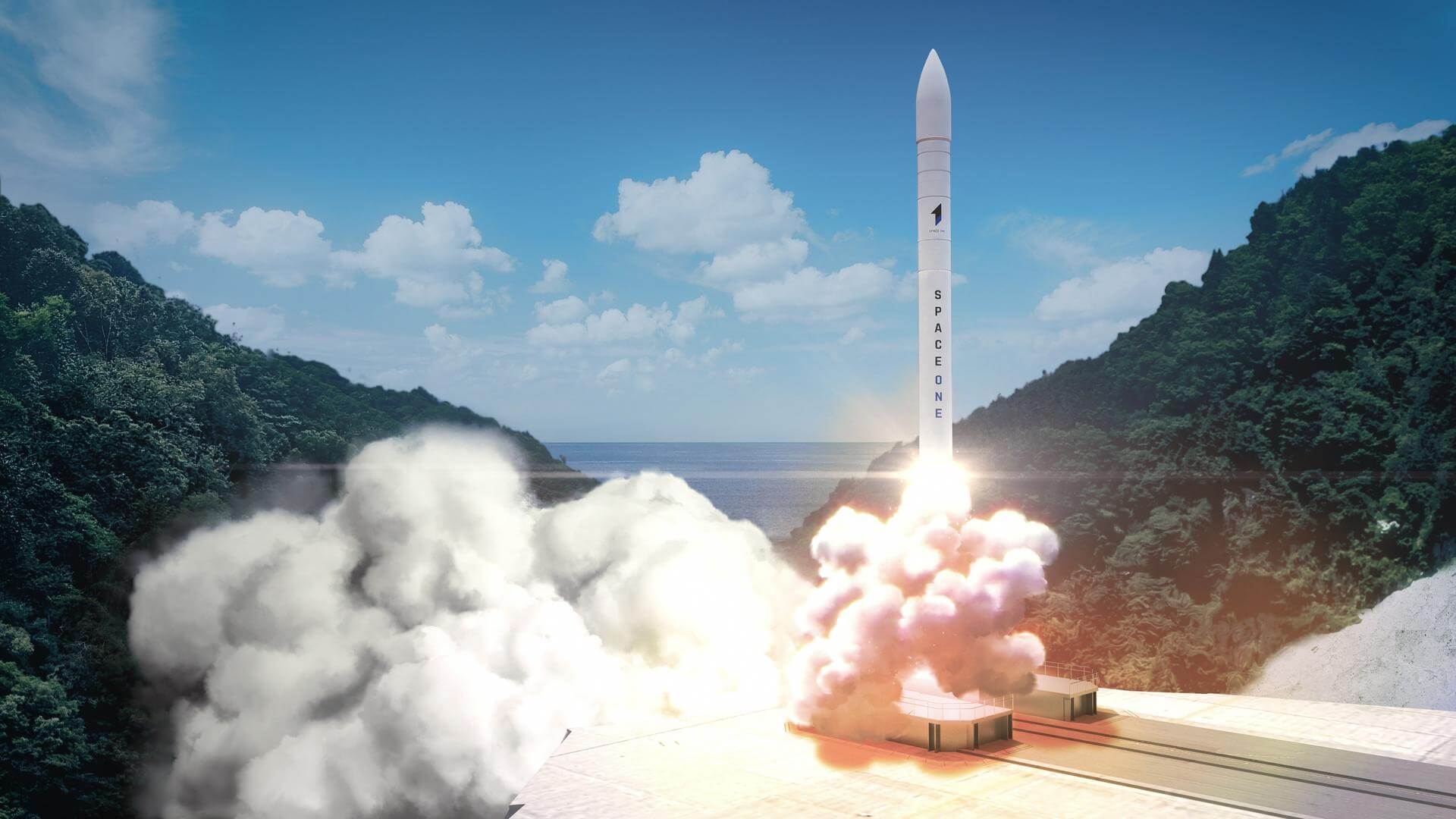
Today's brief highlights Umbra Space's contract extension with the NRO, Trump's Space Force ambitions, FibreCoat's new funding targeting defense markets, and key US defense sentiments. Explore notable military and commercial satellite activities.
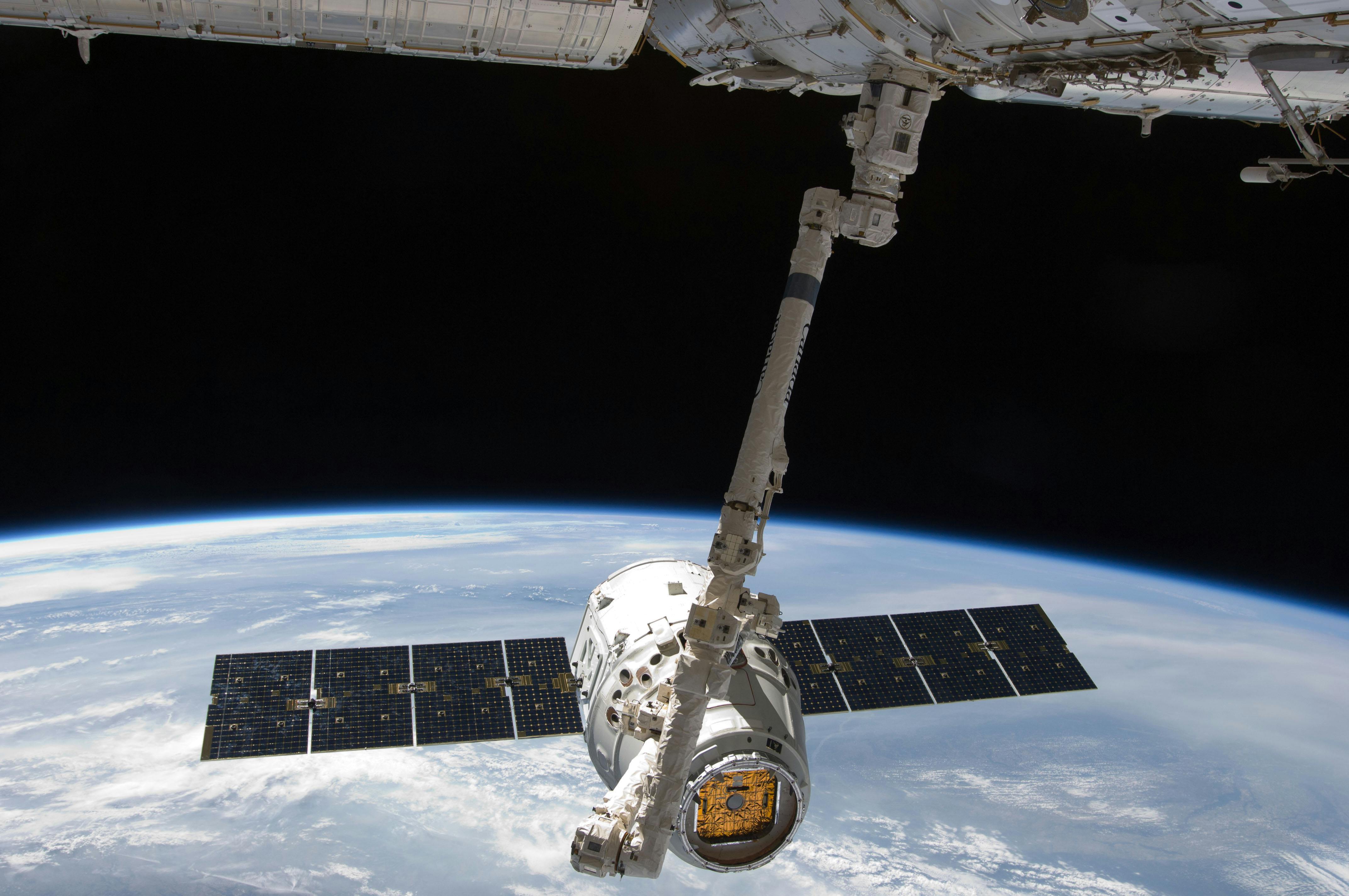
SpaceX prepares for Starship Flight 8 with successful booster static fire; Starlink continues its expansion.
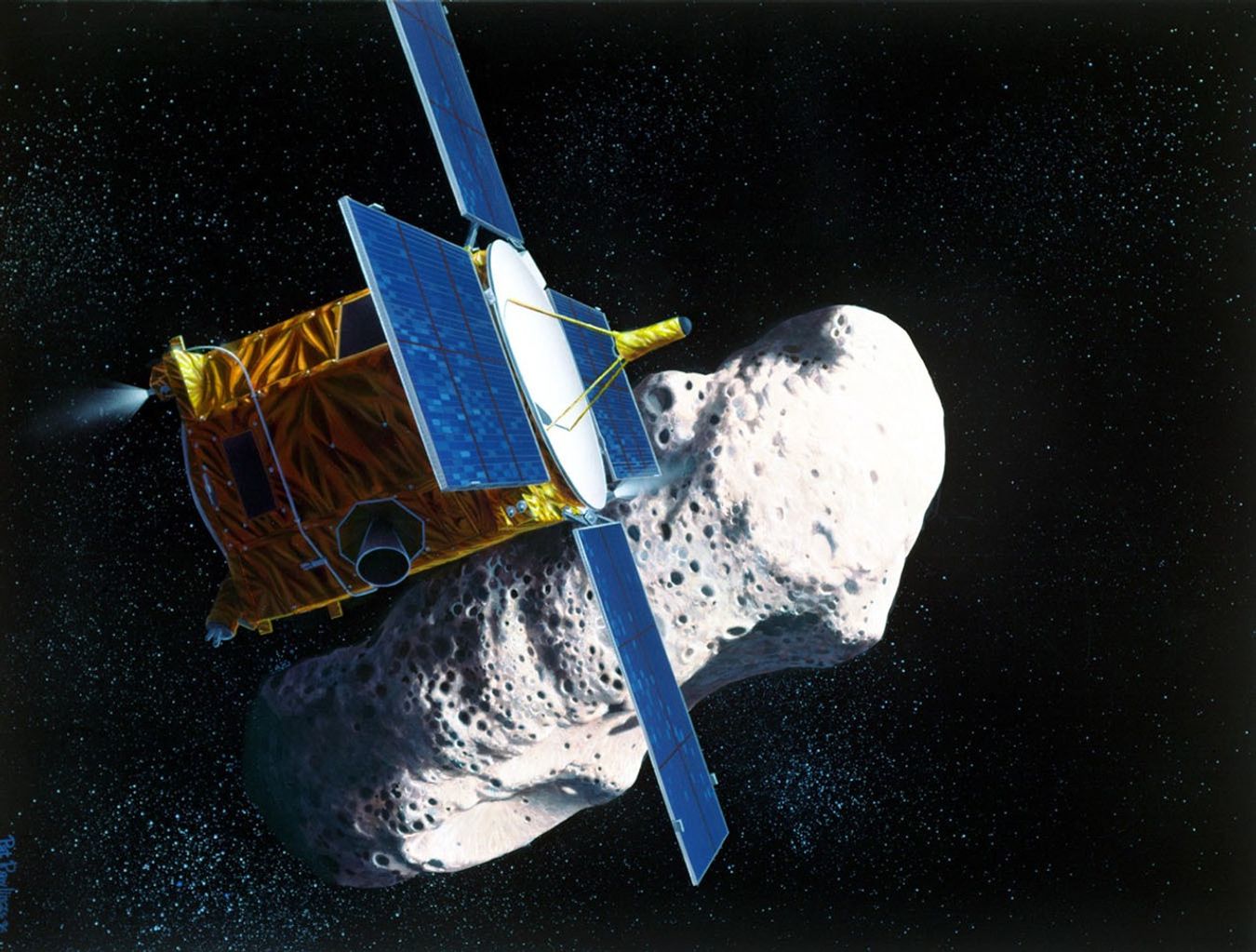
Twenty-four years ago, a spacecraft designed only to orbit made history with an improvised landing on asteroid Eros, marking humanitys first controlled touchdown on a small celestial body
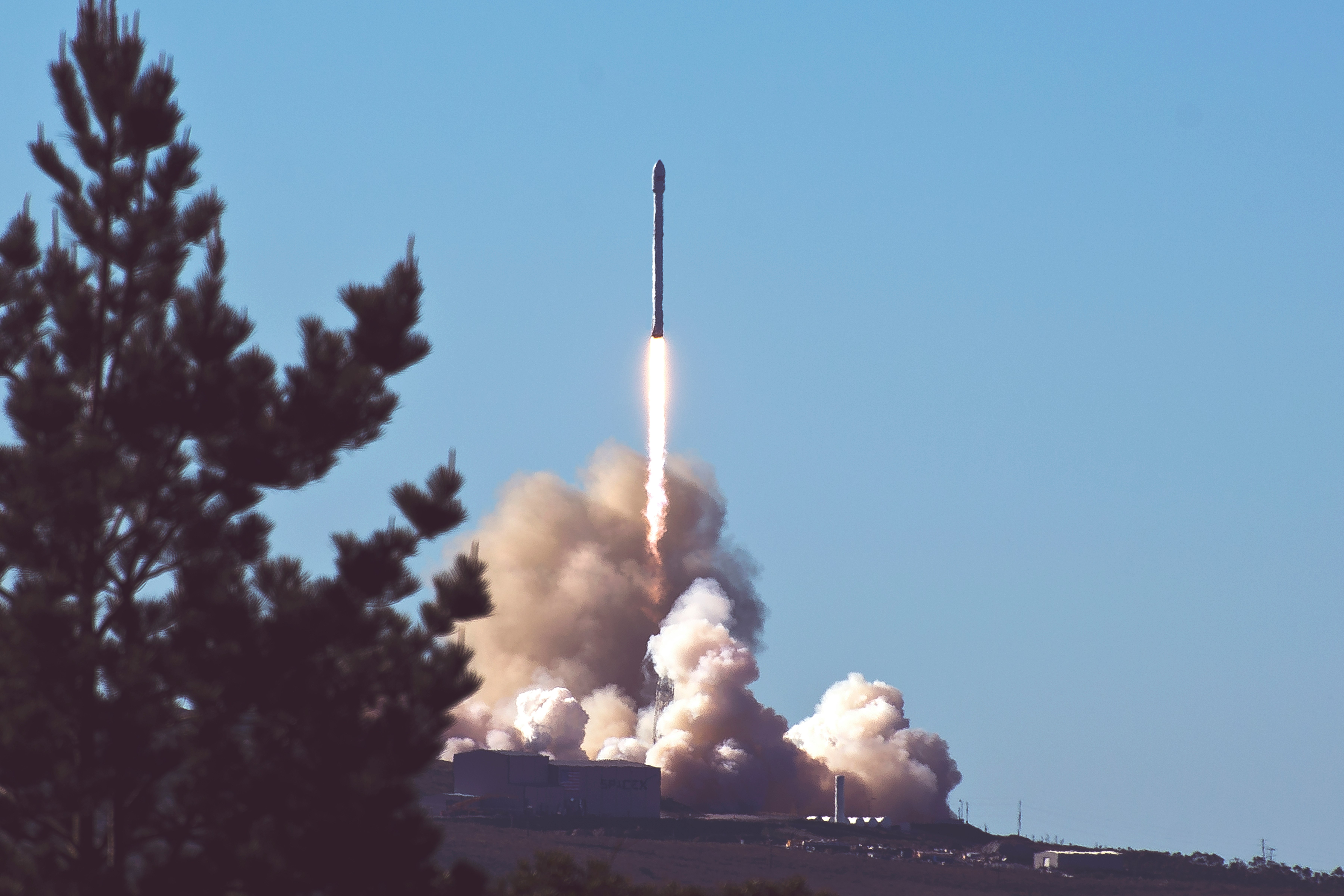
SpaceX successfully launched 28 Starlink satellites and settled a lawsuit, while Starlink's performance faces scrutiny in Ukraine. Additionally, MTN is enhancing Starlink's business services.
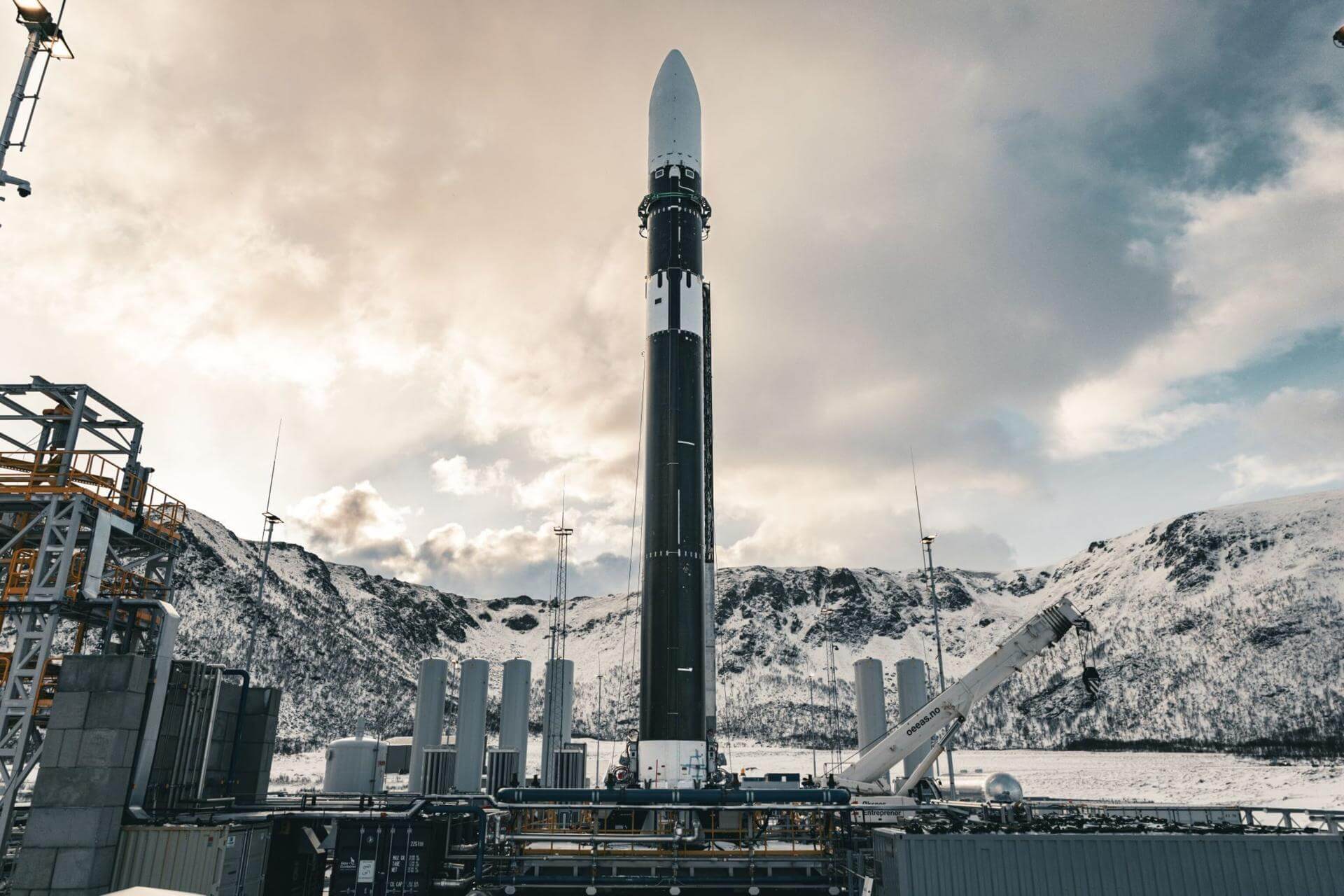
Exploring the future of space with concerns on space debris, rapid growth in orbital data centers, and new developments at launch sites.

Today's briefing covers the ULA's military application for Vulcan's upper stage, FAA's efforts to expedite launch licensing, and a fascinating flyby of Mercury by BepiColombo.
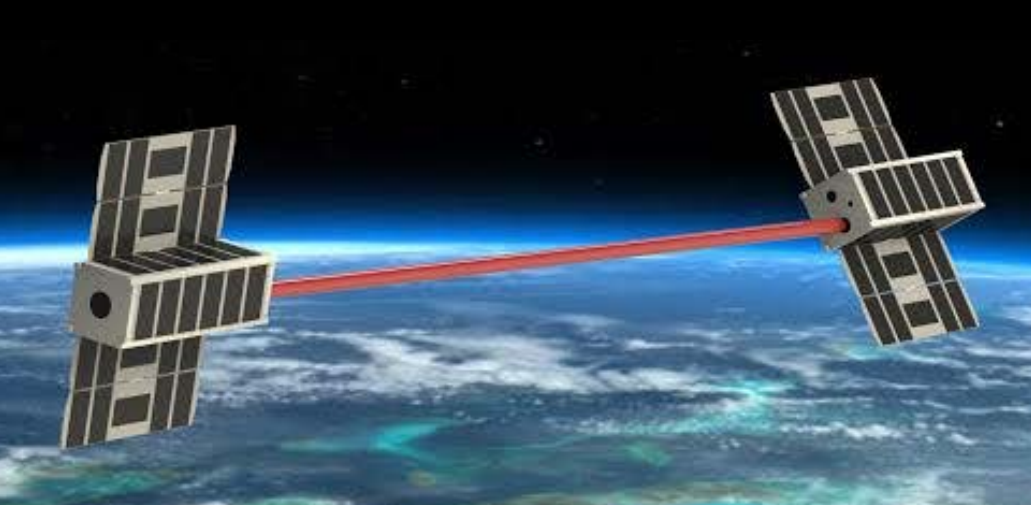
The satellite industry's biggest operators are betting on multi-orbit architectures that combine LEO, MEO, and GEO into unified networks. A San Francisco startup called Contrivian thinks they've overcomplicated the problem, and the physics might be on its side.