GSAT-8 (37605)

COSPAR: 2011-022A | Alt Name: GSAT-8

Image
GSAT-8 Satellite Image
Additional Sources
Launch Details

Launch Date

May 20, 2011

Launch Site

FRGUI

Launch Pad

ELA3

Launch Vehicle

Ariane 5ECA

Orbital Elements

NORAD ID

37605

International Designator

2011-022A

Epoch

Sat, 04 Jul 2026 03:53:06 GMT

Apogee

Calculating...

Perigee

Calculating...

Inclination

2.17°

Right Ascension

81.63°

Eccentricity

Calculating...

Argument of Perigee

166.74°

Period

1436.10 min

Mean Motion

1.00 rev/day

Latitude

Calculating...

Longitude

Calculating...

Altitude

Calculating...

Velocity

Calculating...

Polar Plot
3D Visualization
Basic Satellite Info

Name

GSAT-8

Alternative Name

GSAT-8

Type

Payload

Status

Operational

Owner

ISRO

Country

India

Constellation

N/A

Related Satellites

Major Events

N/A

Latest TLEs
1 37605U 11022A   26185.16188378  .00000095  00000-0  00000-0 0  9995
2 37605   2.1722  81.6274 0002091 166.7391 147.1810  1.00271283 53385

Source: Celestrak

Summary
GSAT-8 is a communication satellite operated by ISRO, launched on May 20, 2011, from Guiana Space Centre using an Ariane 5ECA launch vehicle. It has dimensions of 4.1 meters in length and 2.3 meters in diameter with a span of 37.4 meters. The satellite features an I-3K bus configuration, weighs 3090 kg at launch, and its dry mass is 1425 kg. Equipped with 18 Ku-band transponders, 2 BSS transponders, and the GAGAN payload, GSAT-8 serves communication purposes. Its power supply comes from 2 solar arrays and batteries, while its shape is described as a box with two panels. The satellite's expected lifetime is 12 years.
Physical Characteristics

Length

4.1

Diameter

2.3

Span

37.4

Dry Mass

1425

Launch Mass

3090

Shape

Box + 2 Pan

Radar Cross Section

6.3096

Visual Magnitude

Unknown

Color

Unknown

Material Composition

Unknown

Technical Details

Payload

Insat 4G

Purpose

Communication

Mission

Communication

Manufacturer

ISAC

Life Expectancy

12 years

Bus

I3K

Configuration

I-3K (I-3000) Bus

Motor

ISRO LAM

Equipment

18 Ku-band transponders, 2 BSS transponders, GAGAN payload

Power System

2 solar arrays, batteries

ADCS

Unknown

Transmitter Frequency

Unknown

Map
This tool will help you track the satellite's position and predict its upcoming passes over your location. Simply input the coordinates or click the geolocation button to get started.
Next Pass
Azimuth Elevation Time (Local)
Start Azimuth
Max Elevation
Stop Azimuth
Time Until
Pass Duration

Satellite Articles

View All Posts »

Learn more about satellites and other related topics.

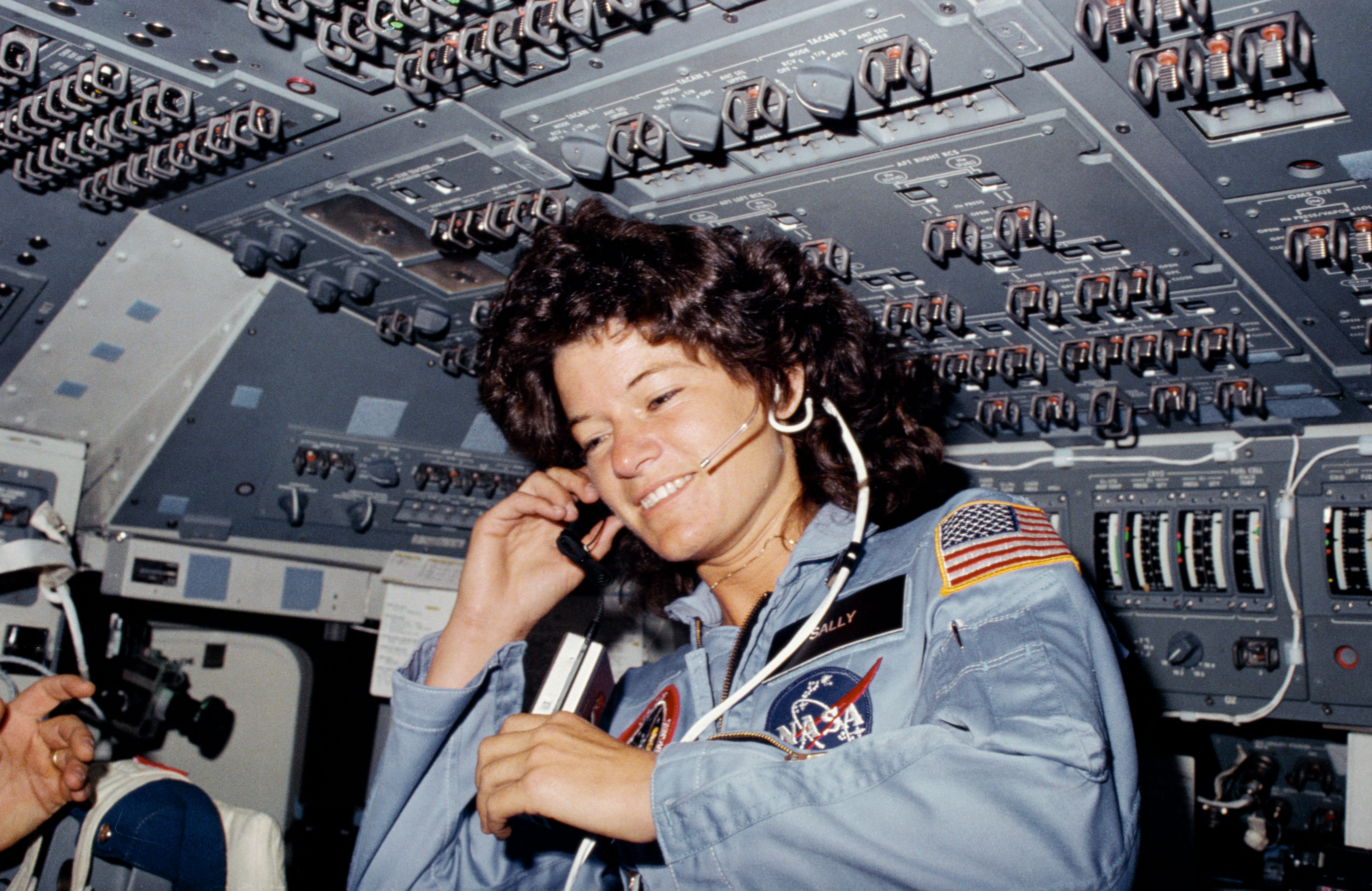
Sally Ride and the Twenty Years It Took America to Catch Up

Sally Ride and the Twenty Years It Took America to Catch Up

At 7:33 on the morning of 18 June 1983, a 32-year-old astrophysicist named Sally Ride rode Challenger off Pad 39A and became the first American woman in space. She got there two decades after the Soviets, and only after months of being asked whether spaceflight would damage her reproductive organs and whether she planned to cry.
X Report 23 Aug 2025

X Report 23 Aug 2025

This week's highlights include the successful launch of the X-37B spaceplane and the deployment of 24 new Starlink satellites, alongside preparations for the upcoming Starship Flight 10.

Space Brief 14 Dec 2024

Space Brief 14 Dec 2024

Today’s Space Brief covers significant developments such as SpaceX’s latest Starlink launch, the US Space Force testing modular satellite technology, and key long-range missile tests by the Pentagon.

SpaceX Targets 600th Falcon Booster Landing, X Report 19 Apr 2026

SpaceX Targets 600th Falcon Booster Landing, X Report 19 Apr 2026

SpaceX targets its 600th Falcon 9 booster landing on Starlink 17-22, lofting 25 satellites from Vandenberg. Plus a 2028 SpaceX ride for ESA's Mars rover.

Space Brief 1 Apr 2025

Space Brief 1 Apr 2025

Today's brief covers the U.S. Space Force's orbital carrier initiative, ULA Vulcan's approval for military launches, Rocket Lab's new contract with the Space Force, integrated data layers for military command, and advances in tactical surveillance.

The Kessler Syndrome

The Kessler Syndrome

The Kessler Syndrome threatens humanity's future in space as cascading satellite collisions create exponential debris growth. With 36,000+ tracked objects and recent incidents accelerating risks, we face a critical juncture: implement solutions now or potentially lose access to low Earth orbit forever.

The Satellite That Taught Us What We Were Doing to the Planet

The Satellite That Taught Us What We Were Doing to the Planet

Landsat 7 launched on April 15, 1999, designed to last five years. It operated for twenty-five, survived a failure that destroyed a fifth of every image it took, and became part of the longest continuous record of Earth's surface ever assembled. Then they made the data free.

X Report 8 Oct 2025

X Report 8 Oct 2025

SpaceX successfully launched 28 Starlink satellites aboard a Falcon 9 rocket, marking significant advancements in their deployment and operational capabilities.