



Space Brief 30 May 2025
Today's brief highlights significant advancements in satellite launches, new defense contracts, and technological integrations between major firms in the space sector.


Launch Date
May 20, 2011
Launch Site
Launch Pad
LC200/39
Launch Vehicle
Proton-M/Briz-M
NORAD ID
37603
International Designator
2011-021B
Epoch
Fri, 03 Jul 2026 16:35:13 GMT
Apogee
Calculating...
Perigee
Calculating...
Inclination
14.92°
Right Ascension
306.86°
Eccentricity
Calculating...
Argument of Perigee
40.15°
Period
747.02 min
Mean Motion
1.93 rev/day
Latitude
Calculating...
Longitude
Calculating...
Altitude
Calculating...
Velocity
Calculating...
Name
BREEZE-M R/B
Alternative Name
Briz-M No. 99520
Type
Status
Owner
KHRR
Country
Russia
Constellation
N/A
Related Satellites
Major Events
N/A
1 37603U 11021B 26184.69112488 -.00000085 00000-0 00000-0 0 9998
2 37603 14.9202 306.8641 4869283 40.1521 347.1198 1.92764731106381
Source: Celestrak
Length
2.6
Diameter
2.5
Span
2.6
Dry Mass
1600
Launch Mass
7500
Shape
Cyl
Radar Cross Section
12.1443
Visual Magnitude
Unknown
Color
Unknown
Material Composition
Unknown
Payload
Briz-M
Purpose
Unknown
Mission
Unknown
Manufacturer
KHRR
Life Expectancy
Unknown
Bus
Briz
Configuration
Unknown
Motor
Unknown
Equipment
Unknown
Power System
Unknown
ADCS
Unknown
Transmitter Frequency
Unknown
Learn more about satellites and other related topics.
Today's brief highlights significant advancements in satellite launches, new defense contracts, and technological integrations between major firms in the space sector.
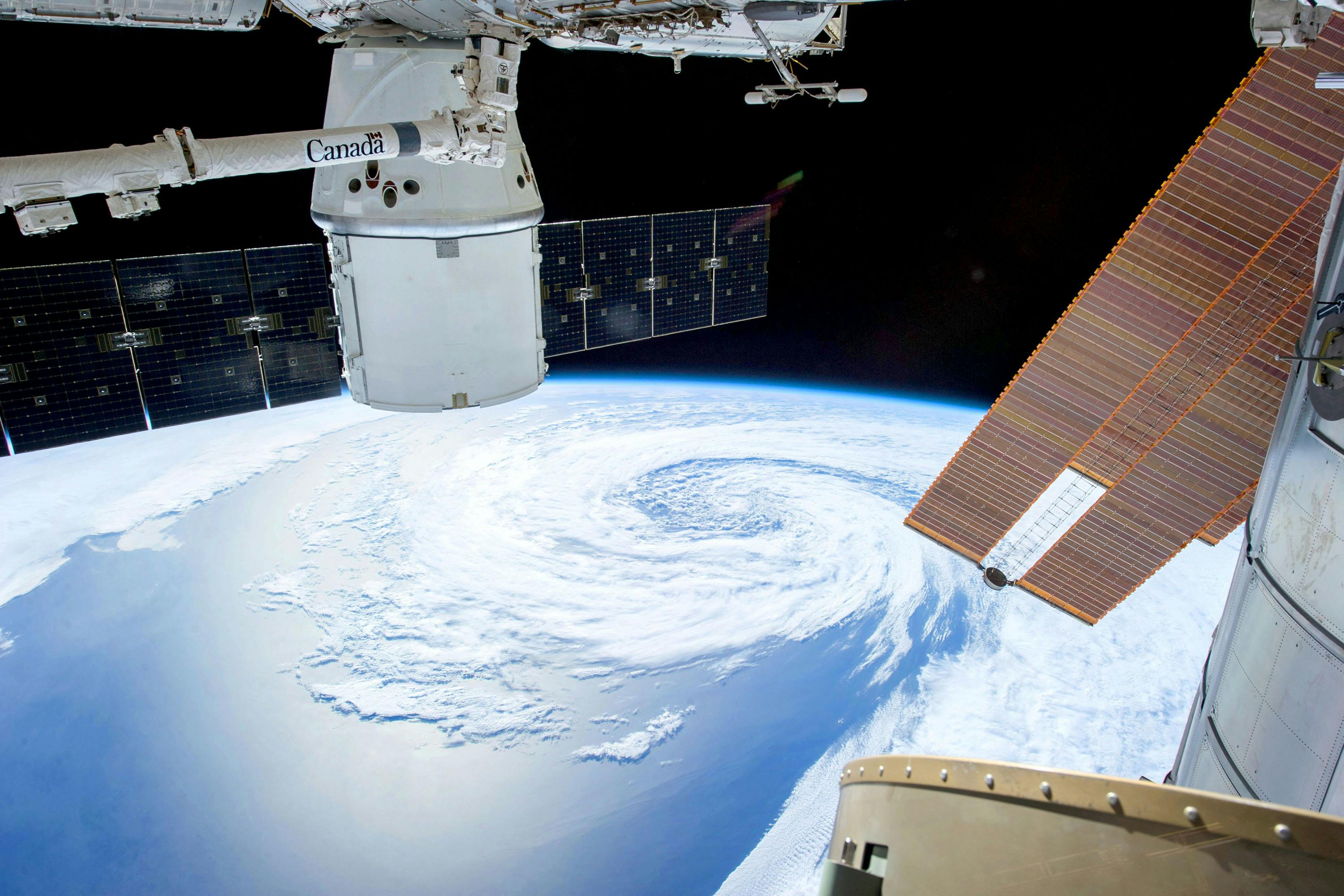
SpaceX successfully launched 28 Starlink satellites from Florida, marking another milestone for their ongoing deployment efforts.
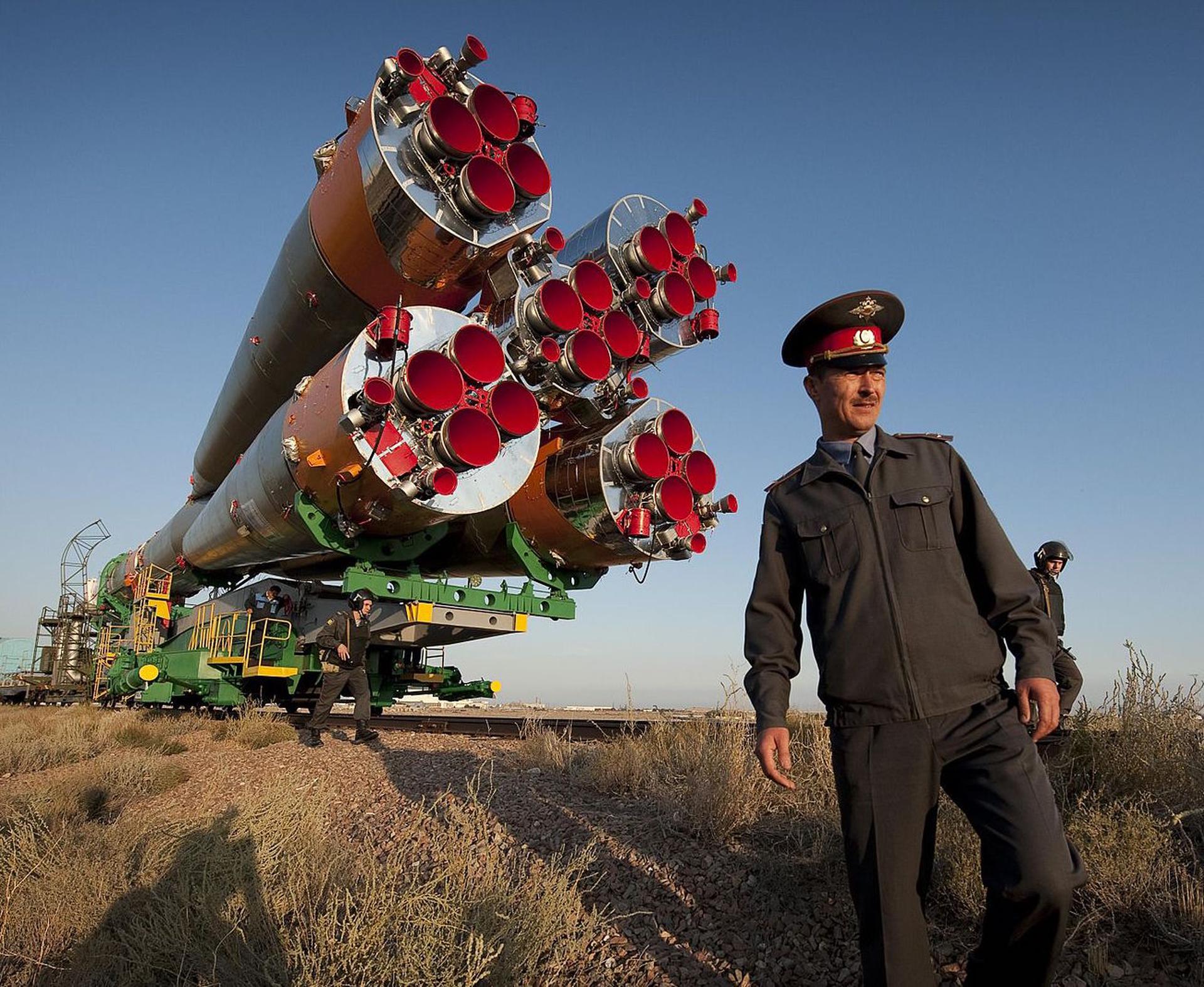
Today's Space Brief highlights emerging technologies in space, a contract for U.S. Space Force missions, developments in military operations, and updates on drone advancements.

Artemis 2 Orion carries first humans toward the Moon in 53 years. Spacecraft in good health after trans-lunar injection; lunar flyby observation plan due April 6.
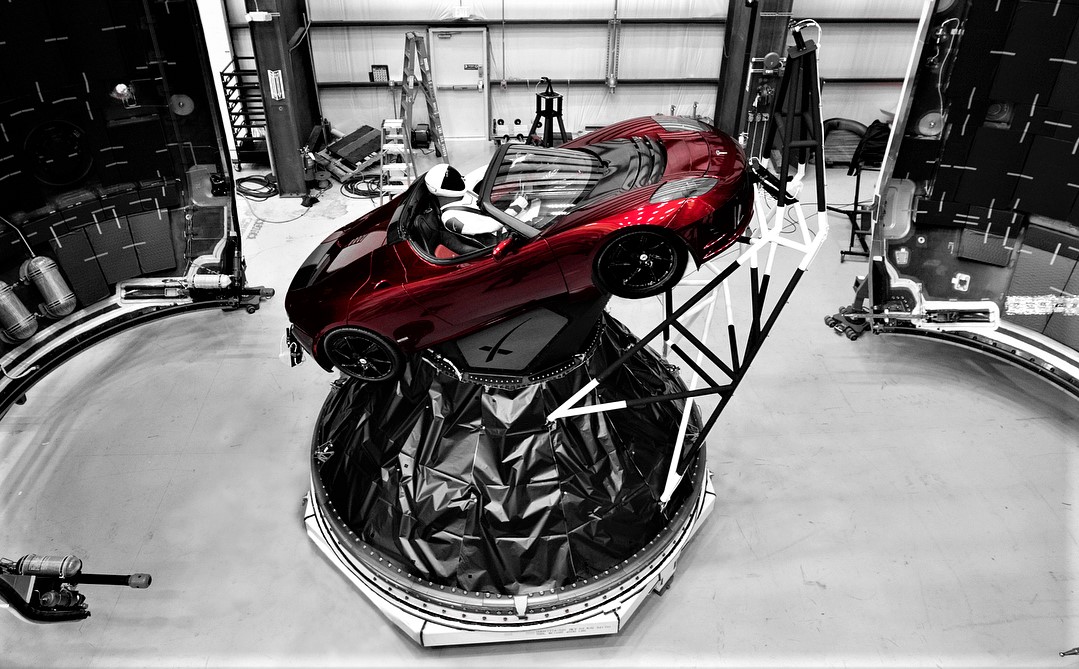
Seven years ago, SpaceX revolutionized spaceflight by launching the most powerful operational rocket in the world, carrying with it a cherry-red Tesla Roadster that captured global imagination
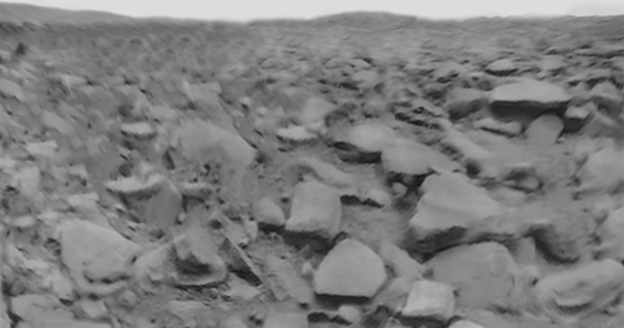
On December 15, 1970, a battered Soviet probe accomplished something no spacecraft had done before - it survived landing on another world and lived to tell about it.
DARPA's robotic satellite servicing mission targets GEO orbit by summer 2026. NASA adds six SpaceX crew missions as Boeing Starliner remains uncertified.
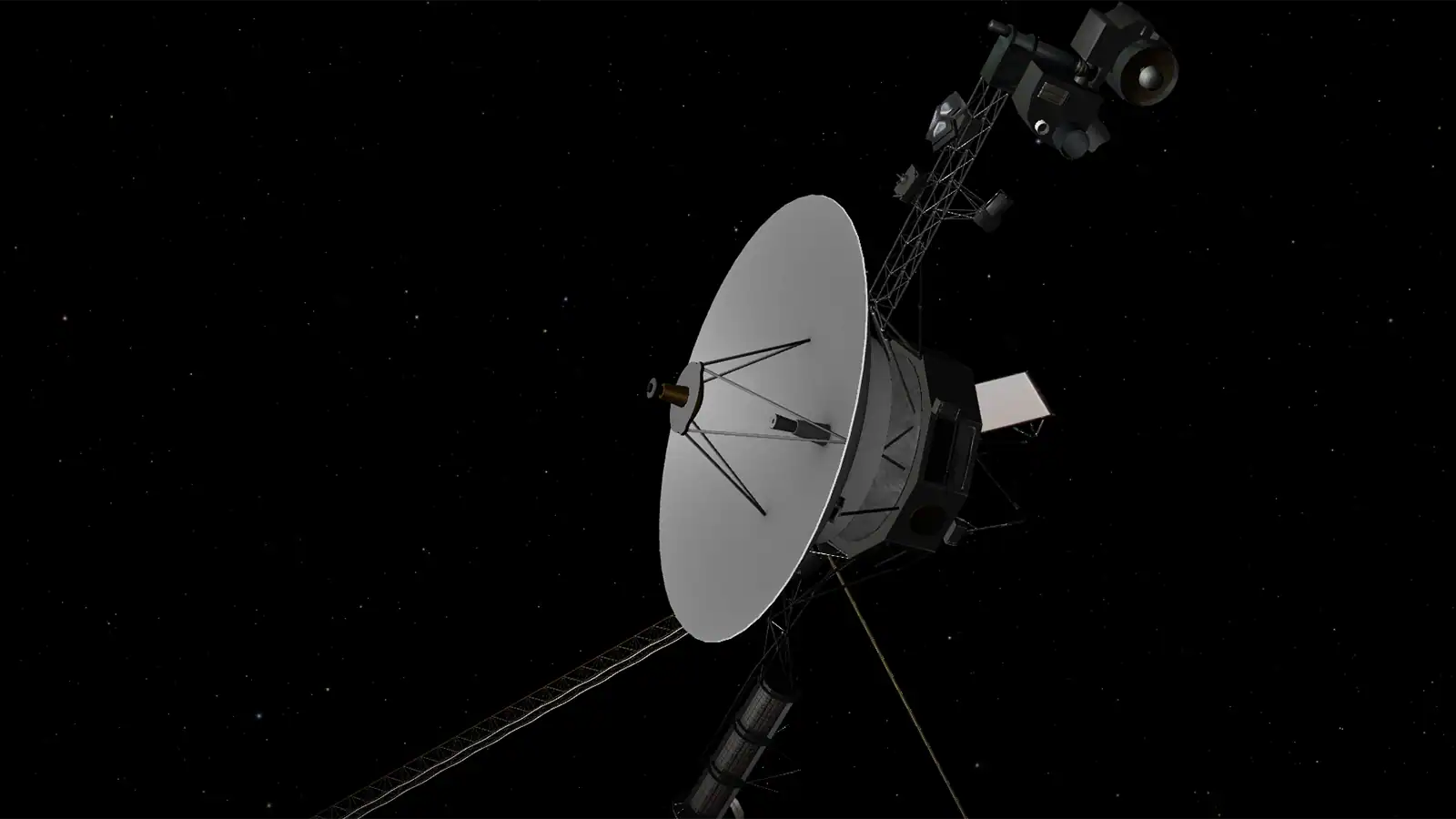
In November 2023, Earth's most distant spacecraft started speaking gibberish. Five months, one dead memory chip, and 30 billion miles of round-trip troubleshooting later, engineers got it talking again - using code written before most of them were born.